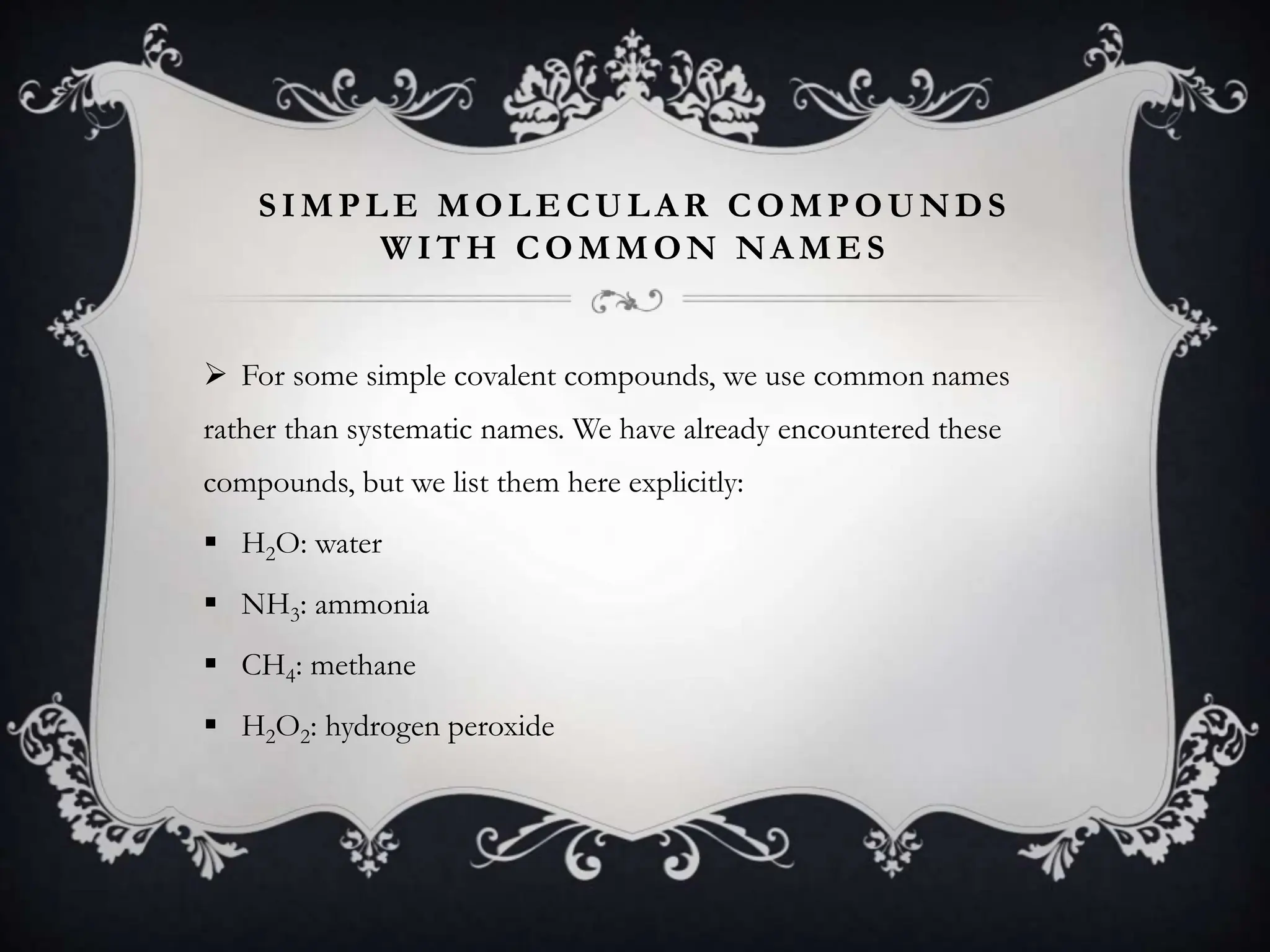
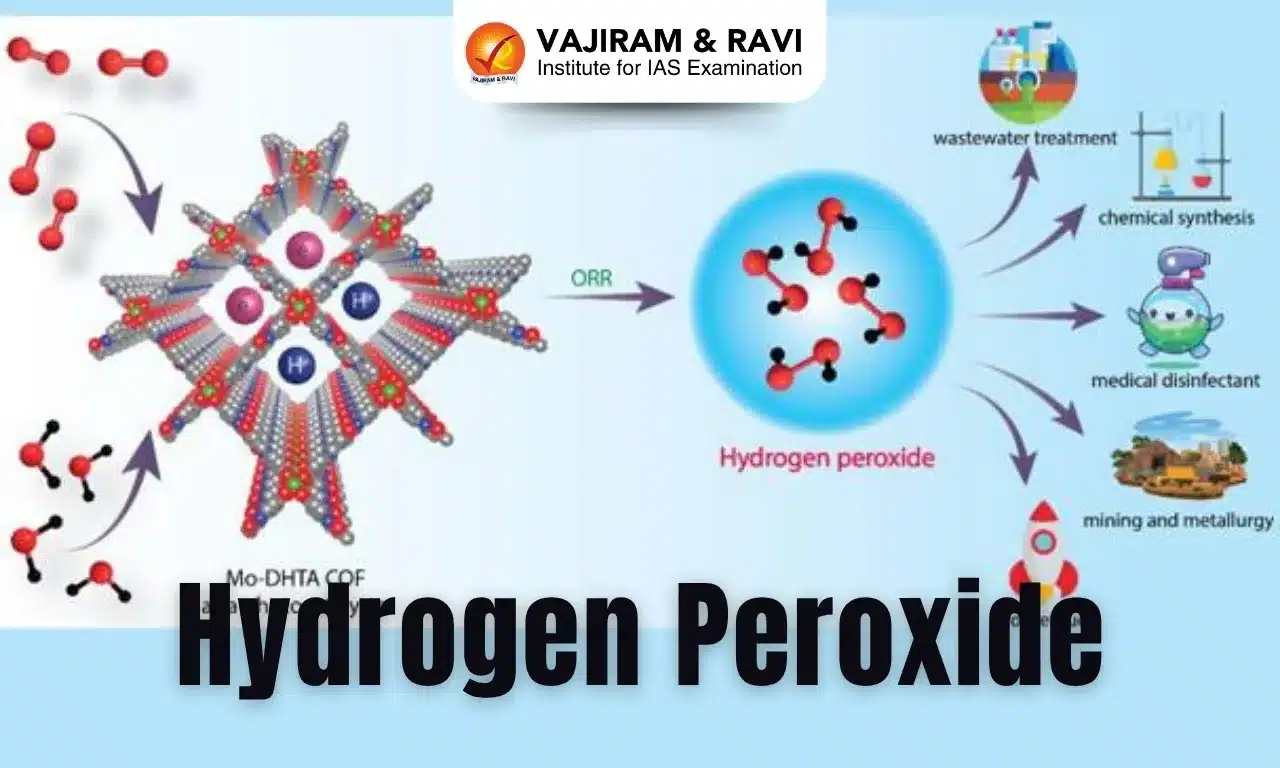
Hydrogen peroxide is the universal common name for the chemical compound with the molecular formula $H_2O_2$, functioning as a pale blue liquid that appears colorless in dilute aqueous solutions. Widely recognized for its household antiseptic and bleaching properties, this simple yet powerful oxidizing agent plays a crucial role in domestic, medical, and industrial applications alike, acting as a reactive molecule composed solely of hydrogen and oxygen atoms bonded in a unique configuration.
The chemical formula $H_2O_2$ stands for hydrogen peroxide, a simple and widely recognized inorganic compound. Composed of two hydrogen atoms and two oxygen atoms, this molecule features an unstable single covalent oxygen-oxygen bond, which accounts for its high reactivity and potent oxidizing capabilities. While chemists refer to it systematically by its molecular name, the general public and commercial markets universally know it by its common name: hydrogen peroxide.
Understanding this compound requires examining more than just its nomenclature. From its fundamental chemical structure and historical discovery to its diverse concentrations and safety profiles, $H_2O_2$ is a versatile substance. Whether utilized in low concentrations for first aid, intermediate strengths for hair bleaching, or high-purity industrial grades for chemical synthesis and propulsion, hydrogen peroxide remains an essential chemical in modern society.
The Chemical Identity and Nomenclature of $H_2O_2$
In chemical nomenclature, $H_2O_2$ is formally named hydrogen peroxide. This name follows standard chemical naming conventions, indicating a compound composed of hydrogen combined with an extra oxygen atom compared to water ($H_2O$). The prefix "per-" signifies that the molecule contains a higher proportion of oxygen than its related oxide counterpart.
The structural formula of hydrogen peroxide is often written as $H-O-O-H$. The defining feature of this molecule is the peroxide bond, also known as the single covalent bond linking the two oxygen atoms together ($-\text{O}-\text{O}-$). This specific bond has a relatively low bond dissociation energy, making it prone to homolytic cleavage. Consequently, the molecule readily breaks apart into reactive oxygen species and free radicals, which drives its strong oxidizing capacity.
Unlike stable compounds like water or carbon dioxide, hydrogen peroxide is thermodynamically unstable. It spontaneously decomposes into water and oxygen gas over time, an exothermic reaction expressed by the chemical equation:
$$2H_2O_2 \rightarrow 2H_2O + O_2 + \text{Heat}$$
Because of this inherent instability, commercial solutions frequently incorporate stabilizing agents—such as stannate compounds or phosphonates—to inhibit rapid decomposition, ensure shelf life, and maintain concentration levels during storage and transport.
Historical Discovery and Development
The history of hydrogen peroxide dates back to the early 19th century when French chemist Louis Jacques Thénard first isolated the compound in 1818. Thénard prepared the substance by reacting barium peroxide with nitric acid, a complex method that yielded an impure, highly concentrated form of the liquid.
Throughout the 19th century, production methods remained inefficient and costly, limiting the availability of $H_2O_2$ primarily to laboratory settings and specialized industrial applications. Early chemists experimented with hydrochloric and sulfuric acids as alternatives to nitric acid, gradually refining the extraction and purification processes to yield safer, more stable solutions.
A major industrial breakthrough occurred in the mid-20th century with the development of the anthraquinone process. First commercialized in the 1930s and widely adopted after World War II, this cyclic chemical process allowed for the mass production of hydrogen peroxide at a much lower cost and higher purity than previous methods. Today, almost all industrial-grade hydrogen peroxide is manufactured using variations of the anthraquinone autoxidation pathway, enabling global production volumes in the millions of metric tons annually.
Grades and Concentrations of Hydrogen Peroxide
Hydrogen peroxide is manufactured and distributed in various concentrations, each tailored to specific domestic, commercial, or industrial applications. Handling these solutions safely requires a clear understanding of concentration tiers, as higher percentages present severe chemical hazards.
| Concentration ($H_2O_2$ % By Weight) | Common Designation | Primary Applications | Safety and Handling Requirements |
|---|---|---|---|
| 3% | Household / Medicinal Grade | Minor cuts, scrapes, household surface cleaning, mouth rinsing. | Generally safe for domestic use; avoid contact with eyes and ingestion. |
| 6% to 10% | Cosmetic / Salon Grade | Hair bleaching, textile processing, contact lens cleaning solutions. | Irritant to skin and eyes; use gloves during application. |
| 30% to 35% | Reagent / Food Grade | Laboratory analysis, organic synthesis, aseptic packaging, food processing. | Corrosive; causes severe skin burns and eye damage; requires specialized protective gear. |
| 50% to 90%+ | Industrial / Propellant Grade | Chemical manufacturing, wastewater treatment, rocket propulsion, bleaching wood pulp. | Extremely hazardous; powerful oxidizer capable of causing spontaneous combustion of organic materials. |
Household and Medicinal Solutions (3%)
The 3% aqueous solution is the most familiar form of hydrogen peroxide found in medicine cabinets worldwide. Sold in opaque plastic bottles to prevent light-induced degradation, this concentration is safe for non-prescription consumer use. Historically recommended as a standard antiseptic for cleaning minor cuts and scrapes, contemporary medical consensus views it primarily as a mild debriding agent for removing dead tissue and debris, rather than an ideal primary disinfectant for wound healing.
Aesthetic and Cosmetic Concentrations (6% to 10%)
Concentrations ranging from 6% to 10% (often expressed as 20-volume to 30-volume developer) are standard in the beauty and cosmetic industries. Hair salons rely on these strengths to oxidize natural hair pigments during coloring and bleaching procedures. These solutions require careful handling to prevent chemical irritation to the scalp and eyes.
High-Purity and Industrial Concentrations (30% and Above)
Industrial and reagent-grade hydrogen peroxide spans from 30% to over 90% concentration. At 35% concentration, food-grade hydrogen peroxide is utilized in food processing facilities and aseptic packaging sterilization. Concentrations exceeding 50% are strictly industrial commodities used in large-scale chemical synthesis, paper bleaching, and environmental remediation. Rocket propellants have also utilized high-test peroxide (HTP)—concentrations around 90% or higher—as a monopropellant or oxidizer in aerospace applications.
Mechanisms of Action and Antimicrobial Properties
The effectiveness of hydrogen peroxide as an antimicrobial and cleaning agent stems from its chemical reactivity as a powerful oxidizing agent. When $H_2O_2$ comes into contact with organic matter, microorganisms, or catalytic surfaces, it triggers a cascade of chemical reactions.
Generation of Reactive Oxygen Species
Upon decomposition, hydrogen peroxide produces hydroxyl radicals ($•OH$) and other reactive oxygen species. These highly reactive radicals lack electrons and aggressively attack cellular components of microorganisms, including bacterial cell walls, proteins, lipids, and nucleic acids (DNA and RNA). By oxidizing these vital cellular structures, $H_2O_2$ disrupts metabolic functions, inactivates enzymes, and ultimately destroys the structural integrity of bacteria, viruses, yeasts, and fungal spores.
The Catalase Reaction and Effervescence
The familiar bubbling and fizzing observed when applying 3% hydrogen peroxide to a wound is the result of an enzymatic reaction. Human blood, tissue, and many aerobic bacteria contain an enzyme called catalase. Catalase rapidly decomposes hydrogen peroxide into water and oxygen gas:
$$2H_2O_2 \xrightarrow{\text{Catalase}} 2H_2O + O_2 \uparrow$$
The rapid release of oxygen gas creates mechanical effervescence. This physical foaming action helps lift dirt, debris, and dead cells away from the wound bed, assisting in mechanical wound cleansing, even though the chemical action itself is short-lived as the enzyme neutralizes the peroxide.
Practical Uses and Applications
Hydrogen peroxide serves multiple distinct functions across various sectors due to its dual nature as an effective oxidizer and an environmentally friendly chemical that breaks down into harmless water and oxygen.
Household Cleaning and Disinfection
In domestic environments, 3% hydrogen peroxide functions as a versatile cleaner. It effectively whitens grout, removes organic stains from clothing and upholstery, and sanitizes hard non-porous surfaces such as cutting boards, countertops, and bathroom tiles. Unlike chlorine bleach, hydrogen peroxide does not leave toxic chemical residues or produce hazardous chloramine fumes when accidentally mixed with other household cleaners, though mixing it with vinegar should still be avoided to prevent the formation of corrosive peracetic acid.
Medical and First Aid Evolution
While once considered a staple for treating fresh wounds, modern medical protocols have evolved. Healthcare professionals note that while hydrogen peroxide effectively kills bacteria, it is non-selective; it also damages healthy human tissue and fibroblasts necessary for proper wound closure and healing. Consequently, medical use has shifted toward gentle washing with mild soap and water, reserving hydrogen peroxide primarily for removing dried blood and stubborn bandages from minor abrasions.
Industrial and Environmental Applications
On an industrial scale, $H_2O_2$ is indispensable. Pulp and paper mills consume vast quantities to bleach wood pulp without using chlorine-based chemicals, resulting in brighter paper products with lower environmental impact. In water treatment facilities, hydrogen peroxide oxidizes toxic pollutants, destroys hydrogen sulfide odors, and remediates groundwater contaminated with volatile organic compounds. Furthermore, it aids in semiconductor manufacturing by etching copper surfaces and cleaning silicon wafers.
Safety Precautions, Hazards, and Storage
Despite its everyday presence in homes, hydrogen peroxide demands respect and proper handling, particularly at higher concentrations.
Health Hazards by Concentration
- Low Concentrations (3% to 6%): Generally safe for topical skin contact, though prolonged exposure can cause mild irritation, skin whitening (temporary pseudopigmentation), and eye irritation. Ingestion can cause gastrointestinal irritation, abdominal distension, and foaming.
- Moderate to High Concentrations (30%+): Highly corrosive to human tissue. Contact causes immediate skin burns, severe eye damage, and potential permanent vision loss. Inhalation of vapors or mists irritates the respiratory tract, while ingestion of concentrated solutions can result in severe internal tissue damage, gas embolism, and systemic toxicity.
Storage and Handling Guidelines
To maintain stability and prevent accidents, hydrogen peroxide must be stored according to specific guidelines:
- Light Protection: Always store solutions in opaque, dark containers designed to block ultraviolet light, which accelerates decomposition.
- Vented Caps: Containers require specially designed vented caps to allow safe release of oxygen gas generated during slow natural decomposition, preventing pressure buildup and container rupture.
- Material Compatibility: Use containers made of compatible materials such as high-density polyethylene (HDPE), glass, or passivated stainless steel. Avoid contact with incompatible metals like copper, brass, iron, and chromium, which catalyze rapid and potentially violent decomposition.
- Separation from Combustibles: Because high-concentration $H_2O_2$ is a potent oxidizer, it must be stored away from organic materials, flammable solvents, and reducing agents to eliminate the risk of spontaneous combustion.
Disclaimer: This information is for educational purposes and does not constitute medical or chemical handling advice. Always consult product safety data sheets (SDS) and professional medical guidance before working with concentrated chemical solutions.
Frequently Asked Questions
What is the chemical formula for hydrogen peroxide?
The chemical formula for hydrogen peroxide is $H_2O_2$. This indicates that each molecule consists of two hydrogen atoms and two oxygen atoms bonded together, featuring a characteristic single covalent oxygen-oxygen single bond that gives the compound its reactive oxidizing properties.
Why does hydrogen peroxide bubble when applied to a cut?
The bubbling is caused by an enzyme called catalase found in blood and damaged tissue. Catalase accelerates the decomposition of hydrogen peroxide into water and oxygen gas. The rapid release of oxygen gas creates the visible effervescence, which helps lift debris and dirt from the wound.
Can I mix hydrogen peroxide with vinegar?
No, mixing hydrogen peroxide and vinegar is not recommended. Combining them creates peracetic acid, a corrosive and irritating chemical that can burn the skin, eyes, and respiratory tract. For household cleaning, use each product separately, rinsing surfaces thoroughly between applications.
Is 3% hydrogen peroxide safe to use as a mouthwash?
While dilute 3% hydrogen peroxide is sometimes used as a mouth rinse or debriding agent to soothe minor mouth irritations, it should always be diluted with water and never swallowed. Frequent or long-term use can disrupt the natural oral microbiome and irritate gum tissue, so professional dental advice should be sought first.
How should hydrogen peroxide be stored to prevent it from losing strength?
Hydrogen peroxide should be stored in its original opaque container with a vented cap in a cool, dark, and dry location away from direct sunlight, heat sources, and incompatible materials. Keeping the container tightly closed yet properly vented ensures safety while preserving the concentration of the solution over time.
Conclusion
Hydrogen peroxide, universally identified by its common name and chemical formula $H_2O_2$, remains one of the most versatile and impactful chemical compounds in daily life and industrial manufacturing. From its foundational role as a household antiseptic to its critical functions in environmental remediation, pulp bleaching, and chemical synthesis, this reactive oxygen compound bridges domestic utility and industrial science. Understanding its chemical behavior, appropriate concentration grades, and safety requirements ensures that users can harness its powerful oxidizing capabilities effectively while maintaining proper safety standards.