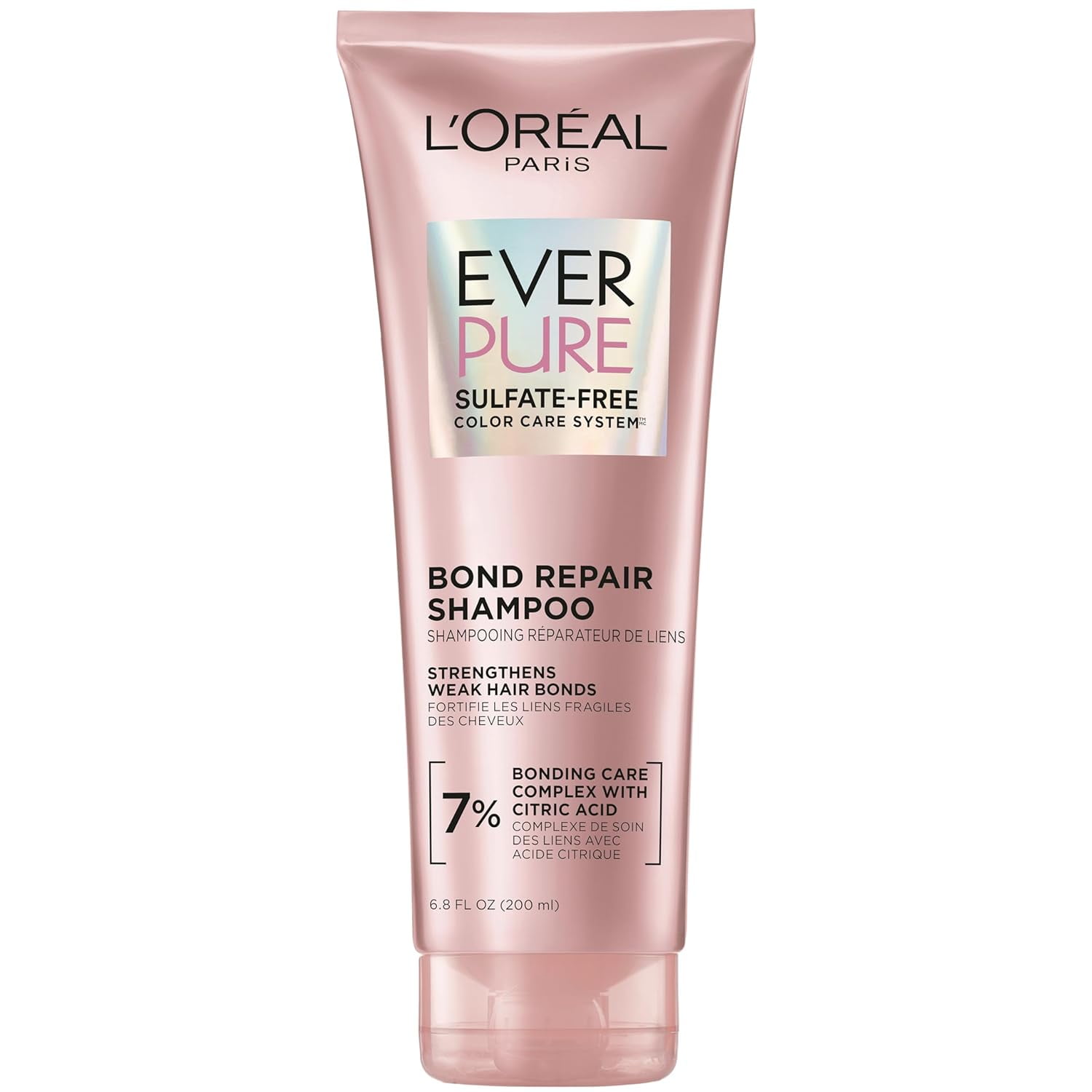
Selecting the single best sulfate-free shampoo for color-treated hair requires balancing gentle cleansing agents with rich moisturizing properties that preserve artificial pigment molecules and reinforce hair fiber integrity. Because harsh surfactants strip color prematurely, a high-performance formula must cleanse the scalp without lifting the hair cuticle or dissolving modern hair dye compounds.
Understanding the Impact of Sulfates on Color-Treated Hair
When investing time and money into professional hair coloring, maintaining that salon-fresh hue depends heavily on your daily washing routine. Traditional shampoos frequently utilize aggressive cleansing agents known as sulfates—most notably sodium lauryl sulfate (SLS) and sodium laureth sulfate (SLES). These powerful detergents are exceptionally effective at removing grease, dirt, and product buildup. However, their high detergency is precisely what makes them problematic for color-treated locks.
Hair color molecules are deposited either inside the cortex or along the outer cuticle layers, depending on whether you use permanent, demi-permanent, or semi-permanent dyes. Sulfates possess a high stripping capacity that forces the hair cuticle open, allowing color molecules to wash down the drain with every lather. Over time, this accelerates fading, alters the intended tone, and leaves hair looking dull or brassy far ahead of your next salon appointment.
Furthermore, sulfates strip the scalp and hair strands of their natural lipid barriers. This leads to chronic dryness, increased frizz, and heightened porosity. High-porosity hair absorbs and loses moisture quickly, which means it also releases artificial pigment much faster than healthy, sealed strands. Transitioning to a sulfate-free shampoo halts this damaging cycle by utilizing milder, plant-derived or amino-acid-based surfactants that lift impurities without disrupting the structural integrity of your color investment.
Key Criteria for Evaluating Color-Safe Cleansers
Identifying top-tier formulations requires a careful examination of ingredient labels, pH levels, and overall performance attributes. Not all sulfate-free shampoos are created equal, and some alternative cleansing agents can still be overly harsh if not properly balanced with conditioning agents.
Surfactant Systems
Instead of SLS, superior color-safe formulas rely on gentle surfactants such as sodium cocoyl isethionate, coco-glucoside, sodium lauroyl methyl isethionate, or disodium laureth sulfosuccinate. These alternatives create a luxurious, creamy lather while respecting the hair's delicate moisture balance and protecting dye pigments from premature oxidation.
pH Balance
The natural pH of human hair and scalp is slightly acidic, typically ranging between 4.5 and 5.5. Highly alkaline shampoos cause the hair cuticle to swell and open, which accelerates color bleeding. The best sulfate-free options are formulated with an acidic pH to seal the cuticle flat, locking in color molecules and imparting natural shine.
Moisture and Strengthening Additives
Color-treated hair often suffers from chemical damage incurred during the lightening or dyeing process. High-performing shampoos incorporate nourishing ingredients such as hydrolyzed vegetable proteins, botanical oils (like argan or marula), ceramides, and humectants like glycerin or hyaluronic acid. These components mend weakened areas along the hair shaft and restore elasticity.
Comparing Top Sulfate-Free Shampoos for Color-Treated Hair
To help navigate the vast array of options on the market, the following comparison highlights leading products categorized by their primary performance strengths, ingredient profiles, and ideal hair types.
| Product Name | Primary Surfactant Type | Key Active Ingredients | Best Suited For | Notable Benefit |
|---|---|---|---|---|
| Olaplex No. 4 Bond Maintenance Shampoo | Sodium Lauroyl Methyl Isethionate | Bis-Aminopropyl Diglycol Dimaleate | Chemically damaged, bleached, or highlighted hair | Rebuilds broken disulfide bonds while cleansing |
| Pureology Hydrate Shampoo | Sodium Cocoyl Isethionate | Jojoba, Green Tea, Sage | Thick, coarse, or exceptionally dry color-treated hair | Maximum moisture retention and anti-fade protection |
| Redken Color Extend Magnetics Shampoo | Disodium Laureth Sulfosuccinate | Amino Ions, Glutamic Acid | Fine to medium color-treated hair | Targeted protein protection to lock in vibrancy |
| R+Co BLEU Essential Anti-Aging Shampoo | Sodium C14-16 Olefin Sulfonate Blend* | Cayenne Flower Extract, Sea Kelp | Mature, brittle, or processed hair | Rejuvenates scalp and hair vitality |
*Note: While some olefin sulfonates are strong, this specific luxury blend is buffered and paired with rich emollients to ensure color safety.
Deep-Dive Review of Leading Formulations
Evaluating these products against real-world performance metrics reveals distinct advantages depending on individual hair needs and processing history.
Olaplex No. 4 Bond Maintenance Shampoo
For hair that has undergone aggressive chemical processing—such as double-process bleaching, balayage, or frequent permanent coloring—structural damage is often the primary concern alongside color fading. Olaplex No. 4 utilizes a patented bond-building molecule (Bis-Aminopropyl Diglycol Dimaleate) that repairs broken disulfide bonds within the keratin structure.
- Performance and Feel: This highly concentrated formula requires only a dime-sized amount to create a rich lather. It leaves the hair feeling remarkably strong, clean, and resilient.
- Color Protection: It is completely sulfate-free, paraben-free, and pH-balanced to ensure color longevity without weighing fine hair down.
- Limitations: Because of its heavy focus on protein and bond-repair, individuals with hair that is sensitive to protein overload may need to alternate with a purely moisture-focused cleanser.
Pureology Hydrate Shampoo
Pureology has long been a gold standard in the professional color-care sector. The Hydrate line utilizes an exclusive AntiFade Complex containing antioxidants and full-spectrum UV filters to protect artificial hair color from environmental degradation and sun bleaching.
- Performance and Feel: Infused with jojoba and green tea, it provides exceptional slip and detangling benefits during the wash cycle. It is particularly effective for thick, coarse, or curly hair textures that crave deep hydration.
- Color Protection: The sulfate-free cleansing base preserves vibrant reds, rich brunettes, and cool blondes alike without causing tonal shifts.
- Limitations: The rich moisturizing agents can feel slightly heavy on fine or limp hair types, which might prefer lighter volume-oriented formulations.
Transitioning to Sulfate-Free Shampoos: What to Expect
Switching from a traditional, sulfate-heavy shampoo to a gentle, sulfate-free alternative involves a brief adjustment period for both your scalp and hair strands.
The Adjustment Phase
Traditional shampoos often strip natural sebum entirely, causing the scalp's sebaceous glands to overcompensate and produce excess oil. When you first switch to a sulfate-free cleanser, your scalp may feel a bit oilier than usual for the first week or two as it recalibrates its natural oil production. Stick with the transition; once regulated, your scalp will achieve a healthier, more balanced state.
Lather Expectations
Sulfates are synthetic foaming agents that produce massive, billowing bubbles. Sulfate-free shampoos utilize milder surfactants that generate a smaller, creamier foam rather than a massive lather. It is important to understand that lather volume does not equal cleaning power. To maximize a sulfate-free shampoo, thoroughly saturate your hair with warm water, emulsify the product in your palms first, and massage it directly into the scalp where oil accumulates.
Common Mistakes to Avoid with Color-Treated Hair
Even the best sulfate-free shampoo cannot protect your color if paired with damaging wash habits or environmental exposures. Avoiding these common pitfalls will maximize the lifespan of your salon color:
- Washing with Hot Water: Scalding hot water lifts the hair cuticle, allowing color molecules to escape rapidly. Always rinse your hair with lukewarm or cool water to seal the cuticle shut.
- Over-Washing: Washing your hair daily strips natural oils and accelerates fading. Aim to wash 2 to 3 times per week, utilizing a dry shampoo between washes if necessary.
- Skipping Heat Protectants: Thermal styling tools like flat irons and curling wands can scorch artificial pigment molecules. Always apply a thermal protectant spray before using heat.
- Ignoring Mineral Buildup: Hard water contains minerals like calcium and magnesium that bond to hair, dulling color vibrancy. Incorporate a clarifying or chelating color-safe treatment once a month if you live in a hard-water area.
Frequently Asked Questions
Do sulfate-free shampoos clean hair as effectively as regular shampoos?
Yes, sulfate-free shampoos clean hair effectively by using alternative surfactants that lift dirt, oil, and product residue without stripping the hair's natural lipid barrier. While they produce less foam, their cleansing efficacy is entirely adequate for daily or routine hygiene.
Can sulfate-free shampoo cure brassy tones in blonde hair?
Standard sulfate-free shampoos cleanse gently and protect color from fading, but they do not deposit neutralizing pigments. If you have blonde or highlighted hair, you should alternate your regular sulfate-free shampoo with a purple shampoo once a week to neutralize unwanted yellow and brassy tones.
How often should I wash color-treated hair to prevent fading?
For most hair types, washing two to three times a week is ideal. This frequency prevents the excessive leaching of color molecules while managing scalp oils and buildup effectively.
Are sulfate-free shampoos safe for chemically straightened or relaxed hair?
Yes, sulfate-free shampoos are exceptionally beneficial for chemically straightened, relaxed, or keratin-treated hair. They prevent the premature breakdown of smoothing treatments and maintain moisture balance in compromised hair fibers.
Why does my hair feel greasier when I first switch to sulfate-free shampoo?
This is a normal part of the scalp's adjustment phase. Because harsh sulfates previously stripped all natural oils, your sebaceous glands were overproducing sebum. Once your scalp adjusts to the milder cleansing agents, oil production will normalize.
Conclusion and Next Actions
Selecting the ideal sulfate-free shampoo for color-treated hair depends heavily on your specific hair texture, porosity, and processing history. If your hair is heavily bleached and structurally compromised, prioritize bond-repairing options like Olaplex No. 4. If your primary concern is severe dryness and environmental protection, nutrient-dense formulas like Pureology Hydrate will yield the best results. To begin your journey, evaluate your hair's primary structural need, purchase a professional-grade sulfate-free formula, commit to washing with lukewarm water, and enjoy longer-lasting, vibrant color.