Choosing the single best mouthwash for gum disease requires looking beyond refreshing minty flavors and marketing claims to evaluate active pharmaceutical and botanical ingredients that target subgingival bacteria, disrupt dental plaque biofilms, and reduce gingival inflammation. While no single mouthwash can replace daily mechanical plaque removal through brushing and interdental cleaning, therapeutic rinses serve as a vital adjunct for managing gingivitis and early periodontitis when selected according to clinical needs.
Understanding Gum Disease and the Role of Therapeutic Mouthwash
Gum disease, encompassing gingivitis and periodontitis, begins with the accumulation of dental plaque—a structured biofilm of bacteria that adheres to tooth surfaces and subgingival margins. When left undisturbed, these bacterial colonies trigger a host immune response, leading to vascular dilation, bleeding gums, epithelial tissue breakdown, and eventual destruction of the periodontal ligament and alveolar bone.
Mechanical hygiene via toothbrushing and flossing remains the gold standard for disrupting this biofilm. However, physical bristles and filaments cannot always reach deep periodontal pockets, interproximal concavities, or furcation involvements. This is where therapeutic mouthwashes play a specialized role. Unlike cosmetic rinses, which temporarily mask halitosis with alcohol and artificial flavorings, therapeutic mouthwashes deliver active antimicrobial or anti-inflammatory agents directly to hard-to-reach oral tissues.
To evaluate these products effectively, dental professionals categorize rinses based on their mechanism of action. Some formulations rely on broad-spectrum biocides that lyse bacterial cell walls, while others utilize metal ions or essential oils to inhibit bacterial metabolism and reduce surface tension, preventing plaque from re-establishing itself on the tooth structure.
Criteria for Evaluating the Top Antigingivitis Mouthwash
When reviewing the 1 best mouthwash for gum disease, several clinical and practical criteria must be satisfied. A rigorous evaluation framework examines the following parameters:
- Active Ingredient Efficacy: The presence of clinically proven antimicrobial agents, such as chlorhexidine gluconate, cetylpyridinium chloride (CPC), essential oils, or stabilized stannous fluoride.
- Biofilm Penetration: The ability of the liquid rinse to flow through viscous saliva, wet oral surfaces, and penetrate interdental and subgingival spaces.
- Safety and Tolerability Profile: The absence of ingredients that cause severe tissue sloughing, mucosal irritation, severe xerostomia (dry mouth), or extrinsic dental staining with long-term use.
- Regulatory Clearance and Clinical Studies: Support from independent clinical trials, acceptance by dental associations like the American Dental Association (ADA), or prescription-grade status for severe pathology.
By weighing these factors, consumers and clinicians can separate over-the-counter maintenance rinses from potent therapeutic agents designed to alter the oral microbiome's pathogenic load.
Comprehensive Review of the Leading Therapeutic Rinses
To determine the premier option, one must analyze the gold standard of prescription rinses alongside the top over-the-counter contenders. The following breakdown contrasts these formulations based on their chemical composition and clinical indications.
Prescription Gold Standard: Chlorhexidine Gluconate 0.12%
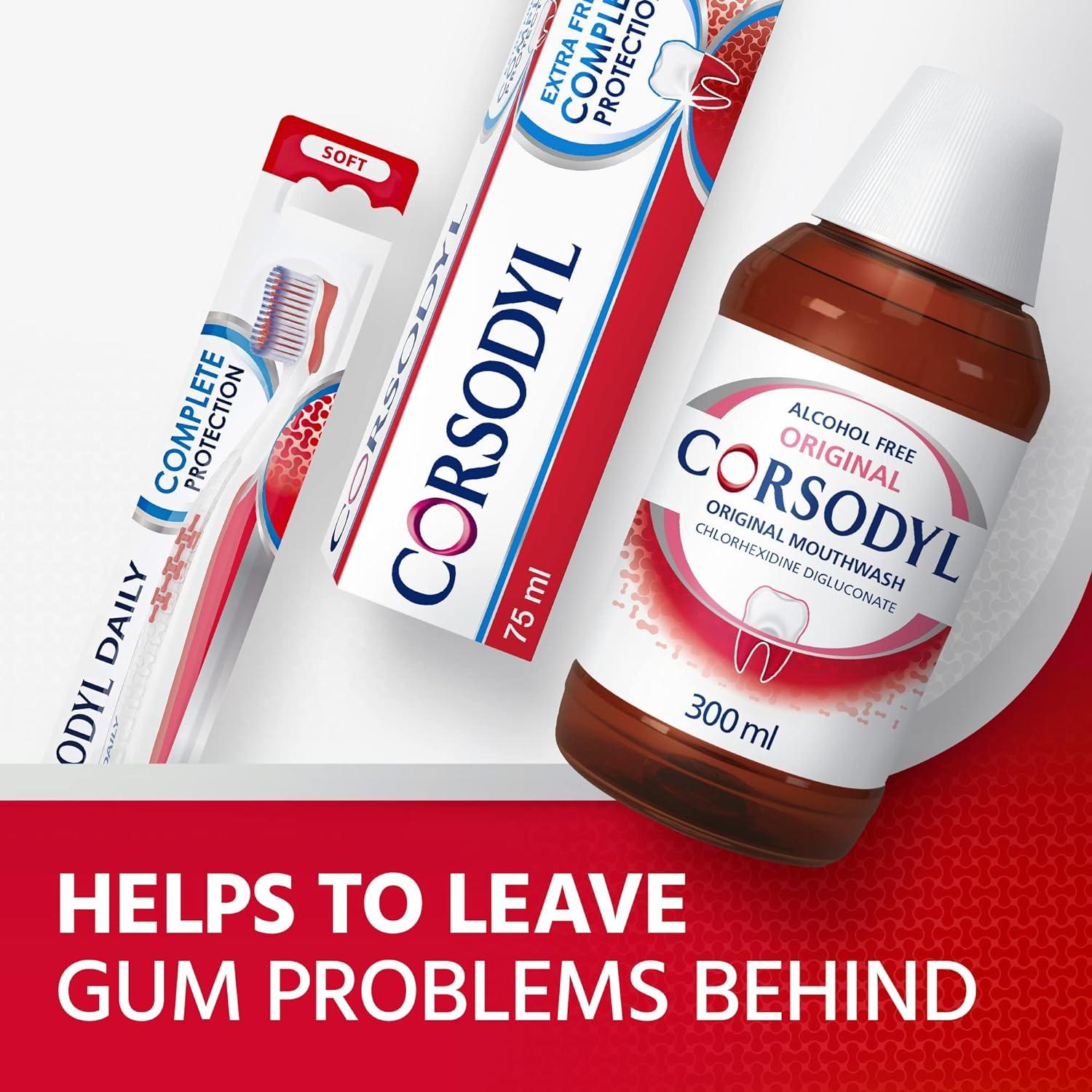
For active, moderate-to-severe gingivitis and post-surgical periodontal maintenance, prescription-strength Chlorhexidine Gluconate 0.12% (commonly sold under brand names like Peridex or Periogard) remains the undisputed clinical benchmark. Chlorhexidine is a cationic bisguanide that binds strongly to negatively charged bacterial cell walls, causing intracellular precipitation, leakage of cellular components, and cell death.
- Mechanism: Broad-spectrum bactericidal and bacteriostatic activity against both Gram-positive and Gram-negative organisms. It also exhibits high substantivity, meaning it binds to oral proteins and hydroxyapatite, releasing slowly over 8 to 12 hours to provide sustained antimicrobial protection.
- Clinical Benefits: Rapidly reduces bleeding on probing (BOP), decreases gingival index scores, and prevents plaque accumulation during initial healing phases following periodontal surgery or scaling and root planing (SRP).
- Drawbacks: Prolonged use (typically beyond two weeks without professional intervention) causes noticeable extrinsic brown staining on teeth, restorations, and the dorsum of the tongue. It can also temporarily alter taste perception and accelerate supragingival calculus formation. Consequently, it is prescribed for short-term interventions rather than lifelong daily use.
Over-the-Counter Leader: Essential Oils Formulation (Listerine Antiseptic)
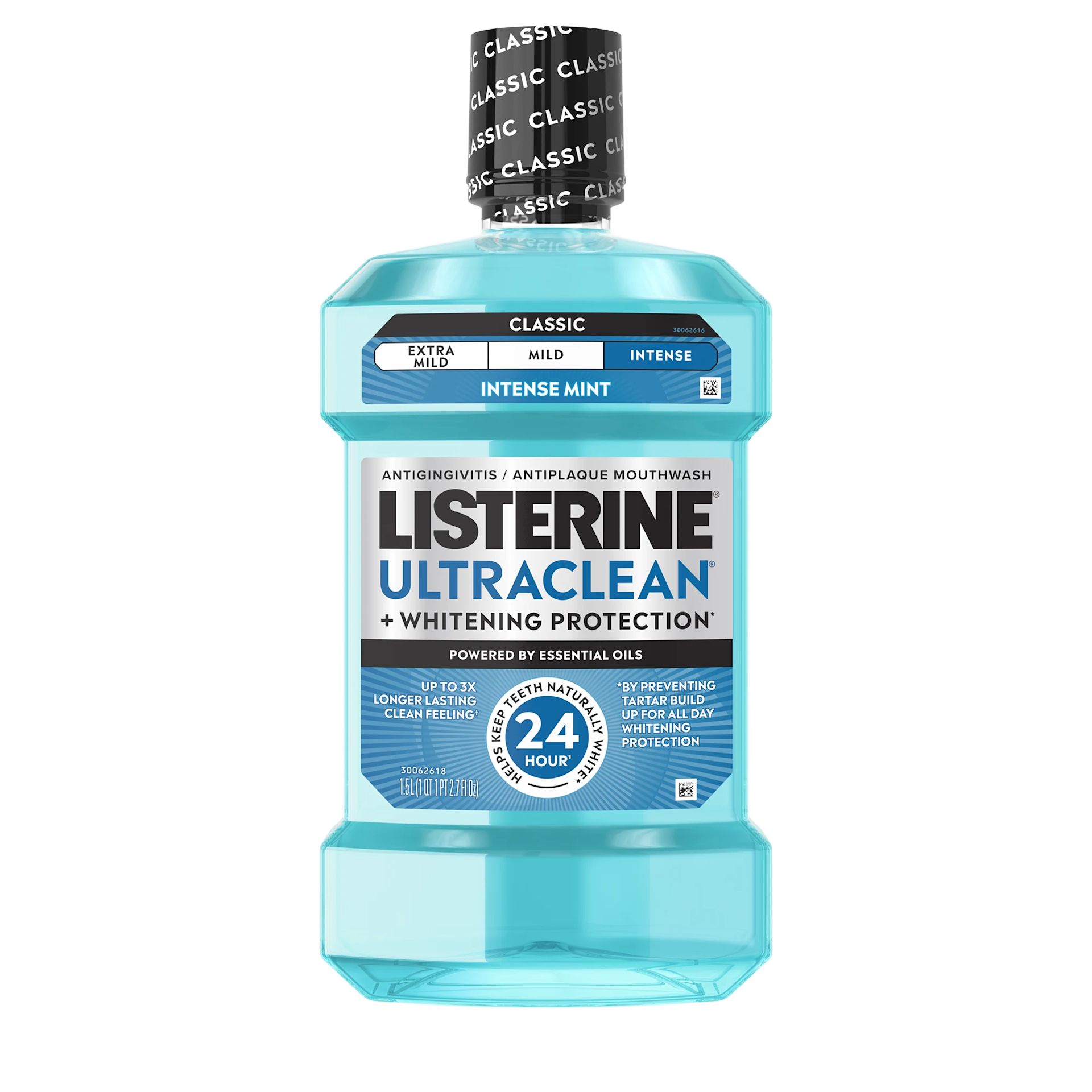
Among non-prescription formulations, essential oil-based mouthwashes—exemplified by original formulation Listerine Antiseptic—possess the strongest body of independent clinical evidence supporting their efficacy against gingivitis.
- Mechanism: A fixed combination of four essential oils: eucalyptol, menthol, methyl salicylate, and thymol. These lipophilic compounds penetrate the bacterial cell wall, disrupt microbial enzymatic activity, and extract endotoxins.
- Clinical Benefits: Proven to reduce plaque and gingivitis comparably to certain prescription regimens when used alongside mechanical hygiene. Because it lacks chlorhexidine's cationic bonding properties, it does not cause staining or alter taste, making it suitable for long-term daily use.
- Drawbacks: The alcohol content (often around 21.6% to 26.9% v/v) can cause an intense burning sensation and contribute to mucosal dryness in individuals with chronic xerostomia. Alcohol-free variants exist, though clinicians debate whether their efficacy matches the ethanol-containing original formulas.
Cetylpyridinium Chloride (CPC) Rinses
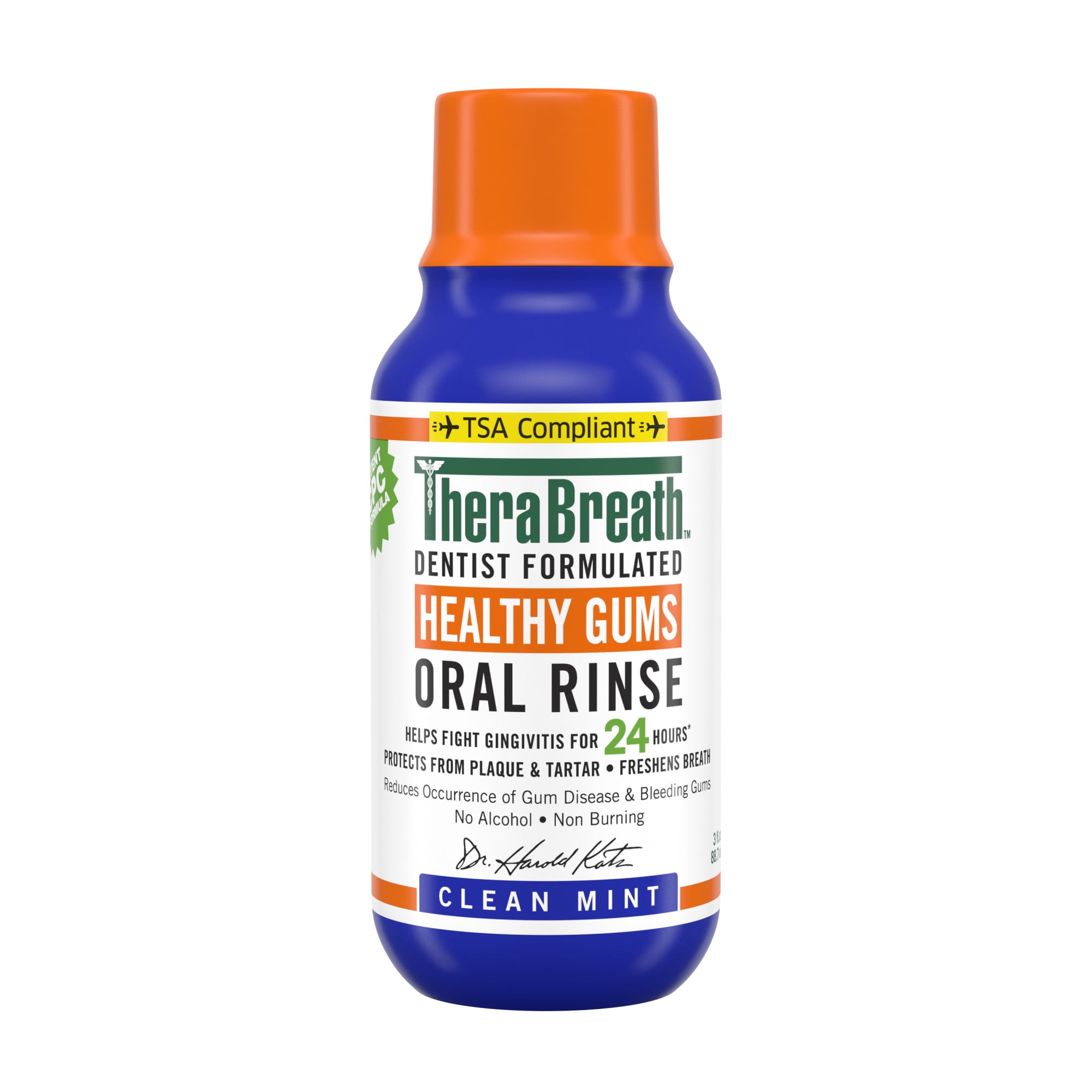
Cetylpyridinium chloride is a quaternary ammonium compound found in many modern over-the-counter antiseptic rinses (such as Crest Pro-Health or Colgate Total).
- Mechanism: Acts as a cationic surface-active agent that alters bacterial membrane permeability, leading to cell lysis.
- Clinical Benefits: Gentle, alcohol-free formulations that effectively reduce mild gingival inflammation and plaque accumulation without burning tissues or causing severe dry mouth.
- Drawbacks: Lower substantivity compared to chlorhexidine; clinical trials suggest it is moderately effective for maintenance but less potent than essential oils or chlorhexidine in treating advanced gingival inflammation.
Comparison of Therapeutic Mouthwashes for Gum Disease
| Product / Ingredient Class | Active Ingredient | Prescription Required? | Primary Clinical Benefit | Notable Side Effects / Limitations |
|---|---|---|---|---|
| Chlorhexidine 0.12% | Chlorhexidine Gluconate | Yes | Maximum plaque reduction, post-surgical healing | Extrinsic staining, taste alteration, calculus buildup |
| Essential Oils | Eucalyptol, Menthol, Thymol, Methyl Salicylate | No | Long-term gingivitis control, broad-spectrum killing | High alcohol content, burning sensation, strong flavor |
| CPC Rinses | Cetylpyridinium Chloride (0.045% - 0.07%) | No | Alcohol-free daily maintenance, reduced mucosal irritation | Moderate efficacy compared to prescription agents |
| Stannous Fluoride | Stabilized Stannous Fluoride | No | Dual action: anti-gingivitis and caries protection | Potential for mild staining if combined with certain foods |
Selecting the Right Mouthwash for Your Specific Clinical Needs
The selection of a mouthwash should be dictated by the severity of the periodontal condition, patient sensitivity, and professional recommendations from a dentist or periodontist.
For individuals undergoing active scaling and root planing, or those recovering from periodontal flap surgery, a short-term course of Chlorhexidine Gluconate 0.12% is typically recommended to suppress residual pathogens during the critical initial healing window. Patients must coordinate with their dental provider regarding the duration of use to mitigate the risk of staining.
For everyday maintenance and long-term prevention of gingivitis in otherwise healthy mouths, an evidence-based over-the-counter rinse—such as an essential oil formulation or an alcohol-free CPC rinse—provides sustainable adjunct care. Patients suffering from dry mouth should strictly avoid alcohol-containing rinses to prevent exacerbating mucosal dehydration, opting instead for specialized moisturizing formulas fortified with fluoride or enzymes.
Common Mistakes and Limitations in Mouthwash Usage
Many consumers misuse mouthwashes, diminishing their therapeutic value or creating secondary oral health issues. Avoiding these pitfalls ensures optimal clinical outcomes:
- Using Mouthwash as a Substitute for Brushing and Flossing: A rinse cannot mechanically dislodge mature, tenacious subgingival plaque biofilms. Rinsing on top of uncleaned teeth leaves the lower layers of plaque protected by extracellular polymeric substances.
- Rinsing Immediately After Brushing: Many toothpastes contain sodium lauryl sulfate (SLS) or fluoride. Rinsing immediately with water or mouthwash can wash away concentrated topical fluoride before it remineralizes enamel. It is often recommended to wait or use mouthwash at a separate time of day (e.g., midday).
- Swallowing the Liquid: Therapeutic mouthwashes contain active pharmaceutical or chemical agents in concentrations not formulated for systemic ingestion. Accidental ingestion, particularly in children, can lead to gastrointestinal distress or alcohol toxicity.
- Ignoring Underlying Systemic Factors: Mouthwash cannot cure gingivitis caused by systemic conditions, such as poorly controlled diabetes mellitus, hormonal fluctuations during pregnancy, blood dyscrasias, or vitamin deficiencies. Comprehensive periodontal care requires addressing both local and systemic etiologies.
Frequently Asked Questions
Can mouthwash cure gum disease entirely on its own?
No. Mouthwash is strictly an adjunct therapy. Gum disease (gingivitis and periodontitis) involves structured bacterial biofilms adhering to root surfaces and pockets below the gumline. Eliminating this disease requires professional mechanical cleaning (scaling and root planing), daily brushing, and interdental cleaning. Mouthwash reduces bacterial load and inflammation but cannot remove physical calculus or deeply embedded plaque on its own.
How long should I use chlorhexidine mouthwash?
Prescription chlorhexidine is generally intended for short-term use, typically ranging from 10 days to 2 weeks, or as specifically directed by a periodontist. Prolonged continuous use beyond professional guidance frequently results in heavy brownish tooth staining, altered taste perception, and accelerated tartar accumulation that requires professional removal.
Is alcohol-free mouthwash as effective as alcohol-based rinses?
For many individuals, alcohol-free rinses provide comparable anti-gingivitis benefits, particularly when formulated with effective active ingredients like essential oils or stabilized cetylpyridinium chloride. While alcohol acts as a solvent and preservative in traditional formulations, alcohol-free versions eliminate the burning sensation and mucosal dryness, making them safer for long-term daily compliance, especially for patients with dry mouth or recovering from oral surgery.
When is the best time of day to use an antiseptic mouthwash?
Antiseptic mouthwash can be used twice daily, ideally at separate times from brushing to maximize the retention of active ingredients on the teeth and gums. Many clinicians recommend using therapeutic rinses after lunch or midday to disrupt bacterial proliferation between morning and evening mechanical hygiene sessions, or following the manufacturer's specific packaging guidelines.
Will mouthwash stop bleeding gums?
If the bleeding is caused by mild gingivitis (inflammation of the marginal gingiva due to plaque accumulation), an antimicrobial mouthwash will help reduce the bacterial load and subsequent bleeding within one to two weeks of consistent use. However, if bleeding persists, it may indicate underlying periodontitis, vitamin deficiencies, or systemic health issues that necessitate a professional clinical evaluation.
Final Recommendation
When addressing gum disease, the definitive choice depends on clinical severity. For acute inflammation, post-surgical care, or advanced gingivitis, consult a dental professional to obtain a short-term prescription for Chlorhexidine Gluconate 0.12%. For long-term daily maintenance, choose an over-the-counter, evidence-backed formulation such as an essential oil rinse or an alcohol-free CPC rinse, always paired with diligent daily flossing and toothbrushing.