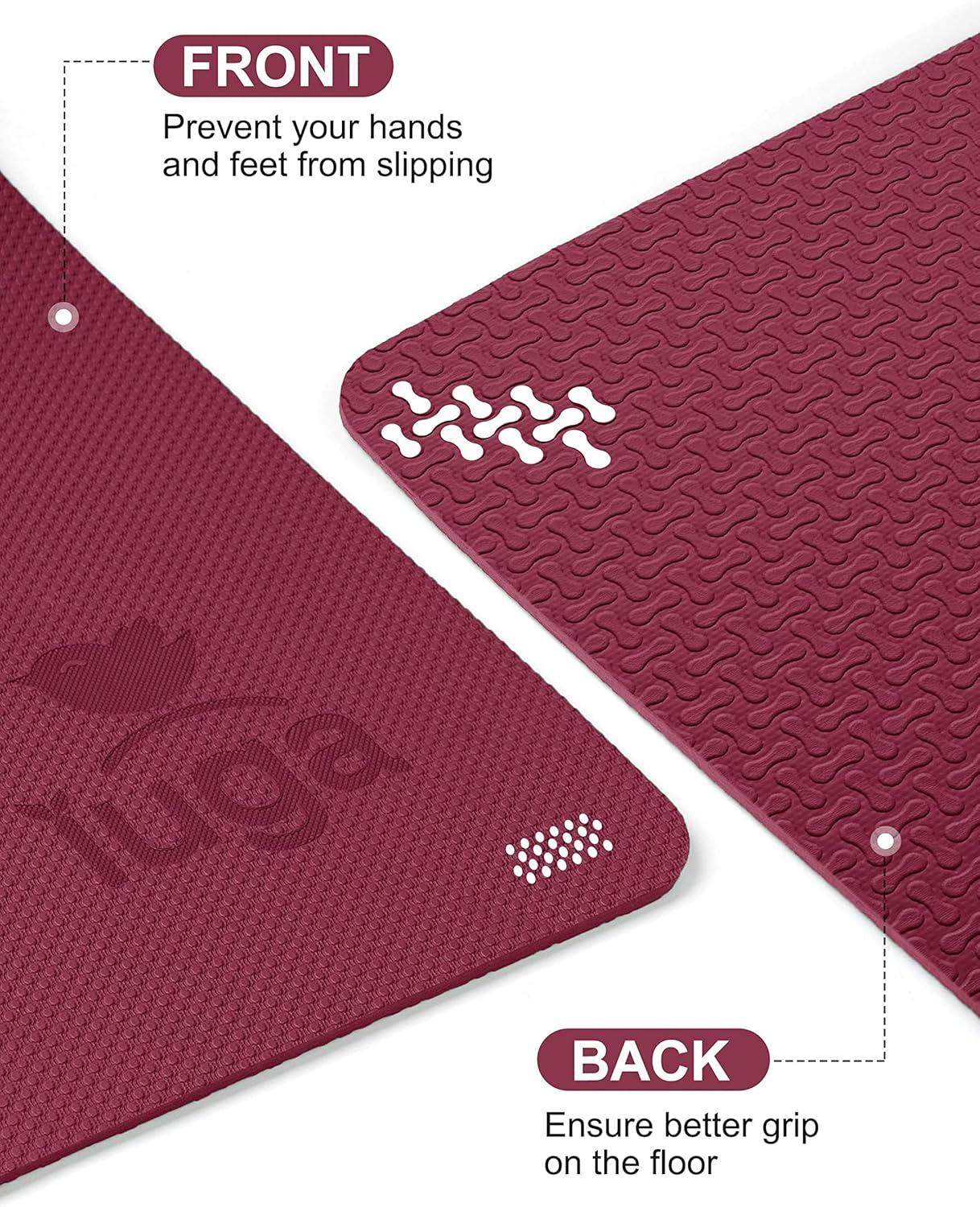
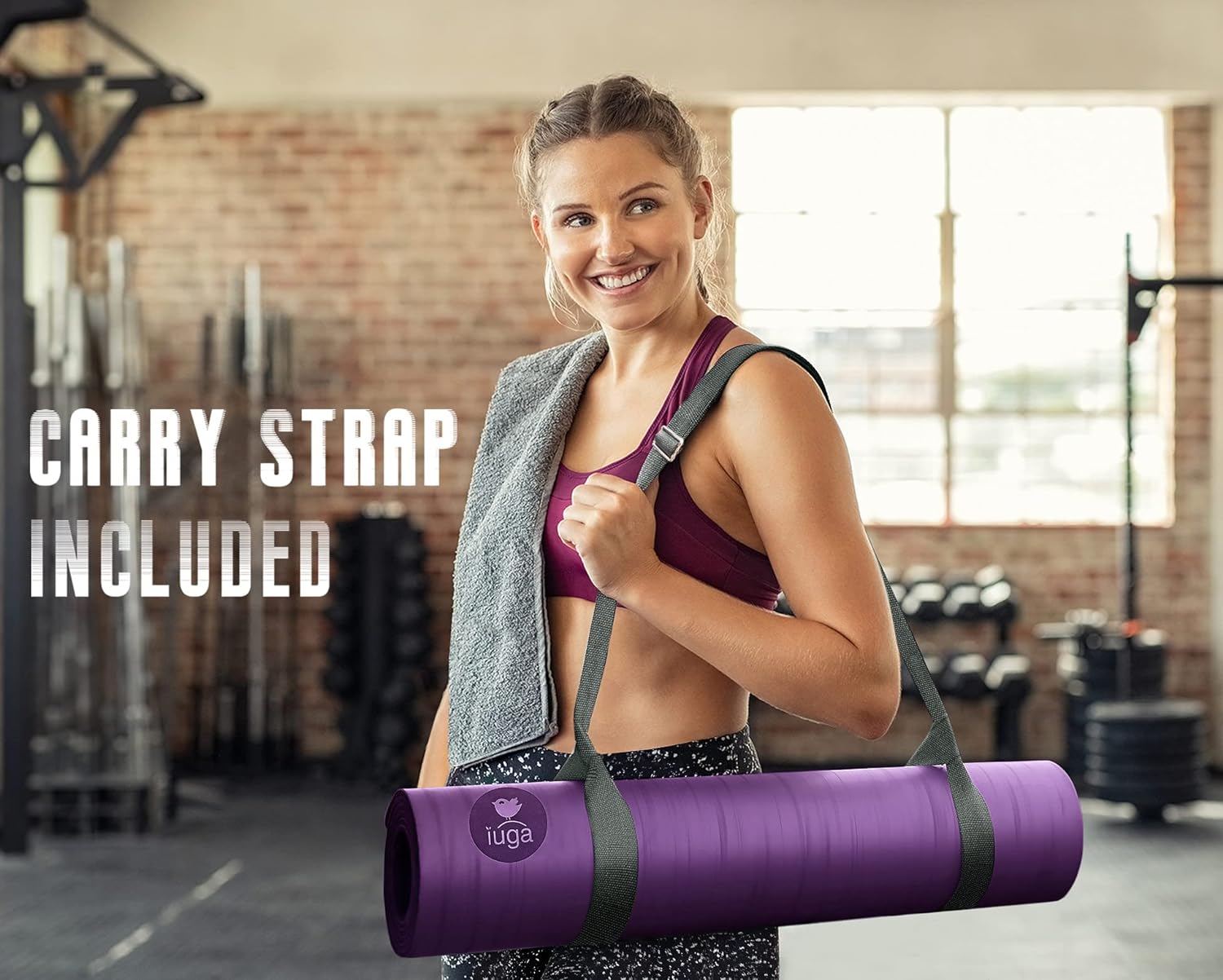
Finding the single best hot yoga mat non slip requires understanding how specialized surface materials interact with intense perspiration and heat. Unlike traditional yoga mats that become dangerously slick when wet, elite hot yoga mats feature open-cell rubber, polyurethane coatings, or moisture-activated micro-textures designed to increase traction as you sweat, ensuring absolute stability during rigorous vinyasa or hot power yoga sessions.
Understanding the Challenges of Hot Yoga Traction
Hot yoga, practiced in rooms heated anywhere from 85°F to 105°F with elevated humidity, creates a uniquely demanding environment for fitness equipment. When your body begins to perspire heavily, standard polyvinyl chloride (PVC) or closed-cell thermoplastic elastomer (TPE) mats quickly transform into slippery surfaces. This loss of friction compromises your alignment, forces you to grip the floor with your toes rather than grounding evenly, and increases the risk of strain in foundational poses like Downward-Facing Dog, Warrior series, and arm balances.
The primary engineering challenge for manufacturers is balancing grip with comfort and durability. A mat that relies entirely on a sticky dry-surface texture will fail immediately once moisture breaks the surface tension. Conversely, an overly absorbent mat can trap moisture, leading to hygiene concerns if it is not cleaned and dried properly. Solving this requires specialized materials that either channel moisture away rapidly, absorb it into a dense core without losing structural integrity, or utilize a top layer that actually becomes grippier when wet.
Key Performance Factors for Non-Slip Hot Yoga Mats
When evaluating the top tier of hot yoga mats, several technical specifications separate exceptional products from standard alternatives. Reviewing these criteria ensures you invest in equipment tailored to your specific practice intensity and physical requirements.
Surface Materials and Grip Technology
The topmost layer dictates how the mat handles sweat. The three most effective non-slip material categories include:
- Polyurethane (PU) Top Layers: Commonly found on high-end performance mats, PU surfaces offer an immediate, almost adhesive grip when dry and provide exceptional traction the moment moisture is introduced.
- Natural Rubber with Textured Finishes: Open-cell natural rubber provides a dense, heavy foundation with natural tackiness. When paired with a textured or pebble-patterned surface, it locks your hands and feet in place.
- Microfiber Top Bonds: Some mats bond a soft microfiber towel layer directly to a rubber base. These require a light spray of water before practice to activate the grip, making them ideal for practitioners who sweat profusely.
Thickness and Joint Support
Hot yoga often involves sustained holds and kneeling postures on hard studio floors. Thickness typically ranges from 3mm to 6mm:
- 3mm to 4mm mats: Offer superior stability and connection to the floor, ideal for balancing postures and dynamic transitions.
- 5mm to 6mm mats: Provide enhanced cushioning for sensitive knees and wrists, though they add weight and slightly reduce ground feedback.
Density and Weight
A heavier mat usually indicates a higher density of natural rubber or supportive core material. While a 5-pound to 8-pound mat is less convenient for commuting on foot or public transit, it stays completely flat on the floor without curling at the edges, preventing frustrating tripping hazards during class.
Comparative Analysis of Elite Hot Yoga Mats
To help navigate the market, the following comparison outlines the structural and performance characteristics of leading non-slip hot yoga mats favored by instructors and practitioners.
| Mat Model | Primary Material | Thickness | Grip Mechanism | Best Suited For |
|---|---|---|---|---|
| Manduka PROlite | Closed-cell PVC | 4.7mm | Mechanical texture & break-in period | Traditionalists seeking long-term durability |
| Liforme Yoga Mat | Natural rubber & Eco-polyurethane | 4.2mm | Moisture-reactive PU & alignment markers | Precision alignment and heavy sweat |
| Lululemon Workout Mat 5mm | Natural rubber base & PU top | 5.0mm | Absorptive rubber & high-traction PU | Cushion seekers and power yoga practitioners |
| Jade Harmony Mat | Open-cell natural rubber | 4.8mm | Natural rubber tackiness | Immediate dry-to-damp grip without coatings |
Evaluating the Top Contenders in Detail
Liforme Yoga Mat: Precision and Reactive Traction
The Liforme mat stands out due to its proprietary eco-polyurethane top layer, which delivers unmatched grip that intensifies as moisture increases. It also features the "AlignForMe" system, an etched alignment guide system that helps practitioners maintain correct positioning during complex sequences. The base consists of sustainably sourced natural rubber, providing a sturdy, eco-friendly foundation.
- Pros: Exceptional wet grip; helpful alignment guides; biodegradable base material.
- Cons: The polyurethane surface is sensitive to body oils and requires regular cleaning with gentle solutions to maintain its tackiness over time.
Lululemon Workout Mat (5mm): Cushion Meets Stability
Designed specifically for sweaty practices, this mat pairs a natural rubber base that anchors firmly to the floor with a thick polyurethane top layer that absorbs sweat quickly. At 5mm thick, it provides generous joint protection without feeling spongy or unstable during balancing poses.
- Pros: Generous cushioning; excellent sweat absorption; does not curl at the corners.
- Cons: Heavier than average; higher price point; requires careful air-drying after class.
Jade Harmony: Pure Natural Rubber Performance
JadeYoga manufactures its mats using sustainably harvested natural rubber tapped from rubber trees, completely avoiding synthetic plastics or toxic plasticizers. The open-cell natural rubber provides immediate, natural friction that grips hands and feet firmly, even without a specialized top coating.
- Pros: Outstanding natural tack; eco-friendly manufacturing; dense and supportive.
- Cons: Open-cell rubber can degrade faster if left in direct sunlight; heavier to carry.
Maintenance and Longevity Practices
Investing in a premium non-slip hot yoga mat requires proper upkeep to preserve its specialized traction properties. Unlike cheap plastic mats that can be ignored, high-performance rubber and polyurethane surfaces demand intentional care.
- Post-Practice Wipe Down: After every hot yoga session, wipe the surface down with a damp microfiber cloth. For polyurethane mats, use water or a manufacturer-recommended cleanser (avoiding harsh chemical sprays, bleach, or oil-based soaps that can break down the surface coating).
- Complete Air Drying: Never roll up a damp hot yoga mat and store it in a dark bag. Moisture trapped against natural rubber or polyurethane can encourage bacterial growth and degrade the bonding agents. Hang the mat or lay it flat to dry completely before storage.
- Sun Protection: Keep natural rubber mats away from direct, prolonged sunlight. Ultraviolet rays break down natural rubber compounds, causing them to dry out, crack, and lose their elasticity.
Common Mistakes to Avoid When Choosing a Hot Yoga Mat
Selecting and using the wrong mat can lead to premature wear and frustrating slippage during your practice. Avoid these common pitfalls:
- Choosing closed-cell PVC for heavy sweat: While classic PVC mats last for decades, standard smooth PVC becomes an ice rink when wet. If you choose a traditional PVC mat, you will almost always need to layer a dedicated yoga towel over the top.
- Using harsh chemical cleaners: Spraying household disinfectants, window cleaners, or essential oil blends directly onto polyurethane or rubber surfaces can strip the protective grip layer permanently. Always check manufacturer guidelines.
- Ignoring weight vs. portability requirements: Buying a thick, ultra-dense 8-pound rubber mat for a cross-town subway commute can quickly become a deterrent to attending classes. Balance your need for stability at home or in the studio with your travel habits.
Frequently Asked Questions
Do I still need a yoga towel if I buy a non-slip hot yoga mat?
Most high-end non-slip mats featuring polyurethane or moisture-activated rubber eliminate the need for a separate yoga towel. These mats are engineered to handle heavy perspiration directly on the surface. However, practitioners who drip rivers of sweat or prefer a softer fabric feel underfoot may still choose to use a lightweight microfiber towel.
Why does my new hot yoga mat feel slippery at first?
Some mats—particularly natural rubber or textured PVC models—require a "break-in period" where manufacturing residues wear away and the material softens slightly. For rubber mats, regular use and gentle cleaning will naturally enhance the grip. For polyurethane mats, the grip should be immediate out of the box.
How do I clean natural rubber without ruining the grip?
Mix a few drops of mild dish soap with warm water in a spray bottle, or use a specialized natural mat wash. Lightly spray the surface and wipe it down with a clean, damp sponge. Rinse the sponge with plain water, wipe the mat again to remove any soap residue, and let it air dry completely flat.
Can I leave my hot yoga mat in a hot car?
No. Extreme heat—such as the interior of a parked car during summer—can warp rubber and polyurethane mats, melt bonding layers, and permanently distort the shape of the mat. Always bring your mat inside after class.
Final Recommendation
For practitioners seeking the absolute best hot yoga mat non slip performance, the Liforme Yoga Mat stands out as the premier choice due to its superior wet-grip polyurethane surface and alignment system. If you prioritize joint cushioning alongside heavy sweat absorption, the Lululemon Workout Mat 5mm provides an ideal balance of comfort and steadfast traction. Assess your primary environment, cleaning habits, and sensitivity needs to select the mat that will support your practice safely for years to come.