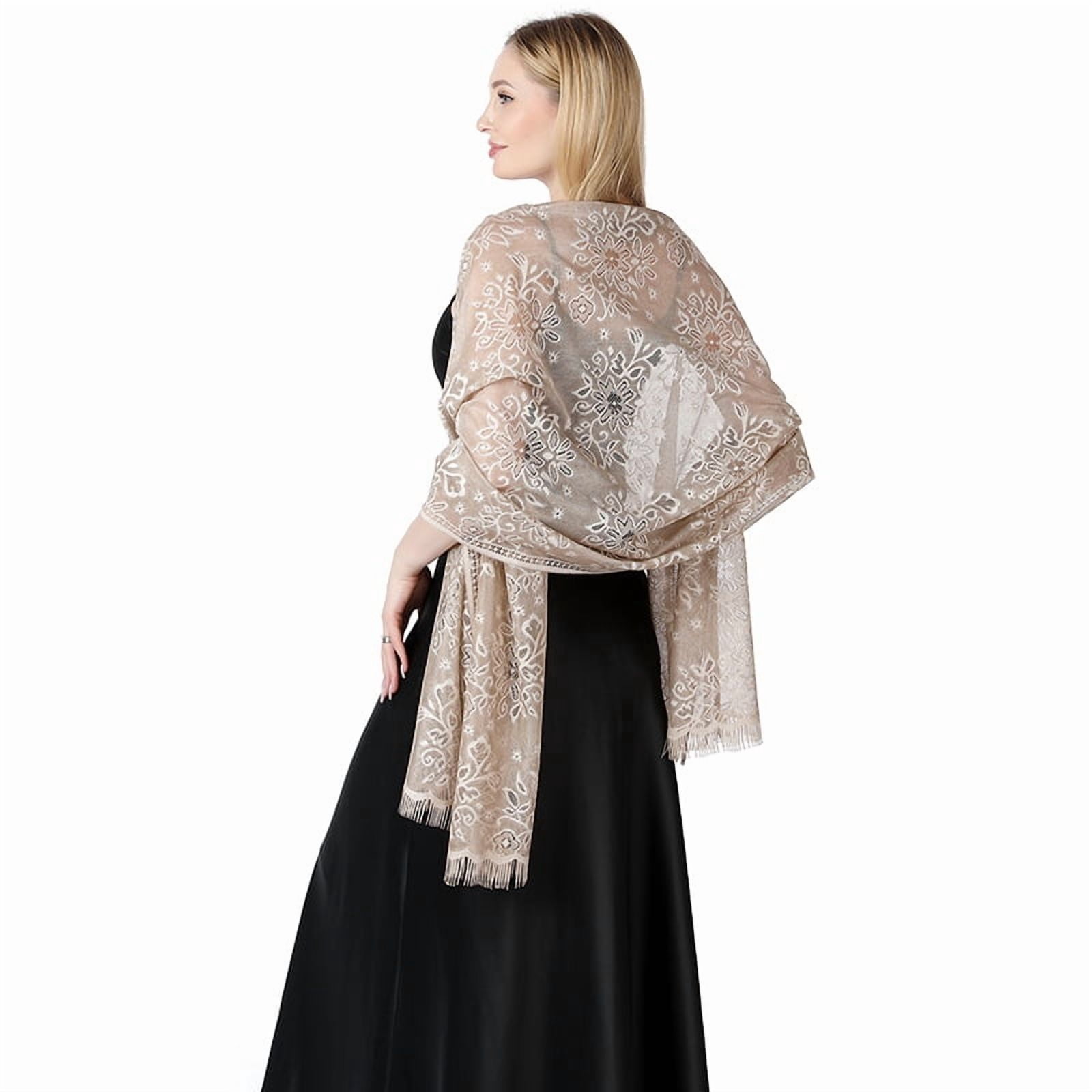
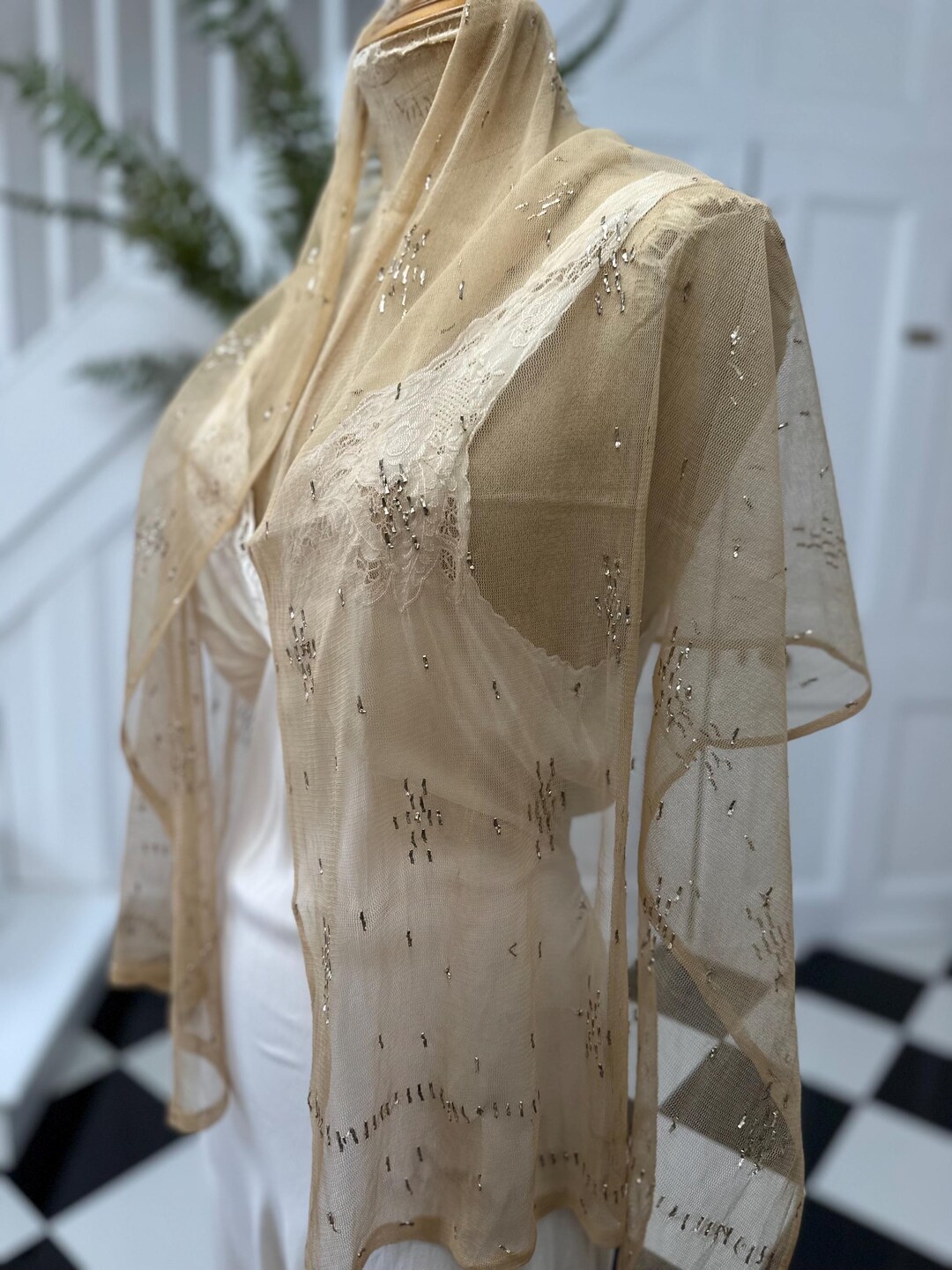
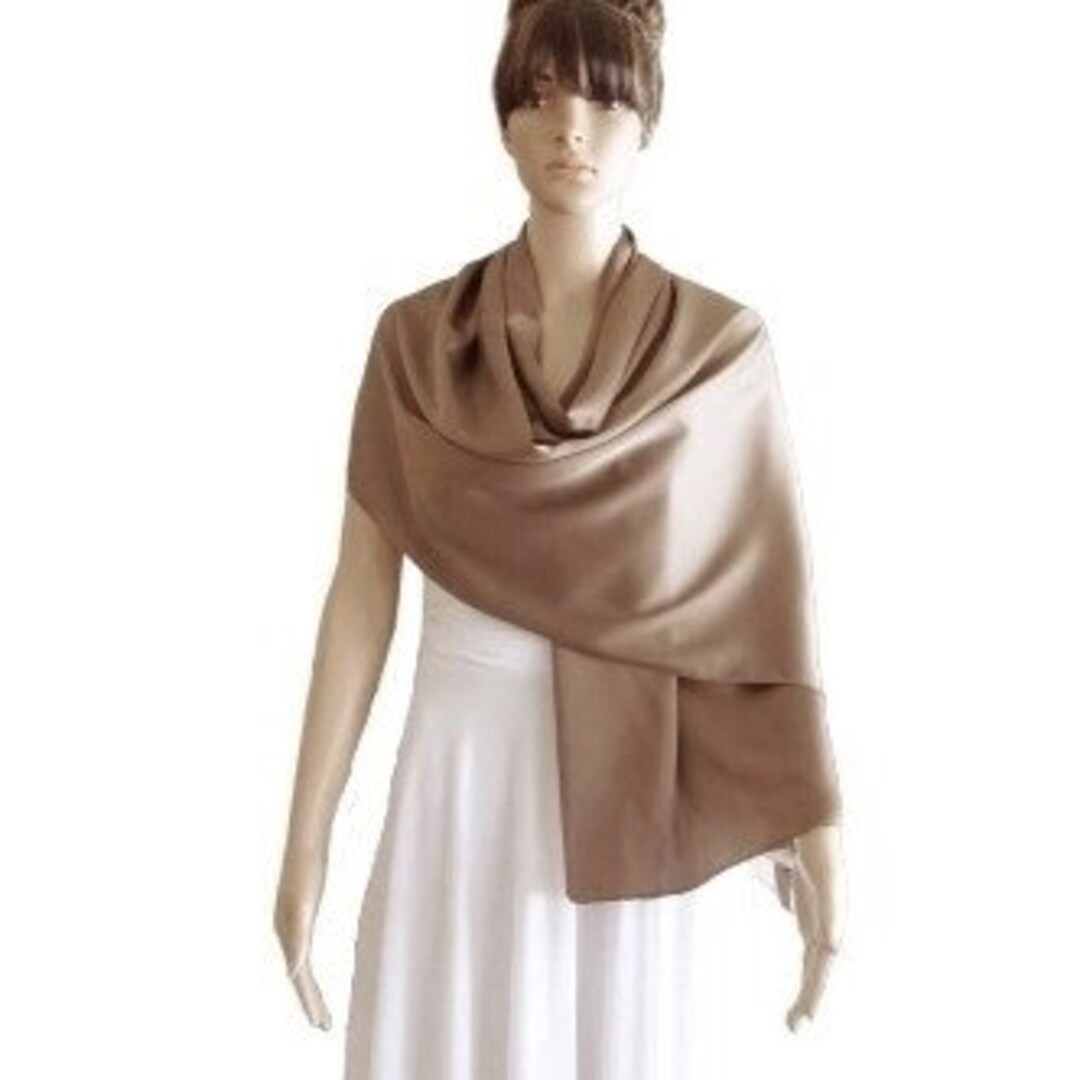
A tan shawl is a versatile accessory that provides warmth and elegance to various dress styles, functioning as a "wardrobe chameleon." Whether you choose cashmere for a winter gala or silk for a summer wedding, the key is matching the tan's undertone—cool or warm—to your dress and skin tone for a cohesive, sophisticated look.
In 2026, the resurgence of "quiet luxury" and the "capsule wardrobe" movement has solidified the tan shawl’s status as a non-negotiable staple. Far from being a boring neutral, tan encompasses a wide spectrum of hues, from the lightest creamy sand to deep, rich camels and earthy taupes. Selecting the right tan shawl for a dress requires an understanding of fabric weight, color theory, and the specific architecture of the garment it will accompany.
Understanding the Tan Color Spectrum
When we speak of "a tan shawl," we are actually referring to a broad family of neutral shades. Choosing the wrong shade can lead to a "washed out" appearance or a clash with the dress's undertones.
Warm vs. Cool Tan Undertones
The most critical step in selection is identifying the undertone of your dress. If you are wearing a warm-toned dress—such as one in olive green, burnt orange, or ivory—you should look for a tan shawl with yellow or gold bases. These are often labeled as "camel," "honey," or "golden beige."
Conversely, if your dress is a cool color—such as navy blue, emerald, or true white—your shawl should have a pink or grey base. These shades are frequently referred to as "taupe," "mushroom," or "sand." In 2026, many designers have introduced "greige" shawls, which blend grey and beige to create a neutral that works across almost the entire color wheel.
Matching Skin Tone
Beyond the dress, the shawl sits closest to your face.
- Fair Skin: Avoid very light beiges that match your skin exactly, as this can make you look nude from a distance. Opt for a darker camel or a tan with rose undertones.
- Medium/Olive Skin: You can wear almost any tan, but "sand" and "biscuit" tones provide a beautiful contrast without competing with your natural warmth.
- Deep Skin: Light creams and high-contrast "caramel" tones look exceptionally striking. Avoid muddy taupes that may appear dull against rich skin tones.
Material Selection: Matching Fabric to Occasion
The fabric of your tan shawl dictates its formality and its function. A chunky knit tan wrap might be perfect for a casual day dress, but it would look out of place over a silk evening gown.
Cashmere and Pashmina
Cashmere remains the gold standard for formal and semi-formal events in 2026. A tan cashmere shawl offers unparalleled softness and a natural matte finish that absorbs light, making it look expensive and understated. Pashmina (a specific type of fine cashmere from the Changthangi goat) is thinner and easier to drape, making it the ideal choice for weddings where you need warmth but don't want to add bulk to a sleek silhouette.
Silk and Satin
For evening wear, specifically gala dresses or black-tie attire, a tan silk shawl provides a luminous sheen. Silk reflects light, which can brighten the face during evening events held under artificial lighting. Many 2026 evening collections feature "shot silk" tan shawls, which incorporate two different thread colors to create a shimmering, multi-dimensional effect that changes as the wearer moves.
Linen and Cotton Blends
For daytime summer dresses, a heavy wool or silk shawl is often too much. A tan linen-blend shawl provides a structured, breathable layer. Linen has a natural texture that pairs well with cotton sundresses or floral prints. In 2026, sustainable hemp-cotton blends in natural tan dyes have become increasingly popular for outdoor garden parties and beach weddings.
Draping and Styling Techniques for Every Silhouette
How you wear the shawl is just as important as the shawl itself. The goal is to complement the dress's neckline and waistline rather than hiding them.
The Classic Hollywood Shoulder Drape
This is the most formal way to wear a tan shawl with a dress. Simply drape the shawl over your shoulders, letting the ends hang evenly in front. This works best with strapless, sweetheart, or off-the-shoulder necklines. It provides modest coverage for church ceremonies while still showing off the front of the dress.
The Belted Wrap
For dresses with a defined waistline (like A-line or fit-and-flare styles), draping a tan shawl over your shoulders and then securing it with a thin waist belt creates a sophisticated, "poncho-like" look. This prevents the shawl from slipping and adds a layer of structural interest to a simple dress.
The One-Shoulder Toss
If you are wearing a sleeveless or high-neck sheath dress, try the asymmetrical approach. Drape the shawl over one shoulder and let the other end hang across your back. This creates a dynamic, modern silhouette that is particularly popular in 2026 street style and semi-formal settings.
The "Faux-Sleeve" Knot
If your dress is sleeveless and you are self-conscious about your arms, you can wrap the shawl around your back and tie the ends loosely at your elbows. This creates a "capelet" effect that provides coverage while keeping your hands free for cocktails or greeting guests.
Comparison of Common Tan Shawl Materials
When deciding on a purchase in 2026, consider this comparison to ensure the material matches your specific needs for the event.
| Material | Best Season | Formality Level | Durability | Typical Weight |
|---|---|---|---|---|
| Cashmere | Fall/Winter | High | Medium (Pills easily) | Heavy/Warm |
| Pashmina (Wool) | Spring/Fall | Medium to High | High | Medium |
| Silk/Satin | Year-round | Formal | Low (Snags easily) | Light/Cool |
| Linen/Cotton | Summer | Casual to Semi-Formal | High | Lightweight |
| Acrylic/Poly | Year-round | Casual | Very High | Variable |
Coordinating Tan with Popular Dress Colors
A tan shawl is technically a neutral, but some color pairings are more effective than others.
Tan and Black
This is a classic "Parisian" combination. A camel-colored shawl over a little black dress (LBD) breaks up the darkness and adds a touch of warmth. For a 2026 professional look, choose a structured tan wrap with a black cocktail dress. Ensure the tan is saturated enough so it doesn't look like a faded white.
Tan and Navy Blue
Navy and tan is one of the most sophisticated pairings in fashion. The warmth of the tan balances the coolness of the navy. This is a favorite for 2026 nautical-themed events and corporate galas. A light "sand" tan works best with dark navy.
Tan and Jewel Tones
Emerald green, ruby red, and sapphire blue all pop beautifully against a tan background. Because jewel tones are so "loud," a tan shawl acts as a grounding element, preventing the outfit from becoming overwhelming.
Tan and White/Cream
Known as "monochromatic layering," wearing a tan shawl over a white or cream dress is the height of the "quiet luxury" aesthetic. This works best when you mix textures—for example, a chunky tan wool shawl over a sleek cream silk slip dress.
Quality Indicators: What to Look for in 2026
When shopping for a tan shawl, price is not always the best indicator of quality. In 2026, fabric technology has advanced, but the basics of construction remain the same.
- The "Squeeze" Test: Bunch the shawl in your hand for ten seconds. High-quality wool and silk should spring back with minimal wrinkling. If it stays crushed, it likely contains high levels of cheap synthetic fillers.
- Edge Finishing: Look at the hems or fringe. A high-quality shawl will have hand-rolled edges or securely knotted fringe. Frayed edges or loose threads are signs that the shawl will fall apart after a few wears.
- Light Transparency: Hold the shawl up to the light. The weave should be consistent. If you see patches of thinning or irregular gaps, the shawl was poorly woven and may develop holes.
- Dye Consistency: Tan can be a difficult color to dye evenly. Check the shawl under natural light to ensure there are no streaks or "hot spots" where the color is deeper in some areas than others.
Care and Maintenance for Longevity
To ensure your tan shawl remains a staple through 2026 and beyond, proper care is essential. Neutral colors show stains—especially oil and makeup—more readily than darker shades.
- Cleaning: Most tan shawls, especially cashmere and silk, should be dry cleaned or hand-washed in cool water with a dedicated wool/silk detergent. Never put a shawl in a standard dryer, as the heat will shrink the fibers and destroy the "hand" (feel) of the fabric.
- Storage: Store shawls folded rather than on hangers. Gravity can stretch the fibers over time, leading to a distorted shape. In 2026, many experts recommend storing high-end shawls in breathable cotton bags to prevent moth damage and dust accumulation.
- Pilling: If your tan wool shawl begins to pill (small balls of fuzz), use a dedicated fabric comb or a battery-operated lint remover. Avoid using scissors or razors, which can easily nick the fabric.
Common Mistakes to Avoid
Even with a versatile item like a tan shawl, there are pitfalls that can ruin the aesthetic of your dress.
- Overwhelming the Silhouette: If you are wearing a very voluminous dress, a massive tan blanket scarf will make you look "lost" in fabric. Stick to a thinner pashmina.
- Clashing Hardware: If your shawl has metallic threads or a clasp, ensure it matches your jewelry. A tan shawl with gold-threaded embroidery will clash with silver necklaces or earrings.
- Ignoring the Occasion: Wearing a tan linen shawl to a black-tie wedding is a common error. Even if the color is perfect, the "rough" texture of linen is too casual for a ballroom.
- The "Nude" Mistake: If the tan is too close to your skin tone and the shawl is sheer, it can look like you are wrapped in a bandage or are partially unclothed from a distance. Always opt for a tan that is at least two shades lighter or darker than your skin.
Frequently Asked Questions
Can I wear a tan shawl with a gold dress?
Yes, but you must be careful. Since tan and gold share similar warm undertones, they can blend together. To make this work, choose a tan shawl that is significantly more matte than the dress. A matte tan pashmina provides a beautiful texture contrast against a shimmering gold sequin or metallic dress.
Is a tan shawl appropriate for a wedding?
Absolutely. Tan is one of the most socially acceptable colors for wedding guests because it does not compete with the bride’s white dress. It is considered elegant, respectful, and timeless. For a wedding, a tan pashmina or silk wrap is usually the best choice.
How do I keep my shawl from slipping off my shoulders?
Aside from belting it, you can use a "shawl pin" or a decorative brooch to secure the ends. In 2026, magnetic shawl clips have become a popular alternative, as they hold the fabric in place without leaving pinholes in delicate silk or cashmere.
Does a tan shawl work for a funeral?
While black is traditional, tan is considered an acceptable "somber neutral" in many cultures, especially when paired with a black or navy dress. It is a soft, respectful color that provides warmth in cold chapels without being flashy.
What is the best way to travel with a tan shawl?
Roll the shawl instead of folding it to minimize deep creases. A tan cashmere shawl is an excellent travel companion because it can double as a blanket on a plane and then be styled over a dress for dinner once you arrive at your destination.
Final Recommendation
When selecting a tan shawl for a dress in 2026, prioritize versatility and fabric quality. If you only buy one, choose a mid-weight tan pashmina in a "camel" or "taupe" shade that complements your skin's undertone. This single accessory will serve you across seasons, transitioning effortlessly from a shoulder-covering at a summer wedding to a warm layer over a winter cocktail dress. Always check the garment care label before cleaning to ensure the fibers remain soft and the color stays true for years to come.