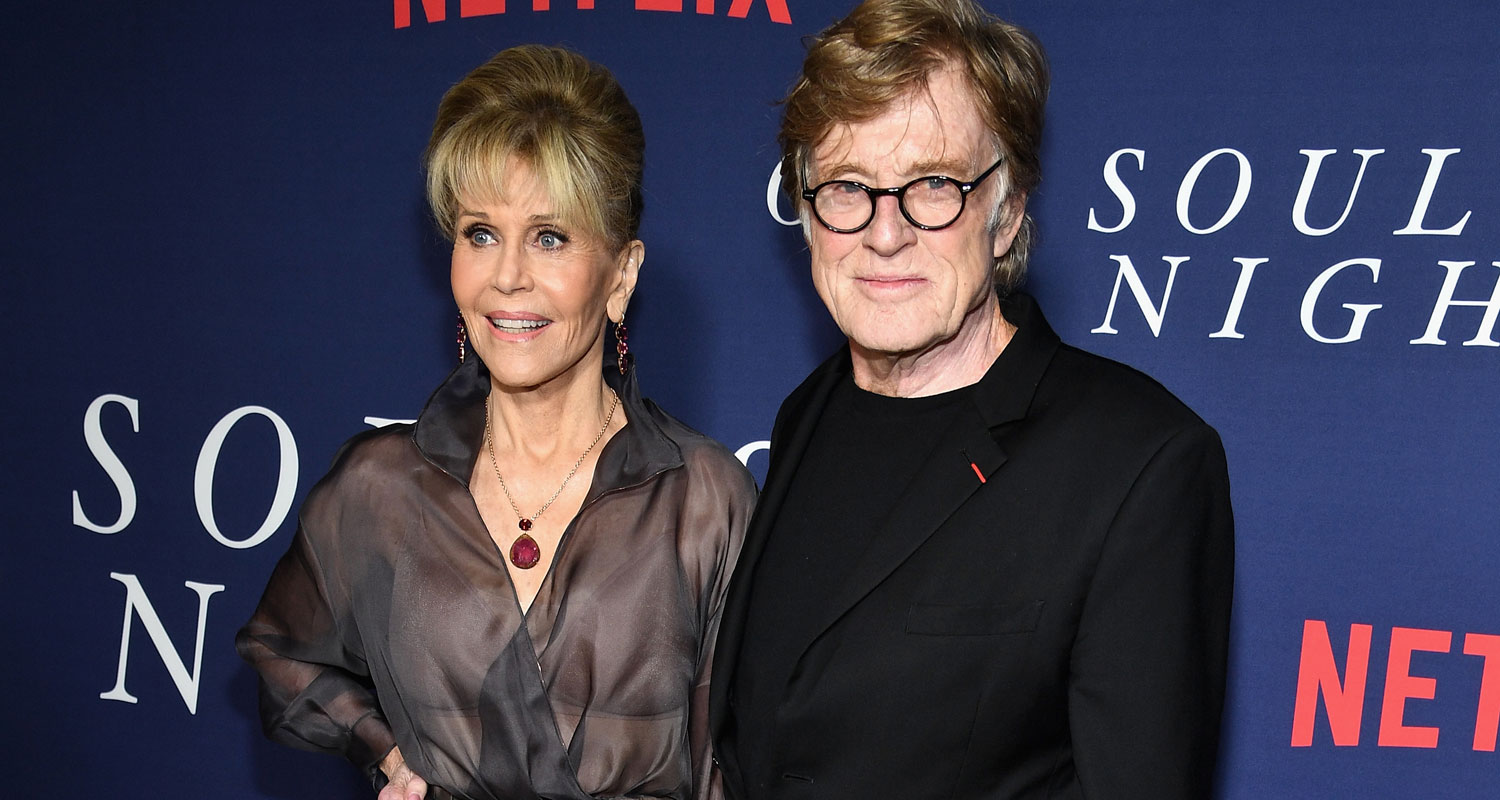
Jane Fonda and Robert Redford have shared a cinematic partnership spanning over five decades, starring together in four major feature films: The Chase (1966), Barefoot in the Park (1967), The Electric Horseman (1979), and Our Souls at Night (2017). Their collaboration is defined by a natural, evolving chemistry that transitioned from youthful romanticism to a poignant exploration of aging and companionship.
The pairing of Jane Fonda and Robert Redford represents one of the most enduring professional relationships in Hollywood history. As of 2026, their work continues to be studied by film historians and enjoyed by audiences for its authenticity and the visible mutual respect between the two icons. While many actors find a "rhythm" together for a single project, Fonda and Redford managed to capture the zeitgeist of four different decades, reflecting the changing social norms and emotional landscapes of American life.
The Genesis of a Cinematic Duo: The 1960s
The 1960s served as the foundational decade for the Fonda-Redford pairing. This era saw them transition from rising stars to established Hollywood royalty. Their first two films together established a dynamic of the "straight-laced" man being challenged or supported by the "free-spirited" woman—a trope they would later subvert in their final collaboration.
The Chase (1966): An Intense Beginning
While often overlooked in favor of their later rom-com success, The Chase was the first significant onscreen meeting of Fonda and Redford. Directed by Arthur Penn and featuring a screenplay by Lillian Hellman, this Southern Gothic drama presented a stark contrast to the lighthearted fare audiences would soon associate with the pair.
In The Chase, Redford plays Bubber Reeves, an escaped convict whose return to his hometown ignites a powder keg of violence and social tension. Fonda portrays Anna Reeves, Bubber's wife, who is caught between her loyalty to her husband and an affair with the son of the town's wealthy tycoon.
Technical Analysis of Performances: Even in this early stage, the screen presence of both actors was undeniable. Redford’s Bubber is a brooding, largely silent figure—a precursor to the "strong, silent type" he would perfect later in his career. Fonda provides the emotional volatility required to drive the plot. This film is essential for understanding their chemistry because it lacks the "meet-cute" safety of a romantic comedy; instead, it relies on a raw, desperate connection that proved they could handle heavy dramatic material together.
Barefoot in the Park (1967): The Definitive Pairing
If The Chase proved they could act together, Barefoot in the Park proved they were stars together. Based on the hit play by Neil Simon, the film is a masterclass in the "opposites attract" romantic comedy subgenre. Redford reprised his Broadway role as Paul Bratter, a conservative, buttoned-up lawyer, while Fonda played Corie Bratter, his impulsive, exuberant new bride.
The film's success relied entirely on the believability of their physical and emotional attraction. The cramped Greenwich Village walk-up apartment served as a pressure cooker for their conflicting personalities. Fonda’s performance was characterized by a physical lightness and infectious energy, while Redford played the "straight man" with impeccable comedic timing.
Cultural Impact: Barefoot in the Park solidified the image of the "all-American couple." It arrived at a time when the "Counterculture" was beginning to bloom, and the film gently poked fun at the friction between traditionalism and the new, liberated spirit of the 1960s. The film was a massive commercial success and remains a staple of romantic cinema.
The 1970s and The Electric Horseman (1979)
By the late 1970s, both Fonda and Redford had become major political activists and Academy Award winners. Their third collaboration, The Electric Horseman, directed by Sydney Pollack, reflected this maturity. The film moved away from the domesticity of the 1960s and into the realm of social commentary and corporate skepticism.
Plot and Character Dynamics
In The Electric Horseman, Redford plays Sonny Steele, a former rodeo champion who has become a drunken corporate shill for a breakfast cereal company. Fonda plays Hallie Martin, a sharp, cynical investigative journalist who senses a story when Sonny steals a multimillion-dollar horse (Rising Star) to release it into the wild.
The power dynamic in this film is significantly more balanced than in their earlier work. Hallie is Sonny's intellectual equal, and their romance develops through shared purpose rather than just physical attraction. The film is essentially a "road movie," allowing for long scenes of dialogue that highlight the natural shorthand the two actors had developed over the previous 13 years.
The Evolution of Chemistry
What makes The Electric Horseman technically interesting is the shift in Fonda's acting style. By 1979, she had won two Oscars (Klute and Coming Home) and had moved away from the "ingenue" roles of the 60s. Her interaction with Redford here is grounded and professional, yet the underlying romantic tension provides the film's heartbeat. It was the last time they would appear together for nearly 40 years, marking the end of their era as Hollywood's primary romantic leads.
The Decades-Long Hiatus and the 2017 Reunion
The gap between 1979 and 2017 is one of the most significant in Hollywood history for a recurring screen duo. During these 38 years, both actors continued to shape the industry—Redford through the Sundance Institute and his directing career, and Fonda through her diverse acting roles and lifestyle ventures.
Our Souls at Night (2017): A Final Act
The reunion finally occurred with the Netflix original film Our Souls at Night, directed by Ritesh Batra. Based on the novel by Kent Haruf, the film is a quiet, contemplative look at loneliness and late-life companionship.
Fonda and Redford play Addie Moore and Louis Waters, two neighbors who have both been widowed for years. Addie approaches Louis with a proposition: she wants him to come over to her house at night, not for sex, but just to talk and sleep side-by-side to combat the crushing silence of their lives.
Themes of Aging: The film serves as a beautiful bookend to Barefoot in the Park. While the 1967 film was about the frantic, passionate beginning of a relationship, Our Souls at Night is about the peaceful, necessary comfort of a relationship in its twilight. The technical depth here lies in the "silences." Both actors, now in their 80s at the time of filming, utilized their history to convey a sense of long-term familiarity. When they sit on a porch or lie in bed talking, the audience isn't just seeing Addie and Louis; they are seeing the ghosts of Paul and Corie Bratter, aged and wise.
Comparison of Jane Fonda and Robert Redford Collaborations
The following table provides a comparative overview of the four primary films starring both Jane Fonda and Robert Redford, highlighting their roles and the critical context of each release.
| Year | Film Title | Genre | Fonda’s Role | Redford’s Role | Primary Theme |
|---|---|---|---|---|---|
| 1966 | The Chase | Drama/Thriller | Anna Reeves | Bubber Reeves | Social injustice and small-town corruption |
| 1967 | Barefoot in the Park | Romantic Comedy | Corie Bratter | Paul Bratter | The trials of early marriage and personality clashes |
| 1979 | The Electric Horseman | Adventure/Drama | Hallie Martin | Sonny Steele | Corporate greed versus individual integrity |
| 2017 | Our Souls at Night | Drama/Romance | Addie Moore | Louis Waters | Loneliness, aging, and the need for human connection |
Analyzing the "Fonda-Redford" Alchemy
Why does this specific pairing work? To understand the technical depth of their collaboration, one must look at their contrasting acting methods.
Robert Redford is often described as a "reactive" actor. His performances are characterized by listening and internalizing. He possesses a certain stillness that can be interpreted as mystery or strength. Jane Fonda, conversely, is a "proactive" actor. She is often the engine of the scene, providing the energy, the movement, and the emotional cues.
When these two styles meet, they create a perfect equilibrium. In Barefoot in the Park, Fonda’s high energy bounces off Redford’s stoic resistance, creating comedy. In Our Souls at Night, Fonda’s vulnerability is met by Redford’s steady, quiet support, creating pathos.
Furthermore, their real-life friendship has been cited by both actors as the key to their onscreen success. In various interviews, Fonda has been candid about her "crushes" on Redford during their younger years, while Redford has consistently praised Fonda’s work ethic and intellect. This mutual admiration translates into a visible comfort level; they are never "competing" for the camera, but rather supporting each other’s performance.
Practical Guidance for Viewers
For those looking to explore these films in 2026, the following sequence is recommended to fully appreciate the evolution of their partnership:
- Start with "Barefoot in the Park": This establishes the "ideal" version of the duo. It is the easiest entry point and showcases them at the height of their physical beauty and comedic prowess.
- Follow with "The Electric Horseman": This provides the necessary transition into their more serious, socially conscious years. It acts as a bridge between the youth of the 60s and the maturity of their later work.
- Watch "Our Souls at Night": This should be viewed after the first two to maximize the emotional payoff. Seeing them together as elderly individuals is far more impactful when the viewer has the context of their younger chemistry.
- Finish with "The Chase": This is best saved for last as an "origins" piece. It is the most tonally different and allows viewers to see the raw potential they had before they were a polished "brand."
Where to Watch
Most of these titles are available on major streaming platforms. As of 2026, Our Souls at Night remains a Netflix exclusive. Barefoot in the Park and The Electric Horseman are frequently available on platforms like Paramount+ or for digital rental. The Chase can often be found on specialty classic film services or through physical media collections.
Frequently Asked Questions
How many movies did Jane Fonda and Robert Redford make together?
They starred in four major feature films together: The Chase (1966), Barefoot in the Park (1967), The Electric Horseman (1979), and Our Souls at Night (2017). They also both appeared in the 1960 film Tall Story, though Redford had an uncredited, minor role as a basketball player while Fonda was the lead.
Did Jane Fonda and Robert Redford ever date in real life?
No, they never officially dated. While Jane Fonda has frequently joked in interviews about being "in love" with Redford during filming and having a crush on him for decades, they maintained a strictly professional and platonic relationship. Their chemistry was a result of deep friendship and mutual artistic respect.
What is the highest-rated movie featuring both actors?
Critically, Barefoot in the Park and Our Souls at Night tend to hold the highest ratings. Barefoot in the Park is considered a classic of the romantic comedy genre, while Our Souls at Night received high praise for its mature performances and currently holds an "89% Fresh" rating on Rotten Tomatoes.
Why was there such a long gap between their movies?
The 38-year gap between The Electric Horseman (1979) and Our Souls at Night (2017) was largely due to their diverging career paths. Redford focused heavily on directing and the Sundance Film Festival, while Fonda took a hiatus from acting in the 1990s before returning in the mid-2000s. They simply didn't find the right project that required their specific pairing until the adaptation of Our Souls at Night.
Which director worked with them the most?
Interestingly, they did not have a "signature" director who paired them multiple times. Each of their four films was directed by a different person: Arthur Penn, Gene Saks, Sydney Pollack, and Ritesh Batra. However, Robert Redford worked very closely with Sydney Pollack on seven other films throughout his career.
Final Recommendation
To truly understand the legacy of Jane Fonda and Robert Redford, one must view their filmography not just as individual movies, but as a long-form narrative of human connection. Their work teaches us that chemistry doesn't disappear with age; it simply changes its shape. Whether they are running through a park in New York or sitting quietly in a bedroom in Colorado, the "spark" remains the same. For any student of cinema or fan of romantic dramas, a weekend marathon of these four films is a necessary and rewarding experience.