When facing a life-altering injury in South Florida, securing qualified legal representation is essential for navigating the complex Florida civil justice system. A catastrophic injury lawyer in Miami specializes in high-stakes personal injury claims involving severe, permanent disabilities or long-term medical requirements, ensuring that victims obtain the necessary financial resources to cover lifetime care, lost wages, and pain and suffering.
Understanding Catastrophic Injuries Under Florida Law
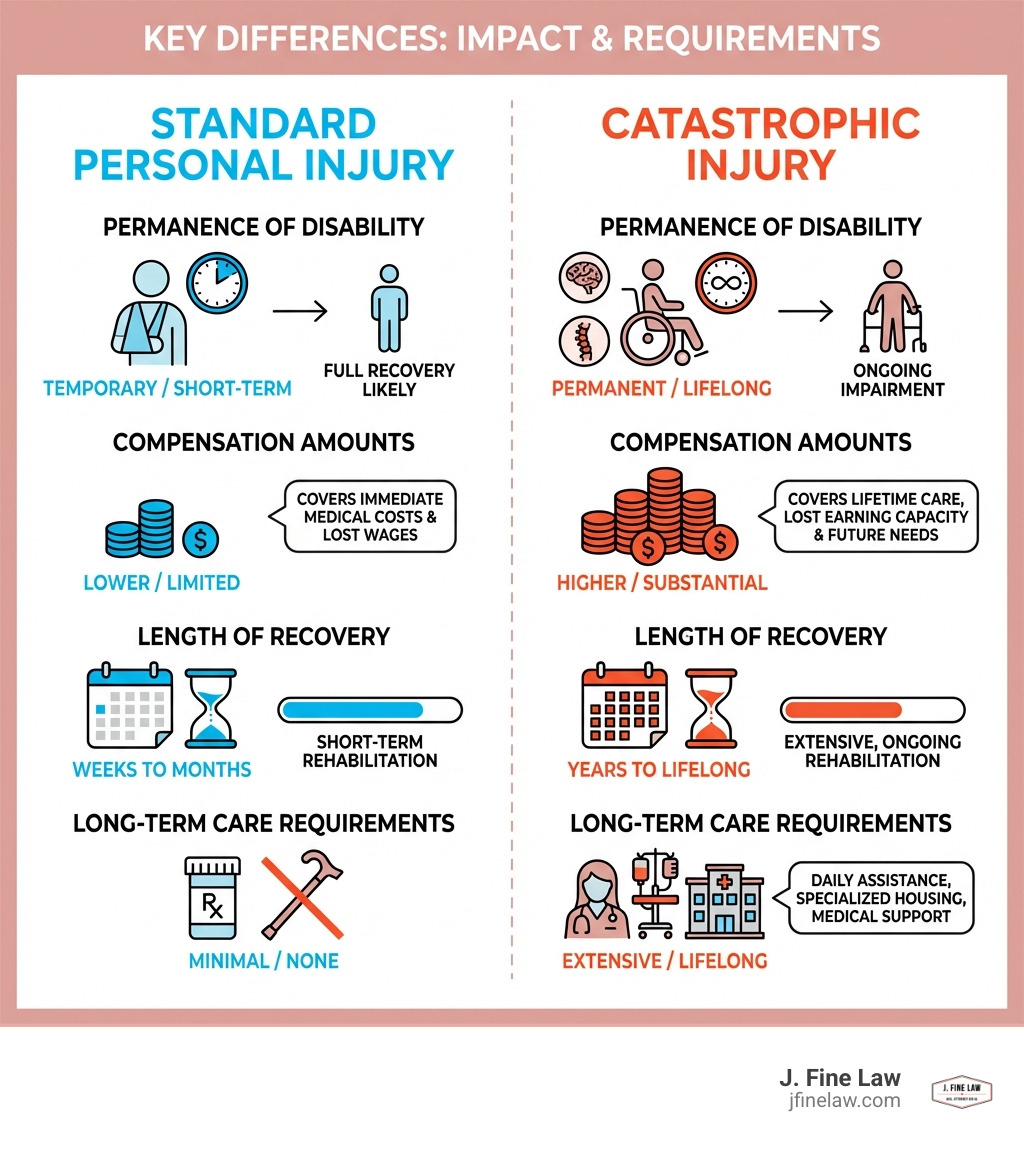
A catastrophic injury is legally defined by its long-term impact on a person’s ability to perform daily functions and earn a living. In Miami, these cases are distinct from standard personal injury claims due to the massive economic damages involved. These injuries often include spinal cord trauma, traumatic brain injuries (TBI), severe burns, amputations, and permanent organ damage.
Because the financial stakes are high—often involving millions of dollars in projected medical costs—insurance companies utilize aggressive defense teams to minimize or deny liability. A lawyer specializing in this niche does not merely process insurance paperwork; they build a complex evidentiary case that requires medical expert testimony, economic life-care planning, and vocational analysis.
Identifying the Right Legal Representation in Miami
Selecting the right attorney is not merely about finding someone with a billboard; it is about verifying their experience with specific injury types and their track record in Florida courtrooms.
Verification Checklist:
- Board Certification: Look for attorneys certified by The Florida Bar in Civil Trial Law. This designation indicates a high level of proficiency and ethical standards within the state.
- Litigation History: Ask specifically for the firm’s experience with catastrophic injury trials rather than just settlements. While most cases settle, an attorney’s willingness and ability to go to trial provides leverage during negotiations.
- Resources for Expert Witnesses: Catastrophic cases require substantial financial backing to hire neurologists, economists, and life-care planners. Confirm that the firm has the capital to sustain this litigation for months or even years.
- Local Jurisdictional Knowledge: Miami-Dade County courts have specific procedural nuances. An attorney who regularly practices in the 11th Judicial Circuit of Florida will understand the local judges and the tendencies of local juries.
The Financial Structure: Contingency Fees
Most reputable catastrophic injury lawyers in Miami operate on a contingency fee basis. This is a critical factor for victims who may be facing financial ruin due to medical bills.
Under the rules set by the Florida Bar, contingency fees are regulated, especially in personal injury matters. Typically, the attorney takes a percentage of the total recovery—often 33.3% to 40% depending on the stage of the case and whether a lawsuit is filed. It is imperative to review the "Fee Agreement" provided during the initial consultation. This document should explicitly state whether expenses (such as expert witness fees, court filing fees, and medical record retrieval costs) are deducted before or after the attorney’s fee is calculated.
Comparing Legal Services
When vetting potential firms, it is helpful to compare them based on their operational capacity.
| Feature | Large Litigation Firm | Boutique Injury Firm |
|---|---|---|
| Resources | Massive financial backing for experts | Personalized, high-touch communication |
| Caseload | High volume of complex cases | Selectively limited, focused attention |
| Trial History | Extensive record in appellate courts | Often focused on settlement optimization |
| Accessibility | Access to multiple partners/associates | Direct contact with the primary attorney |
Essential Steps in the Legal Process
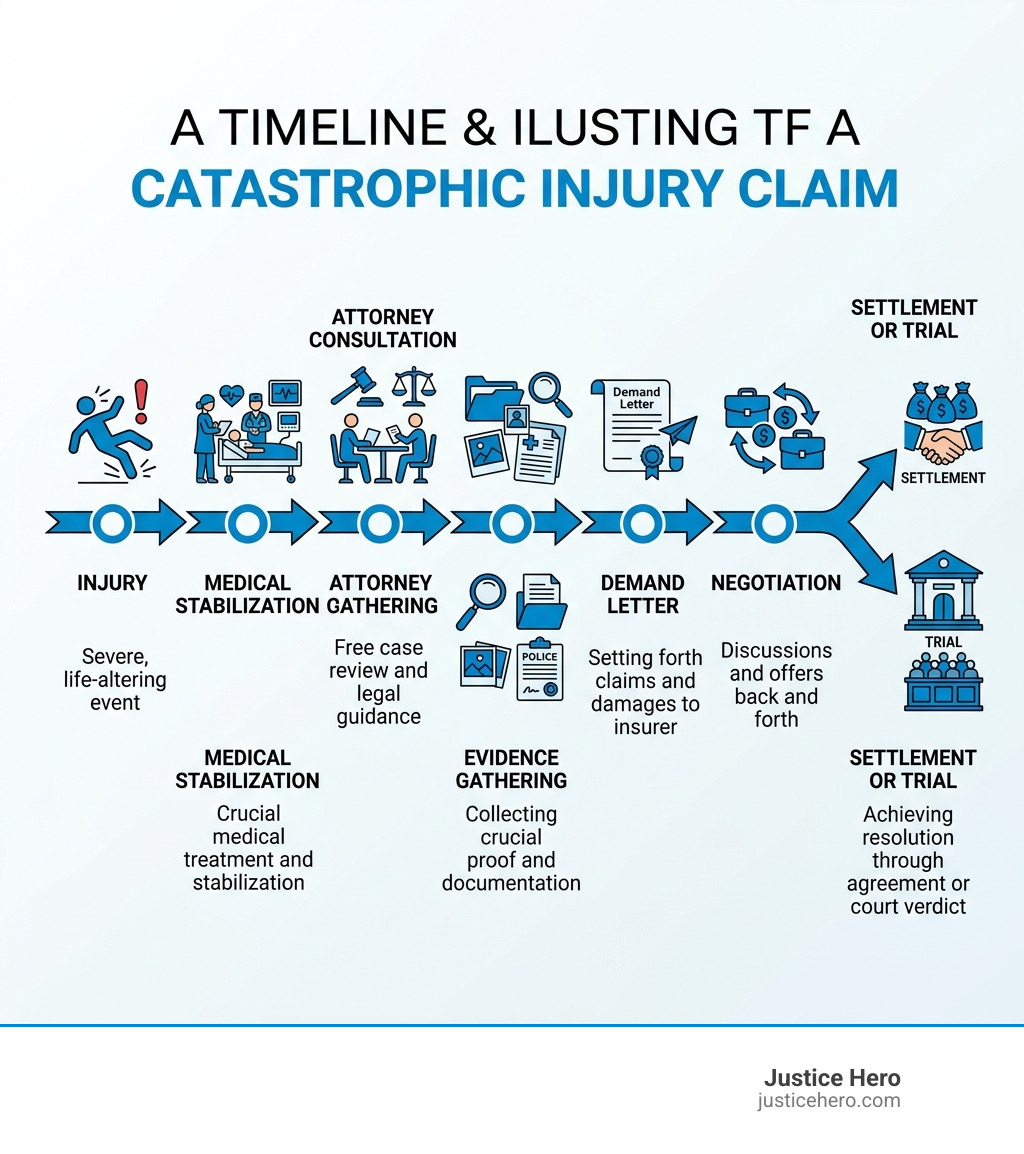
Once you have retained counsel, the process follows a structured timeline. Understanding these steps helps manage expectations regarding the duration of the litigation, which can take several years in severe cases.
- Initial Investigation: The lawyer gathers police reports, surveillance footage, and internal safety logs related to the incident.
- Medical Stabilization and Documentation: It is impossible to settle a catastrophic claim early because the total cost of future care remains unknown until a medical maximum improvement (MMI) is reached.
- Discovery: Both sides exchange documents and take depositions of witnesses, medical professionals, and the defendants.
- Mediation: In Florida, mediation is often a mandatory step. A neutral third party facilitates negotiations to reach a settlement before the case reaches a trial.
- Trial: If mediation fails, the case proceeds to a jury trial where the attorney presents the case for damages.
Common Pitfalls and How to Avoid Them
The most significant mistake victims make is providing recorded statements to an insurance adjuster before speaking with an attorney. Insurance adjusters are trained to extract information that limits their liability. In a catastrophic injury case, any admission of partial fault can significantly reduce the potential recovery under Florida’s comparative fault laws.
Additionally, delaying the initiation of a claim is dangerous. Florida has a statute of limitations for personal injury actions. While the law has evolved, generally, failing to act within the prescribed timeframe—which can be as short as two years for many injury cases—will result in a permanent loss of the right to sue.
Managing Life-Care Plans
A hallmark of a proficient catastrophic injury lawyer is their integration of a "life-care plan." This is a document drafted by a medical professional that quantifies the costs of the victim's future needs. It accounts for home modifications, specialized transportation, ongoing physical therapy, pharmaceutical costs, and skilled nursing care.
In Miami, where the cost of specialized medical services is high, the accuracy of this plan is the difference between a victim being provided for the rest of their life and the victim exhausting their settlement funds within a few years. Ensure your attorney is collaborating with certified life-care planners rather than relying on generalist insurance adjusters to estimate these costs.
Frequently Asked Questions
How long do I have to file a lawsuit in Miami? In Florida, the statute of limitations for negligence claims is generally two years from the date of the incident. However, exceptions exist depending on the defendant (e.g., if a government entity is involved) or the nature of the injury. Consult an attorney immediately to preserve your rights.
Will my case definitely go to trial? Most personal injury cases are resolved through settlements during mediation or before trial. However, you must hire a firm with a strong litigation reputation, as insurance companies are less likely to offer fair settlements if they know the opposing counsel is unwilling or unable to go to court.
What if I cannot afford a lawyer? Most Miami personal injury lawyers work on a contingency fee basis, meaning they do not receive payment unless they secure a recovery for you. They also typically advance the costs of litigation, which are reimbursed from the final settlement or verdict.
Can I switch lawyers if I am unhappy? Yes. You have the right to change legal counsel at any time. However, be aware of the "charging lien" process, where your previous attorney may have a claim to a portion of the final fee based on the work they performed prior to the transition.
How does Florida's comparative fault law affect me? Florida is a modified comparative fault state. If you are found to be partially at fault for your injury, your recovery will be reduced by your percentage of fault. If your percentage of fault exceeds 50%, you may be barred from recovering any damages in certain types of cases.
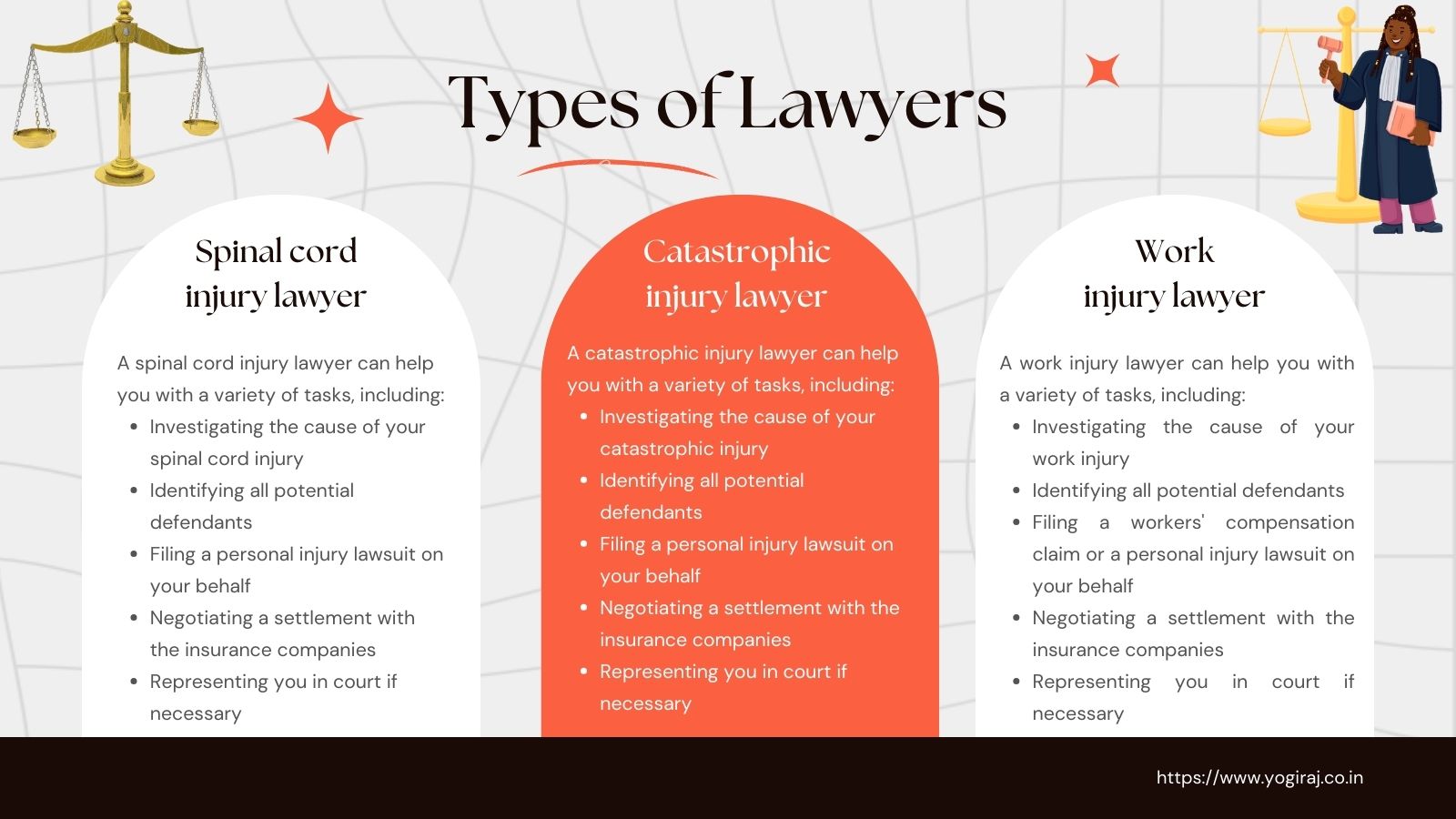
Are there specialized lawyers for different types of catastrophic injuries? While many firms handle general personal injury, some specialize in specific niches like maritime accidents (common in Miami), truck accidents, or medical malpractice. You should seek a firm that has specific experience relevant to the circumstances of your incident.
Recommendation for Next Steps
If you or a loved one has suffered a catastrophic injury, your priority should be medical stabilization, followed immediately by a consultation with a law firm that focuses exclusively on catastrophic litigation. Schedule consultations with at least two different firms to compare their approach to your case. During these meetings, ask for specific examples of how they handled cases with injuries similar to yours and how they intend to manage your long-term medical and economic needs. Retain the counsel that demonstrates the most robust grasp of both the medical complexities of your injury and the procedural requirements of the Miami-Dade legal system.