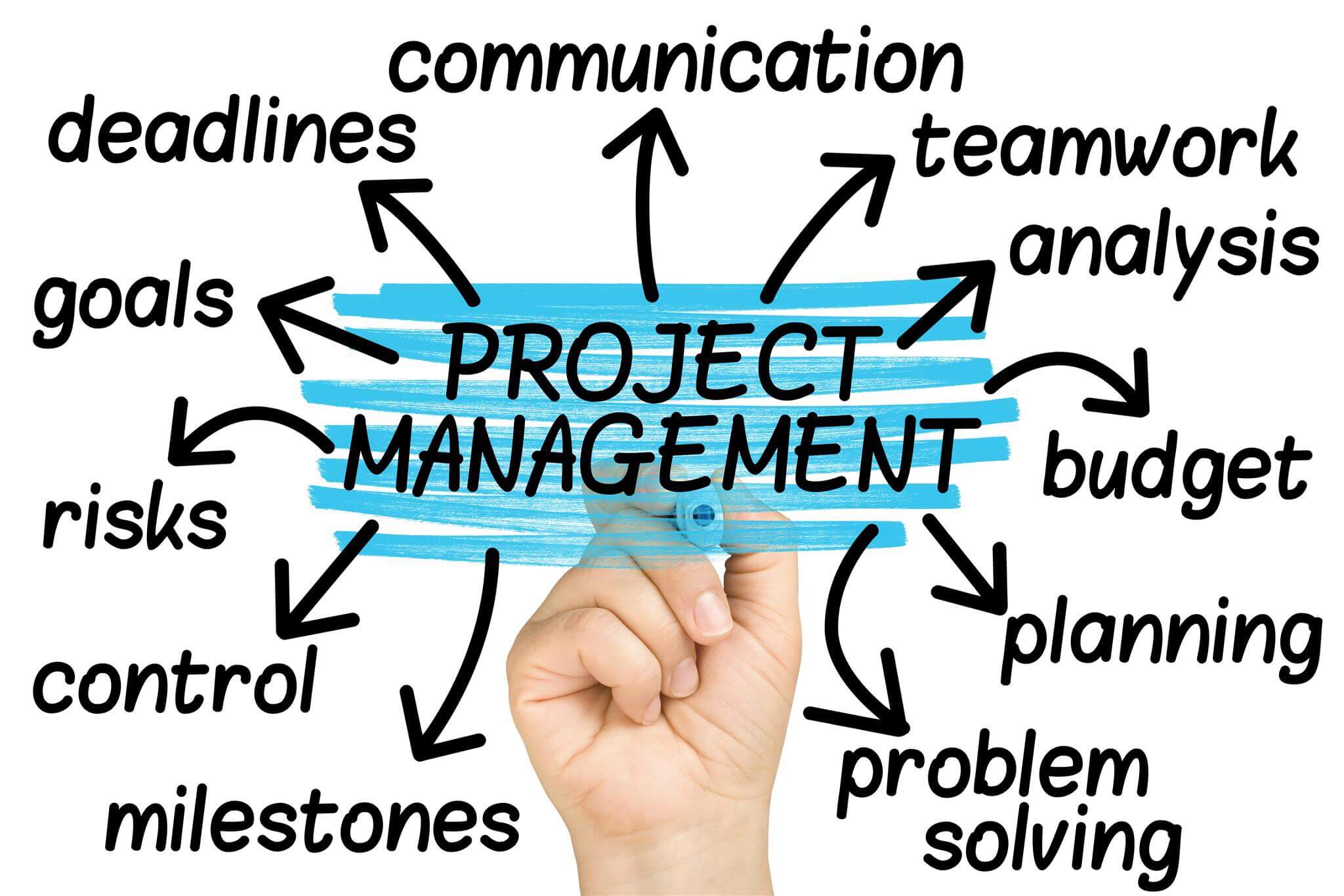
A good project manager is a strategic leader who balances technical proficiency in planning and risk management with high emotional intelligence to drive organizational value. They ensure project goals align with business objectives while maintaining team morale and navigating complex environments through clear communication, adaptive methodologies, and the ethical integration of advanced technological tools.
The role of a project manager (PM) has undergone a significant transformation. As of 2026, the profession has moved beyond the simple "triple constraint" of time, cost, and scope. While those metrics remain fundamental, a truly effective project manager today functions as a value-delivery orchestrator. They are responsible not just for completing tasks, but for ensuring that every deliverable serves the overarching strategic goals of the organization.
To understand what makes a good project manager, one must look at the intersection of leadership, technical expertise, and the ability to thrive in an increasingly automated and remote-first professional landscape.
The Foundation of Emotional Intelligence and Leadership
In the current professional climate, technical skills are often seen as the baseline, while emotional intelligence (EQ) is the true differentiator. A good project manager understands that projects are, at their core, human endeavors.
Empathy and Team Dynamics
A high-performing PM recognizes the individual strengths and weaknesses of their team members. They don't just assign tasks; they curate roles that allow individuals to excel. By fostering an environment of psychological safety, a PM ensures that team members feel comfortable reporting risks or admitting mistakes early. This transparency is vital because it allows for course correction before a minor issue becomes a project-ending crisis. In 2026, where hybrid and asynchronous work models are standard, the ability to build trust across digital interfaces is a non-negotiable trait.
Conflict Resolution
Conflict is inevitable in any project involving diverse stakeholders and tight deadlines. A good project manager does not shy away from conflict but approaches it with a neutral, problem-solving mindset. They act as a mediator, ensuring that disagreements over resources or priorities are resolved through data-driven negotiation rather than office politics. This requires a deep understanding of organizational psychology and the patience to listen to all perspectives before making a decisive call.
Mastery of Methodologies and Frameworks
While soft skills are paramount, a good project manager must be a master of their craft's technical aspects. This includes a deep knowledge of various project management methodologies and the wisdom to know when to apply them.
Agile, Waterfall, and Hybrid Approaches
The "one-size-fits-all" approach to methodology died years ago. A competent PM in 2026 is fluent in:
- Agile and Scrum: Ideal for software development and projects requiring high flexibility and frequent iteration.
- Waterfall: Still the gold standard for construction, manufacturing, and projects with rigid, sequential dependencies.
- Hybrid Models: Most modern projects utilize a blend, using Waterfall for high-level planning and Agile for execution within specific phases.
A good project manager evaluates the project’s specific constraints—such as regulatory requirements, budget volatility, and stakeholder risk tolerance—to select the framework that maximizes efficiency.
Strategic Risk Management
Risk management is often where "good" project managers separate themselves from "average" ones. An average PM reacts to problems; a good PM anticipates them. This involves conducting thorough risk assessments at the project's inception and maintaining a dynamic risk register throughout the lifecycle. They categorize risks by probability and impact, developing mitigation strategies for high-priority threats. This proactive stance prevents "firefighting" and keeps the project on a predictable path.
The Role of AI and Technological Literacy
By 2026, artificial intelligence has become an integral assistant to the project management office (PMO). A good project manager leverages these tools to enhance, rather than replace, their decision-making.
Predictive Analytics and Forecasting
Modern PMs use AI-driven tools to analyze historical project data, allowing for more accurate forecasting of timelines and budgets. They understand how to interpret machine learning models that flag potential bottlenecks before they occur. However, a good PM also knows the limitations of these tools, recognizing that AI can lack the context of human relationships or sudden geopolitical shifts that might impact a supply chain.
Automation of Administrative Tasks
A significant portion of a PM's traditional workload—status reporting, scheduling meetings, and resource leveling—can now be automated. A good project manager embraces this automation to free up their time for high-value activities, such as stakeholder engagement and strategic planning. They are proficient in platforms like Jira, Monday.com, or Microsoft Project, but they treat these as means to an end rather than the project's focus.
Communication as a Strategic Asset
Communication is the "connective tissue" of project management. A good project manager acts as a central hub, ensuring that the right information reaches the right people at the right time.
Stakeholder Management
Projects often involve a wide array of stakeholders, from C-suite executives to end-users. Each group has different information needs and priorities. A good PM tailors their communication style accordingly:
- Executives: Focus on high-level milestones, ROI, and strategic alignment.
- Team Members: Provide clear, actionable instructions and technical requirements.
- End-users: Emphasize benefits, training, and change management.
The ability to "manage up" is particularly crucial. This involves keeping sponsors informed of both good and bad news, ensuring there are no surprises during quarterly reviews or steering committee meetings.
Documentation and Clarity
In a fast-paced environment, verbal agreements are rarely sufficient. A good project manager ensures that all critical decisions, scope changes, and approvals are documented. This creates a "single source of truth" that prevents "scope creep"—the gradual expansion of project requirements without corresponding increases in time or budget. Clear documentation protects the team from unrealistic expectations and provides a clear audit trail for future projects.
Comparing the Good vs. The Great Project Manager
The following table highlights the distinctions between a competent project manager and one who has reached a senior, expert level of proficiency in 2026.
| Feature | Good Project Manager | Great Project Manager |
|---|---|---|
| Focus | Task completion and deadlines. | Business value and strategic impact. |
| Problem Solving | Reacts quickly to issues as they arise. | Anticipates risks and mitigates them early. |
| Communication | Provides regular status updates. | Influences stakeholders and manages expectations. |
| Team Leadership | Directs tasks and monitors progress. | Empowers the team and fosters growth. |
| Tool Usage | Uses software for tracking. | Uses AI/data for predictive insights. |
| Methodology | Follows a specific framework strictly. | Adapts frameworks to fit the project needs. |
| Scope Management | Prevents unauthorized changes. | Negotiates changes to maximize project value. |
Professional Development and Certification
The landscape of project management is constantly evolving, and a good PM is a lifelong learner. As of 2026, several key certifications and bodies of knowledge remain relevant for those looking to validate their expertise.
- PMP (Project Management Professional): Administered by the Project Management Institute (PMI), this remains the global gold standard, emphasizing a broad range of methodologies and leadership skills.
- PRINCE2: Common in the UK and Europe, this focuses on process-based project management. Information can be found via PeopleCert.
- Certified ScrumMaster (CSM): Essential for those working in Agile environments, offered by the Scrum Alliance.
- IPMA Levels: The International Project Management Association offers a four-level certification system that emphasizes behavioral and contextual competences.
Beyond certifications, a good PM stays informed about industry-specific trends. For instance, a PM in the renewable energy sector must understand the regulatory hurdles of 2026, while one in healthcare must stay abreast of the latest data privacy laws.
Common Pitfalls to Avoid
Even experienced project managers can fall into traps that jeopardize their projects. Understanding these mistakes is key to maintaining a "good" standing in the field.
Micromanagement
One of the fastest ways to destroy team morale is micromanagement. A good project manager trusts their team's expertise. They define the "what" and the "why," but they let the specialists handle the "how." Constant interference leads to bottlenecks and prevents team members from taking ownership of their work.
Over-Reliance on Tools
It is easy to get lost in complex Gantt charts and automated dashboards. However, a tool is only as good as the data entered into it. A good PM remembers that "the map is not the territory." They spend time on the "shop floor" (digitally or physically), talking to people and understanding the ground-level reality of the project.
Ignoring Cultural Nuance
In 2026's global economy, project teams are often spread across different countries and cultures. A good PM is culturally competent, understanding that communication styles, holidays, and work ethics vary. Ignoring these nuances can lead to misunderstandings and missed deadlines.
Frequently Asked Questions
What is the most important skill for a project manager in 2026?
While technical skills are necessary, communication is widely considered the most important skill. A project manager must be able to translate complex technical issues into business terms for stakeholders and provide clear, motivating direction to their team. Without effective communication, even the best-laid plans will fail during execution.
How has AI changed the role of the project manager?
AI has shifted the PM's focus from administrative tracking to strategic decision-making. AI tools now handle much of the scheduling, resource allocation, and data analysis. This allows the project manager to focus on high-level leadership, stakeholder negotiation, and complex problem-solving that requires human intuition and ethical judgment.
Is a PMP certification still worth it in 2026?
Yes, the PMP certification remains highly relevant. While the exam has evolved to include more Agile and Hybrid content, the core principles of the PMBOK (Project Management Body of Knowledge) provide a standardized language and framework that is recognized globally. It serves as a benchmark for a PM’s commitment to the profession.
How do you handle a project that is going over budget?
A good project manager addresses budget overruns immediately through a transparent process. First, they identify the root cause—whether it is scope creep, unforeseen technical debt, or external market factors. Then, they present the data to the project sponsor along with options: reducing the project scope, reallocating resources, or requesting additional funding based on a revised ROI analysis.
What is the difference between a Project Manager and a Product Manager?
A Project Manager focuses on the "how" and "when"—executing a specific set of goals within a defined timeframe. A Product Manager focuses on the "what" and "why"—the long-term vision, features, and market success of a product throughout its entire lifecycle. In many organizations, these two roles work closely together to ensure that the product vision is executed efficiently.
Practical Recommendation for Aspiring Project Managers
To become a good project manager in 2026, you should focus on developing a "T-shaped" skill set. This means having a broad understanding of various business functions (marketing, finance, operations) and a deep, specialized knowledge of project management methodologies.
Start by mastering the basics of communication and leadership. Seek out opportunities to lead small initiatives, even if they aren't official "projects." Concurrently, pursue a recognized certification like the PMP or CSM to build your technical foundation. Finally, stay curious about technology; learn how to use AI-driven project management tools to your advantage, but never let them replace the human connection that is the heart of every successful project.