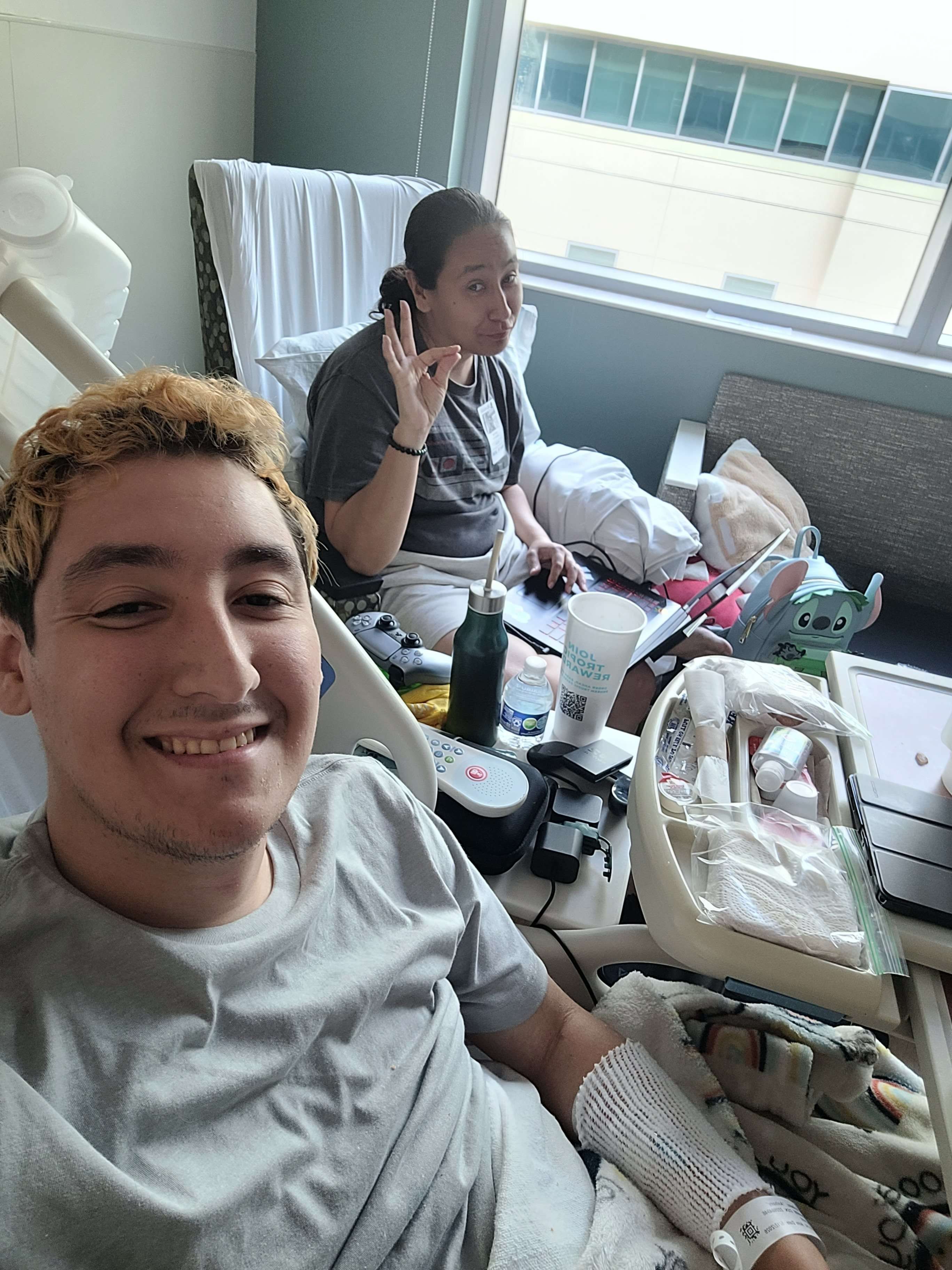
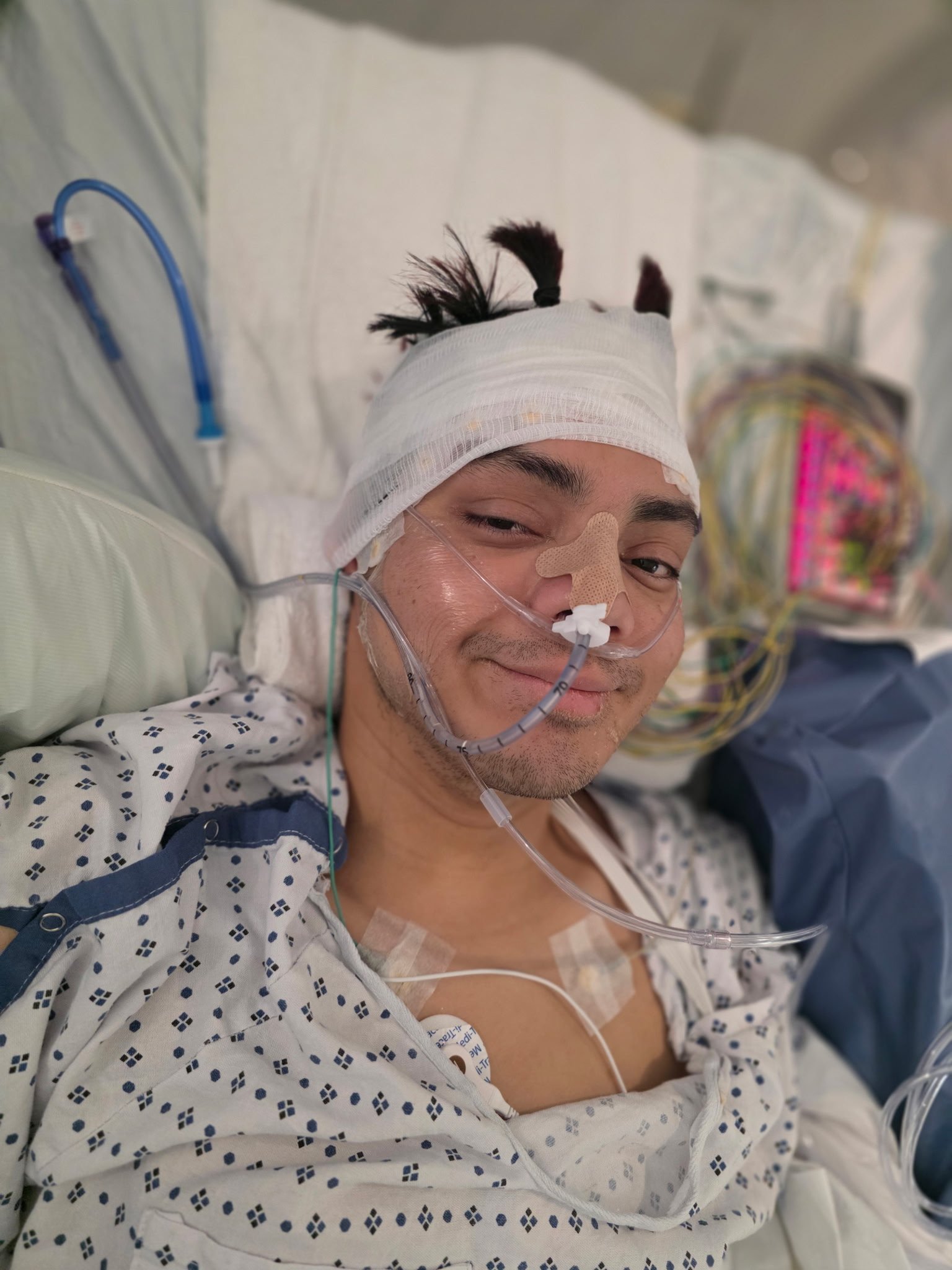
A GBS survivor’s journey is a profound transition through acute paralysis, a stabilizing plateau, and a rigorous rehabilitation process. Recovery typically spans months to years, requiring specialized neurological care, physical therapy, and psychological support to address the complexities of nerve regeneration and the return to functional independence.
Guillain-Barré Syndrome (GBS) remains one of the most challenging neurological emergencies an individual can face. As of 2026, while medical science has streamlined the diagnostic and initial treatment phases, the lived experience of a survivor—the "journey"—remains a deeply personal and often arduous trek from the brink of total immobility back to a functional life. Understanding this journey requires more than just clinical knowledge; it necessitates a deep dive into the physiological, emotional, and logistical hurdles that define the months and years following an initial diagnosis.
The Onset: When the Journey Begins
The journey of a GBS survivor almost always begins with a sense of confusion and escalating alarm. GBS is an autoimmune disorder where the body’s immune system mistakenly attacks the peripheral nervous system. Specifically, it targets the myelin sheath, the insulating layer around nerves that allows electrical impulses to travel quickly. When this insulation is damaged, signals to the muscles are delayed or blocked entirely.
In the early days of 2026, most survivors recall the "ascending" nature of their symptoms. It often starts as a tingling sensation or "pins and needles" in the toes and fingertips, followed rapidly by muscle weakness. Within hours or days, this weakness can progress to full paralysis. For many, the most harrowing part of the acute phase is the speed of the decline. A person may go from hiking on a Sunday to being unable to stand by Tuesday, and potentially requiring a ventilator by Thursday.
The medical community classifies this as a medical emergency because of the risk of respiratory failure. If the paralysis reaches the diaphragm, the patient can no longer breathe independently. This stage of the journey is characterized by the high-intensity environment of the Intensive Care Unit (ICU), where the focus is entirely on life preservation and stopping the immune system's assault.
Clinical Interventions and the "Turning of the Tide"
Once GBS is suspected—often confirmed via a lumbar puncture (spinal tap) to check for elevated protein levels without an increase in white blood cells, or through electromyography (EMG)—treatment must begin immediately. In 2026, the two primary "gold standard" treatments remain Intravenous Immunoglobulin (IVIG) and Plasmapheresis (Plasma Exchange).
Intravenous Immunoglobulin (IVIG)
IVIG involves administering high doses of antibodies collected from healthy donors. These "good" antibodies help neutralize the harmful antibodies that are attacking the nerves. This treatment is often preferred because it is easier to administer and has fewer side effects for most patients. The survivor’s journey through IVIG usually involves several days of infusions. While it doesn't "cure" the damage already done, it aims to shorten the duration of the attack.
Plasmapheresis
Plasmapheresis is a more invasive process, similar to dialysis. The patient's blood is removed, the liquid portion (plasma) is separated from the blood cells, and the cells are returned to the body along with a plasma substitute. This physically removes the auto-antibodies from the bloodstream.
The choice between these treatments depends on the patient’s specific health profile and the facility's capabilities. Regardless of the method, the goal is the same: to reach the plateau phase. This is the point where the progression of paralysis stops. For a survivor, the plateau is a period of "limbo"—they are no longer getting worse, but they are not yet getting better. This phase can last from a few days to several weeks, and it is often the most psychologically taxing part of the journey, as the patient waits for any sign of returning movement.
The Long Road of Rehabilitation
If the acute phase is a sprint for survival, rehabilitation is a marathon for quality of life. As the immune system settles and the nerves begin the slow process of regeneration—roughly one millimeter per day—the survivor enters the most active part of their journey.
Physical Therapy (PT)
The primary goal of PT is to regain gross motor skills. This begins with passive range-of-motion exercises, where a therapist moves the survivor's limbs to prevent joint contractures and muscle shortening. As the nerves reconnect to the muscles, the survivor must literally "relearn" how to move. This involves neuroplasticity—the brain’s ability to reorganize itself. Survivors often describe the intense mental effort required to make a single toe wiggle. By 2026, many rehab centers utilize exoskeleton suits and robotic-assisted gait training to help survivors regain the sensation and mechanics of walking long before their muscles are strong enough to support their full weight.
Occupational Therapy (OT)
OT focuses on fine motor skills and the "Activities of Daily Living" (ADLs). For a GBS survivor, tasks that were once subconscious—brushing teeth, buttoning a shirt, using a smartphone—become monumental challenges. Occupational therapists provide adaptive tools and techniques to help survivors regain independence. This might include weighted utensils to combat tremors or specialized software for voice-controlled environments during the early stages of recovery.
Speech and Swallow Therapy
In cases where the cranial nerves were affected, survivors may struggle with speech (dysarthria) or swallowing (dysphagia). This part of the journey involves strengthening the muscles of the throat and face. It is a critical component of recovery, as it dictates when a survivor can move from a feeding tube back to solid foods, which is a major psychological milestone.
Managing the Hidden Symptoms: Pain and Fatigue
A common misconception is that once a survivor can walk again, the journey is over. However, many survivors face "hidden" symptoms that can persist for years.
Neuropathic Pain: As nerves heal, they often fire sporadically, causing sensations of burning, stabbing, or intense cold. This pain is frequently worse at night and can interfere with sleep and mood. In 2026, management usually involves a combination of gabapentinoids, tricyclic antidepressants, and non-pharmacological interventions like TENS (Transcutaneous Electrical Nerve Stimulation).
GBS-Related Fatigue: This is not typical tiredness. It is an overwhelming, systemic exhaustion that can strike without warning. It is believed to be caused by the extra energy the nervous system requires to transmit signals over damaged or partially repaired myelin. Survivors must learn the art of "pacing"—carefully managing their energy expenditure to avoid total "crashes."
Comparison of GBS Recovery Phases
The following table outlines the typical progression and focus areas for a GBS survivor as understood in 2026.
| Phase | Duration | Primary Medical Focus | Survivor’s Experience | Key Milestones |
|---|---|---|---|---|
| Acute Onset | 1 to 4 Weeks | Respiratory support, IVIG/Plasmapheresis | Rapid loss of function, fear, ICU stay | Stabilization of paralysis |
| Plateau | Days to Weeks | Monitoring, preventing complications | Static paralysis, frustration, "limbo" | First signs of muscle flicker |
| Early Rehab | 1 to 6 Months | Mobility, ADLs, weaning from vent | Intense physical effort, relearning basics | Sitting up, standing, swallowing |
| Late Rehab | 6 Months to 2 Years | Strength, stamina, nerve pain management | Returning home, navigating "new normal" | Unassisted walking, return to work |
| Chronic Phase | 2+ Years | Fatigue management, psychological health | Residual symptoms, advocacy, maintenance | Full reintegration, long-term stability |
The Psychological Journey: Trauma and Resilience
The mental health aspect of a GBS survivor's journey is as critical as the physical one. The experience of being "locked in" a non-functioning body while remaining fully conscious is a form of medical trauma. Many survivors experience symptoms of Post-Traumatic Stress Disorder (PTSD), anxiety, and clinical depression.
In 2026, the standard of care for GBS includes early intervention by neuropsychologists. Survivors are encouraged to join support networks, such as the GBS/CIDP Foundation International, where they can connect with others who understand the specific nuances of this recovery. The psychological journey often involves grieving the "old self" and eventually finding a sense of "post-traumatic growth." This resilience doesn't mean the survivor is glad they had GBS, but rather that they have found new strength or perspectives because of the ordeal.
Practical Considerations: Career and Costs
Returning to the workforce is a major hurdle. Many survivors require "reasonable accommodations" under disability laws. This might include a phased return to work, ergonomic adjustments, or the ability to work from home to manage fatigue.
The financial burden can also be significant. Even with insurance, the costs of extended ICU stays, specialized rehabilitation facilities, and ongoing outpatient therapy can accumulate. In 2026, survivors are often advised to work closely with medical social workers to navigate disability insurance (like SSDI in the United States) and to ensure they are accessing all available vocational rehabilitation resources.
Frequently Asked Questions
Can GBS happen more than once to the same person?
Recurrence is extremely rare, affecting approximately 1% to 6% of survivors. When it does happen, it is referred to as "Recurrent GBS." It is more common for survivors to experience fluctuations (minor returns of symptoms) during the first year of recovery, which are usually triggered by other illnesses or overexertion rather than a true recurrence of the autoimmune attack.
How long does it take to fully recover from GBS?
While about 60% to 80% of survivors regain the ability to walk independently within six months, full recovery—meaning a return to pre-illness strength and sensation—can take three years or more. Some survivors (around 5% to 15%) will have permanent residual symptoms, such as foot drop, hand weakness, or chronic numbness.
Does the 2026 flu shot or other vaccines cause GBS?
The risk of developing GBS from a vaccine remains extremely low, significantly lower than the risk of neurological complications from the viruses the vaccines prevent. Medical guidelines in 2026 continue to monitor this closely, and individuals with a prior history of GBS are advised to consult their neurologist before certain vaccinations, though many are cleared to receive them safely.
What is the difference between GBS and CIDP?
GBS is an acute, "one-time" event that peaks within four weeks. Chronic Inflammatory Demyelinating Polyneuropathy (CIDP) is considered the chronic counterpart to GBS. In CIDP, the immune system continues to attack the nerves over a long period, requiring ongoing maintenance treatments like monthly IVIG or corticosteroids. Some GBS survivors may eventually be re-diagnosed with CIDP if their symptoms continue to progress or relapse beyond the initial eight-week mark.
Is exercise recommended during recovery?
Yes, but it must be supervised by a professional. Over-exercising a muscle that has "denervated" (lost its nerve connection) can lead to overwork weakness, which actually sets back recovery. The rule of thumb in GBS recovery is "move, but don't exhaust." Exercises should focus on repetition and correct form rather than heavy resistance in the early stages.
Recommendations for Survivors and Caregivers
If you or a loved one is navigating a GBS survivor’s journey in 2026, prioritize the following actions:
- Seek Specialized Rehab: Ensure the rehabilitation facility has specific experience with neuromuscular disorders. Stroke rehab centers are common, but GBS requires a different physiological approach.
- Document the Progress: Keep a "recovery log." Because progress is measured in millimeters, it can be hard to notice daily changes. Looking back at a log from a month ago can provide much-needed motivation.
- Prioritize Sleep: Nerve regeneration is metabolically expensive and happens most effectively during deep sleep. Focus on sleep hygiene to manage both pain and fatigue.
- Connect with a Community: Do not isolate. The rarity of GBS makes the survivor’s journey feel lonely. Engaging with global or local support groups provides a roadmap of what to expect next.
- Pace, Don't Push: Respect the limits of GBS fatigue. Learning to stop before you are exhausted is the most effective way to ensure long-term progress without setbacks.
The journey of a GBS survivor is a testament to human resilience and the remarkable healing capacity of the peripheral nervous system. While the path is long and often fraught with frustration, the majority of survivors return to a full and meaningful life, carrying with them a unique perspective on the value of movement and the strength of the human spirit.