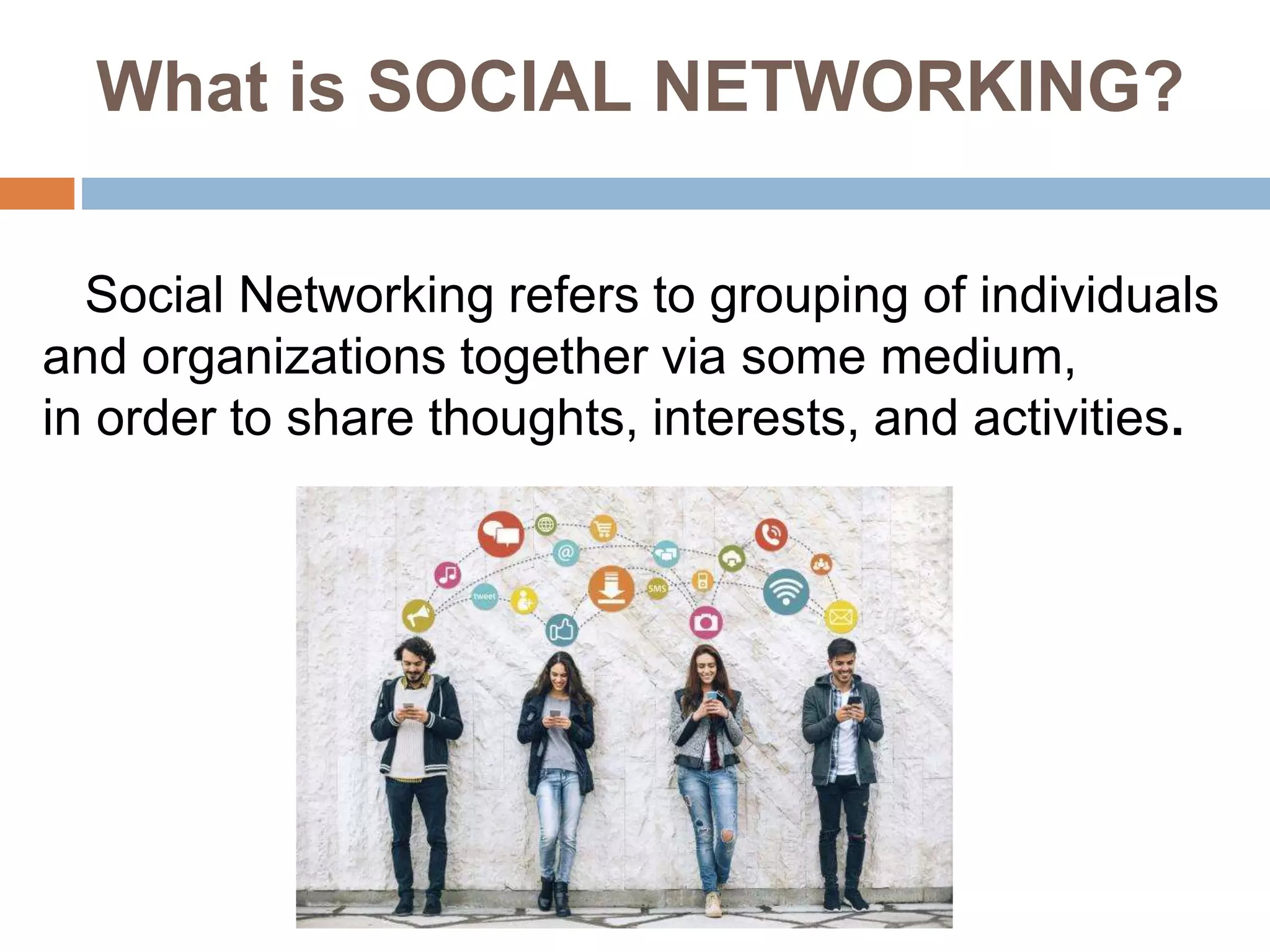
Social networking in everyday life is best exemplified by the use of hyper-local community platforms, such as neighborhood groups or community-specific apps, to solve immediate physical problems. By connecting residents digitally, these networks facilitate real-world outcomes like organizing emergency responses, coordinating shared resources, and strengthening local security through real-time communication and mutual aid.
In 2026, social networking has transcended the era of mere status updates and photo sharing. It has become a fundamental infrastructure for navigating daily existence. While the term "social network" often conjures images of global platforms with billions of users, its most profound impact is often felt at the micro-level—the digital threads that weave through our immediate physical and professional surroundings. Understanding how these networks operate in a typical day reveals how deeply integrated digital connectivity has become with human behavior and societal function.
The Hyper-Local Network: A Primary Everyday Example
The most tangible example of social networking in everyday life is the hyper-local community group. Whether hosted on specialized platforms like Nextdoor, decentralized messaging apps like WhatsApp and Signal, or community features within larger ecosystems, these networks serve as a digital town square.
Consider a resident in a suburban neighborhood who notices an unusual water leak on a public street. In a pre-digital era, this individual might have called a city hotline and waited days for a response, or perhaps mentioned it to a single neighbor over a fence. In 2026, social networking allows this individual to post a photo and location tag to a neighborhood-specific group. Within minutes, other residents verify the issue, a local city council member (who is a member of the group) escalates the ticket, and a neighbor who happens to be a retired plumber provides temporary advice to mitigate damage to nearby lawns.
This interaction demonstrates the core mechanics of social networking: the identification of a shared interest (neighborhood maintenance), the use of a digital platform to bridge communication gaps, and the mobilization of "social capital" to achieve a result. This isn't just "social media"; it is a functional utility that improves local governance and community resilience.
Resource Sharing and the Circular Economy
Another layer of the hyper-local example is the "Buy Nothing" or "Tool Library" movement facilitated by social networks. Instead of purchasing a specialized tool like a power washer for a one-time task, a resident posts a request to their local network. This utilizes the dormant assets of the community. In 2026, these interactions are often managed with integrated scheduling and verification systems within the social platform, ensuring trust and accountability. This form of social networking reduces consumer waste and fosters interpersonal trust between neighbors who might otherwise remain strangers.
Professional Networking as a Continuous Workflow
Beyond the home, social networking is the engine of the modern professional environment. The concept of "networking" used to be an occasional activity—attending a mixer or exchanging business cards. In 2026, professional networking is a continuous, integrated part of the workday.
Platforms such as LinkedIn, and more niche industry-specific hubs, allow professionals to maintain "weak ties"—acquaintances who are not close friends but provide access to diverse information and job opportunities. This is known in sociology as the "strength of weak ties." In daily life, this looks like a graphic designer seeing a post from a former colleague about a new software tool. The designer asks a question, a third party joins the conversation with a tutorial link, and a collaborative relationship begins.
The Role of Asynchronous Collaboration
Modern professional social networking relies heavily on asynchronous communication. Unlike a phone call that requires both parties to be present, social networks allow for "threaded" conversations that evolve over hours or days. This is essential for the globalized workforce of 2026, where team members may live in different time zones. Systems like Slack or Microsoft Teams function as internal social networks, where the "social" element (sharing a personal update or a celebratory emoji) is just as vital for team cohesion as the technical data being exchanged.
Educational Connectivity and Lifelong Learning
In the realm of education, social networking facilitates peer-to-peer learning environments that extend far beyond the classroom. A student or a lifelong learner in 2026 rarely studies in isolation. Instead, they participate in decentralized study groups and "Learning Communities."
For example, a person learning a new programming language might join a Discord server or a specialized subreddit dedicated to that language. When they encounter a bug in their code, they don't just search a manual; they post the snippet to their network. The resulting interaction—where multiple people offer solutions, explain the underlying logic, and provide links to further reading—is a high-level example of social networking. It turns an individual struggle into a collective problem-solving exercise.
Mentorship and Peer Review
These networks also democratize access to expertise. In 2026, it is common for students to interact directly with industry leaders through social platforms. This "flattening" of hierarchy allows for informal mentorship that was previously gated by institutional barriers. The everyday act of "following" an expert and engaging with their shared content constitutes a form of passive networking that builds a learner's knowledge base over time.
Health, Wellness, and Social Accountability
Health and fitness provide a compelling example of how social networking influences physical behavior. Platforms like Strava or integrated fitness features in wearable tech (Apple Health, Garmin Connect) turn individual exercise into a social event.
When a person goes for a morning run, their wearable device automatically syncs the data to their social network. Friends and "followers" provide immediate feedback through "kudos" or comments. This creates a feedback loop of social accountability. For many, the knowledge that their network will "see" their activity (or lack thereof) provides the necessary motivation to maintain a healthy habit.
In 2026, these networks have expanded to include chronic disease management and mental health support. Patient-led networks allow individuals with rare conditions to share treatment experiences and emotional support, providing a level of specialized empathy that general medical practitioners may not always be able to offer.
Comparison of Social Networking Types in Everyday Life
The following table categorizes the various ways social networking manifests in daily routines as of 2026, highlighting the primary platforms and the value they provide.
| Category | Typical Platforms | Primary Daily Use Case | Key Benefit |
|---|---|---|---|
| Hyper-Local | Nextdoor, WhatsApp, Facebook Groups | Local safety alerts, lost pets, tool borrowing | Community resilience and security |
| Professional | LinkedIn, Polywork, Industry Discords | Job sourcing, skill sharing, "weak tie" maintenance | Career mobility and industry insights |
| Educational | Reddit, Coursera Communities, Github | Troubleshooting code, peer review, study groups | Accelerated learning and expert access |
| Health/Wellness | Strava, MyFitnessPal, Peloton | Activity tracking, accountability groups | Increased motivation and shared goals |
| Hobby/Interest | Pinterest, Instagram, Specialized Forums | Creative inspiration, niche hobby advice | Identity expression and skill refinement |
The Mechanics of Social Commerce
Social networking has also fundamentally altered how we acquire goods and services. In 2026, the traditional "search-and-buy" model has been largely replaced by social commerce. This is the integration of shopping directly into the social networking experience.
An everyday example: A consumer sees a video from a trusted creator demonstrating a new kitchen appliance. The comments section is filled with real-time reviews from other users in their network. With a single tap, the consumer can purchase the item without leaving the app. This is not just advertising; it is the utilization of "social proof"—the psychological phenomenon where people mirror the behavior of others in an attempt to reflect correct behavior in a given situation.
Social networking platforms curate these experiences using sophisticated AI that understands not just what a user likes, but what their network likes, creating a highly personalized marketplace that feels more like a recommendation from a friend than a corporate pitch.
Managing the Challenges: Privacy and Digital Fatigue
While social networking provides immense utility, its integration into everyday life in 2026 comes with significant responsibilities. The "always-on" nature of these networks can lead to digital fatigue or "context collapse," where the boundaries between professional, personal, and public life become blurred.
Privacy and Data Sovereignty
Every interaction on a social network generates data. In 2026, users are more conscious of their "digital footprint" than ever before. Choosing which network to use often involves evaluating the platform’s data privacy policies. For instance, a neighborhood group might move from a large corporate platform to a decentralized, encrypted messaging app to ensure that their local discussions aren't being monetized by advertisers.
Curating the Experience
To prevent overwhelm, effective use of social networking in daily life requires active curation. This involves:
- Setting Notifications: Disabling non-essential alerts to reclaim focus.
- Pruning Networks: Regularly leaving groups or unfollowing accounts that no longer provide value.
- Verified Information: In an era of AI-generated content, cross-referencing information found on social networks with authoritative sources like the World Health Organization or official government portals.
The Future of Everyday Connectivity
As we move through 2026, the boundaries between the physical and digital worlds continue to dissolve. The "Internet of Things" (IoT) is increasingly social; for example, a smart refrigerator might "talk" to a local grocery network to find the best prices based on community-wide shopping trends.
Social networking is no longer a destination we visit on our screens; it is the connective tissue of modern society. Whether it is finding a lost dog, landing a new job, or learning a complex skill, the ability to tap into a digital network of people is perhaps the most powerful tool available to the individual in the 21st century.
Frequently Asked Questions
What is the most common example of social networking in daily life?
The most common example is the use of instant messaging groups (like WhatsApp or iMessage) to coordinate family, social, or work activities. These groups allow for real-time, multi-person communication that facilitates everything from dinner plans to project management.
How does professional social networking differ from personal use?
Professional networking focuses on "social capital" and information exchange related to career goals, whereas personal networking is usually centered on emotional connection and entertainment. Professional networks like LinkedIn prioritize a user's skills and endorsements, while personal networks like Instagram prioritize visual storytelling and lifestyle.
Is social networking safe for neighborhood communication?
Yes, provided that users follow basic digital safety protocols. Many neighborhood apps now require address verification to ensure only actual residents can join. However, users should remain cautious about sharing sensitive information, such as when they are going on vacation, which could be exploited.
Can social networking improve mental health?
It is a double-edged sword. While social networks can provide vital support communities for those feeling isolated, excessive use or exposure to idealized "highlight reels" can contribute to anxiety and FOMO (Fear Of Missing Out). The American Psychological Association provides guidelines on maintaining a healthy relationship with digital media.
How has social networking changed shopping habits by 2026?
Shopping has become "socially driven," meaning people are more likely to buy products recommended by their peers or influencers within their social network than through traditional search engine results. This "social proof" is a key driver of the 2026 economy.
Practical Recommendation
To maximize the benefits of social networking in your everyday life while minimizing the risks, adopt a purpose-driven approach. Instead of mindlessly scrolling, use social networks as tools for specific tasks: join one local group to stay informed about your neighborhood, one professional group to stay current in your field, and one interest-based group for a hobby. Set specific times to check these networks rather than allowing notifications to interrupt your day. By treating social networking as a functional utility rather than a distraction, you can harness its power to improve your physical, professional, and social well-being.