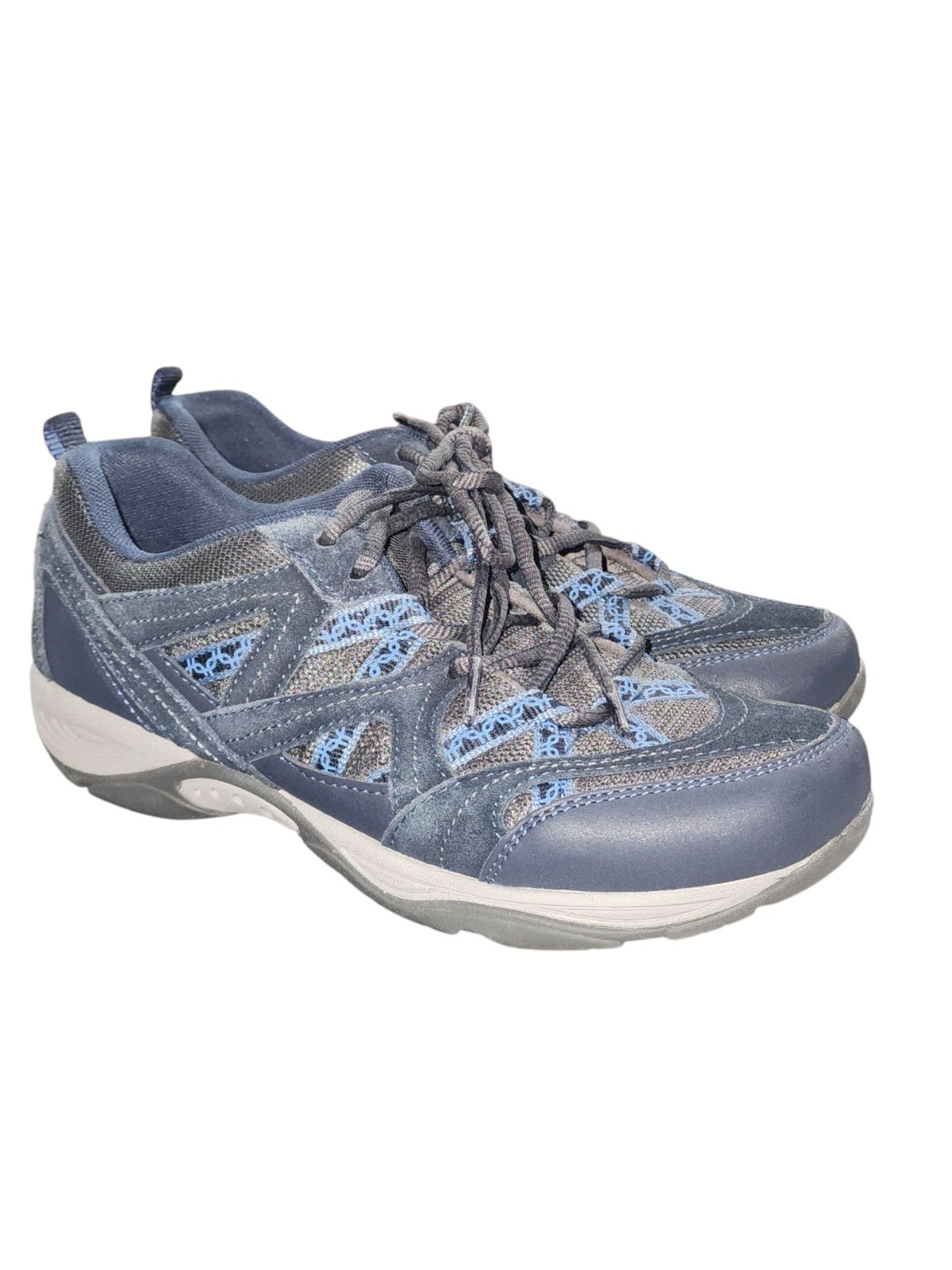
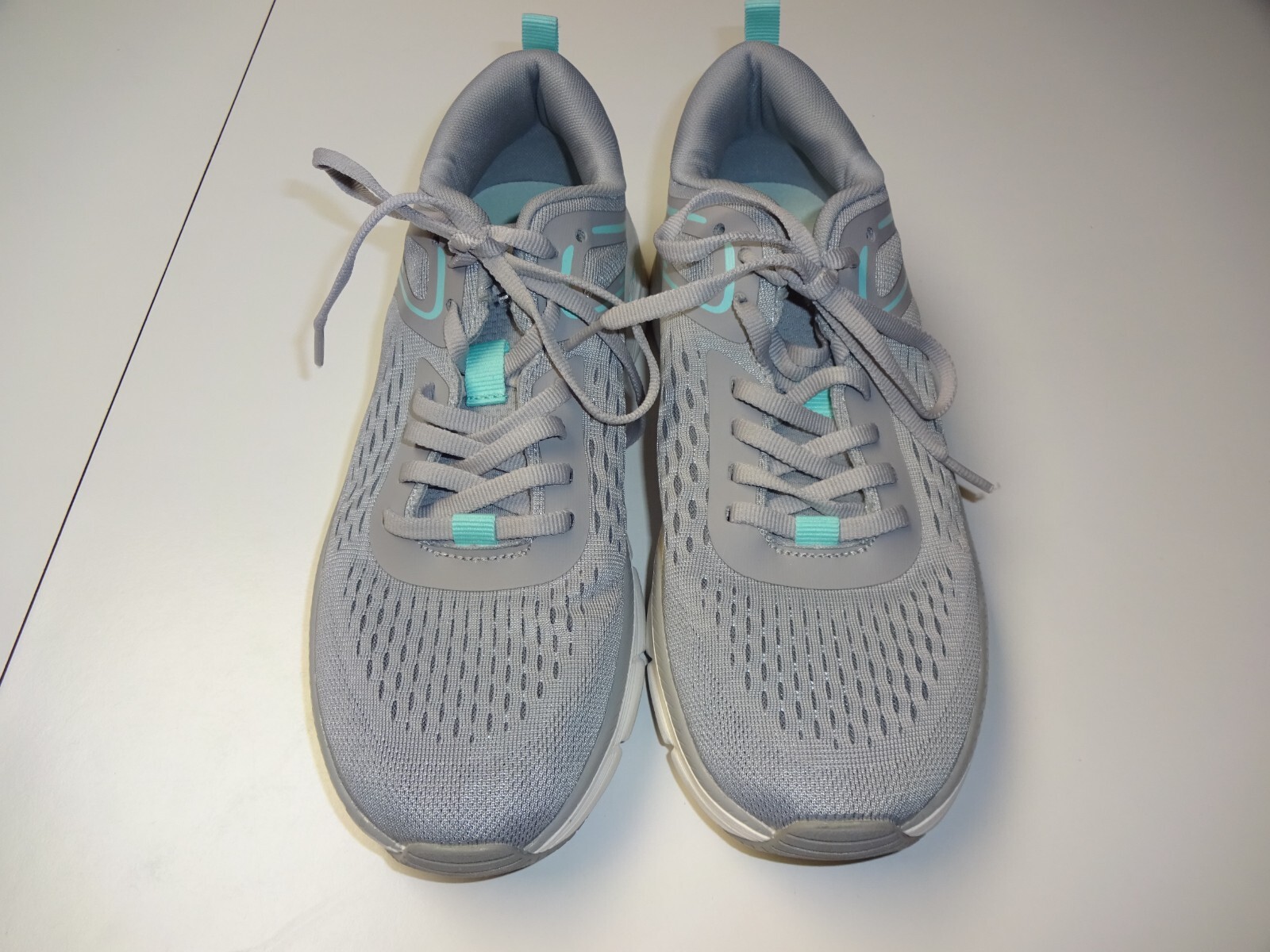
Easy Spirit walking sneakers are generally worth buying for individuals with mild to moderate osteoarthritis because they prioritize lightweight construction, shock-absorbing midsoles, and extensive width options. While they lack the rigid motion control of high-end orthopedic brands, their affordability and pressure-relieving designs make them an excellent entry-level choice for managing joint pain.
Osteoarthritis (OA) is a degenerative joint disease that affects millions of adults, frequently targeting the weight-bearing joints of the feet, ankles, knees, and hips. For those living with this condition in 2026, footwear is not merely a fashion choice but a critical medical tool used to manage pain and maintain mobility. Easy Spirit has long been a staple in the "comfort footwear" category, but whether their sneakers meet the rigorous demands of an osteoarthritic foot depends on the specific stage of the disease and the user's biomechanical needs.
The Biomechanics of Osteoarthritis and Footwear
To understand if Easy Spirit sneakers are effective, one must first understand the mechanical requirements of an osteoarthritic joint. Osteoarthritis involves the breakdown of cartilage, the protective tissue that cushions the ends of the bones. In the feet, this often manifests in the first metatarsophalangeal joint (the big toe), the midfoot, or the ankle.
When cartilage is lost, the "shock absorber" of the body is compromised. Every time your foot hits the pavement, a Ground Reaction Force (GRF) travels up the kinetic chain. For a healthy individual, this force is dissipated by cartilage and soft tissue. For someone with OA, that force is transmitted directly to the bone, causing pain and further inflammation.
Effective footwear for OA must provide:
- Maximum Shock Attenuation: Utilizing materials like EVA (ethylene-vinyl acetate) or specialized gels to soak up impact.
- Structural Stability: Preventing the foot from rolling excessively (overpronation or supination), which can torque the knee and hip joints.
- A Deep Toe Box: Accommodating "bunion" deformities or joint swelling common in OA patients.
- Ease of Entry: Addressing the reality that many OA patients also have arthritis in their hands, making laces difficult to manage.
Evaluating Easy Spirit’s Technical Features for 2026
Easy Spirit has carved out a niche by focusing on what they call "Easy" technology. In 2026, their product line continues to emphasize three pillars: weight reduction, cushioning, and accessibility.
Lightweight Construction and Energy Conservation
One of the most significant benefits of Easy Spirit sneakers, such as the iconic Romy model, is their remarkably low weight. For a patient with knee or hip osteoarthritis, the weight of a shoe matters significantly. A heavier shoe requires more effort from the hip flexors and quadriceps to lift the leg during the "swing phase" of gait. This increased muscular effort leads to faster fatigue and can exacerbate joint pain. Easy Spirit’s use of blown-rubber outsoles and lightweight synthetic uppers reduces this burden, making it easier to maintain a natural walking cadence.
Cushioning and Impact Protection
Most Easy Spirit walking shoes feature a multi-density footbed. In 2026, many models have integrated advanced energy-return foams that provide a "squishy" feel without being unstable. For osteoarthritis in the heel or midfoot, this cushioning is vital. However, it is important to note that Easy Spirit’s cushioning is generally softer than the "maximalist" cushioning found in brands like Hoka or New Balance. While soft is comfortable, it can sometimes lack the "rebound" needed for longer walks.
Width and Volume Accommodations
Osteoarthritis often leads to secondary foot deformities like hallux valgus (bunions) or hammertoes. Easy Spirit is one of the few mainstream brands that consistently offers a full range of widths, from Narrow (N) to Extra-Wide (WW). This is a critical factor for OA sufferers. A shoe that is too narrow will compress the metatarsal heads, leading to excruciating "bone-on-bone" pain. The generous volume in the forefoot of Easy Spirit sneakers allows the toes to splay naturally, reducing pressure on sensitive joints.
Detailed Comparison: Easy Spirit vs. Leading Competitors
When deciding if Easy Spirit is "worth it," you must compare them against other orthopedic-friendly brands. In 2026, the market is divided into "comfort-fashion" (Easy Spirit) and "technical-orthopedic" (Brooks, Vionic, Orthofeet).
| Feature | Easy Spirit (e.g., Romy) | Brooks (e.g., Addiction Walker) | Vionic (e.g., Walker) |
|---|---|---|---|
| Primary Benefit | Lightweight/Affordability | Motion Control/Durability | Built-in Arch Support |
| Cushioning Type | Soft EVA Foam | DNA Loft (Adaptive) | Firm Orthotic Insert |
| Weight (Avg) | 7 - 9 oz | 11 - 13 oz | 10 - 12 oz |
| Closure Options | Laces, Velcro, Mules | Laces, Velcro | Laces |
| Price Point | $65 - $95 | $120 - $140 | $100 - $130 |
| Best For | Mild OA/Casual Walking | Severe Overpronation/Knee OA | Plantar Fasciitis + OA |
Limitations: When Easy Spirit Might Not Be Enough
While Easy Spirit sneakers are excellent for many, they are not a universal panacea for all stages of osteoarthritis. There are several scenarios where these shoes might fall short of expectations.
Lack of Rigid Torsional Stability
A common test for shoe quality is the "twist test." If you can easily wring a shoe like a dishcloth, it lacks torsional stability. Many Easy Spirit models are designed for flexibility and comfort, which means they twist easily. For a patient with advanced midfoot osteoarthritis, this flexibility can be a disadvantage. These patients often need a "rocker-bottom" sole or a rigid midfoot shank to prevent the joints of the foot from moving too much during the gait cycle.
Midsole Longevity
Because Easy Spirit uses lighter, softer foams to achieve their signature "walking on air" feel, these materials tend to compress (or "pack out") faster than the high-density polyurethanes used in more expensive medical-grade footwear. In 2026, a daily walker with OA might find that their Easy Spirit sneakers lose their supportive qualities after 4 to 6 months, whereas a more technical shoe might last 8 to 10 months.
Arch Support Specifics
Most Easy Spirit sneakers come with a removable insole, which is a major plus. However, the stock insole provided is often quite flat. For individuals whose osteoarthritis is exacerbated by flat feet (pes planus), the "out of the box" support may be insufficient. The good news is that the deep "bucket" design of shoes like the Romy or the Traveltime allows for the insertion of custom-molded orthotics.
Case Study: The Easy Spirit Traveltime for OA
Though technically a "clog" or "mule," the Traveltime is one of the most recommended shoes for osteoarthritis. In 2026, it remains a bestseller for a specific reason: it solves the "application" problem. Many people with OA in their knees and hips struggle to bend down to tie laces, and those with OA in their fingers find it impossible to grip thin strings. The Traveltime’s slip-on design, combined with a orthotic-friendly deep heel cup, makes it a highly functional choice for indoor and light outdoor use.
Recommended Models for Osteoarthritis in 2026
If you are considering Easy Spirit for your condition, focus on these specific models which have historically performed well for joint preservation:
- The Romy: This is their flagship walking shoe. It features a leather upper that provides more lateral stability than mesh, making it better for ankle OA. The padded collar prevents irritation on the Achilles tendon.
- The Maxine: A newer iteration in the 2026 catalog, this model focuses on a "Level 3" cushioning system, which is their highest tier of impact protection. It is specifically marketed for long-duration standing.
- The Anti-Gravity Series: These models use nitrogen-infused or micro-bubble foams that provide a higher degree of shock absorption per inch of thickness, ideal for those with severe heel pain or knee OA.
Professional Advice and Maintenance
Medical Disclaimer: The following information is for educational purposes and does not constitute medical advice. Always consult a podiatrist or orthopedic specialist before changing your footwear for a diagnosed medical condition.
To get the most value out of Easy Spirit sneakers for osteoarthritis, consider the following expert tips:
- The 500-Mile Rule: Even if the tread looks fine, the internal cushioning of a shoe often fails by the 400-500 mile mark (or roughly 6-8 months of casual use). For an OA patient, a "dead" midsole is a recipe for a pain flare-up.
- The "Squeeze" Test: Periodically squeeze the sides of the heel counter. It should be firm. If the heel counter has become floppy, the shoe is no longer providing the rearfoot stability required to protect your ankles.
- Pair with Orthotics: If you have moderate to severe OA, use the Easy Spirit sneaker as a "vessel." Remove the factory foam and insert a high-quality carbon-fiber or medical-grade foam orthotic to provide the structural integrity the shoe may lack on its own.
Frequently Asked Questions
Are Easy Spirit shoes good for bone-on-bone knee osteoarthritis?
Easy Spirit shoes can be helpful for bone-on-bone knee OA because they are lightweight and provide decent cushioning, which reduces the load on the knee. However, they may not offer enough lateral stability to prevent the "shifting" that causes pain in advanced knee OA. If your knee feels unstable, you may need a shoe with a more flared outsole for a wider base of support.
Can I put my custom orthotics in Easy Spirit sneakers?
Yes. Most Easy Spirit walking models, particularly the Romy and the Traveltime, feature removable footbeds. The internal volume of these shoes is generally sufficient to accommodate most custom or over-the-counter orthotics without making the shoe feel too tight or causing your heel to slip out.
Are Easy Spirit sneakers machine washable?
Some mesh models are marketed as "washable," but for osteoarthritis patients, machine washing is generally discouraged. The heat and agitation of a washing machine can break down the EVA foam and the glues that provide the shoe’s structure. To preserve the shock-absorbing properties—which are critical for OA—spot clean them with mild soap and cold water instead.
Do Easy Spirit sneakers run true to size?
Historically, Easy Spirit sneakers tend to run true to size but are known for having a slightly wider "natural" fit than brands like Nike or Adidas. In 2026, it is still recommended to measure your feet in the afternoon (when they are most swollen) to ensure the best fit for managing osteoarthritis.
Is the "Traveltime" mule stable enough for someone with balance issues related to OA?
While the Traveltime is convenient, it is a backless shoe. For individuals with significant balance issues or ankle instability caused by osteoarthritis, a full-backed sneaker like the Romy is a safer choice. The lack of a heel counter in a mule can lead to "heel shear," which may increase the strain on the ankle joint.
Final Verdict: Is it Worth It?
For the majority of people managing the daily aches of mild to moderate osteoarthritis, Easy Spirit walking sneakers are a highly cost-effective and physically supportive choice. Their strength lies in their accessibility—offering wide widths and easy-on designs that many technical athletic brands ignore.
However, if your condition requires professional-grade motion control or if you are an exceptionally heavy walker, you may find that the midsole life of an Easy Spirit shoe is too short. In that case, they are best used as a secondary "house shoe" or for light errands, while a more robust orthopedic shoe handles your primary exercise. If you prioritize a lightweight feel and immediate out-of-the-box comfort, Easy Spirit remains one of the best values on the market in 2026.