The Army National Guard (ARNG) is currently integrating advanced synthetic environments and virtual training platforms to maintain high-level combat readiness despite limited drill time and geographic dispersion. By leveraging Distributed Mission Operations (DMO) and high-fidelity simulators, the ARNG is shifting from traditional, range-heavy training cycles toward a persistent, tech-enabled readiness model that bridges the gap between home-station training and active-duty standards.
The Shift Toward Synthetic Training Environments
The modern operational landscape requires the Army National Guard to operate with the same proficiency as Active Component units, yet the ARNG faces distinct constraints. Soldiers in the Guard often balance civilian careers with their military service, limiting the time available for live field exercises. To solve this, the ARNG is aggressively adopting the Synthetic Training Environment (STE), a framework designed to provide a single, unified interface for collective training.
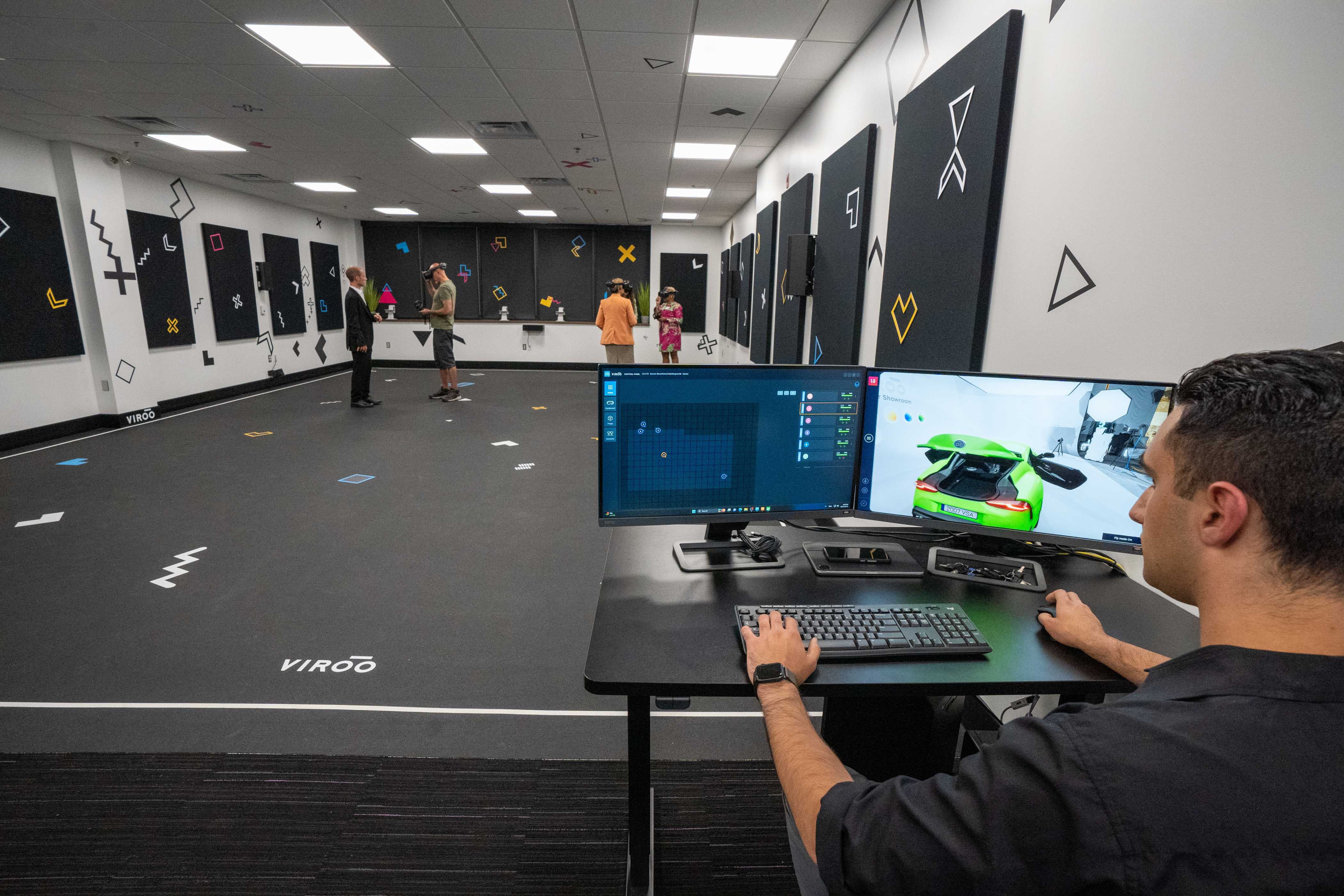
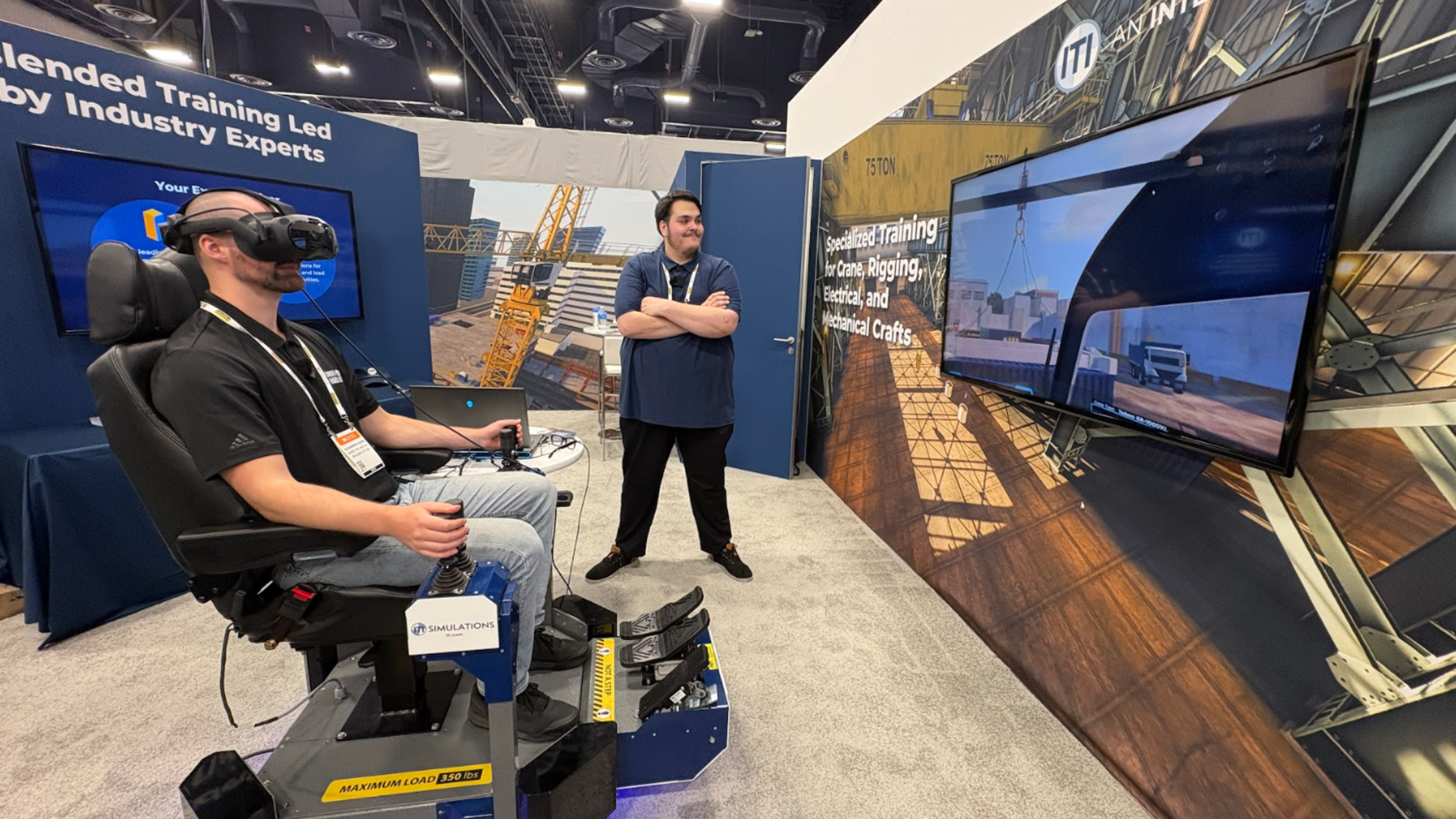
The future of virtual training within the ARNG is not merely about replacing physical movement; it is about augmenting the complexity of training. By utilizing virtual reality (VR) and augmented reality (AR) goggles alongside high-fidelity simulators for tactical vehicles, aviation, and command post operations, the ARNG allows units to conduct rehearsals that would otherwise be cost-prohibitive or logistically impossible. These systems permit leaders to simulate complex, multi-domain operations—combining cyber, electronic warfare, and traditional kinetic maneuvers—all from a local armory or state-level training facility.
Enhancing Readiness Through Distributed Mission Operations
Distributed Mission Operations (DMO) serves as the backbone of the ARNG’s virtual strategy. Historically, training required moving entire battalions to major installations like the National Training Center (NTC). While live, "dirt-moving" exercises remain essential, they represent only a fraction of the necessary training days. DMO allows dispersed units to connect their simulators across different states, creating a unified virtual battlefield where a tank platoon in one state can conduct fire coordination with an artillery battery in another.
This interconnected approach addresses the "readiness paradox" of the National Guard: the need for high-level tactical integration versus the reality of decentralized home stations. Through cloud-based rendering and low-latency network architectures, the ARNG can now execute command-and-control (C2) exercises that are statistically comparable to those performed by active-duty counterparts. This ensures that when an ARNG unit is mobilized, they are not spending the first phase of their deployment relearning how to communicate across disparate platforms; they have already mastered these digital workflows during their training year.
Technical Infrastructure and Tactical Requirements
The transition to virtual training requires a robust technical foundation. The ARNG has invested in transportable training systems that can be deployed to armories, significantly reducing the "distance to training" for guardsmen. Key technical components of this infrastructure include:
- High-Bandwidth Network Integration: Utilizing the Army’s Joint Enterprise Network to support data-heavy simulation traffic without compromising security.
- Persistent Training Modules: Shifting away from "one-off" simulation events toward persistent access, where squads can jump into a virtual environment on short notice for refresher drills.
- After-Action Review (AAR) Integration: Advanced software that logs every decision and shot within the virtual environment, providing commanders with data-driven analytics on unit performance, which allows for precise identification of skill gaps.
These systems are not designed to eliminate the physical exertion of training; rather, they are designed to maximize the quality of the time spent in the field. By "validating" basic proficiency in a virtual environment, commanders can ensure that when they do get their soldiers on the ground for live fire, the team is already past the basic crawl-walk phase and ready to execute complex maneuvers.
Comparative Analysis: Traditional vs. Virtual Training
To understand the transformation, it is essential to compare the traditional training model with the emerging virtual-integrated model.
| Feature | Traditional Live Training | Virtual/Synthetic Training |
|---|---|---|
| Availability | Requires travel to major ranges | Available at local armories |
| Cost Per Event | High (Fuel, logistics, sustainment) | Lower (Hardware lifecycle costs) |
| Complexity | Limited by land and safety buffers | Unlimited (Multi-domain scenarios) |
| Feedback Loop | Subjective observer-controller | Real-time data and metrics |
| Frequency | Quarterly/Annually | On-demand/Persistent |
The table above illustrates why the ARNG is moving toward a hybrid model. While live training remains the gold standard for physical rigor and equipment maintenance, virtual training provides the cognitive and decision-making reps required for complex, modern warfare.
Overcoming Operational Limitations
Despite the rapid adoption of virtual training, the ARNG faces significant hurdles. One of the most prominent is "simulator fidelity." If the virtual experience does not perfectly replicate the physical controls, sight pictures, or environmental stressors of the real equipment, soldiers may develop negative training habits. To mitigate this, the Army is transitioning toward open-architecture systems that allow for modular upgrades. This means when a new version of an infantry fighting vehicle or an electronic warfare suite is fielded, the simulation can be updated via software rather than requiring the purchase of entirely new physical simulator hardware.
Another challenge is user adoption. Senior leaders must transition from viewing simulators as "video games" to viewing them as critical "mission systems." The cultural shift requires a commitment to integrating virtual windows into the Standard Training Management System (STMS). In 2026, the focus for the ARNG is on institutionalizing these systems so that virtual training is codified into the commander’s assessment of their unit's readiness status.
The Role of Data and AI in Future Training
Looking toward the next decade, the ARNG is integrating Artificial Intelligence (AI) into its synthetic environments. Current systems, while effective at rendering the environment, often lack realistic opposing force (OPFOR) behavior. By introducing AI-driven, adaptive enemies that learn from the unit's tactics, the virtual environment becomes a far more unpredictable and challenging teacher.
This development is crucial for junior leaders. Sergeants and lieutenants who have traditionally been limited by the predictable, static nature of older training simulations now face AI adversaries that react to their maneuver decisions in real-time. This forces them to think critically under pressure, fostering the leadership qualities necessary for high-intensity conflicts where communication might be degraded and decentralized.
Frequently Asked Questions
How does virtual training count toward drill credit? The ARNG has updated training guidelines to allow for specific simulations to be credited toward annual training requirements. Commanders must certify that the simulation meets the specific training objectives laid out in the unit’s mission-essential task list (METL).
Is virtual training replacing live field exercises? No. Virtual training is a force multiplier intended to increase the frequency of high-quality repetitions. It is designed to prepare units to excel during their live-fire exercises, not to replace the essential physical maintenance and collective movement experience gained in the field.
What is the impact of low-latency networking on local armories? The ARNG is continuously upgrading the network infrastructure at local armories to ensure that virtual training platforms can communicate without lag. This allows for seamless, real-time synchronization between geographically separated units.
Can soldiers use these systems for individual certification? Yes. Certain platforms allow for individual proficiency testing, such as marksmanship or vehicle operation protocols. This allows soldiers to maintain their certifications even if their wider unit is not currently in a group training cycle.
How is security maintained in a virtual environment? All synthetic training environments are operated on secured, closed networks that adhere to the same cybersecurity protocols as tactical command and control systems, ensuring that training data remains protected.
Practical Next Actions for Units
For ARNG units looking to maximize the benefit of virtual training in 2026, the primary goal should be the integration of virtual windows into the long-range training calendar. Commanders should reach out to their state’s training and exercise officer (G3) to determine the availability of regional simulator hubs.
Units should move beyond treating simulators as optional. Instead, prioritize a "Virtual-First" approach for planning stages, where platoon and squad leaders use the synthetic environment to walk through their tactical operations orders (OPORDs) before they ever arrive at a physical range. By treating the simulation as a rehearsal space rather than a replacement for training, units can significantly raise their baseline readiness, ensuring that every minute spent at a physical training facility is used to its absolute maximum potential.