Aetna Better Health administers Medicaid and managed long-term care plans across multiple states, providing eligible members with comprehensive medical care, behavioral health services, prescription drug coverage, and specialized wellness programs at little to no out-of-pocket cost.
Navigating managed healthcare can present significant administrative hurdles, particularly when balancing state-specific eligibility guidelines, managed care organization rules, and complex medical benefit structures. Aetna Better Health operates as a specialized subsidiary of CVS Health, focusing specifically on government-sponsored healthcare programs, including Medicaid, Children's Health Insurance Programs (CHIP), and Medicare-Medicaid dual-eligible plans. Understanding how to maximize these benefits requires a systematic approach to verifying enrollment, identifying covered services, utilizing provider networks, and engaging with member support systems. This guide explores the foundational components of Aetna Better Health plans, detailing how members can access care, understand their rights, and resolve administrative challenges effectively.
Understanding Aetna Better Health and Managed Medicaid
Managed Medicaid is a system where state governments contract with private insurance companies to deliver Medicaid benefits and health services. Aetna Better Health acts as an intermediary, assuming financial risk and administrative responsibility for managing healthcare delivery for enrolled beneficiaries. Because Medicaid is jointly funded by federal and state governments, the specific structure, benefits, and nomenclature of Aetna Better Health plans vary significantly depending on the state in which the member resides.
For example, an individual enrolled in Aetna Better Health of Pennsylvania will experience different formulary lists, copay structures, and specialized program availability compared to someone enrolled in Aetna Better Health of Virginia, Illinois, Texas, or Florida. Despite these regional discrepancies, the core objective remains consistent: to deliver cost-effective, coordinated care that emphasizes preventative medicine, chronic disease management, and equitable healthcare access. Members must recognize that their state’s department of health or human services ultimately dictates baseline eligibility, while Aetna Better Health administers the day-to-day operational details, provider credentialing, and claims processing.
Determining Eligibility and Enrollment Pathways
Before utilizing any healthcare services under an Aetna Better Health plan, an individual must establish active enrollment. Eligibility for Medicaid and managed care programs is rarely determined directly through Aetna; instead, it is managed through state-level government agencies or county assistance offices.
State-Level Eligibility Criteria
Eligibility is generally determined by household income relative to the Federal Poverty Level (FPL), household size, age, pregnancy status, disability status, or citizenship. States that have expanded Medicaid under the Affordable Care Act allow low-income adults under age 65 to qualify based primarily on modified adjusted gross income (MAGI).
Enrollment Mechanisms
Once an applicant is deemed eligible for Medicaid by the state, they are typically given the option to select a managed care organization (MCO). If an individual does not proactively choose an MCO during the open enrollment window, the state health department may automatically assign them to an organization like Aetna Better Health based on historical provider relationships or geographic algorithms. Members can verify their active enrollment status, effective dates, and assigned plan details by logging into their state’s Medicaid enrollment portal or by contacting the state health department directly.
Core Benefits and Covered Services
While covered services differ by state contract, federal guidelines mandate that all managed Medicaid plans provide a robust suite of essential health benefits. Aetna Better Health plans generally structure their benefits into several core categories designed to address both acute medical needs and long-term wellness.
| Benefit Category | Typical Services Included |
|---|---|
| Primary & Preventive Care | Annual physicals, immunizations, well-child visits, routine screenings, and diagnostic laboratory testing. |
| Hospital & Emergency Services | Inpatient/outpatient hospital stays, emergency room care, urgent care centers, and ambulance transport. |
| Behavioral Health | Outpatient mental health counseling, psychiatric care, substance use disorder treatment, and crisis services. |
| Pharmacy Benefits | Prescription drug coverage, generic and brand-name medications, and clinical pharmacy management. |
| Maternal & Child Health | Prenatal care, postpartum support, lactation services, and early intervention pediatric programs. |
Beyond these mandatory categories, many Aetna Better Health plans offer value-added benefits that exceed baseline state requirements. These can include over-the-counter (OTC) health product allowances, gym memberships or fitness program access, structured weight-management support, and specialized transportation services for non-emergency medical appointments. Members should review their specific member handbook or online portal to confirm which value-added benefits apply to their plan tier and geographic region.
Accessing Care and Utilizing the Provider Network
One of the most critical aspects of managing health benefits is understanding how to find and utilize in-network providers. Aetna Better Health maintains a managed care network consisting of primary care physicians (PCPs), specialists, hospitals, diagnostic facilities, and pharmacies.
Selecting and Changing a Primary Care Physician
Upon enrollment, members are typically required to select a PCP who acts as the central hub for their healthcare coordination. The PCP manages routine health concerns, provides preventative care, and issues referrals to medical specialists when advanced interventions are necessary. Members can change their designated PCP at any time—usually through their online member account or by calling member services—with changes typically taking effect at the beginning of the following calendar month.
Network Adequacy and Out-of-Network Rules
Seeing an in-network provider ensures that services are covered without unexpected billing. Aetna Better Health contracts with specific medical professionals who agree to accept plan reimbursement rates as payment in full. Seeking non-emergency care from an out-of-network provider without prior authorization can result in the claim being denied, leaving the member financially responsible for the service costs. In true medical emergencies, federal and state regulations protect members from balance billing, ensuring that emergency room visits are covered regardless of whether the treating facility participates in the Aetna network.
Pharmacy Benefits and Prescription Management
Medicaid managed care plans include comprehensive pharmacy benefits governed by a preferred drug list (PDL) or formulary. The formulary is a clinical catalog of prescription medications approved for coverage by the plan, categorized by tiers that denote cost-sharing rules and authorization requirements.
Understanding the Formulary
Medications on the preferred list are generally covered with little to no copayment for eligible members. However, certain drugs may require prior authorization (PA), meaning the prescribing physician must submit clinical documentation proving that the medication is medically necessary before the plan will approve coverage. Other administrative protocols may include step therapy, which requires a member to try and fail a preferred first-line medication before the plan will authorize a more expensive alternative.
Filling Prescriptions
Members receive an insurance identification card specifically for pharmacy benefits. This card must be presented at participating retail pharmacies—which include major national chains as well as independent community pharmacies contracted with the Aetna network. Members can use the online provider and pharmacy lookup tools on the Aetna Better Health website to confirm whether their local pharmacy is in-network before dropping off prescriptions.
Member Portal Tools and Digital Resources
Digital self-service tools have become central to modern healthcare administration. Aetna Better Health provides members with a secure online portal and mobile applications designed to streamline benefit management.
Key Digital Capabilities
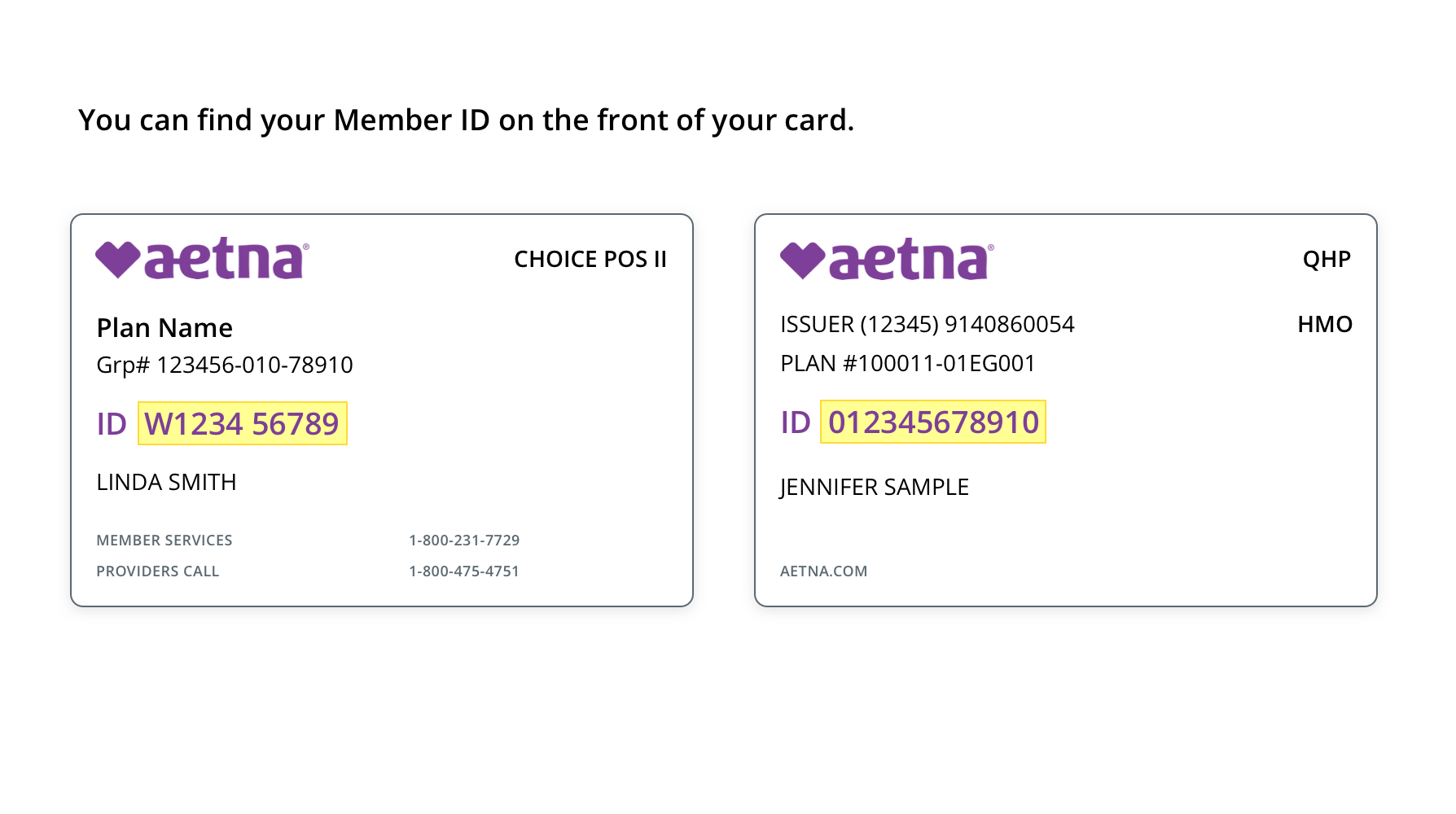
- Digital Member ID Card: Members can view, download, or display a digital replica of their insurance card directly on a smartphone, eliminating the need to carry a physical card.
- Provider Search Engines: Dynamic directory tools allow users to filter local doctors, clinics, urgent care centers, and pharmacies by specialty, language spoken, accessibility, and geographic radius.
- Claims and Utilization Tracking: Members can review historical claims, check the status of pending prior authorizations, and monitor benefit usage limits in real time.
- Wellness Incentive Tracking: Many state plans reward members for completing healthy behaviors—such as getting annual checkups or postpartum visits—with gift cards or financial credits tracked directly through the portal.
Resolving Disputes, Grievances, and Appeals
Administrative friction can occasionally occur, ranging from denied prior authorization requests to billing errors. Aetna Better Health maintains a formal process for members to challenge adverse benefit determinations.
Grievances vs. Appeals
It is essential to distinguish between a grievance and an appeal. A grievance is an expression of dissatisfaction regarding the quality of care, customer service interactions, or facility cleanliness. An appeal is a formal request to overturn an adverse benefit determination, such as a denied service, reduced medication quantity, or terminated authorization.
The Appeal Process
When Aetna Better Health denies a service or payment, the member receives a formal written notice called an Explanation of Benefits (EOB) or Notice of Action. This document outlines the clinical or administrative reason for the denial and details the exact steps required to file an appeal. Members typically have 60 calendar days from the date of the notice to submit an appeal in writing or via phone. For urgent medical situations where waiting for a standard review could seriously jeopardize the member’s life or health, an expedited appeal can be requested, which forces a expedited clinical review within 72 hours. If internal appeals are exhausted without resolution, members may access state-level fair hearings or independent external review processes.
Frequently Asked Questions
Do I have to pay copayments for my Aetna Better Health doctor visits?
Most managed Medicaid plans have little to no cost-sharing for enrolled members. Depending on your specific state rules, household income tier, and the specific service rendered, you may have small nominal copayments, though many vulnerable populations—such as children, pregnant individuals, and those receiving institutional care—are entirely exempt from copays.
What should I do if my doctor tells me a medication is not covered?
If a prescribed medication is not on Aetna Better Health’s preferred drug list, your prescribing physician can request an exception or prior authorization by submitting medical justification. Alternatively, your doctor may be able to switch your prescription to a therapeutically equivalent medication that is already covered under the plan’s formulary.
How do I renew my Medicaid coverage to avoid losing my Aetna benefits?
Medicaid eligibility must be renewed annually through your state’s health department or department of human services, not directly through Aetna. Watch your mail and email for renewal packets sent by your state agency, complete the required paperwork promptly, and submit updated income or household information before the stated deadline to prevent a lapse in coverage.
Can I use my Aetna Better Health benefits if I travel out of state?
Managed Medicaid coverage is generally restricted to emergency and urgent care when you are traveling outside of your home state. Routine medical care, elective procedures, and regular prescription fills outside your service area are typically not covered, meaning you should plan ahead and secure necessary supplies or care before embarking on travel.
How do I request free transportation to my medical appointments?
Many Aetna Better Health plans include non-emergency medical transportation (NEMT) as a covered benefit for eligible members who lack reliable transit. To utilize this service, you must call the transportation broker designated by your plan—typically at least 48 to 72 hours in advance of your scheduled appointment—to schedule a ride to and from a qualified medical provider.
Conclusion and Next Actions
Successfully managing your healthcare through Aetna Better Health requires active engagement, proactive communication with your primary care provider, and regular monitoring of your state-level Medicaid eligibility. To ensure uninterrupted coverage and optimize your health outcomes, log in to your state's eligibility portal to confirm your renewal dates, download the Aetna Better Health mobile application to access your digital member ID card, and review your state-specific member handbook to verify your exact network providers and value-added benefits.