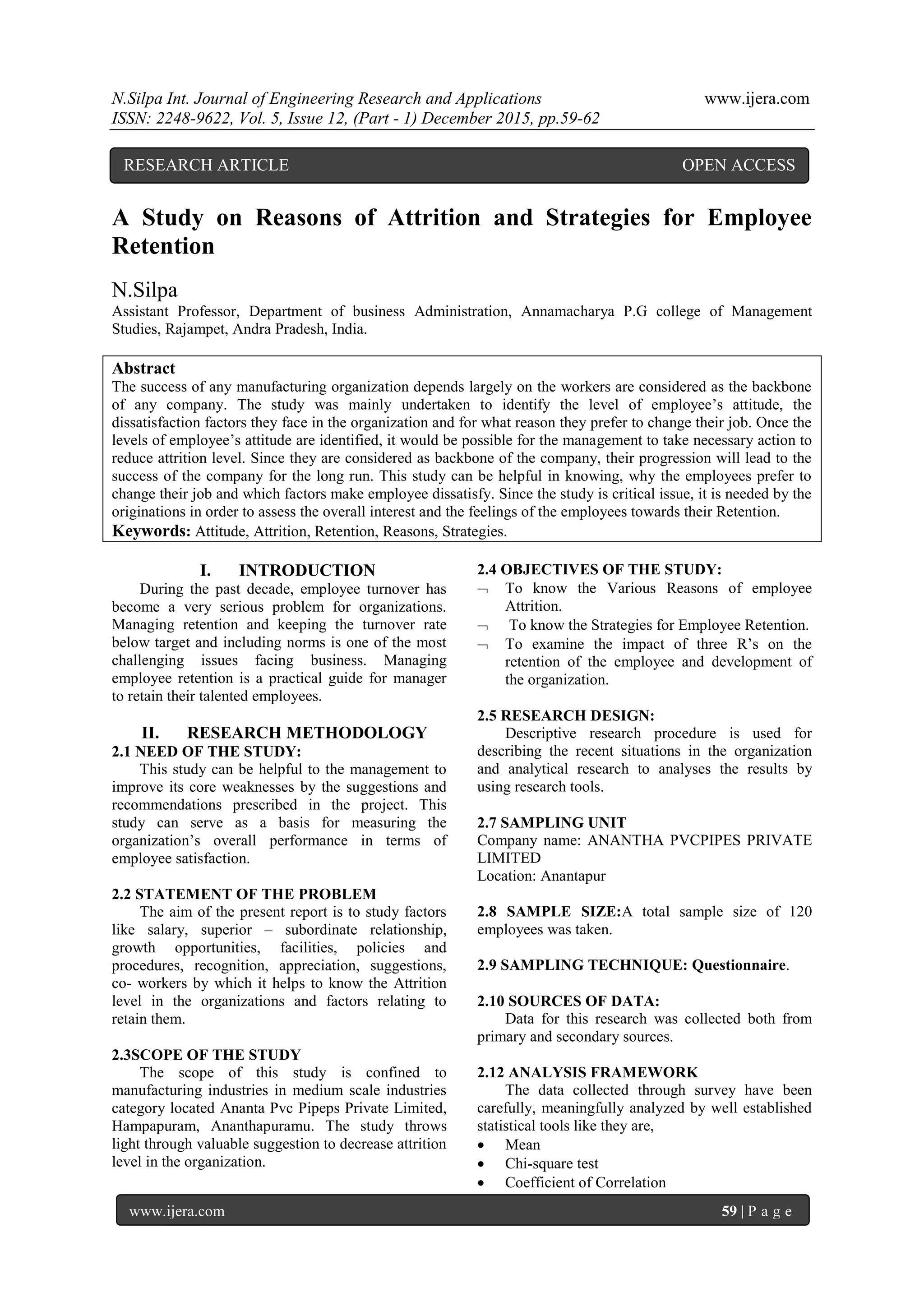
An attrition strategy is a planned organizational approach that leverages natural employee turnover—such as retirements, voluntary resignations, and contract expirations—to reduce overall headcount or rebalance workforce skills without relying on forced layoffs. By combining hiring freezes, selective fill rates, and voluntary separation incentives, organizations lower labor overhead while minimizing legal exposure and preserving company morale.
Defining Attrition Strategy: Core Concepts and Contexts
In enterprise management and strategic Human Resources (HR), an attrition strategy refers to the intentional management of natural employee departures to achieve organizational sizing, budgetary, or structural goals. Rather than issuing immediate termination notices or conducting mass Reductions in Force (RIFs), an executive team using managed attrition allows the normal flow of exits to shrink or reshape the workforce over a defined timeline.
While the term most commonly applies to workforce planning, "attrition" appears across several distinct business and strategic domains. Disambiguating these contexts ensures leadership teams apply the correct operational frameworks:
- Workforce Attrition Strategy (Primary Intent): Managing human capital by controlling replacement rates, offering early retirements, or allowing voluntary departures to reduce payroll expenditure or align skills with evolving market demands.
- Customer Attrition (Churn) Strategy: Operational frameworks in marketing and customer success designed to measure, analyze, and minimize customer loss rates, or strategically exit unprofitable customer segments.
- Contractual Attrition (Hospitality & Events): Specific legal provisions in event planning and hotel group contracts that define the minimum percentage of reserved rooms or meals an organization must pay for, regardless of final attendance.
- Military Strategy (War of Attrition): A military posture aimed at wearing down an adversary's resources, personnel, and morale through sustained, incremental pressure over time.
In organizational leadership and corporate strategy, workforce attrition strategies serve as a measured, lower-friction alternative to structural layoffs.
Strategic Objectives: Why Organizations Adopt Managed Attrition
Deploying an attrition strategy requires balancing time horizons against operational cost goals. Companies typically implement managed attrition under specific financial and structural conditions.
- ATTRITION STRATEGY DRIVERS
- FINANCIAL CONTROL
- Cost Reduction
- Severance Avoidance
- Budget Stabilization
- STRUCTURAL REALIGNMENT
- Skill Set Modernization
- Redeployment Needs
- Automation Transition
- MORALE & BRAND
- Preserved Trust
- Reduced Litigation
- WARN Avoidance
- FINANCIAL CONTROL
1. Cost Realignment Without Immediate Cash Outflows
Traditional layoffs carry substantial upfront costs, including lump-sum severance packages, accrued PTO payouts, outplacement services, and legal reserve allocations. An attrition strategy allows headcount reduction to occur dynamically, lowering salary expense incrementally over 6 to 24 months without triggering sudden capital drains.
2. Skill Set Modernization and Structural Rebalancing
As industries adopt artificial intelligence, automation, and digital infrastructure, legacy job descriptions often become redundant. Rather than terminating workers in declining operational areas, an attrition strategy allows legacy positions to close naturally upon an employee's exit. Capital saved from these unfulfilled requisitions can then be redirected toward hiring specialized talent in growth areas.
3. Preservation of Morale and Psychological Safety
Mass layoffs frequently induce "survivor syndrome" among remaining employees, leading to disengagement, anxiety, and plummeting productivity. By allowing headcount adjustments to occur voluntarily or through natural career shifts, leadership maintains workplace trust and limits reputational damage on employer review platforms.
4. Mitigation of Legal and Regulatory Exposure
In many jurisdictions, sudden mass terminations trigger strict regulatory obligations, such as the Worker Adjustment and Retraining Notification (WARN) Act in the United States or mandatory collective consultation periods in Europe. Planned attrition reduces the probability of wrongful termination claims, age discrimination lawsuits, and regulatory penalties.
Core Components of an Attrition Strategy
A successful attrition strategy requires active governance. Unmanaged turnover can create severe operational gaps if key positions remain unfilled. Organizations utilize four primary levers to manage attrition effectively.
Selective Hiring Freezes and Fill-Rate Management
A blanket hiring freeze blocks all incoming requisitions, which can paralyze revenue-generating units. Strategic attrition relies on controlled fill rates (e.g., replacing only 1 out of every 3 departing employees) or requiring executive-level approval for critical backfills. This selective process ensures core operational functions remain intact while overall headcount declines.
Voluntary Separation Incentive Programs (VSIPs)
When natural turnover is too slow to meet target financial timelines, companies introduce voluntary exit packages. These Voluntary Separation Incentive Programs (VSIPs) or Voluntary Early Retirement Authority (VERA) frameworks offer financial packages—such as enhanced severance pay, extended health benefits, or accelerated stock vesting—to employees who choose to resign within a specific window.
Internal Mobility and Talent Redeployment
To prevent skill gaps in vital departments when positions open, organizations transfer existing staff from lower-priority units. Internal talent marketplaces allow employees whose roles are sunsetting to transition into open, high-priority functions, retaining institutional knowledge while eliminating external hiring expenses.
Workflow Automation and Process Redesign
As departments shrink through attrition, remaining staff can become overloaded if workloads remain unchanged. Strategic workforce attrition must be coupled with process simplification, workflow automation, and task elimination to maintain productivity without causing employee burnout.
Managed Attrition vs. Involuntary Layoffs (Reductions in Force)
Choosing between an attrition-based reduction and a formal Reduction in Force (RIF) depends on organizational urgency, budget constraints, and risk tolerance.
| Operational Metric | Managed Attrition Strategy | Involuntary Layoff (RIF) |
|---|---|---|
| Implementation Speed | Gradual (6 to 24 months) | Immediate (Days to weeks) |
| Upfront Cash Expenditure | Low to Moderate (Incentive payouts optional) | High (Immediate severance, legal reserves, outplacement) |
| Impact on Organizational Culture | Low to Moderate (Preserves workplace trust) | Severe (Triggers survivor guilt and disengagement) |
| Control Over Exit Selection | Low (Employees decide whether to depart) | High (Management targets specific roles/people) |
| Risk of "Brain Drain" | High (Top performers have outside market options) | Moderate (Mitigated by targeted selection criteria) |
| Legal & Regulatory Risk | Low (Voluntary departures limit litigation) | High (Requires WARN Act compliance, severance agreements) |
| Employer Brand Reputation | Neutral to Positive | Frequently Negative (Public relations scrutiny) |
Navigating the Hidden Risks of Attrition Strategies
While attrition strategies avoid the immediate pain of mass layoffs, unmanaged execution introduces operational risks that leadership must actively address.
The Adverse Selection Paradox ("Brain Drain")
The primary vulnerability of voluntary exit programs is adverse selection. High-performing employees with in-demand skills have the highest market mobility. When an organization offers voluntary separation packages or creates an uncertain environment via prolonged hiring freezes, top talent may leave first, while lower-performing staff choose to stay for job security.
Mitigation: Structuring voluntary programs with strict eligibility criteria, retention bonuses for mission-critical roles, and executive veto rights over high-impact positions.
Unplanned Workload Creep and Burnout
If an organization allows headcount to decline without stopping low-priority work, the remaining workforce absorbs the extra tasks. Over time, this leads to chronic stress, declining output quality, and a second wave of uncontrolled resignations among crucial staff.
Mitigation: Conducting regular "work-stop" audits to systematically cancel low-impact projects alongside headcount reductions.
Institutional Knowledge Erosion
When senior workers retire or depart without overlap periods, legacy systems, operational context, and key client history often vanish.
Mitigation: Establishing formal knowledge-transfer protocols, documentation mandates, and part-time mentoring contracts prior to approving voluntary exit packages.
Step-by-Step Implementation Framework
Executing an attrition strategy requires coordination across HR, finance, legal counsel, and operational leadership.
- PHASE 1: Baseline Audit & Predictive Turnover Modeling
- Calculate historic voluntary attrition rates by department
- Identify mission-critical vs. non-essential roles
- PHASE 2: Governance & Incentive Structuring
- Define approval thresholds for backfilling vacancies
- Structure voluntary separation/early retirement packages
- PHASE 3: Work Redesign & Redeployment Execution
- Audit and cancel low-value tasks and secondary initiatives
- Shift qualified staff via internal talent marketplaces
- PHASE 4: Continuous Analytics & Mid-Course Adjustments
- Track voluntary loss rates against financial targets
- Intervene with retention incentives if critical skills drain
Phase 1: Audit and Predictive Modeling
Before freezing requisitions, analyze historical turnover data, projected retirements, and current compensation structures across every business unit.
- Establish baseline annual voluntary attrition rates by department (typically 5% to 15% depending on the industry).
- Categorize positions into Core/Non-Replaceable (requires immediate fill) and Flexible/Redundant (eligible for absorption upon vacancy).
- Project budget savings across 6-, 12-, and 18-month windows based on estimated exit velocities.
Phase 2: Design Governance and Incentive Structures
Construct legal frameworks and internal controls before announcing any public initiatives.
- Establish a Central Replacement Committee to evaluate every backfill request against corporate financial metrics.
- Draft Voluntary Separation Incentive Package (VSIP) guidelines, ensuring eligibility rules comply with age discrimination laws (such as the Age Discrimination in Employment Act in the U.S.).
- Set clear application windows (e.g., a 30-day decision window) to prevent operational dragging.
Phase 3: Implement Work Redesign and Knowledge Transfer
Parallel to financial planning, adjust daily operations to accommodate reduced staffing levels.
- Deprecate unnecessary internal reporting and low-value administrative tasks.
- Deploy cross-training programs to ensure remaining team members share operational responsibilities.
- Mandate structured exit interviews and technical walkthroughs for departing personnel.
Phase 4: Monitor Analytics and Adjust Strategy
Workforce attrition programs are dynamic. Leadership must continuously track data to prevent unintended side effects.
- Monitor key exit metrics weekly: departure rates by department, performance ratings of exiting staff, and employee net promoter scores (eNPS).
- Apply targeted retention agreements (such as stay bonuses or retention grants) if high-performer attrition exceeds acceptable thresholds.
- Re-open selective external recruitment if natural turnover outpaces operational continuity in vital divisions.
Frequently Asked Questions
What is a normal or healthy natural attrition rate?
Average voluntary attrition rates vary significantly by sector. According to benchmarks from the U.S. Bureau of Labor Statistics, overall monthly quit rates across general industry hover around 1.5% to 2.5% (roughly 12% to 20% annually). Professional services and technology often experience 10% to 15% annual voluntary turnover, whereas retail and hospitality frequently exceed 50%. A managed attrition strategy uses these baseline expectations to plan headcount adjustments without external hiring.
How does management prevent top performers from taking voluntary exit packages?
To safeguard key talent during a voluntary separation program, companies build explicit eligibility guardrails into the plan governance. Organizations can restrict incentive packages to specific job families, locations, or tenure tiers, excluding high-demand software engineering or revenue-producing units entirely. Additionally, plan terms should grant management final discretionary approval over all voluntary exit applications.
Can an attrition strategy be used alongside targeted hiring?
Yes. Modern strategic workforce planning frequently combines voluntary headcount reduction in legacy divisions with active external recruitment in strategic growth sectors. This dual approach—sometimes termed "re-skilling the organization"—allows a company to keep overall payroll expenses flat while reallocating human capital toward high-margin business opportunities.
What is the difference between voluntary attrition and involuntary attrition?
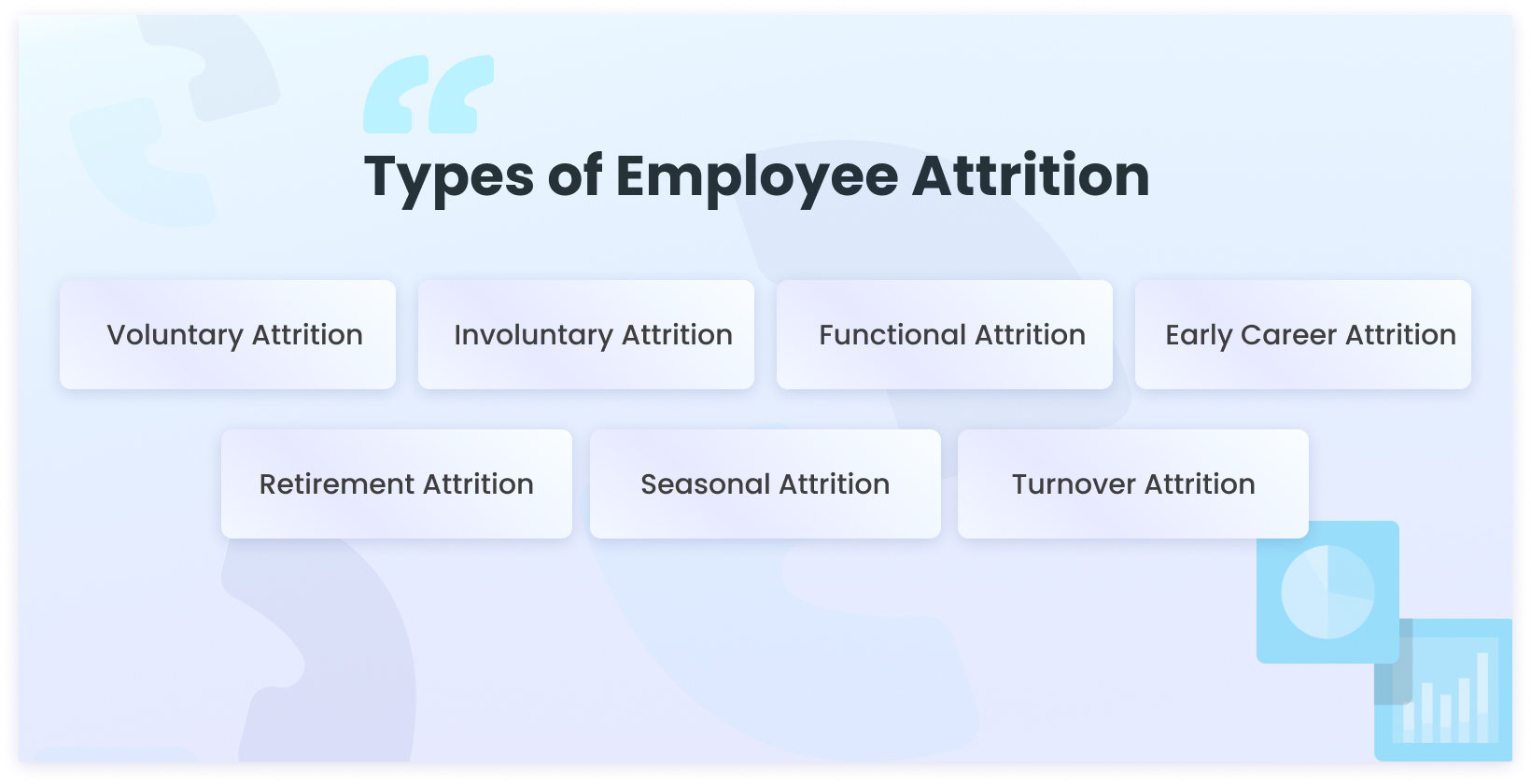
Voluntary attrition occurs when an employee chooses to leave the organization independently—through resignation, retirement, or declining to renew a employment contract. Involuntary attrition occurs when management initiates the separation due to poor performance, misconduct, or operational restructuring (such as role elimination or direct layoffs).
What does "attrition strategy" mean in event planning or hotel contracts?
In hospitality and event management, an attrition strategy refers to managing the contractual risk of room blocks and caterer guarantees. Hotels typically include an attrition clause requiring event organizers to pay for a set percentage of agreed-upon rooms (often 80% to 90%) even if guests do not book them. Organizers manage this risk by negotiating lower minimum guarantees, setting phased audit deadlines, or using historical attendee data to prevent attrition penalty fees.
Recommendations and Next Actions
Executing an effective workforce attrition strategy requires aligning cost objectives with talent retention. Leaders planning a managed reduction should take the following initial steps:
- Calculate Operational Baseline: Audit your organization's annual voluntary turnover by department over the past three years to determine your natural headcount reduction baseline.
- Conduct Workload Audits: Identify non-essential tasks, legacy reporting, and operational bottlenecks that can be eliminated before freezing backfills.
- Establish Centralized Fill Governance: Remove hiring authority from individual managers and require executive approval for all backfill requisitions.
- Ring-Fence Key Talent: Define mission-critical roles and top performers early, excluding them from voluntary separation offers and securing them with targeted retention agreements.
By controlling fill rates, offering structured voluntary incentives, and systematically reducing redundant tasks, organizations can achieve their long-term cost targets while building a more resilient talent pipeline.