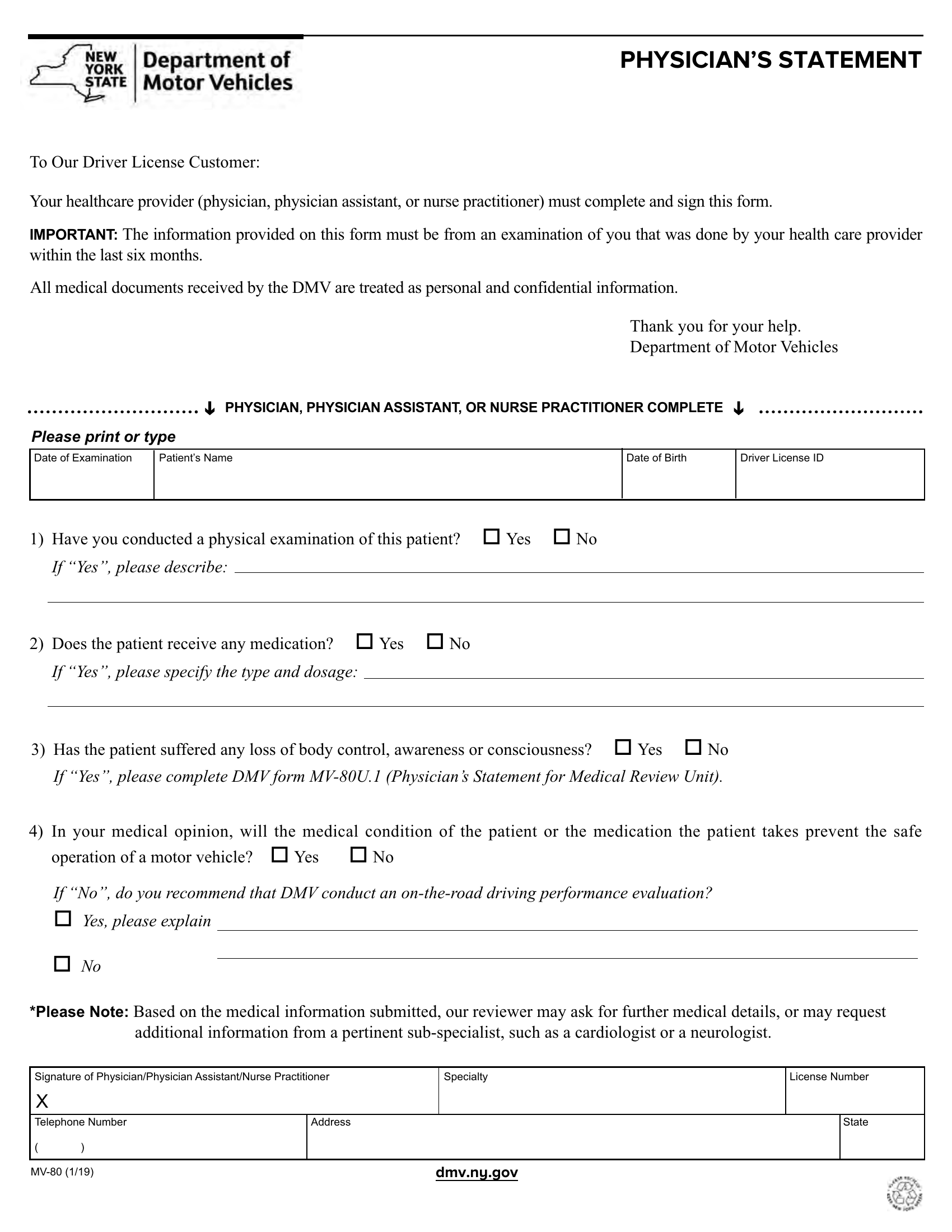
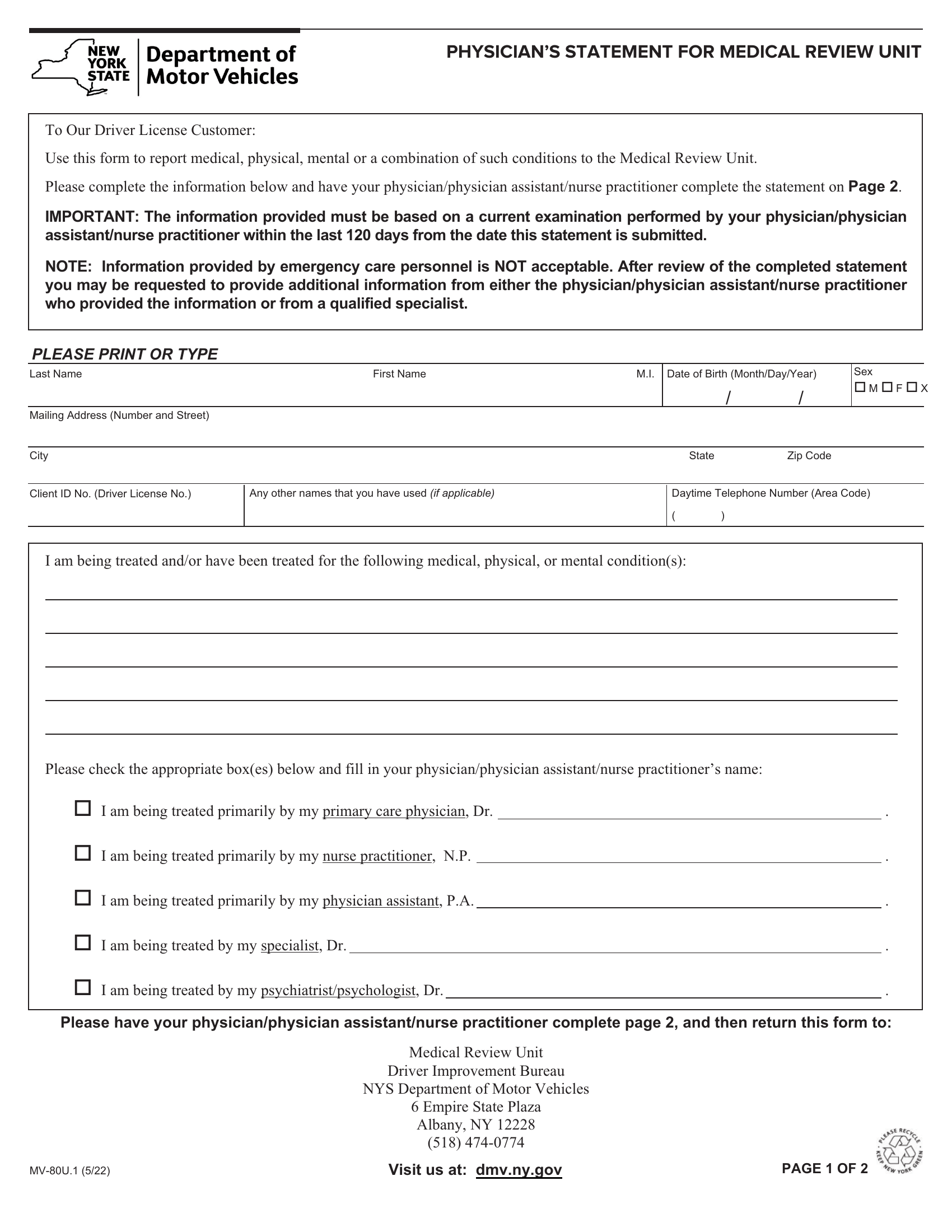
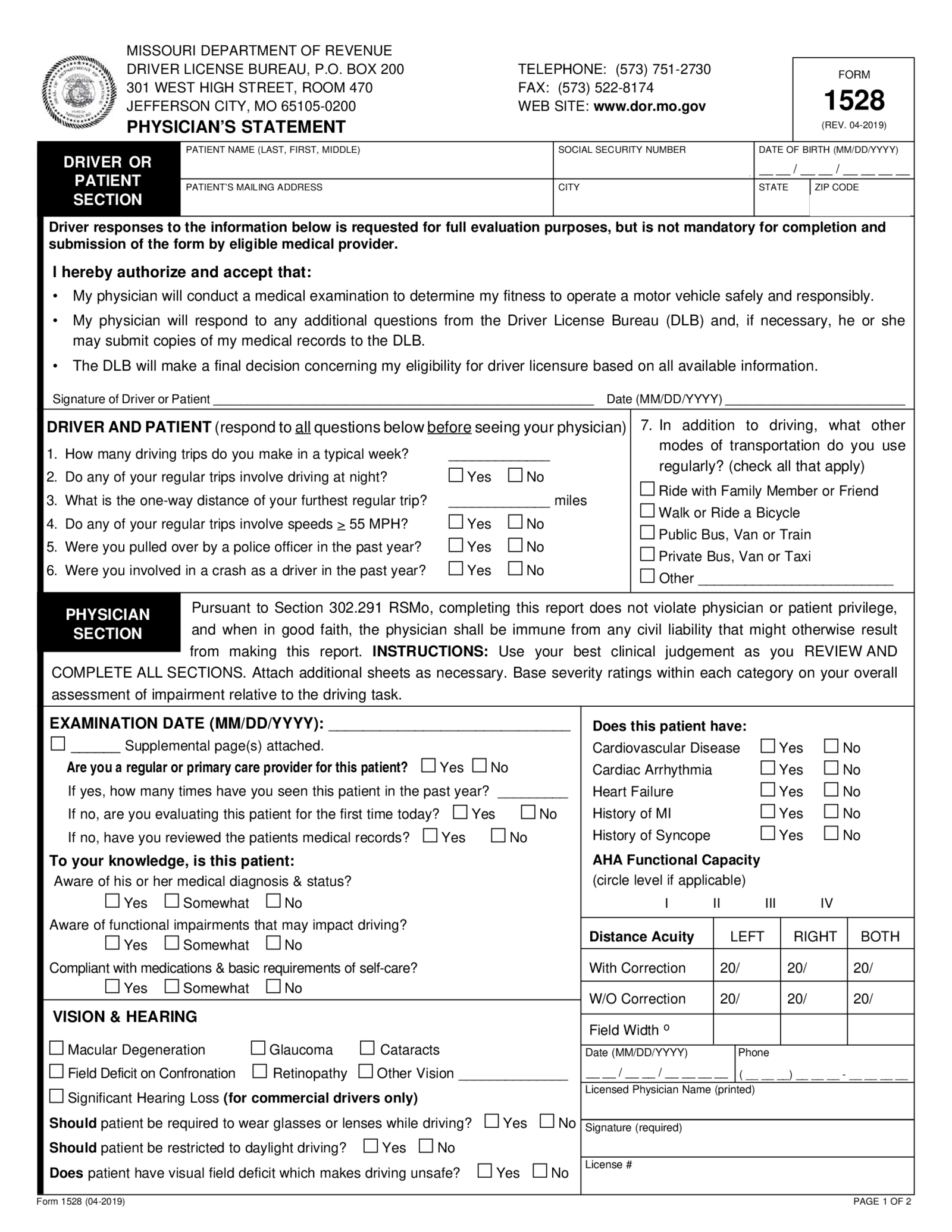
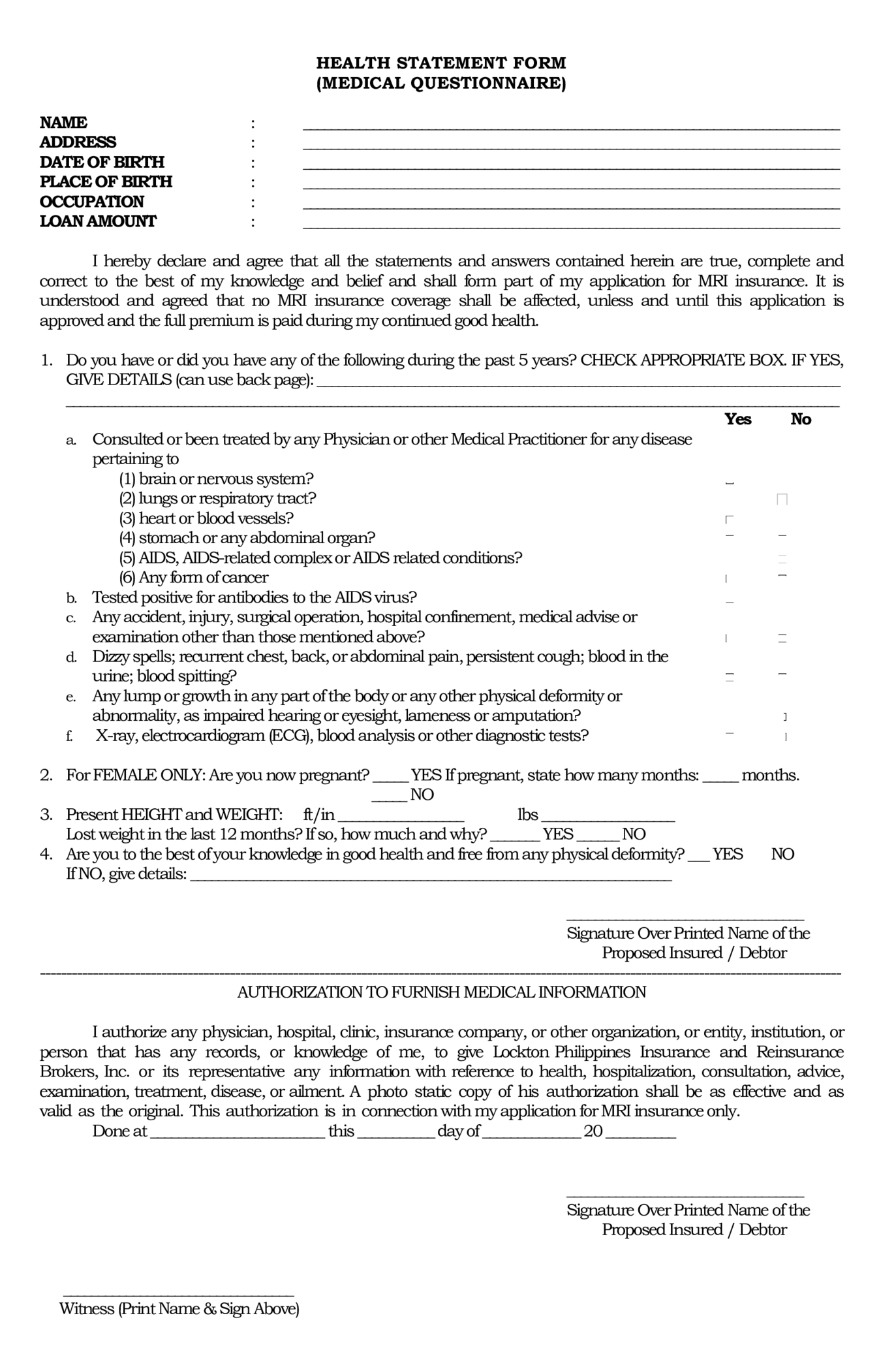
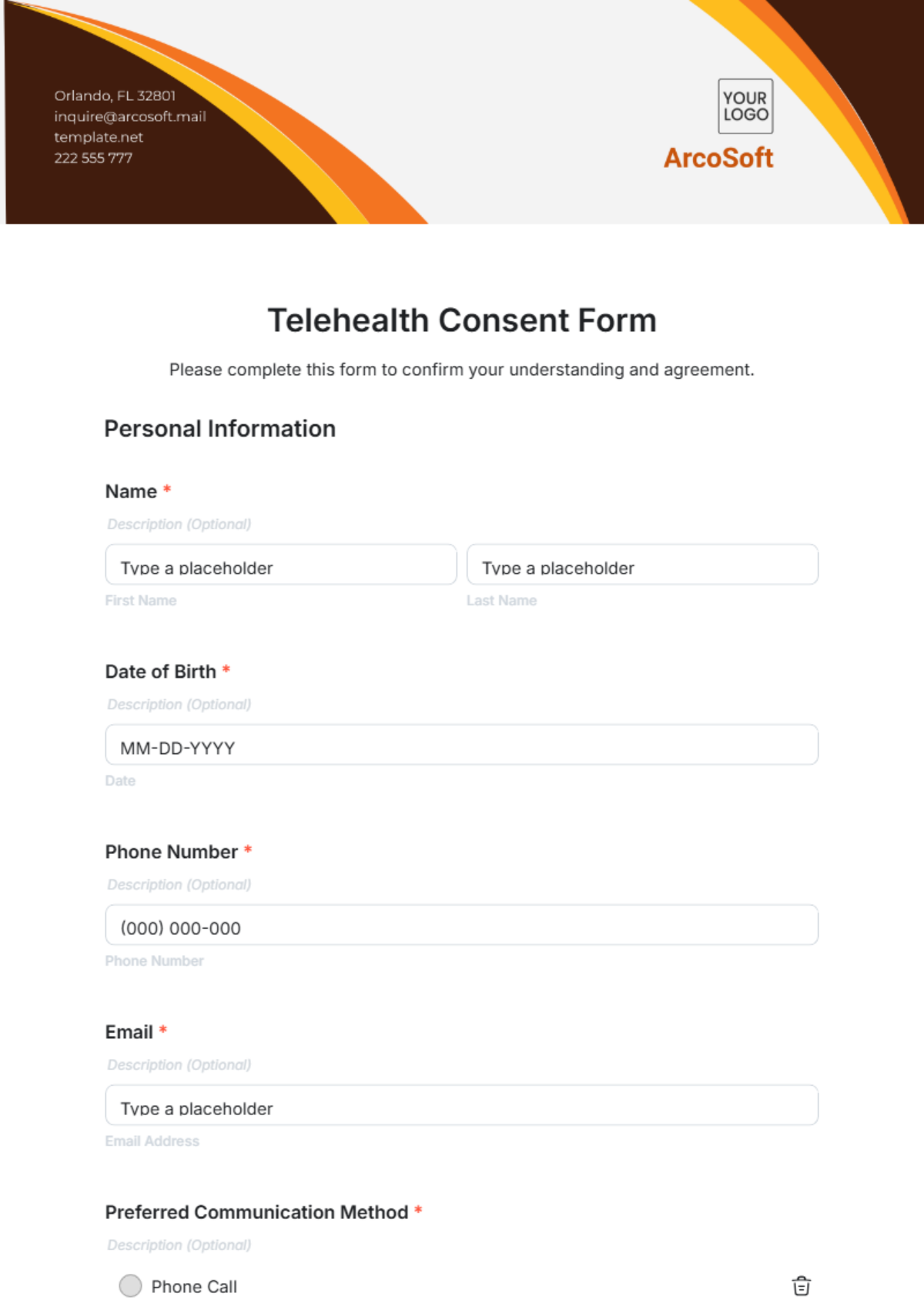
An Attending Physician Statement (APS) is a specialized medical report requested by life insurance underwriters to obtain a comprehensive summary of an applicant’s health history directly from their treating doctor. This document serves as a critical bridge between self-reported health data and objective clinical records, helping insurers assess mortality risk, determine policy eligibility, and finalize premium rates based on verified medical evidence.
The Role of the Attending Physician Statement in Underwriting
When you apply for life insurance, the underwriting process is designed to categorize your risk profile. While many applicants undergo a standard paramedical examination—which includes checking blood pressure, height, weight, and blood or urine samples—this surface-level data often lacks the context required for applicants with complex medical histories.
The Attending Physician Statement (APS) provides the underwriter with a narrative account of your health from the perspective of the clinicians who know you best. Unlike a routine lab report, the APS typically includes specific clinical observations, diagnosis dates, treatment plans, medication adherence records, and the long-term prognosis of any chronic or acute conditions. By securing an APS, the insurance carrier attempts to verify that the information you provided in your initial application matches the actual medical records documented in your physician's file.
Why Insurers Request an APS
Insurance companies operate on the principle of "adverse selection," which means they must accurately predict the likelihood of a claim based on an applicant's health status. An APS is rarely requested for every applicant; it is typically triggered by specific factors identified during the initial risk assessment.
Common Triggers for an APS Request
- Chronic Health Conditions: A history of diabetes, heart disease, cancer, or chronic obstructive pulmonary disease (COPD) will almost certainly prompt an inquiry into your recent treatment history.
- Recent Hospitalizations: If an application discloses a recent surgical procedure or an emergency room visit, the underwriter will need the APS to understand the cause and any lingering health implications.
- Unclear Medical Disclosure: If there is a discrepancy or a vague entry in your medical history questionnaire, the underwriter will use the APS to clarify the exact nature of the diagnosis.
- High Face Amounts: For policies with significant death benefits (e.g., $1 million or more), underwriters conduct a much more granular review, which often includes a comprehensive medical record review as a standard protocol.
Anatomy of the Form and Information Provided
The APS is not a single, universal document; it is a request form sent by the insurance company to your healthcare provider. The form typically contains a release of information signed by the applicant, which authorizes the physician to disclose private medical records.
The physician or their administrative staff then completes the form, often by summarizing the patient’s clinical file. The information provided generally includes:
| Category | Typical Data Points Included |
|---|---|
| Diagnoses | Formal medical codes (ICD-10) and dates of diagnosis. |
| Treatment History | Surgeries, hospital stays, and ongoing therapy regimens. |
| Medication Profile | Current and past prescriptions, dosages, and compliance records. |
| Lab Findings | Recent blood work, imaging studies (X-rays, MRIs), and EKG results. |
| Prognosis | The physician's outlook on the progression or management of conditions. |
The Logistics of the Process: From Request to Completion
The APS process is often the most time-consuming phase of an insurance application, frequently contributing to significant delays in policy issuance. Understanding the timeline and the parties involved can help you navigate these bottlenecks.
1. Request Initiation
Once the insurance company’s underwriting department determines an APS is necessary, they send a request to the medical provider identified by the applicant. This request must be accompanied by the HIPAA-compliant authorization form you signed during the application process.
2. Provider Workflow
Medical offices are often overwhelmed with requests for records. The request is generally directed to the medical records department or the doctor’s administrative assistant. Because completing an APS is a task that falls outside of routine patient care, it may be placed lower on the priority list unless the physician has a dedicated team for insurance paperwork.
3. Fee Structures
It is common for medical providers to charge a service fee for completing the APS. In most jurisdictions, these fees are billed to the insurance company, not the patient. These costs compensate the practice for the time required to review the patient's chart, extract the relevant data, and provide the medical opinion requested by the insurer.
4. Review and Analysis
Once the insurance company receives the completed form, their medical underwriters review it against the initial application. If the APS reveals new information or conflicts with your declarations, the underwriter may request further clarification, order additional tests, or adjust the premium rating—the cost of the policy—to reflect the updated risk.
Navigating Challenges and Common Obstacles
The most common frustration associated with the APS is the delay in processing. If your physician is unresponsive, the life insurance application can stall for weeks or even months.
Managing Delays
- Proactive Communication: Call your physician’s office once you know an APS request has been sent. Politely ask the medical records clerk if they have received the request and confirm that they have everything needed to complete it.
- The Power of Follow-up: If the office has not received the request, contact your insurance broker or the underwriting department immediately to verify that the request was sent to the correct address or fax number.
- Digitization: Ensure your physician's office is using electronic health records (EHR). Offices that still rely heavily on paper charts generally take significantly longer to fulfill these requests.
Accuracy and Transparency
It is vital to be transparent on your initial insurance application. If the APS reveals a condition that was intentionally omitted, the insurer may decline the application entirely due to lack of disclosure. Even if the omission was unintentional, it can lead to a "rating" of your policy, which increases your premiums significantly.
Comparison of Medical Underwriting Methods
In the current landscape of 2026, many insurance companies are shifting toward "accelerated underwriting." This process uses algorithms and database checks (such as the MIB Group) to assess risk without requiring a traditional APS.
| Underwriting Method | Process Complexity | Speed | Frequency of APS |
|---|---|---|---|
| Full Medical Underwriting | High (Requires labs/APS) | Slow (4–8 weeks) | Common |
| Accelerated Underwriting | Low (Data-driven) | Fast (Days) | Rare |
| Simplified Issue | Very Low | Immediate | None |
If you are generally healthy, you may qualify for accelerated underwriting, which skips the APS requirement. However, for applicants with pre-existing conditions, a full medical review with an APS remains the standard path to coverage.
Frequently Asked Questions
Will my doctor tell me what they wrote on the APS?
While your doctor is not legally required to provide you with a copy of the report they send to the insurance company, they are generally allowed to discuss your medical records with you. You can ask your doctor for a copy of the records they intend to send to ensure you understand what information is being shared.
Can I choose to pay for the APS to speed up the process?
Generally, no. The insurance company handles the request and payment as part of their underwriting protocol. Paying for the report yourself does not typically change the internal administrative workflow of the medical office.
What happens if the APS shows I am a higher risk than I thought?
If the APS shows a condition that increases mortality risk, the insurer will likely "rate" your policy. This means you will be classified into a lower-tier health category, which will result in higher monthly premiums than you were originally quoted.
Does every insurance application require an APS?
No. An APS is only requested when underwriters need more evidence to verify your current health status. Healthy individuals with no significant medical history are frequently approved for coverage without an APS through streamlined underwriting processes.
Is the APS confidential?
Yes. The information provided in an APS is protected by strict privacy regulations, including the Health Insurance Portability and Accountability Act (HIPAA) in the United States. Only authorized underwriting personnel have access to this data, and it is used exclusively for the purpose of the life insurance application.
Professional Guidance and Next Actions
If you are currently in the process of applying for life insurance and have been notified that an Attending Physician Statement is required, your most effective action is to facilitate the flow of information.
First, contact your life insurance agent or broker. They serve as your advocate and can monitor the status of the underwriting request. Second, reach out to your primary care physician's office. Provide the office staff with the contact information for the insurance company’s underwriting department so they can transmit the form efficiently. Being a proactive participant in the process can reduce the time spent in administrative limbo and help you secure your policy as quickly as possible.