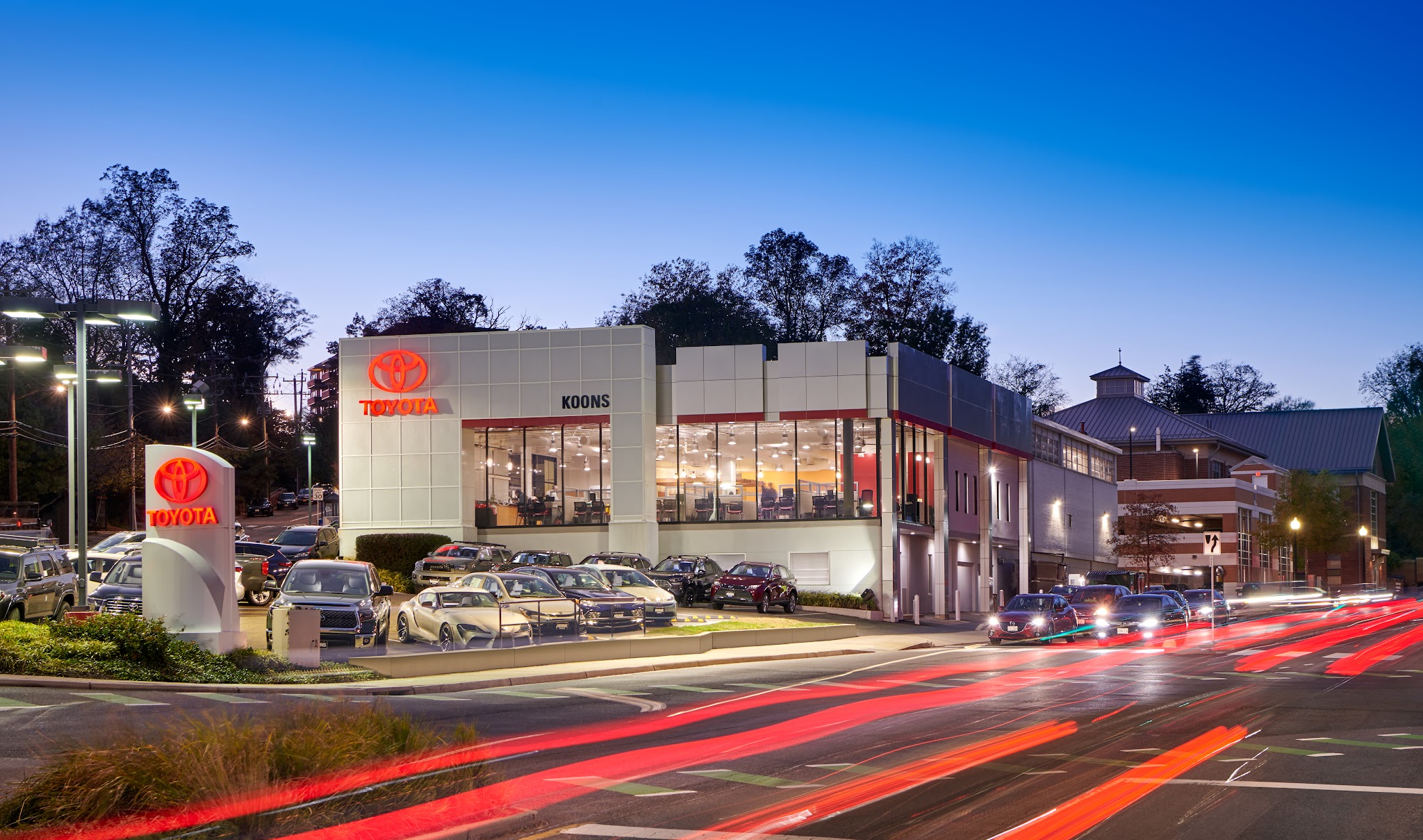
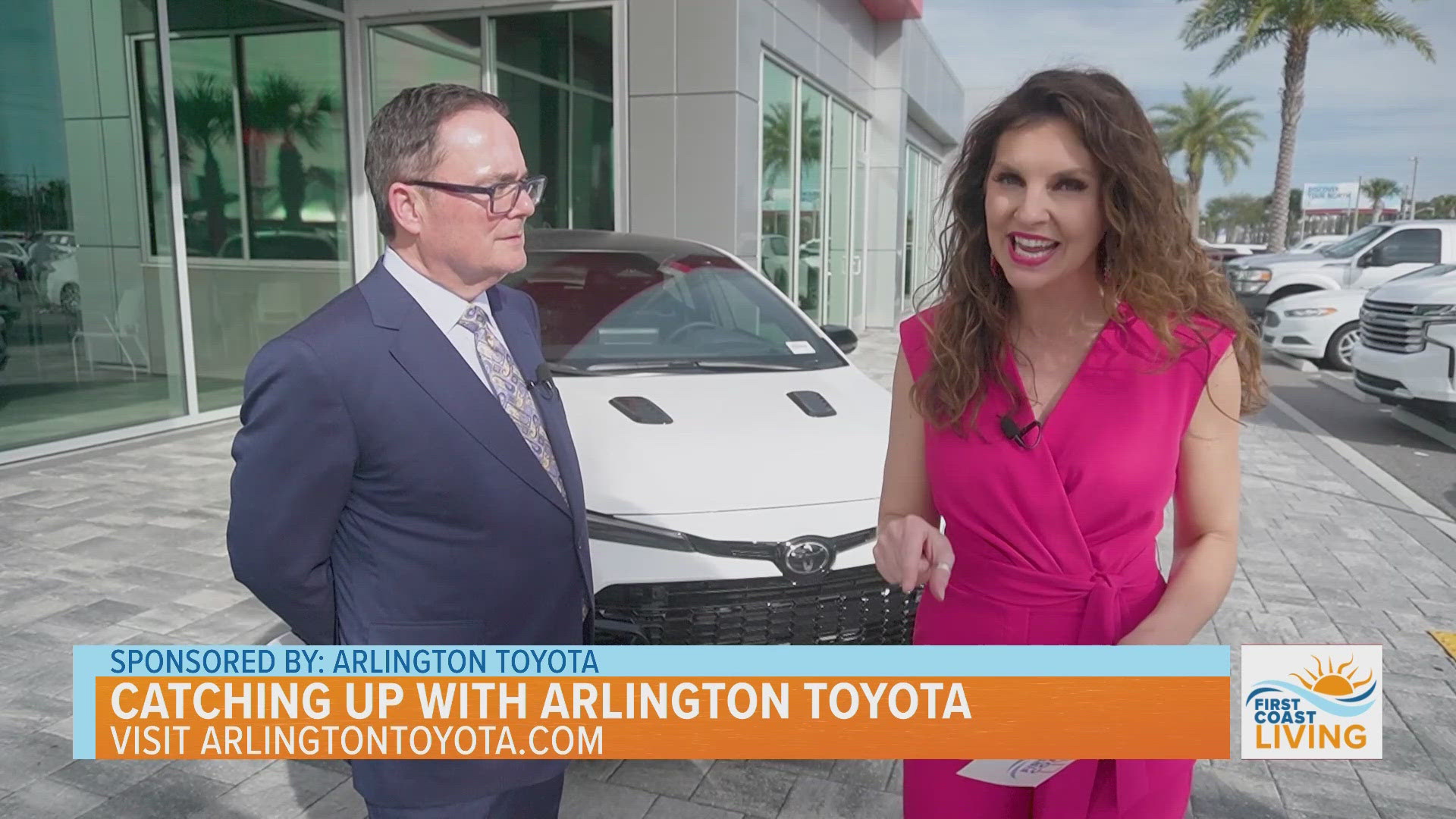
The Arlington Toyota Service Center provides factory-authorized maintenance, specialized diagnostic repairs, and warranty-backed parts for Toyota owners. Located in Jacksonville, Florida, the facility utilizes Toyota-certified technicians and Genuine OEM components to ensure vehicle safety and performance. Drivers can access routine maintenance, complex mechanical repairs, and specialized EV/hybrid servicing through online scheduling and express lanes.
For vehicle owners, maintaining a modern Toyota requires more than just occasional oil changes; it demands a structured approach to preventative care and a deep understanding of integrated vehicle technologies. Whether you are driving a legacy Camry, a high-performance Supra, or a next-generation bZ4X electric vehicle, the Arlington Toyota Service Center serves as the primary hub for preserving the technical integrity of your investment. In 2026, the landscape of automotive service has shifted significantly toward software management and battery health, making professional, specialized oversight more critical than ever.
The Scope of Professional Toyota Service
The Arlington Toyota Service Center is designed to handle the full lifecycle of a vehicle, from the initial "break-in" period covered by ToyotaCare to high-mileage engine overhauls. Understanding the scope of these services helps owners differentiate between routine upkeep and critical repairs.
Routine Preventative Maintenance
Preventative maintenance is the cornerstone of vehicle longevity. At the Arlington facility, this revolves around the Toyota-prescribed intervals, typically occurring every 5,000 to 10,000 miles.
- Oil and Filter Changes: Modern Toyotas predominantly use synthetic 0W-20 or 0W-16 oils. These low-viscosity oils reduce internal friction and improve fuel efficiency but require precise filtration to remain effective. Technicians at the center ensure that only Toyota Genuine Motor Oil and filters are used, which are specifically engineered to handle the thermal loads of Toyota’s varied engine lineup.
- Tire Rotation and Balancing: Regular rotation prevents uneven tread wear, which is particularly important for front-wheel-drive and all-wheel-drive (AWD) models where torque distribution varies. Proper balancing at the service center also protects the suspension components from premature wear caused by vibration.
- Brake System Inspections: Service involves more than just checking pad thickness. Technicians evaluate the hydraulic lines, the condition of the brake fluid (which is hygroscopic and absorbs moisture over time), and the performance of the rotors.
Specialized Diagnostics and Electrical Work
As vehicles become more reliant on Electronic Control Units (ECUs) and Advanced Driver Assistance Systems (ADAS), diagnostics have become a core technical requirement. The Arlington Toyota Service Center uses the Toyota Techstream diagnostic platform. This tool allows technicians to communicate directly with the vehicle's onboard computers to identify intermittent sensor failures, software bugs, or mechanical deviations that haven't yet triggered a dashboard warning light.
In 2026, this also includes the calibration of Toyota Safety Sense (TSS) components. If a windshield is replaced or a bumper is repaired after a minor collision, the radar and camera sensors must be recalibrated to millimeter precision. Failure to do so at a certified center can lead to the malfunction of Automatic Emergency Braking or Lane Departure Alert systems.
ToyotaCare and Extended Warranty Integration
A significant advantage of utilizing a primary dealer service center like Arlington Toyota is the seamless integration of manufacturer-backed programs.
Understanding ToyotaCare
New Toyota vehicles come standard with ToyotaCare, a no-cost maintenance plan that covers factory-scheduled maintenance for two years or 25,000 miles, whichever comes first. At the Arlington service center, this plan covers:
- Multi-point inspections.
- Tire rotations.
- Engine oil and filter changes.
- Fluid level adjustments.
The value of this program lies in its documentation. Having a complete service history recorded at an authorized center enhances the vehicle's resale value and ensures that if a warranty claim is made later, there is irrefutable proof that the vehicle was maintained according to factory standards.
Out-of-Warranty and Service Drive Excellence
For vehicles beyond the 25,000-mile mark, the service center provides "Service Drive" programs. These are often tiered maintenance packages designed to keep older vehicles running efficiently. Technicians focus on high-mileage needs such as timing belt replacements (on applicable older models), spark plug updates, and cooling system flushes. By 2026, cooling systems have become more complex due to the separate cooling loops required for hybrid batteries and power electronics, necessitating the specific Toyota Super Long Life Coolant (SLLC).
Servicing the 2026 Hybrid and Electric Fleet
The transition to electrification has redefined the service department’s role. The Arlington Toyota Service Center has evolved to support the specific needs of Hybrid Electric Vehicles (HEVs), Plug-in Hybrids (PHEVs), and Battery Electric Vehicles (BEVs).
Hybrid Battery Health Checks
Hybrid models like the Prius, RAV4 Hybrid, and the Tundra i-FORCE MAX require specialized battery health reporting. During a standard service visit, technicians perform a diagnostic sweep of the battery cells to check for voltage balance. This preventative check can identify a failing cell before the entire pack requires replacement. Furthermore, the cleaning of the hybrid battery air intake filters is a critical, often-overlooked task that prevents the battery from overheating—a service best handled by those familiar with the specific layout of the Toyota battery cooling system.
Electric Vehicle (EV) Maintenance Specifics
While EVs like the bZ series have fewer moving parts than internal combustion engines (ICE), they require specialized care in other areas.
- Thermal Management Systems: The liquid cooling systems for the high-voltage battery must be inspected for leaks and fluid degradation.
- Reduction Gear Fluid: Although there is no traditional transmission, the reduction gears in an EV require high-quality lubricant that must be inspected for metal shavings or oxidation.
- Tire Management: EVs are heavier and deliver instant torque, leading to faster tire wear. The service center utilizes specialized alignment settings to compensate for the weight of the battery floor.
The Importance of Toyota Genuine Parts
A primary reason for choosing the Arlington Toyota Service Center over a generic repair shop is the use of Genuine Toyota Parts. These components are identical to those installed on the assembly line.
| Feature | Toyota Genuine Parts | Aftermarket Parts |
|---|---|---|
| Fitment | Guaranteed exact fit for specific VIN. | Often "universal fit" which may require modification. |
| Material Quality | Meets strict Toyota metallurgy and plastic standards. | Varies significantly; may use lower-grade alloys. |
| Warranty | Usually includes a 12-month/unlimited-mile warranty. | Warranty varies; may not cover labor costs for replacement. |
| Safety Testing | Crash-tested and integrated with vehicle safety systems. | Rarely subjected to the same level of crash-safety testing. |
| Resale Value | Maintains vehicle's "Original Equipment" status. | Can decrease value or void certain service contracts. |
Using non-OEM parts in critical areas—such as brake actuators, oxygen sensors, or suspension struts—can lead to "cascading failures." For example, an aftermarket sensor might provide a signal that is slightly out of range, causing the engine computer to adjust fuel trim incorrectly, which eventually damages the catalytic converter. The Arlington service team prioritizes OEM parts to prevent these long-term technical issues.
The Service Experience: Steps and Logistics
Efficiency is a priority for most drivers. The Arlington Toyota Service Center employs several systems to minimize downtime and maximize transparency.
Online Scheduling and Check-In
In 2026, the scheduling process is entirely digitized. Customers can use the dealership website or the Toyota app to select specific services, choose a preferred Service Advisor, and book a time slot. Upon arrival, the "Express Maintenance" lane is available for those requiring simple tasks like oil changes or tire rotations, often completed in 60 minutes or less.
The Multi-Point Inspection Report
Every vehicle that enters the service bay undergoes a multi-point inspection. This is a standardized "report card" that uses a color-coded system:
- Green: Component is in good condition.
- Yellow: Component shows wear and will need attention soon.
- Red: Immediate repair is required for safety or to prevent further damage.
This report is typically sent to the customer’s smartphone via text or email, often accompanied by photos or videos taken by the technician. This transparency ensures the customer understands exactly why a repair is being recommended before they authorize the work.
Amenities and Transportation
Understanding that vehicle service can disrupt a daily schedule, the center provides several logistical solutions:
- Shuttle Service: Local transportation within a specific radius of the Jacksonville facility.
- Rental Vehicles: For more extensive repairs, Toyota Rent-a-Car (TRAC) vehicles are available on-site.
- Waiting Lounge: Facilities usually include high-speed Wi-Fi, workstations, and refreshments for those opting to wait for their vehicle.
Common Repair and Service Questions
How often should I bring my Toyota in for service?
Most Toyota vehicles require a service visit every 5,000 miles or 6 months. Every 5,000 miles usually involves a tire rotation and inspection, while every 10,000 miles typically includes an oil and filter change. However, if you drive in "Special Operating Conditions"—such as heavy towing, frequent short trips in freezing temperatures, or driving on dusty/unpaved roads—the intervals for fluid changes and filter replacements should be shortened.
Does the Arlington Toyota Service Center handle recalls?
Yes, as a factory-authorized center, Arlington Toyota is equipped to handle all manufacturer recalls and safety campaigns. Recall work is performed at no cost to the owner. It is recommended to check your VIN on the Toyota website periodically, although the dealership will also notify you if a record of an open recall exists when you book a service appointment.
Why is my maintenance light on even if I just had an oil change?
The "MAINT REQD" light is a mileage-based timer, not an oil quality sensor. It typically triggers every 5,000 miles to remind the driver of the next scheduled interval. If the light remains on after service, it may simply need a manual reset, which the technicians perform as part of the standard check-out procedure. If it illuminates shortly after service, it indicates the vehicle has reached the next 5,000-mile milestone.
Can I use a third-party shop without voiding my warranty?
Under the Magnuson-Moss Warranty Act, you are not required to use the dealership for routine maintenance to keep your warranty valid. However, you must keep meticulous records and receipts. The advantage of using Arlington Toyota is that all service is automatically logged into the national Toyota database. Additionally, if a third-party shop uses an incorrect fluid or part that causes a failure, that specific failure will not be covered by the Toyota warranty.
What should I do if my Toyota’s dashboard displays a "Hybrid System Malfunction"?
This is a critical alert that requires immediate professional diagnosis. It can range from a simple blown fuse or a clogged cooling fan to a serious issue with the inverter or high-voltage battery. You should safely pull over and have the vehicle towed to the service center. Driving with this warning can cause permanent damage to the electric motors or the power control unit.
Strategic Maintenance Recommendation
To maximize the lifespan and resale value of your Toyota, it is recommended to adhere strictly to the Manufacturer’s Maintenance Schedule found in your owner's manual. For those in the Jacksonville area, utilizing the Arlington Toyota Service Center ensures that all work is performed by specialists who have access to the latest technical service bulletins (TSBs) and software updates.
Specifically, for owners of 2022 and newer models, prioritize the 15,000-mile and 30,000-mile inspections. These are deeper "health checks" that go beyond the oil and tires, focusing on the tightening of chassis bolts, inspection of fuel lines, and testing of the brake actuator—components that are vital for the long-term structural and mechanical integrity of the vehicle.