Arizona offers a diverse spectrum of alcohol rehabilitation options, ranging from medically supervised detoxification and residential treatment to intensive outpatient programs (IOP) and holistic retreats. These services are regulated by the Arizona Department of Health Services and are available through private insurance, AHCCCS (Medicaid), or self-pay arrangements across major hubs like Phoenix, Scottsdale, and Tucson.
Navigating the landscape of addiction recovery in 2026 requires an understanding of the various clinical levels of care, the legal protections available to patients, and the regional specialties within the Grand Canyon State. Whether you are seeking high-end luxury care in the Sonoran Desert or community-based support in urban centers, Arizona’s infrastructure for substance use disorder (SUD) treatment is designed to address the complex biological and psychological facets of alcohol dependency.
Understanding the Continuum of Care for Alcohol Recovery
In clinical terms, "rehab" is not a single destination but a continuum of care. The American Society of Addiction Medicine (ASAM) defines levels of care that ensure patients receive the appropriate intensity of treatment based on their physical health, psychological stability, and risk of relapse. In Arizona, facilities are typically licensed to provide one or more of these specific levels.
Medically Supervised Detoxification
For many, the first step is detoxification. Alcohol withdrawal can be life-threatening due to the risk of Delirium Tremens (DTs), seizures, and severe cardiovascular distress. In 2026, Arizona’s clinical standards emphasize "medical managed" withdrawal. This involves 24/7 nursing care and physician oversight.
During detox, medications such as benzodiazepines or newer neuro-stabilizing agents are used to mitigate withdrawal symptoms. The goal is stabilization. Most detox programs in Arizona last between 5 and 10 days, depending on the severity of the dependency and the presence of co-occurring medical conditions. It is important to note that detox alone is rarely sufficient for long-term sobriety; it is merely the process of clearing the substance from the body.
Residential or Inpatient Treatment
Residential treatment involves living at a facility for a period ranging from 28 to 90 days. This environment removes the individual from the triggers of their daily life. In Arizona, residential centers often leverage the natural environment, offering outdoor therapy and a "campus" feel.
Clinically, residential care provides a structured schedule of individual therapy, group counseling, and educational workshops. Modern Arizona facilities in 2026 prioritize Dual Diagnosis care, which treats alcohol addiction alongside underlying mental health issues like depression, anxiety, or PTSD. According to the Substance Abuse and Mental Health Services Administration (SAMHSA), treating these issues concurrently significantly improves long-term outcomes.
Partial Hospitalization Programs (PHP)
PHP is a step down from residential care but more intensive than traditional outpatient therapy. Patients typically attend treatment for 6 to 8 hours a day, five to six days a week, but return home or to a supervised "sober living" environment in the evenings. This is an ideal option for those who require significant clinical support but have a stable, drug-free home environment.
Intensive Outpatient Programs (IOP)
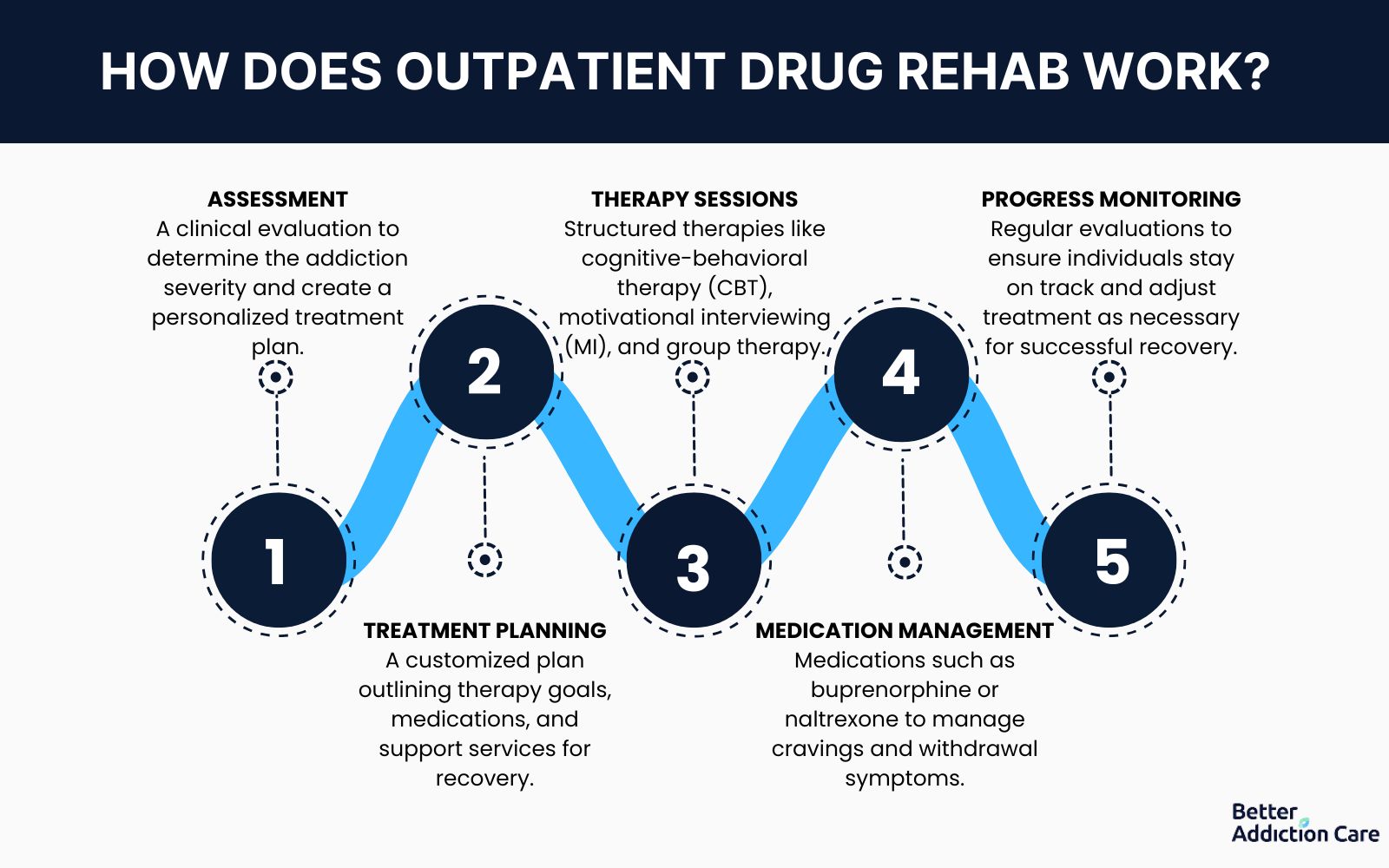
IOP is the cornerstone of long-term recovery for many Arizonans. It usually involves 9 to 15 hours of programming per week, often scheduled in the evenings to accommodate work or school. IOP focuses on relapse prevention, coping skills, and reintegrating into society while maintaining a support network. In 2026, many Arizona providers offer "Hybrid IOP," which combines in-person sessions with telehealth components for increased flexibility.
Regional Specialties in Arizona
Arizona’s geography influences the type of rehab options available. Each region has developed a niche within the recovery industry.
Scottsdale and Phoenix: The Hub of Clinical Excellence
The Phoenix metropolitan area, including Scottsdale, contains the highest concentration of licensed facilities in the state. Scottsdale is internationally recognized for luxury or "boutique" rehab. These centers offer high staff-to-patient ratios, private rooms, and amenities such as equine therapy, executive chef-prepared meals, and acupuncture.
Beyond luxury, Phoenix is a center for specialized care, including programs specifically for veterans, first responders, and healthcare professionals. These programs address the unique occupational traumas associated with high-stress careers.
Tucson: Integrated and Academic Care
Tucson often focuses on integrated care models, often influenced by the research coming out of the University of Arizona. Treatment centers here frequently emphasize the "Whole Person" approach, integrating traditional 12-step methodologies with evidence-based practices like Cognitive Behavioral Therapy (CBT) and Dialectical Behavior Therapy (DBT).
Sedona and Northern Arizona: Holistic and Nature-Based Recovery
Sedona is famous for its "Red Rock" beauty and is a destination for holistic alcohol rehab. Programs here often incorporate mindfulness, meditation, and "Vortex" tours into their clinical curriculum. While these programs must still meet Arizona Department of Health Services clinical standards, they lean heavily into the spiritual and environmental aspects of healing.
Costs and Insurance Coverage in 2026
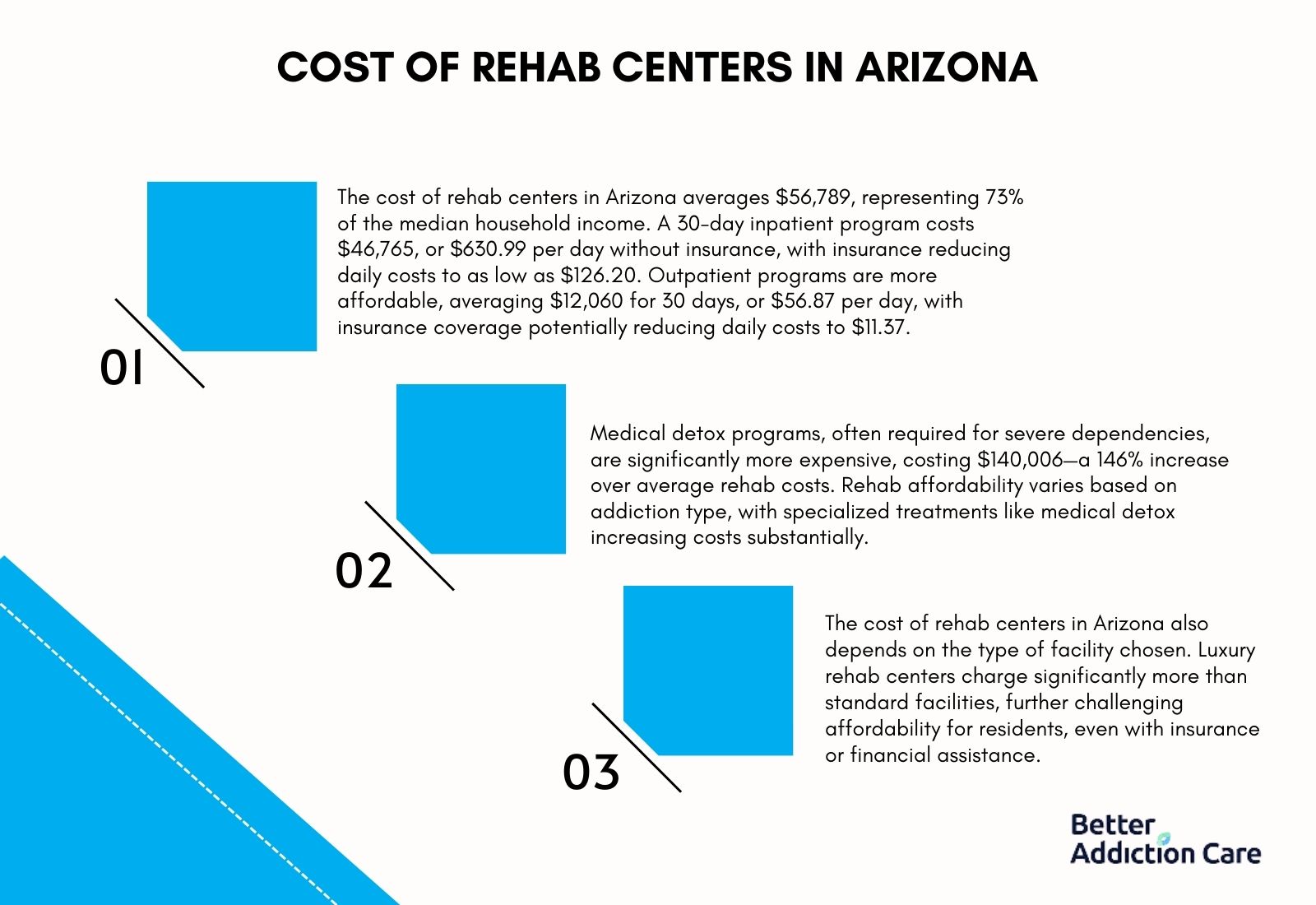
The cost of alcohol rehab in Arizona varies wildly based on the level of care and the amenities provided. Understanding how to fund treatment is often the largest hurdle for families.
Private Insurance
Under the Mental Health Parity and Addiction Equity Act, most private insurance plans (such as Blue Cross Blue Shield of Arizona, Aetna, Cigna, and UnitedHealthcare) are required to provide coverage for substance use treatment that is comparable to their coverage for physical health conditions.
In 2026, the "Verification of Benefits" (VOB) process is usually the first step. Most facilities have dedicated intake coordinators who contact the insurance provider to determine:
- In-network vs. out-of-network coverage.
- Deductibles and out-of-pocket maximums.
- The number of days approved for residential care.
AHCCCS (Arizona’s Medicaid)
Arizona Health Care Cost Containment System (AHCCCS) provides robust coverage for alcohol rehab for eligible low-income residents. Many state-funded facilities specialize in AHCCCS patients, offering detox and residential services. While these facilities may lack the resort-style amenities of Scottsdale centers, they provide essential, evidence-based clinical care.
Self-Pay and Financing
For those without insurance or seeking facilities that do not accept their plan, self-pay is an option. Many Arizona centers offer sliding-scale fees based on income or work with third-party healthcare lending services to provide monthly payment plans.
| Feature | Residential Rehab | PHP | IOP | Outpatient |
|---|---|---|---|---|
| Duration | 28–90 Days | 3–6 Weeks | 8–12 Weeks | Ongoing |
| Time Commitment | 24/7 | 30+ Hours/Week | 9–15 Hours/Week | 1–3 Hours/Week |
| Housing | Included | Often Sober Living | At Home | At Home |
| Medical Oversight | High | Moderate | Low | Minimal |
| Relative Cost | High | Moderate-High | Moderate | Low |
Legal and Employment Protections
A common deterrent for seeking alcohol rehab is the fear of losing one's job. It is important to understand the protections in place for Arizonans in 2026.
- FMLA (Family and Medical Leave Act): This federal law allows eligible employees to take up to 12 weeks of unpaid, job-protected leave per year for serious health conditions, which includes addiction treatment.
- ADA (Americans with Disabilities Act): Alcoholism is often classified as a disability. While an employer can fire an employee for poor performance or drinking on the job, they generally cannot fire an employee simply for seeking treatment for a past or current addiction.
- Confidentiality (HIPAA): Your participation in a rehab program is protected health information. Facilities cannot disclose your presence or progress to your employer without your explicit written consent.
Evaluating Arizona Rehab Facilities: What to Look For
Not all rehab centers are created equal. When researching Arizona alcohol rehab options, prioritize the following criteria:
- Licensing and Accreditation: Ensure the facility is licensed by the Arizona Department of Health Services. Look for accreditation from The Joint Commission or CARF (Commission on Accreditation of Rehabilitation Facilities). These gold-standard endorsements indicate that the center meets rigorous safety and clinical quality standards.
- Staff Credentials: A reputable center should have a multidisciplinary team including Board Certified Addiction Physicians, Registered Nurses, Licensed Clinical Social Workers (LCSW), and Licensed Associate Substance Abuse Counselors (LASAC).
- Evidence-Based Practices: Ask if the facility uses proven methods such as CBT, DBT, or Medication-Assisted Treatment (MAT). While holistic therapies are excellent supplements, they should not replace clinical evidence-based care.
- Aftercare Planning: Recovery does not end at discharge. The best Arizona facilities provide a robust aftercare plan, which may include connections to local 12-step groups (AA), SMART Recovery meetings, or alumni support networks.
The Role of Family in Arizona Rehab
Addiction is often described as a "family disease." In 2026, Arizona's leading rehab centers place a heavy emphasis on Family Programming. This typically involves weekly workshops or therapy sessions where family members learn about the biology of addiction, how to set healthy boundaries, and how to support their loved one without enabling.
Because Arizona is a "destination" for rehab, many centers offer intensive family weekends or virtual family therapy for relatives who live out of state. This ensures that the patient’s support system is evolving alongside them.
Frequently Asked Questions
How long does alcohol rehab in Arizona usually last?
Most residential programs are designed in 30-day increments, with 30, 60, and 90-day stays being standard. However, the modern clinical trend in 2026 is "outcome-based" length of stay, where the duration is determined by the patient's progress rather than a fixed calendar date. Outpatient programs can last anywhere from three months to over a year as the individual transitions back to daily life.
Can I keep my job while attending rehab in Arizona?
Yes, particularly through Intensive Outpatient Programs (IOP) which offer evening sessions. For those requiring residential care, the Family and Medical Leave Act (FMLA) often provides job protection. Many people find that being honest with their HR department allows them to access disability benefits or leave-of-absence protocols that secure their position while they focus on recovery.
Is alcohol detox dangerous to do at home?
Yes, alcohol withdrawal can be fatal. Arizona medical professionals strongly advise against "cold turkey" quitting for those with long-term, heavy usage. Symptoms like grand mal seizures or cardiac arrhythmia can onset rapidly. A professional detox facility provides the necessary pharmacological interventions to make the process safe and significantly more comfortable.
What is the difference between "Holistic" and "Clinical" rehab?
Clinical rehab focuses on medical and psychological science, using doctors and therapists to treat the brain and body. Holistic rehab focuses on the "spirit" and "mind-body connection," using tools like yoga, meditation, and nutrition. In 2026, the most successful Arizona alcohol rehab options are "Integrative," meaning they use clinical science as the foundation and holistic practices as supportive therapies.
Are there alcohol rehab options for people who don't like the 12-step (AA) model?
Absolutely. While Alcoholics Anonymous (AA) is a common component of many programs, many Arizona centers now offer "Non-12-Step" tracks. these focus on SMART Recovery (Self-Management and Recovery Training), which is based on cognitive-behavioral principles, or secular recovery models that emphasize self-empowerment rather than a higher power.
Practical Next Steps for Seeking Help
If you or a loved one are considering alcohol rehab in Arizona, the first step is a professional assessment. You do not need to have all the answers before reaching out.
- Consult a Primary Care Physician: They can provide a preliminary medical screening and refer you to a licensed specialist.
- Contact Your Insurance Provider: Ask for a list of in-network addiction treatment providers in Arizona.
- Tour Facilities: If possible, visit 2-3 centers. Pay attention to the cleanliness, the demeanor of the staff, and the current residents' engagement level.
- Prepare for Admission: Once a facility is chosen, the intake team will guide you through what to pack, travel arrangements, and the initial clinical intake interview.
Arizona’s 2026 recovery landscape is built on the premise that addiction is a treatable medical condition. With the right level of care and a commitment to the process, long-term sobriety is an attainable reality.