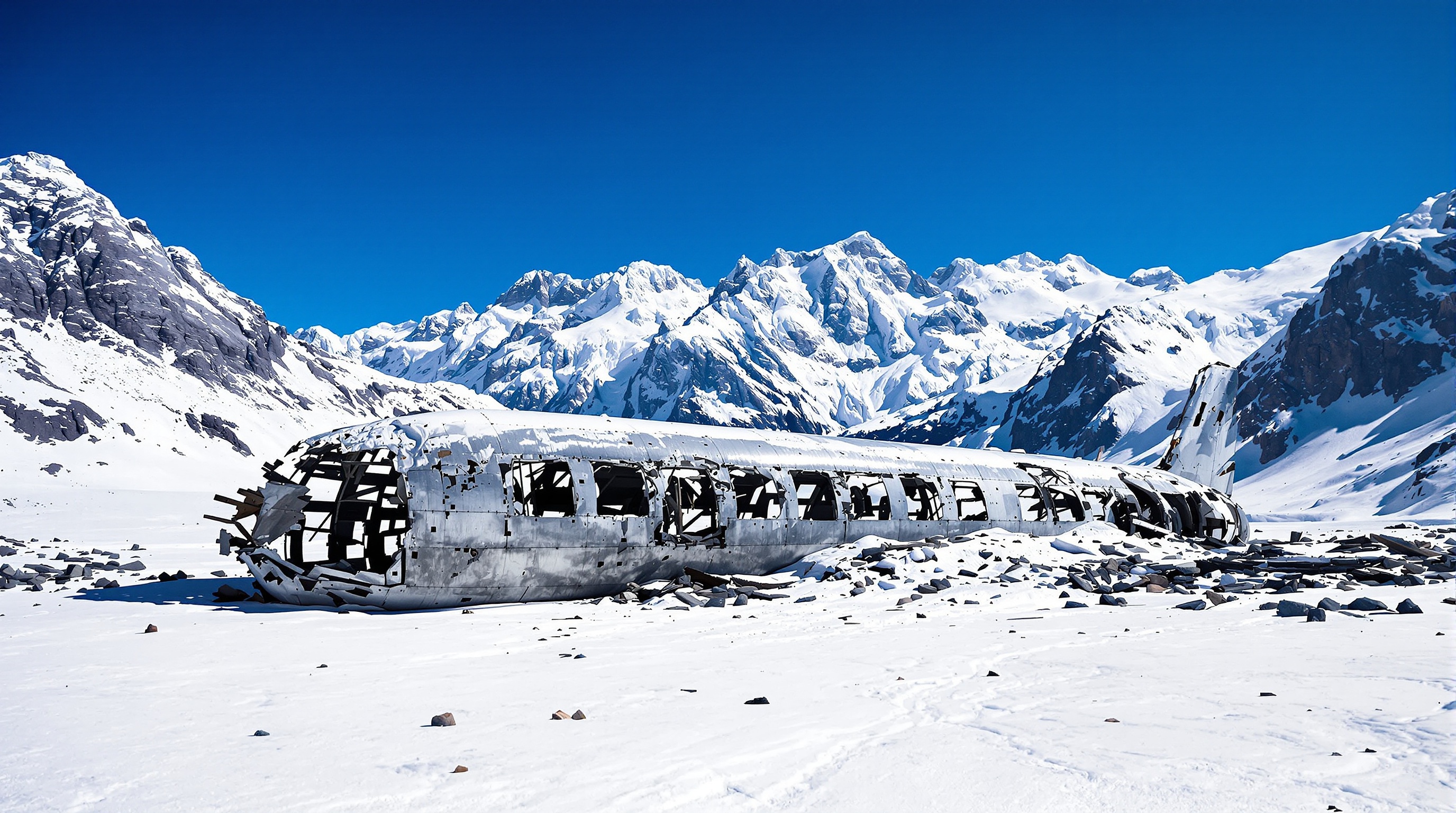
The most acclaimed Andes mountain crash movies are Society of the Snow (2023), directed by J.A. Bayona, and Alive (1993), directed by Frank Marshall. These films portray the 1972 crash of Uruguayan Air Force Flight 571. While Society of the Snow focuses on historical accuracy, Alive remains a classic Hollywood dramatization of the event.
The story of the "Miracle of the Andes" is one of the most remarkable accounts of human endurance ever recorded. In October 1972, a plane carrying a Uruguayan rugby team crashed into the heart of the Andes Mountains. For 72 days, the survivors battled sub-zero temperatures, avalanches, and starvation, eventually making the impossible decision to consume the flesh of the deceased to stay alive. This harrowing journey from the brink of death back to civilization has been the subject of several major films, each offering a different lens on the tragedy and the subsequent triumph of the human spirit.
As of 2026, these films continue to serve as the primary medium through which the world understands the events of Flight 571. Whether you are looking for a visceral, historically accurate recreation or a narrative-driven drama, there is a specific film that caters to your needs.
The Historical Foundation: Uruguayan Air Force Flight 571
Before diving into the cinematic adaptations, it is essential to understand the core facts that every Andes mountain crash movie attempts to capture. On October 13, 1972, a Fairchild FH-227D aircraft departed from Mendoza, Argentina, bound for Santiago, Chile. Onboard were 45 people, including members of the Old Christians Club rugby team, their friends, and family.
Due to a navigational error in heavy cloud cover, the pilots began their descent too early, believing they had already passed the peaks of the Andes. The plane struck a ridge, losing its wings and tail section before the fuselage slid down a glacier and came to a halt in a remote valley.
Of the 45 people on board, 12 died in the initial crash or shortly thereafter. Over the next two months, more would succumb to injuries, exposure, and a devastating avalanche. Ultimately, only 16 men were rescued after two survivors, Nando Parrado and Roberto Canessa, trekked for ten days across the mountain range to find help. Every movie based on this event must grapple with the psychological weight of their survival and the ethical complexities of the decisions made in the "Glacier of Tears."
Society of the Snow (2023): The Modern Masterpiece
As of 2026, Society of the Snow (La Sociedad de la Nieve), directed by J.A. Bayona, is widely considered the definitive cinematic portrayal of the Andes crash. Released on Netflix in late 2023, the film was praised for its commitment to realism, its use of the Spanish language, and its focus on the collective "society" rather than just the well-known heroes.
Production and Authenticity
Bayona spent years researching the project, interviewing survivors and the families of the deceased. Unlike previous versions, this film was shot largely on location in the Sierra Nevada (Spain), as well as in the Andes themselves, providing a sense of scale and isolation that is terrifyingly palpable. The production used high-altitude cinematography to convey the actual conditions the survivors faced, from the blinding "whiteout" of snow to the claustrophobia of the buried fuselage.
Narrative Shift
One of the most significant differences in Society of the Snow is its narrator. The film is narrated by Numa Turcatti, a passenger who was not a member of the rugby team and who did not survive the ordeal. By centering the story on Turcatti, Bayona honors the "majority"—those who gave their bodies so that others might live. This choice shifts the focus from a standard survival adventure to a profound meditation on sacrifice and friendship.
Technical Achievements
The film’s makeup and visual effects are designed to show the slow physical degradation of the survivors. Viewers see the effects of scurvy, dehydration, and extreme cold in a way that feels documentary-like. The crash sequence itself is often cited as one of the most terrifying and technically accurate depictions of aviation failure in film history.
Alive (1993): The Iconic Hollywood Portrayal
For decades, the 1993 film Alive, directed by Frank Marshall and narrated by John Malkovich, was the primary reference point for the Andes tragedy. Based on the 1974 book by Piers Paul Read, the film brought the story to a massive global audience and remains a staple of the survival film genre.
Casting and Performances
The film stars Ethan Hawke as Nando Parrado and Josh Hamilton as Roberto Canessa. While the film was criticized for casting American actors to play South Americans, the performances were widely lauded for their emotional intensity. Hawke, in particular, captures the relentless drive of Parrado, who became the engine behind the eventual escape from the mountains.
Storytelling Style
Alive follows a more traditional Hollywood narrative structure. It focuses heavily on the leadership dynamics within the group and the logistical challenges of survival. The film does not shy away from the "cannibalism" aspect, but it frames it through the lens of Roman Catholic faith and the "Last Supper" symbolism, which helped western audiences at the time process the moral weight of the act.
Legacy of the 1993 Film
Despite being overshadowed by the technical realism of the 2023 version, Alive is credited with keeping the story of the 16 survivors in the public consciousness. Its score, composed by James Newton Howard, is particularly effective at conveying the majesty and the menace of the mountain range.
Survive! (1976): The First Adaptation
Shortly after the rescue, the first film about the crash was produced in Mexico. Titled Supervivientes de los Andes (released in the U.S. as Survive!), this 1976 film was directed by René Cardona.
While it was a commercial success at the time, particularly in the drive-in theater circuit, it is often viewed today as an "exploitation" film. It leans heavily into the more sensational aspects of the story, focusing on the gore and the shock value of the survival tactics. However, for film historians, it remains an important artifact as the first attempt to visualize the tragedy just a few years after it occurred.
Documentary Perspectives: Beyond the Feature Films
If you are seeking the "true" story without the dramatic flourishes of actors and scripts, several documentaries provide first-hand accounts from the survivors themselves. These are essential viewing for anyone who has watched an Andes mountain crash movie and wants to verify the facts.
- Stranded (2007): Directed by Gonzalo Arijón, this documentary features the survivors returning to the crash site with their children. It is arguably the most moving account of the event, as it mixes interviews with reenactments that are remarkably faithful to the survivors' memories.
- I Am Alive: Surviving the Andes Plane Crash (2010): This History Channel documentary focuses heavily on the perspective of Nando Parrado and the physical toll of the final ten-day trek across the mountains.
- Independent Documentaries (2024-2026): In the years following the success of Society of the Snow, several smaller-scale documentaries have emerged on streaming platforms, focusing on the specialized search-and-rescue teams that finally located the survivors in late December 1972.
Comparison of Major Andes Crash Movies
To help you decide which film to watch, the following table compares the three primary feature-length adaptations:
| Feature | Survive! (1976) | Alive (1993) | Society of the Snow (2023) |
|---|---|---|---|
| Director | René Cardona | Frank Marshall | J.A. Bayona |
| Language | Spanish (Dubbed in US) | English | Spanish |
| Primary Source | Survive! by Clay Blair Jr. | Alive by Piers Paul Read | Society of the Snow by Pablo Vierci |
| Narrative Focus | Sensationalism/Survival | Heroism/Individualism | Community/Sacrifice |
| Cinematography | Low budget, gritty | High-budget Hollywood | Immersive, hyper-realistic |
| Historical Accuracy | Low to Moderate | Moderate | Very High |
| Availability (2026) | Niche/Archive Streaming | VOD (Amazon/Apple) | Netflix (Exclusive) |
Themes and Ethical Complexity in Film
Every Andes mountain crash movie must address the central ethical dilemma: the consumption of the deceased. The evolution of how this is handled in cinema reflects changing societal attitudes toward trauma and survival.
The Role of Faith
In Alive, the decision to eat the deceased is heavily contextualized by the survivors' Catholic faith. The film portrays the act as a spiritual sacrifice. In Society of the Snow, the approach is more grounded and varied. It shows the different reactions of the survivors—some who see it as a mechanical necessity for survival, and others who struggle with the deep moral and legal implications.
The Portrayal of the Dead
Earlier films tended to focus only on the survivors who made it home. Modern cinema, specifically the 2023 version, has made a concerted effort to give names and personalities to those who died. This shift acknowledges that the survival of the 16 was a collective effort that belonged to all 45 people who boarded that plane.
The "Miracle" vs. The "Tragedy"
Filmmakers must balance the "miracle" of the rescue with the "tragedy" of the loss. Alive leans into the miracle, ending on a triumphant note of rescue. Society of the Snow ends on a more somber note, focusing on the survivors' difficulty in reintegrating into a society that cannot possibly understand what they experienced on the mountain.
Viewer's Guide: Where to Watch in 2026
If you are planning a viewing of these films in 2026, here is the most efficient way to access them:
- Society of the Snow (2023): Remains a permanent fixture on Netflix. It is available in 4K with Dolby Atmos sound, which is highly recommended for the immersive audio of the mountain environment.
- Alive (1993): Generally available for rent or purchase on major Video-on-Demand (VOD) platforms like Amazon Prime Video, Apple TV, and Google Play. It occasionally rotates onto streaming services like Paramount+ or Hulu.
- Stranded (2007): This documentary can often be found on educational streaming platforms or through DVD/Blu-ray archives. It is a vital companion piece to the dramatized films.
- Survive! (1976): Often available on free, ad-supported streaming services (FAST) like Tubi or Pluto TV under their "Cult Classic" or "International" sections.
Content Warnings
Due to the nature of the event, all of these films contain intense scenes of plane crashes, physical trauma, and the discussion or depiction of anthropophagy. Society of the Snow is particularly intense regarding the physical realism of the survivors' condition.
FAQs About Andes Mountain Crash Movies
Which Andes movie is the most accurate?
As of 2026, Society of the Snow (2023) is considered the most historically accurate. It was filmed with the direct cooperation of the survivors and the families of the deceased, used the survivors' real names, and was filmed in Spanish to maintain cultural authenticity.
Is the real Nando Parrado in any of the movies?
Yes, the real Nando Parrado served as a technical advisor on the set of Alive (1993). In Society of the Snow (2023), several survivors have cameo appearances; for instance, Carlitos Páez plays his own father in the film, reading out the names of the survivors over the radio.
Why are there different names for the same story?
The event is known globally by several names: "The Miracle of the Andes," "The Flight 571 Crash," or simply "The Andes Flight." The movies take their titles from the books they are based on. Alive refers to the state of being found, while Society of the Snow refers to the micro-civilization the survivors formed to stay alive.
Are there any new Andes crash movies coming out after 2024?
While no major feature films have been announced as of early 2026, there has been a surge in regional South American documentaries and "behind-the-scenes" specials focusing on the production of the 2023 film and the long-term psychological impact on the survivors' families.
Can I visit the crash site seen in the movies?
The actual crash site, known as the Glacier of Tears, is located in a remote part of the Andes. While it is possible to take guided trekking or horseback tours to the site during the summer months (January and February), it is a physically demanding journey and is not where the movies were primarily filmed for safety and logistical reasons.
Final Recommendation for Viewers
If you are new to this story, the best approach in 2026 is to start with Society of the Snow (2023). Its technical brilliance and emotional depth provide the most complete understanding of the event. Afterward, watching the documentary Stranded (2007) will help ground those cinematic images in the real faces and voices of the men who lived through it. While Alive (1993) is an excellent piece of filmmaking, it is best viewed as a secondary perspective that highlights the "hero's journey" aspect of this incredible historical event.