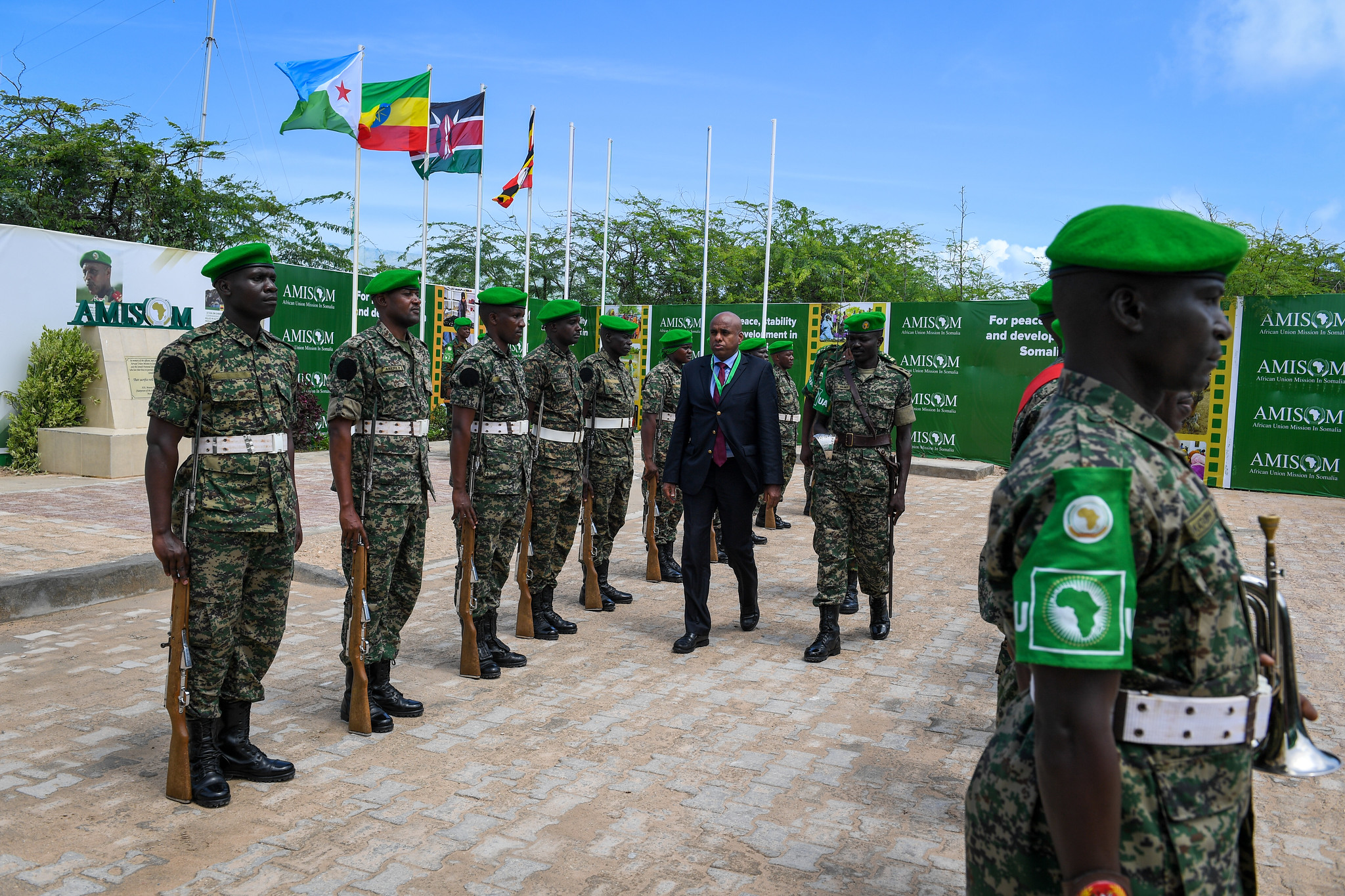
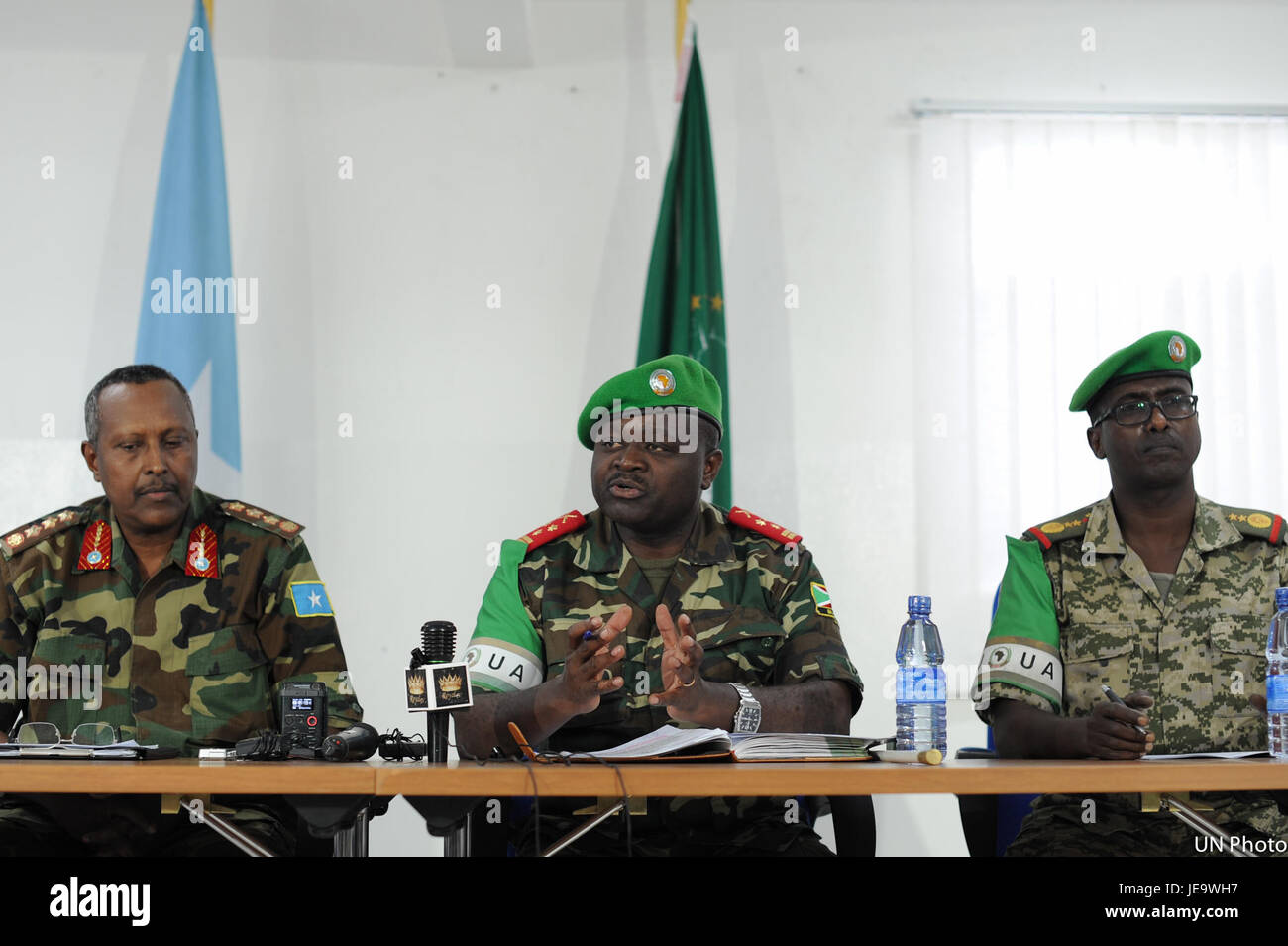
The African Union Mission in Somalia (AMISOM) was a multi-dimensional regional peacekeeping mission operated by the African Union with the approval of the United Nations. Established in 2007, it served as the primary international security intervention in Somalia for fifteen years until its transition into the African Union Transition Mission in Somalia (ATMIS) in April 2022.
The mission was originally authorized to support transitional governmental structures, implement a national security plan, and facilitate the delivery of humanitarian aid. Over its lifespan, AMISOM evolved from a small protection force into a massive military operation involving over 22,000 personnel. As we look at the security landscape in 2026, understanding AMISOM’s foundational role is essential to comprehending the current stabilization efforts under the African Union Support and Stabilization Mission in Somalia (AUSSOM).
The Origin and Mandate of AMISOM
AMISOM was born out of a period of intense volatility in the Horn of Africa. In the mid-2000s, the rise of the Union of Islamic Courts (UIC) and the subsequent Ethiopian military intervention created a vacuum that required a neutral, regional peacekeeping presence. The African Union (AU) Peace and Security Council established AMISOM on January 19, 2007, with a six-month mandate, which was subsequently approved by the United Nations Security Council under Resolution 1744.
The primary objectives of the mission were complex and expanded over time. Initially, the force was tasked with:
- Protecting the Transitional Federal Government (TFG): Ensuring that the nascent political structures could function within Mogadishu.
- Supporting the National Security Plan: Assisting in the training and development of Somali security forces.
- Humanitarian Facilitation: Creating "green zones" and secure corridors for the delivery of food, medicine, and aid to internally displaced persons (IDPs).
- Counter-Insurgency: Engaging the militant group Al-Shabaab to reclaim territory and reduce the group's operational capacity.
Unlike traditional UN "blue helmet" missions that often focus on monitoring peace agreements, AMISOM was a peace-enforcement mission. This meant its troops were authorized to use force proactively to achieve their mandate, making it one of the most dangerous and combat-intensive missions in the history of the African Union.
Organizational Structure and Troop Contributing Countries (TCCs)
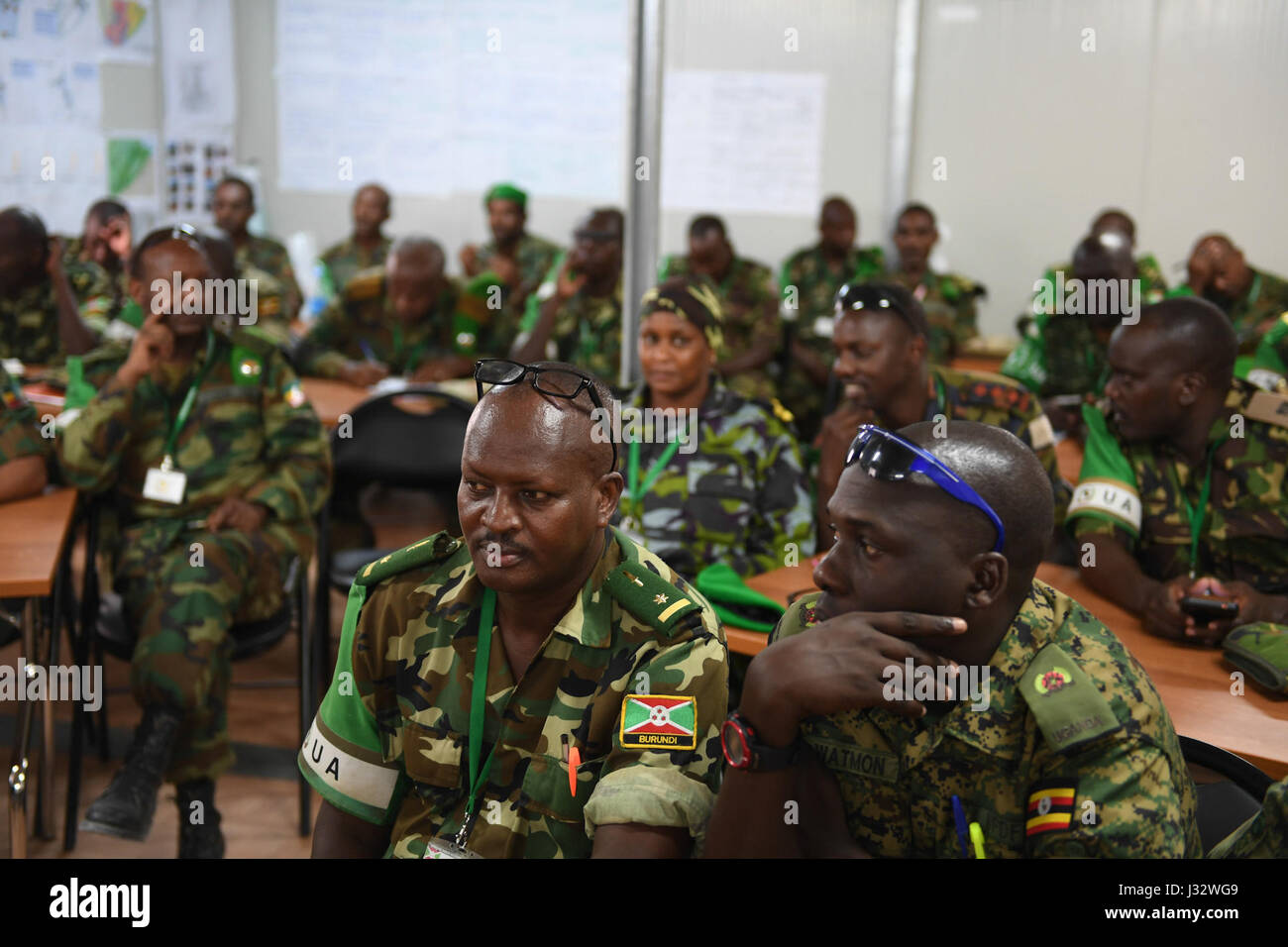
AMISOM was not a monolithic military force; it was a coalition of African nations providing military, police, and civilian components. The mission was divided into geographical sectors, with different Troop Contributing Countries (TCCs) taking responsibility for specific regions of Somalia.
The Military Component
The military component was the largest part of AMISOM. It reached its peak strength at roughly 22,126 uniformed personnel. The primary contributors were:
- Uganda: The first country to deploy troops in 2007, Uganda remained the largest contributor throughout the mission's duration.
- Burundi: Joined in late 2007, providing significant infantry support.
- Ethiopia: While initially intervening unilaterally, Ethiopian forces officially integrated into AMISOM in 2014.
- Kenya: Entered Somalia in 2011 (Operation Linda Nchi) and integrated into AMISOM in 2012.
- Djibouti: Joined in 2011 to secure central regions.
The Police Component (AMISOM Police)
The police component focused on civil security and the rule of law. It included Individual Police Officers (IPOs) and Formed Police Units (FPUs). Their role was to train the Somali Police Force (SPF), provide operational support during high-profile events, and help re-establish police stations in liberated areas.
The Civilian Component
Often overlooked, the civilian component managed the political, civil affairs, and humanitarian coordination. They worked closely with the Federal Government of Somalia (FGS) to promote reconciliation, provide legal advice on constitutional matters, and ensure that the mission's military actions complied with International Humanitarian Law (IHL).
| Sector | Responsibility Area | Primary Troop Contributing Country |
|---|---|---|
| Sector 1 | Mogadishu and Lower Shabelle | Uganda |
| Sector 2 | Lower Juba and Middle Juba | Kenya |
| Sector 3 | Bay, Bakool, and Gedo | Ethiopia |
| Sector 4 | Hiiraan and Galguduud | Ethiopia and Djibouti |
| Sector 5 | Middle Shabelle | Burundi |
| Sector 6 | Kismayo and surrounding areas | Multi-national (Kenya/Ethiopia) |
Key Achievements and Strategic Milestones
AMISOM's legacy is defined by its ability to hold ground in a highly asymmetric warfare environment. When the mission began, the government controlled only a few blocks of the capital city. By the time it transitioned, the Federal Government of Somalia had established a presence in nearly all major urban centers.
The Battle for Mogadishu (2010–2011)
Between 2010 and 2011, AMISOM engaged in some of the most intense urban warfare seen in Africa. Through a series of methodical offensives, Ugandan and Burundian forces pushed Al-Shabaab out of the capital. This allowed for the first stable government operations in decades and paved the way for the 2012 constitutional process.
Securing Strategic Hubs
The capture of the port city of Kismayo in 2012 by Kenyan and Somali forces (Sector 2) was a major blow to Al-Shabaab’s finances. For years, the charcoal trade through Kismayo had been the primary revenue stream for the insurgency. By seizing ports and airports, AMISOM significantly degraded the militants' ability to fund large-scale operations.
Institutional Capacity Building
AMISOM was instrumental in the "Somalization" of security. This involved the recruitment and training of thousands of Somali National Army (SNA) soldiers. By providing the security umbrella, AMISOM allowed Somalia to hold multiple indirect elections, leading to the peaceful transfer of power between successive presidents—a rarity in post-conflict states.
Challenges and Operational Limitations
Despite its successes, AMISOM faced systemic challenges that hindered its ability to fully eradicate Al-Shabaab.
Funding and Logistics: Unlike UN-led missions, AMISOM relied on a "patchwork" of funding. The African Union provided the mandate, the UN provided logistical support (through UNSOS), and the European Union provided the majority of troop allowances. This tripartite arrangement often led to delays in payments and equipment procurement.
Asymmetric Warfare: Al-Shabaab proved to be a resilient and adaptive foe. As they lost urban centers, they transitioned into a guerilla force, utilizing Improvised Explosive Devices (IEDs), suicide bombings, and targeted assassinations. AMISOM's heavy-infantry structure was often ill-equipped to counter these hit-and-run tactics in the vast rural hinterlands.
Human Rights Concerns: Over fifteen years, various human rights organizations documented incidents of civilian casualties resulting from AMISOM operations. While the AU established the Civilian Casualty Tracking, Analysis and Response Cell (CCTARC), the lack of transparency in some investigations remained a point of friction with the local population.
The Transition: From AMISOM to ATMIS and Beyond
By 2021, it became clear that the security model needed to change. The international community and the Somali government pushed for a transition that prioritized Somali leadership. On April 1, 2022, AMISOM was officially replaced by the African Union Transition Mission in Somalia (ATMIS).
Why the Transition Occurred
ATMIS was designed to be temporary and transition-oriented. Its primary goal was to implement the Somalia Transition Plan (STP), which envisioned a gradual handover of security responsibilities to the Somali National Army. The mission was structured into four phases, with the intent of a complete withdrawal by the end of 2024.
The 2026 Perspective: AUSSOM
As we operate in 2026, the landscape has shifted again. Following the conclusion of the ATMIS mandate, the African Union Support and Stabilization Mission in Somalia (AUSSOM) was inaugurated in January 2025. This mission represents the "post-transition" phase, focusing less on frontline combat and more on:
- High-level mentoring of Somali specialized units.
- Protecting critical infrastructure and supply routes.
- Providing technical intelligence, surveillance, and reconnaissance (ISR) support.
- Supporting the stabilization of areas recently liberated by the SNA.
The Role of International Partnerships
AMISOM would not have been possible without deep international cooperation. The mission serves as a case study for the "African solutions to African problems" doctrine, supported by global partners.
- United Nations (UN): Provided the legal framework and logistical backbone through the United Nations Support Office in Somalia (UNSOS).
- European Union (EU): The largest financial contributor to troop stipends through the African Peace Facility.
- United States: Provided significant bilateral support, including counter-terrorism cooperation, airstrikes against high-value targets, and training for the Danab Advanced Infantry Brigade.
- United Kingdom: Focused heavily on training and advising the SNA and AMISOM leadership on urban planning and security coordination.
Frequently Asked Questions
1. Who funded AMISOM?
AMISOM was primarily funded by the European Union (EU) through the African Peace Facility (APF), which covered troop allowances. The United Nations provided logistical support (food, fuel, transport, and medical evacuation) through the United Nations Support Office in Somalia (UNSOS). Member states and other partners like the United States and the United Kingdom provided bilateral equipment and training.
2. How many soldiers did AMISOM lose?
The African Union has historically been hesitant to release exact casualty figures for AMISOM. However, estimates from independent researchers and government statements from TCCs suggest that several thousand soldiers lost their lives over the 15-year mission. Uganda and Burundi sustained the highest number of casualties, particularly during the intense urban battles for Mogadishu between 2009 and 2011.
3. Was AMISOM a UN mission?
No, AMISOM was an African Union (AU) mission. However, it operated with the authorization of the UN Security Council. This distinction is important because AU missions have different rules of engagement and funding structures compared to traditional UN Peacekeeping Operations (PKO).
4. What was the difference between AMISOM and Al-Shabaab?
AMISOM was a legitimate international peacekeeping force composed of soldiers from various African nations, tasked with stabilizing Somalia. Al-Shabaab is a militant extremist group affiliated with Al-Qaeda that seeks to overthrow the Somali government and implement a strict version of Sharia law. AMISOM's primary military objective was to neutralize the threat posed by Al-Shabaab.
5. What replaced AMISOM in 2022?
AMISOM was replaced by the African Union Transition Mission in Somalia (ATMIS) on April 1, 2022. ATMIS was designed with a more limited timeframe and a specific mandate to hand over all security responsibilities to the Somali National Army by December 2024. This was subsequently followed by the AUSSOM mission in 2025.
Conclusion and Current Outlook
AMISOM was the longest-running and most expensive peacekeeping mission in the history of the African Union. While it did not achieve a total defeat of Al-Shabaab, it successfully prevented the collapse of the Somali state and created the necessary breathing room for political institutions to take root.
In 2026, the focus has moved from foreign intervention to Somali ownership. The legacy of AMISOM lives on in the trained personnel of the Somali National Army and the relative stability of Mogadishu. For those following the situation in the Horn of Africa, the next step involves monitoring the effectiveness of the AUSSOM mission and the ability of the Somali government to maintain security without large-scale foreign infantry support.
For further information on the current security protocols or to review historical mission reports, researchers should consult the African Union Peace and Security Department or the United Nations Security Council archives regarding Somalia.