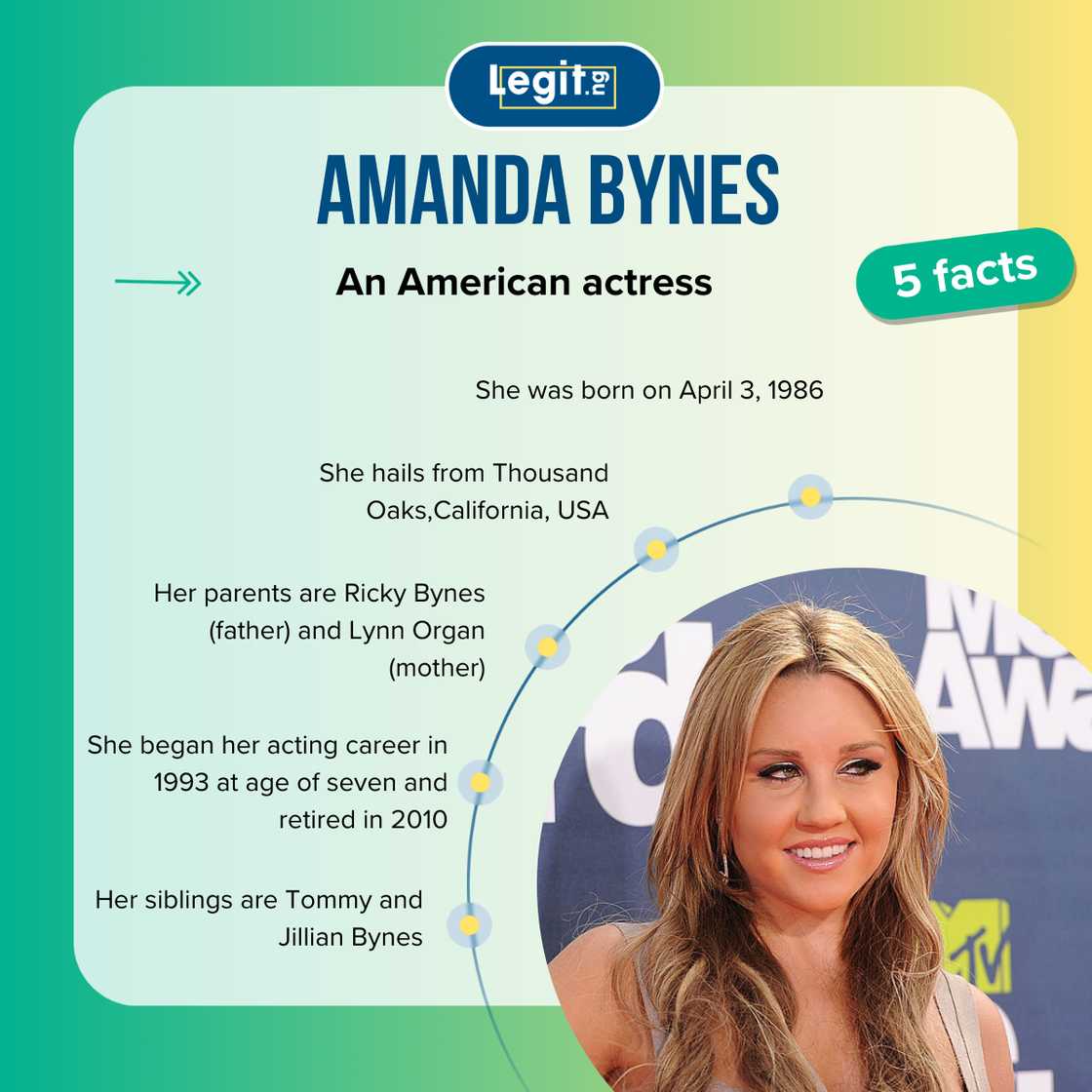
Estimating the net worth of an online content creator like Amanda Sings requires an analysis of diverse revenue streams, including platform monetization, brand partnerships, and digital product sales. While no public official documentation exists to verify her precise wealth, industry benchmarks for similar creators suggest her financial valuation is built upon consistent audience engagement and platform-specific monetization models rather than a singular high-value asset.
The Methodology Behind Creator Wealth Assessment
Calculating the financial status of independent media figures, particularly those who operate primarily on social media platforms, is inherently speculative. Unlike corporate executives or publicly traded companies, individual content creators are not required to file financial disclosures. Therefore, determining a "net worth" figure involves auditing observable data points rather than private bank statements.
To arrive at a reasoned assessment, analysts look at several key pillars:
- Platform Monetization: This includes earnings generated through ad-revenue-sharing programs on sites like YouTube, Twitch, or other integrated social media monetization tools.
- Brand Sponsorships: Collaborations with companies, which often pay creators based on reach, engagement rates, and niche authority.
- Direct-to-Consumer Sales: Revenue generated from selling merchandise, digital downloads, or proprietary courses.
- Operational Overhead: Essential business expenses, such as production equipment, editing software subscriptions, staffing costs, and marketing efforts, which must be subtracted from gross revenue to determine actual wealth accumulation.
Understanding Platform Monetization Dynamics
The primary driver for creators in the "sings" or performance niche is often the platform-specific ecosystem. YouTube, for example, utilizes the Partner Program (YPP), which shares a portion of advertisement revenue with creators who meet specific eligibility thresholds. This is calculated through CPM (Cost Per Mille) and RPM (Revenue Per Mille) metrics.
An individual like Amanda Sings, whose content centers on performance, music, or personality-driven engagement, likely sees fluctuating income based on seasonal advertising trends. In the digital media landscape, advertisers typically pay higher rates during the fourth quarter (Q4) of each year, coinciding with holiday shopping, while rates often normalize or dip in the first quarter of the following year. Consequently, a creator’s yearly earnings are rarely linear; they represent a compounding effect of consistent output and audience retention.
Diversification Beyond Ad Revenue
Relying solely on platform ads is generally considered a high-risk financial strategy for digital creators. Successful figures in this space mitigate risk by diversifying their income. This typically involves:
- Affiliate Marketing: Earning commissions through referral links for products mentioned or used in content.
- Crowdfunding and Membership: Utilizing platforms that allow fans to provide direct monthly financial support in exchange for exclusive content, early access, or behind-the-scenes insights.
- Licensing and Royalties: If the creator produces original musical works, there is potential for income through performance rights organizations (PROs) and streaming platforms.
For a creator to achieve a stable "net worth," they must transition from a reliance on volatile platform algorithms toward a business model characterized by owned-audience platforms—such as email lists or independent websites—where they have greater control over their monetization strategy.
Identifying Financial Benchmarks in the Creator Economy
To provide context for what is meant by "net worth" in this niche, it is helpful to compare common operational models. It is important to note that gross revenue should not be confused with net worth. A creator might generate significant revenue but spend 60% or more on production costs, taxes, and business development.
| Revenue Source | Characteristics | Financial Stability |
|---|---|---|
| Ad Revenue | Passive; volume-based | Low (Algorithm dependent) |
| Brand Deals | Active; project-based | Moderate (Negotiation dependent) |
| Digital Products | Passive; asset-based | High (Margin-focused) |
| Membership | Subscription-based | High (Retention-focused) |
As of 2026, the cost of high-quality audio and video production equipment has decreased, allowing creators to achieve professional-grade results with lower overhead than in previous decades. However, the competition has intensified, meaning that marketing and audience acquisition costs have often risen, balancing out the savings in production costs.
Addressing Potential Discrepancies and Misconceptions
It is common for online trackers to generate widely varying estimates for the net worth of independent creators. These discrepancies arise because these trackers often use automated algorithms that estimate earnings based purely on public view counts or follower counts. They frequently fail to account for:
- Taxes: Self-employed creators face significant tax liabilities, including self-employment taxes, which reduce the total amount they keep.
- Business Expenses: High-quality production often requires significant capital reinvestment.
- Contractual Obligations: Exclusive deals with talent agencies or platforms can significantly alter the actual take-home pay of a creator compared to their gross visibility.
Users searching for financial data on creators should approach online "net worth" reports with skepticism, as they rarely have access to private business ledgers or investment portfolios.
Frequently Asked Questions
1. How do online estimates for net worth usually work? Most online estimates use a formula that multiplies a creator's average view count by an industry-standard average for ad revenue, then subtracts an estimated percentage for taxes and business costs. These are projections, not audited financial statements, and should be viewed as illustrative rather than exact.
2. Does "net worth" include assets like real estate or personal vehicles? Yes, true net worth encompasses all assets—including real estate, investments, savings, and physical equipment—minus all liabilities, such as loans or outstanding business debts. Most online net worth trackers for internet celebrities focus only on liquid income from their channel, which is a very limited view of their total financial picture.
3. Why do some creators show high popularity but lower estimated net worth? A high follower count does not always translate to high revenue. Factors such as audience demographics (some audiences are more valuable to advertisers than others), the frequency of uploads, and the maturity of the monetization strategy all play critical roles. A creator might choose not to aggressively monetize their audience, which would lower their net worth but potentially increase their long-term brand loyalty.
4. How does a creator’s location affect their financial standing? Tax jurisdictions, cost of living, and the currency in which they receive payments all influence a creator’s net worth. A creator living in a jurisdiction with high income taxes will have a lower net worth compared to a creator generating the same gross revenue in a more tax-advantaged environment, assuming all other business expenses are equal.
Practical Steps for Financial Research
If you are researching the financial side of the creator economy for professional or personal interest, rather than looking for a single number, consider the following approach:
- Analyze Monetization Strategy: Observe how many different ways the creator monetizes their content (merch, ads, affiliate links). A creator with multiple income streams is generally on a more sustainable financial path.
- Evaluate Audience Growth and Retention: Look for evidence of a dedicated, repeat audience rather than viral, one-off hits. A consistent audience is the most valuable asset any creator holds.
- Monitor Industry Trends: Recognize that in 2026, the value of independent creators is shifting toward deeper audience connection and niche expertise rather than mass-market reach alone.
Ultimately, the net worth of any independent digital personality is a private matter. Any figures found online represent informed speculation rather than verified financial data. The true value of a creator lies in their ability to build a sustainable, resilient business model that thrives independently of fluctuating digital trends.