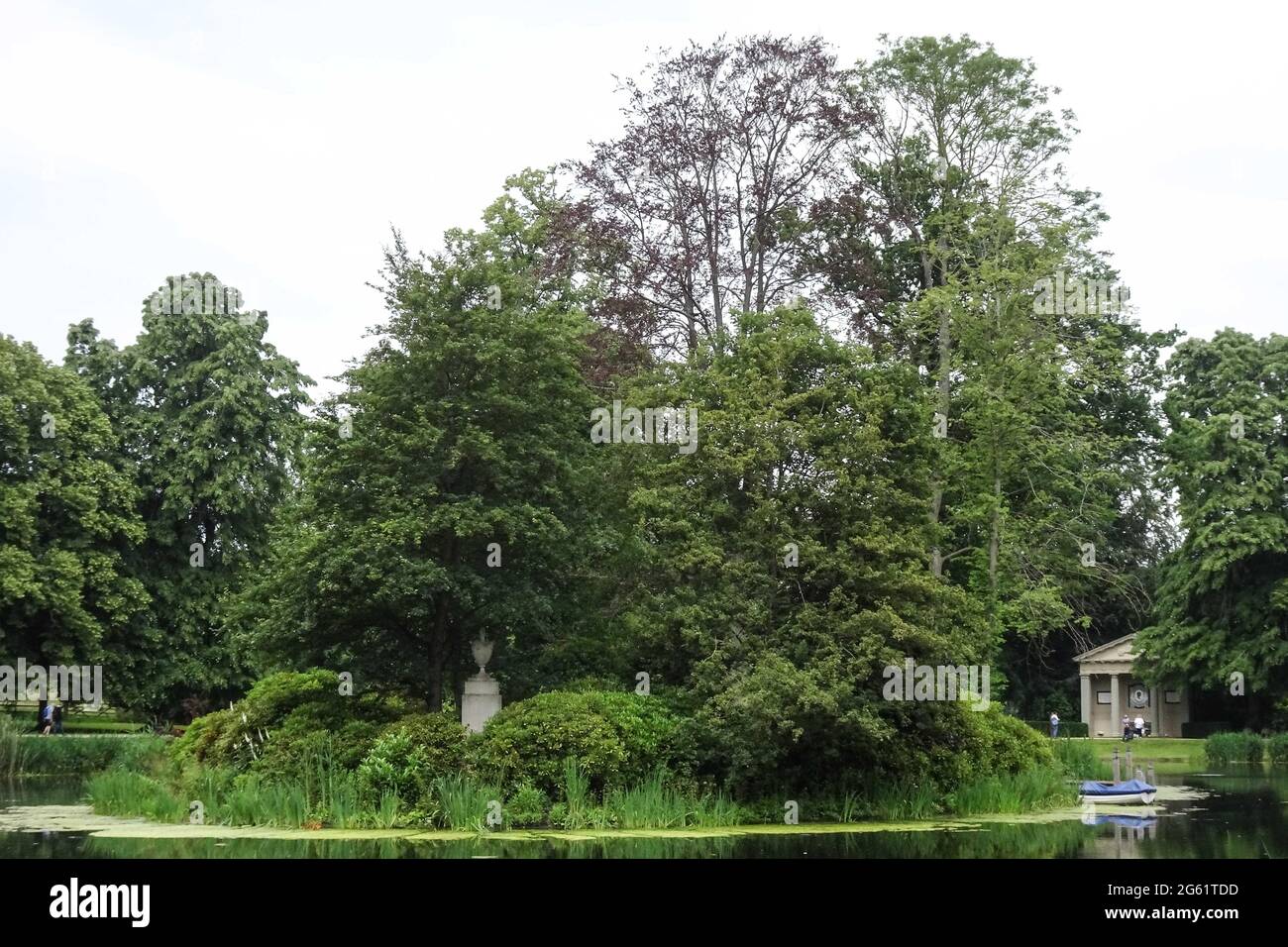
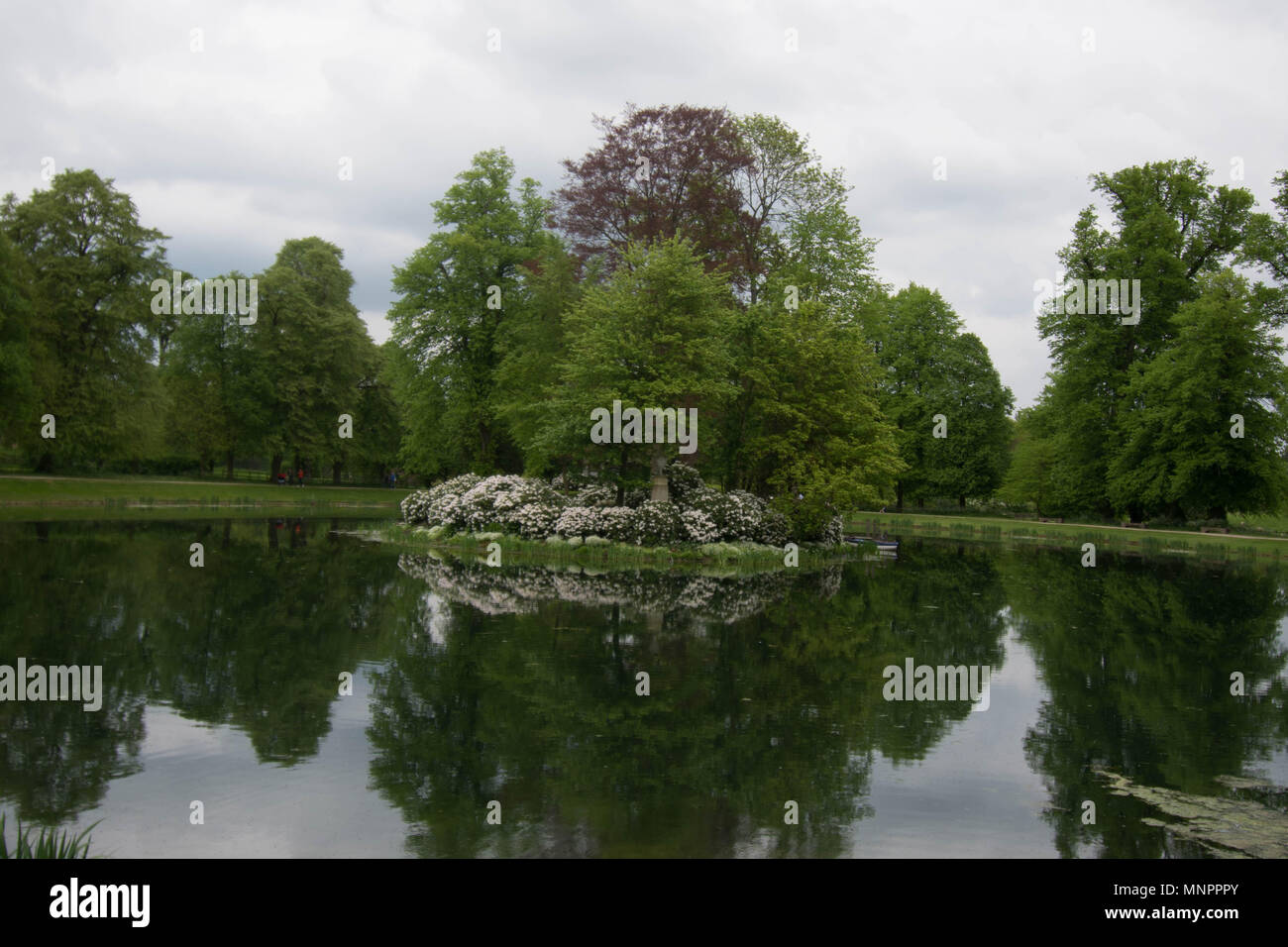
The final resting place of Diana, Princess of Wales, is located on a secluded island in the middle of the Oval Lake at Althorp Park, the ancestral Northamptonshire estate of the Spencer family. Chosen by her brother, Charles Spencer, 9th Earl Spencer, following her death in September 1997, the island burial provided vital security, privacy, and a peaceful sanctuary for her immediate family while keeping her memory rooted within her family's five-century history.
The Spencer Family and the Origins of Althorp Estate
To understand the historical context of Diana’s grave at Althorp, one must first understand the deep connection between the Spencer family and the land on which the house stands. Located in Northamptonshire, approximately 75 miles northwest of London, the Althorp estate (historically pronounced "Awltrup") has been the primary seat of the Spencer family since 1508.
Sir John Spencer purchased the original manor of Althorp in the early 16th century using wealth built through successful sheep farming and agriculture. Over the subsequent generations, the family rose through the English peerage, acquiring titles, land, and significant political influence. By the 17th century, the Spencers were elevated to the earldom, cementing their status among Britain's landed aristocracy.
- 1508: Sir John Spencer acquires Althorp Estate
- 1688: Estate remodeled by 2nd Earl of Sunderland (Classical exterior added)
- 1788–1790: Henry Holland re-faces house with mathematical tiles
- 1975: John Spencer becomes 8th Earl; Diana moves to Althorp
- 1997: Burial of Diana, Princess of Wales, on Oval Lake Island
The house itself evolved from a red-brick Tudor manor into an imposing country seat. Major architectural alterations occurred in the late 18th century under George John, 2nd Earl Spencer, who hired architect Henry Holland to modernize the exterior. Holland re-faced the Tudor brickwork with mathematical tiles—a popular Georgian technique designed to imitate ashlar stone—giving Althorp its distinct grey-slate tone.
Inside, Althorp houses one of Europe’s finest private art collections, featuring masterworks by Sir Anthony van Dyck, Thomas Gainsborough, Sir Joshua Reynolds, and Sir Peter Lely, as well as an extensive collection of antique furniture and porcelain.
Diana, born Lady Diana Spencer in 1961 at Park House on the royal estate at Sandringham, moved to Althorp in 1975 when her father, John Spencer, inherited the title as the 8th Earl Spencer. The estate served as her primary family residence during her teenage years until her marriage to Prince Charles in 1981, forging a personal connection to the grounds that would determine her ultimate resting place.
The 1997 Decision: Privacy, Security, and Sanctuary
Following the tragic death of Diana, Princess of Wales, in Paris on August 31, 1997, immediate decisions were required regarding her funeral and interment. Although she was no longer an official member of the Royal Family by formal title following her 1996 divorce, her national status and public mourning demanded a state-level ceremonial funeral at Westminster Abbey on September 6, 1997.
However, the question of her final burial site presented severe logistical, safety, and emotional challenges for her family.
- Decision Factors for Burial Site
- Public Safety Concerns
- Avoid overwhelming village
- Control tourism traffic
- Prevent site vandalism
- Family & Historical
- Personal link (childhood home)
- Private access for sons
- Direct Spencer protection
- Public Safety Concerns
The Alternative: The Great Brington Family Vault
For centuries, the traditional burial place for the Spencer family had been St Mary the Virgin Church in the nearby village of Great Brington, located less than two miles from Althorp. The Spencer Chapel within the church holds the tombs and monuments of generations of Spencers dating back to the 16th century, including Diana's father, John Spencer, who died in 1992.
Initial plans considered placing Diana’s vault alongside her ancestors at Great Brington. However, Charles Spencer and the estate management expressed grave concerns regarding the safety and infrastructure of the small village:
- Mass Tourism Impact: The expected influx of hundreds of thousands of international visitors would overwhelm Great Brington's narrow roads, minimal parking, and residential community.
- Security Risks: A public churchyard presented immense security vulnerabilities, exposing the site to potential vandalism, souvenir hunting, or media intrusion.
- Privileged Access for Her Sons: Prince William and Prince Harry required a location where they could visit their mother’s grave in absolute privacy, far from news cameras and public crowds.
Selecting the Island on the Oval Lake
Earl Spencer determined that an island setting within the walled perimeter of Althorp Park offered the optimal balance between historical tradition, security, and tranquility. The chosen site was a small, wooded island situated within an artificial body of water known as the Oval Lake, located in the Pleasure Grounds of the estate.
By selecting the island, the family created a physical barrier—the surrounding water—that prevented unauthorized approach while keeping the grave protected within private property. The arrangement ensured that while the public could visit Althorp during seasonal openings, the actual grave site remained entirely inaccessible to non-family members.
Landscape Design: The Oval Lake and Memorial Temple
The landscape surrounding the burial site was carefully altered late in 1997 and refined in subsequent years to create an atmosphere of quiet reflection, integrating historical architecture with deliberate symbolism.
- ALTHORP PLEASURE GROUNDS
- Arboretum Avenue (36 Oak Trees planted representing each year of Diana's life)
- OVAL LAKE
- Memorial Temple (Viewing point for visitors)
- ISLAND (Burial Site)
- Water Lilies & Weeping Willows
The Arboretum and Symbolic Tree Planting
The approach to the Oval Lake features an avenue of 36 oak trees, specifically planted by family members and groundskeepers along the main pathway leading to the water. Each tree represents a year of Diana’s life. Additionally, hundreds of white water lilies were introduced into the lake, alongside native English broadleaf trees—including weeping willows, white roses, and silver birches—planted along the shoreline to frame the view of the island.
The Burial Island
The island itself is densely wooded, housing mature trees that obscure direct views of the grave marker from the lake banks. The grave is marked by a modest stone monument and simple burial vault. The island is not equipped with public walkways or bridges; access is maintained strictly by boat, utilized exclusively by members of the Spencer family and close relatives.
The Doric Memorial Temple
Across the water from the island, on the western bank of the Oval Lake, stands a classical garden temple that serves as the public focus of the memorial site.
- History of the Temple: The structure is an 18th-century Doric-style portico designed originally by architect George Dance the Younger. It was initially erected in the gardens of Admiralty House in London before being purchased by George John, 2nd Earl Spencer, in the late 1700s and relocated to Althorp.
- Rededication: Following Diana’s death, the temple was restored and rededicated as a visitor shrine. It houses a central black granite tablet inscribed with a quote from Diana regarding her charity work, flanked by silhouettes of the Princess and an inscription of Earl Spencer’s funeral address delivered at Westminster Abbey.
- Visitor Function: During public opening periods, visitors to Althorp may walk up to the Memorial Temple, leave floral tributes, and look across the Oval Lake toward the island.
Historical Comparison: Burial Locations of the Spencer Family
The decision to place Diana’s grave on the Althorp estate grounds marked a departure from the family’s standard centuries-old burial protocols. The table below compares the key historical, logistical, and structural characteristics of the main locations associated with the Spencer family and Royal legacy.
| Feature / Metric | Oval Lake Island (Althorp) | St Mary the Virgin Church (Great Brington) | Westminster Abbey (London) |
|---|---|---|---|
| Primary Role | Final Resting Place of Diana, Princess of Wales | Historic Spencer Family Vault & Parish Church | Funeral Location & Royal Coronation/Burial Site |
| Historical Period | Designated in September 1997 | Active Spencer burial site from 1522 to present | Founded 960 AD; Royal burials since 1066 |
| Public Accessibility | Viewable from bank during summer; Island strictly off-limits | Fully accessible parish church (Spencer Chapel enclosed) | Fully accessible to paying visitors and worshippers |
| Security Mechanism | Gated estate grounds, natural water moat, non-public island | Standard churchyard locks and local parish oversight | High-level national security, church wardens, police |
| Primary Entombment Style | Earth burial beneath private island foliage | Below-ground vaults and marble wall monuments | Floor slabs, raised tombs, and royal crypts |
| Key Family Members Interred | Diana, Princess of Wales | John Spencer (8th Earl), Sir John Spencer, 1st Earl Spencer | Selected Monarchs, Consorts, and Notable Figures |
Visiting Althorp Estate: Public Access, Rules, and Visitor Intent
For travelers, historians, and members of the public planning to visit Althorp, understanding the operational boundaries and seasonal openings is essential. Althorp remains a private residential estate owned by the Spencer family, not a publicly owned museum or national park.
- Public Entrance to Althorp House Grounds
- Accessible Areas
- Althorp House State Rooms
- Stables Exhibition & Grounds
- Oval Lake Banks & Shoreline
- Doric Memorial Temple
- Restricted Areas
- Burial Island (No Crossing)
- Private Residential Wings
- Family Vault (Great Brington)
- Accessible Areas
Seasonal Openings and Ticket Requirements
Althorp House opens its doors to the public for a limited period each year, typically during the summer months (July and August). During these dates, visitors can purchase tickets to access:
- The House Interior: Guided or self-guided tours through the State Rooms, displaying the Spencer art collection, historical dining halls, and living quarters.
- The Grounds and Parklands: Access to the landscaped park designed by Capability Brown’s contemporaries, including paths surrounding the Oval Lake.
- The Memorial Temple: Direct access to the shoreline temple where flowers and messages can be left.
- The Stables Complex: Converted historical stables featuring heritage displays, coffee shops, and exhibitions detailing the history of the house and estate.
Strict Rules Regarding the Grave Site
Visitors should be aware of several firm restrictions regarding the burial site:
- No Access to the Island: There is no bridge, causeway, or public boat service to the island. Crossing the water by any means is strictly prohibited.
- Photography Limits: While photography is permitted within the grounds and near the shore of the Oval Lake, commercial photography and filming are prohibited without explicit prior consent from the estate office. Interior photography inside Althorp House is restricted.
- Code of Conduct: Visitors are expected to maintain silence and decorum around the Oval Lake area out of respect for the memorial.
Site Evolution and the 2017 Redesign
As the 20th anniversary of Diana’s death approached in August 2017, Althorp underwent a major restoration project focused on the estate’s water features and gardens. Over two decades, algae growth, silt accumulation, and natural weathering had altered the original 1997 appearance of the Oval Lake and surroundings.
Led by Charles Spencer and his wife, Countess Spencer, the project delivered extensive land management improvements:
- 2017 Restoration Project
- Dredging and re-clearing of the Oval Lake bed
- Removal of invasive water plants and reed encroachment
- Re-planting of native water lilies across the water surface
- Pruning and tree health management on the burial island
- Structural restoration of the Doric Memorial Temple stone
The 2017 redesign ensured that the ecological balance of the lake was maintained, preventing overgrown vegetation from altering the privacy or structural integrity of the burial island. The surrounding woods were re-landscaped with additional rhododendrons, forget-me-nots (Diana’s favorite flowers), and native wildflowers, maintaining the natural sanctuary aesthetic envisioned in 1997.
Frequently Asked Questions
Can visitors go onto the island where Princess Diana is buried?
No. The island on the Oval Lake is strictly off-limits to the general public. There are no bridges or boats available for public use. Visitors can only view the island and the lake from the surrounding shoreline and visit the Memorial Temple situated nearby on the bank.
Why was Diana not buried in the royal vaults at Windsor or Westminster?
Following her divorce from Prince Charles in 1996, Diana was no longer an official member of the Royal Household, although she remained a member of the British aristocracy as Lady Diana Spencer. Her brother, Earl Spencer, chose Althorp to ensure her private family could manage her final resting place safely away from public intrusion, media presence, and state management.
Is Great Brington Church still connected to Diana's memory?
Yes. St Mary the Virgin Church in Great Brington contains the ancestral Spencer Chapel where Diana’s father and ancestors are buried. While Diana herself is buried at Althorp, many visitors to the region also visit the church to see the historic Spencer family tombs and sign the local book of remembrance.
How far is the burial lake from Althorp House itself?
The Oval Lake is situated within the Pleasure Grounds of the estate, approximately a 5 to 10-minute walk from the main house. The walking path takes visitors through landscaped gardens and mature tree avenues.
What is written on the memorial temple at Althorp?
The Doric Memorial Temple across from the island contains two marble plaques. One features a profile silhouette of Princess Diana alongside a quote from her speech regarding her international humanitarian work. The opposite plaque features an excerpt from the eulogy delivered by her brother, Charles Spencer, at her funeral in Westminster Abbey.
Summary and Practical Next Actions
The burial site of Diana, Princess of Wales, at Althorp Park remains a unique historical landscape—combining five centuries of Spencer family heritage with modern memorial architecture designed for privacy, safety, and quiet reflection.
If you are planning to visit Althorp Estate to view the grounds and historical collections, consider these recommended steps:
- Verify Opening Schedules: Visit the official Althorp Estate website to check seasonal summer opening dates and purchase advance admission tickets, as daily visitor numbers are capped.
- Review Access Guidelines: Ensure your itinerary accounts for estate accessibility rules. Plan for walking outdoors on grass paths surrounding the Oval Lake.
- Explore Regional History: Extend your historical research by visiting St Mary the Virgin Church in nearby Great Brington to view the 16th-to-20th-century Spencer family monuments that put the family's legacy into broader historical context.