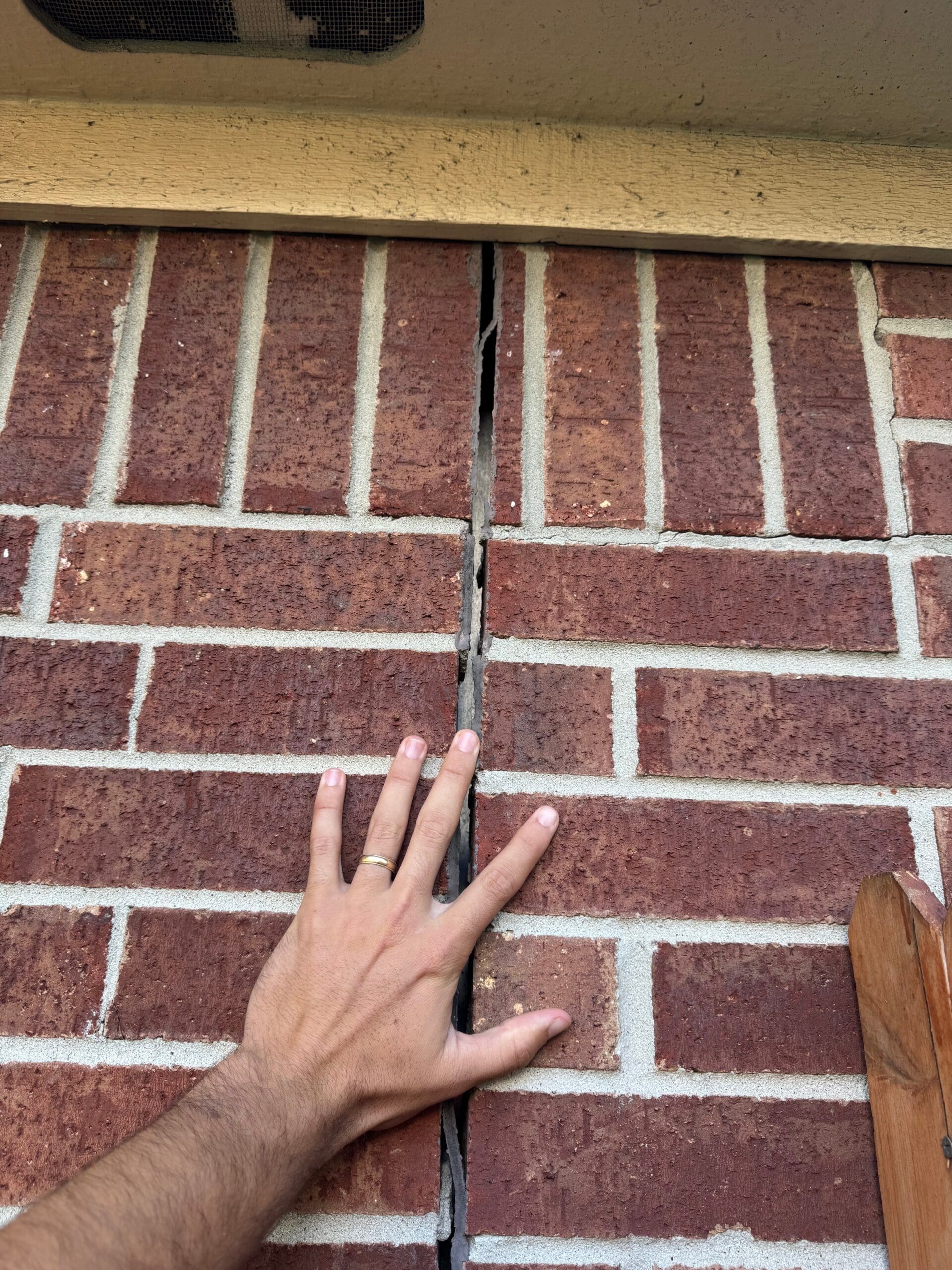
Alpha Foundation Repair in Houston is a specialized structural contractor that addresses the unique soil challenges of the Texas Gulf Coast using advanced piering systems and stabilization techniques. Their services primarily focus on remediating foundation settlement caused by expansive clay soils through the installation of pressed concrete pilings and steel piers.
In Houston, foundation integrity is a constant battle against the local geology. Whether you are dealing with a sinking slab in Sugar Land or shifting soil in the Heights, understanding the specific methodology behind Alpha Foundation Repair is essential for protecting your property’s structural and market value. As we move through 2026, the demand for high-performance foundation solutions has only increased as weather patterns in Southeast Texas continue to fluctuate between extreme drought and heavy rainfall.
The Unique Challenge of Houston Soils
To understand why Alpha Foundation Repair utilizes specific methods, one must first understand the ground beneath Houston. The region is primarily characterized by expansive clay soils, often referred to locally as "black gumbo." These clays are highly reactive to moisture levels.
When it rains, the clay particles absorb water and expand with immense force, capable of lifting entire sections of a concrete slab. Conversely, during the hot, dry Houston summers, the clay loses moisture and shrinks, leaving voids beneath the foundation. This cycle of "heave and shrink" puts incredible stress on a home’s structure. Over time, the foundation loses its uniform support, leading to cracks, sticking doors, and structural failure.
Alpha Foundation Repair’s approach is designed to bypass this volatile "active zone" of soil. By driving support structures deep into the earth—down to more stable, non-expansive strata—they effectively decouple the home’s weight from the fluctuating surface soil.
Core Repair Methods Explained
Alpha Foundation Repair typically utilizes several primary systems depending on the severity of the damage, the weight of the structure, and the specific soil composition at the site.
Pressed Concrete Pilings
The most common solution for residential homes in Houston is the pressed concrete piling. This method involves using the weight of the house itself to drive pre-cast concrete cylinders into the ground.
- Excavation: Small holes (approximately 2x2 feet) are dug at intervals around the perimeter of the foundation.
- Driving: A hydraulic jack is placed between the bottom of the foundation and the first concrete cylinder. The jack pushes the cylinder into the soil.
- Stacking: Successive cylinders are added and driven until "refusal" is met—the point where the soil resistance is greater than the weight of the house.
- Capping: Once the piling is set, a concrete cap is placed on top, and steel shims are used to provide the final lift and leveling.
Steel Pier Systems
For deeper stabilization or in areas where concrete pilings cannot reach a stable layer, steel piers are employed. These are often considered a more "permanent" or high-end solution. Steel piers consist of high-strength steel tubing that can penetrate much deeper than concrete, often reaching the load-bearing "shale" or dense sand layers that concrete might not reach in certain Houston zip codes.
Steel piers offer less friction during the driving process (skin friction), meaning more of the hydraulic force is used to reach depth rather than fighting the side-wall pressure of the clay. This makes them ideal for heavy multi-story homes or commercial properties.
Polyurethane Foam Injection (Poly-Leveling)
Not all foundation issues require deep piers. In cases where interior floors have settled or "sunk" away from the walls, Alpha may utilize high-density polyurethane foam. This process involves drilling small, penny-sized holes through the slab and injecting a liquid polymer. The liquid expands rapidly, filling voids and lifting the concrete back to its original position. This is particularly effective for driveways, pool decks, and garage floors.
The 2026 Step-by-Step Repair Process
If you are engaging Alpha Foundation Repair in 2026, the process follows a standardized engineering workflow to ensure long-term stability and compliance with local Houston building codes.
1. The Initial Structural Evaluation
The process begins with a comprehensive measurement of the home’s current levels. Using a digital altimeter (like a ZipLevel), the technician creates a floor plan map showing deviations in floor elevation. In 2026, many evaluations also incorporate moisture probes to determine if a plumbing leak is the underlying cause of the soil movement.
2. Engineering and Permitting
Before any dirt is moved, a repair plan is usually reviewed. In many Houston-area municipalities, a windstorm-certified engineering report or a general structural engineer's seal may be required to obtain the necessary building permits. This ensures that the proposed pier placement will actually support the load-bearing walls effectively.
3. Site Preparation and Excavation
The crew clears landscaping and digs the "access holes" at each pier location. Alpha Foundation Repair typically emphasizes "tunneling" if interior piers are needed, which allows them to reach the center of the house without breaking through the flooring inside the home.
4. The Lift and Leveling
This is the most critical phase. Using a series of hydraulic jacks synchronized across the affected area, the team slowly raises the foundation. The goal is not just to "level" the house, but to "stabilize" it. Technicians watch for the closing of exterior brick cracks and the realignment of door frames as the lift progresses.
5. Final Shimming and Backfilling
Once the house is at the desired elevation, steel shims are driven between the pier cap and the foundation. This creates a permanent, non-compressible connection. The holes are then backfilled, and the soil is compacted.
Comparison of Houston Foundation Methods
| Feature | Pressed Concrete Pilings | Steel Piers | Polyurethane Injection |
|---|---|---|---|
| Primary Use | Residential slab-on-grade | Heavy loads / Deep stability | Void filling / Interior slabs |
| Average Depth | 12 - 20 Feet | 30 - 70 Feet | 1 - 3 Feet (Surface) |
| Durability | High (Cost-effective) | Extreme (Lifetime) | Moderate (Soil dependent) |
| Installation Time | 2-3 Days | 3-5 Days | 1 Day |
| Relative Cost | Moderate ($$) | High ($$$) | Low-Moderate ($) |
The Role of Plumbing and Drainage
A unique aspect of Alpha Foundation Repair’s service in the Houston market is the focus on post-repair plumbing tests. When a foundation is lifted, the movement can stress old cast iron or PVC pipes buried beneath the slab.
In 2026, it is standard practice (and often an insurance requirement) to perform a Static Leak Test after the foundation is leveled. If a leak is detected, it must be repaired immediately; otherwise, the water leaking into the newly compacted soil will cause the foundation to shift again, potentially voiding the warranty.
Furthermore, Alpha often recommends drainage corrections. Without proper gutters and French drains to move water away from the foundation, even the best piers can be undermined by "erosion" or "hydrostatic pressure." Root barriers are also frequently discussed, as large oak trees common in Houston neighborhoods can suck hundreds of gallons of water from beneath a foundation daily, causing localized shrinking.
Cost Considerations in 2026
Foundation repair costs in Houston have stabilized in 2026 after the inflationary spikes of previous years, but they remain a significant investment. On average, a single pressed concrete piling costs between $450 and $700, while steel piers can range from $900 to $1,400 per pier.
A typical partial repair (one side of a house) might require 10 to 15 piers, leading to a total cost of $6,000 to $10,000. A full-perimeter wrap for a larger home can easily exceed $25,000. These prices generally include the labor, materials, and a standard lifetime transferable warranty, though engineering reports and permits may be billed separately.
Warranty and Long-Term Protection
One of the primary reasons homeowners choose Alpha Foundation Repair is the Lifetime Transferable Warranty. In the Houston real estate market, a foundation repair without a transferable warranty can be a dealbreaker during a home sale.
A transferable warranty means that if the house shifts again in the future, the company will return to "re-adjust" the piers at little to no cost to the current owner. However, homeowners should read the fine print: warranties often require the homeowner to maintain "proper moisture levels" around the foundation and ensure that no new plumbing leaks occur.
Common Signs You Need Foundation Repair
Before calling for an inspection, Houston homeowners should look for these tell-tale signs of structural distress:
- Stair-step cracks in the exterior brick mortar.
- Doors that stick or will not latch, especially during seasonal transitions.
- Gaps between the window frames and the brick or siding.
- Sloping floors where a ball might roll toward one side of a room.
- Cracked tiles or "hollow" sounding spots on a concrete slab floor.
Frequently Asked Questions
How long does the average Houston foundation repair take?
Most residential projects handled by Alpha Foundation Repair are completed in 2 to 4 days. This includes excavation, pier driving, lifting, and clean-up. Larger projects involving interior tunneling or extensive steel pier installation can take up to a week. Weather delays are common in Houston, as heavy rain can make excavation unsafe or ineffective.
Will foundation repair cause more cracks inside my house?
It is possible. When a foundation is lifted back toward its original position, the drywall and "rigid" elements of the home are forced to adjust. While exterior brick cracks often close during the lift, new hairline cracks may appear in interior sheetrock. Professional contractors recommend waiting 60 to 90 days after the repair before performing any cosmetic drywall or paint repairs to allow the house to "settle" into its new position.
Does homeowners insurance cover foundation repair in Texas?
Generally, no. Most standard Texas homeowners insurance policies exclude "earth movement" or "settlement." However, if the foundation damage was directly caused by a sudden pipe burst (plumbing leak), there may be a provision for coverage. It is vital to consult with an insurance adjuster and have Alpha Foundation Repair document any evidence of water-related soil saturation during the initial inspection.
Is Alpha Foundation Repair the same as Alpha Foundations?
There is often confusion between local entities. Alpha Foundation Repair is a term frequently used by specific local contractors in the Houston/Texas area. It is distinct from "Alpha Foundations," which is a large regional brand primarily operating in Florida and Georgia under the Groundworks umbrella. When hiring, always verify the specific local license and physical office address in the Houston metro area to ensure you are working with a company familiar with Texas-specific soil conditions.
Can I stay in my home during the repair?
Yes. Unlike major renovations, foundation repair is almost entirely an exterior process. There is significant noise from hydraulic pumps and hammers, and there will be vibration throughout the structure, but the interior of the home remains habitable. The only exception is if extensive interior tunneling or slab breakout is required, which may create dust and temporary access issues.
Practical Recommendations
If you suspect foundation issues in your Houston property, your first action should be to perform a "walk-around" and document every visible crack with photos. In 2026, many homeowners choose to hire an independent structural engineer for a "Tier 1" evaluation before calling a repair company. This provides an unbiased third-party opinion on whether piers are actually necessary or if drainage improvements could solve the problem.
Once you engage Alpha Foundation Repair, ensure that you receive a detailed "pier map" showing exactly where each support will be placed. Ask specifically about their depth-of-refusal standards and ensure that a post-repair plumbing test is scheduled. Maintaining a consistent watering schedule using "soaker hoses" during the dry months can also help preserve the work done by the repair crew and prevent future movement.