Alpaca antibodies, specifically heavy-chain-only antibodies (HCAbs) and their derived VHH fragments or nanobodies, are revolutionary tools in modern biotechnology. Characterized by their small size, high stability, and ability to bind hidden epitopes, they offer significant advantages over traditional antibodies in diagnostic imaging, targeted cancer therapies, and the treatment of infectious diseases.
The biological landscape of immunology was forever altered by the discovery that camelids—including alpacas, llamas, and camels—produce a unique class of antibodies. Unlike the complex four-chain structure of conventional mammalian antibodies, these specialized proteins offer a streamlined architecture that has unlocked new potential in drug delivery and molecular diagnostics. As of 2026, the integration of alpaca-derived VHH fragments into clinical pipelines has transitioned from experimental niche to a cornerstone of precision medicine.
Understanding the Unique Immunology of Alpaca Antibodies
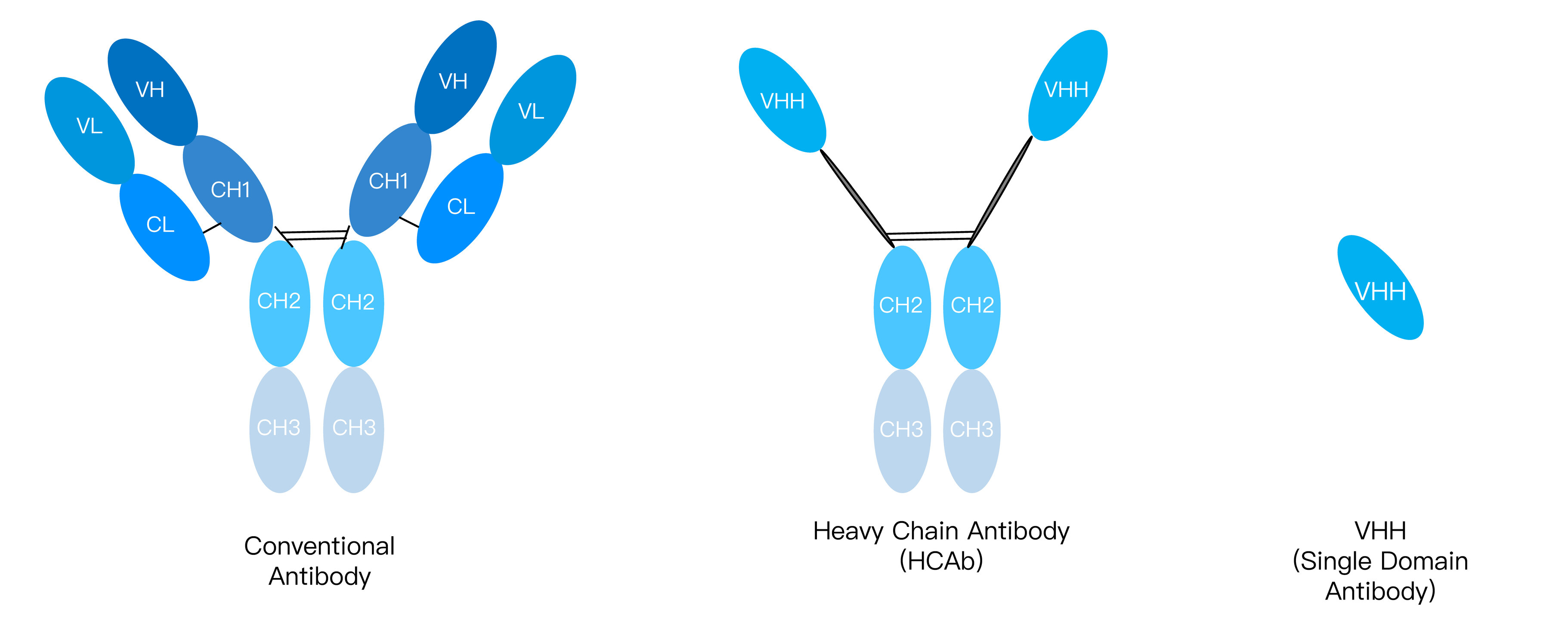
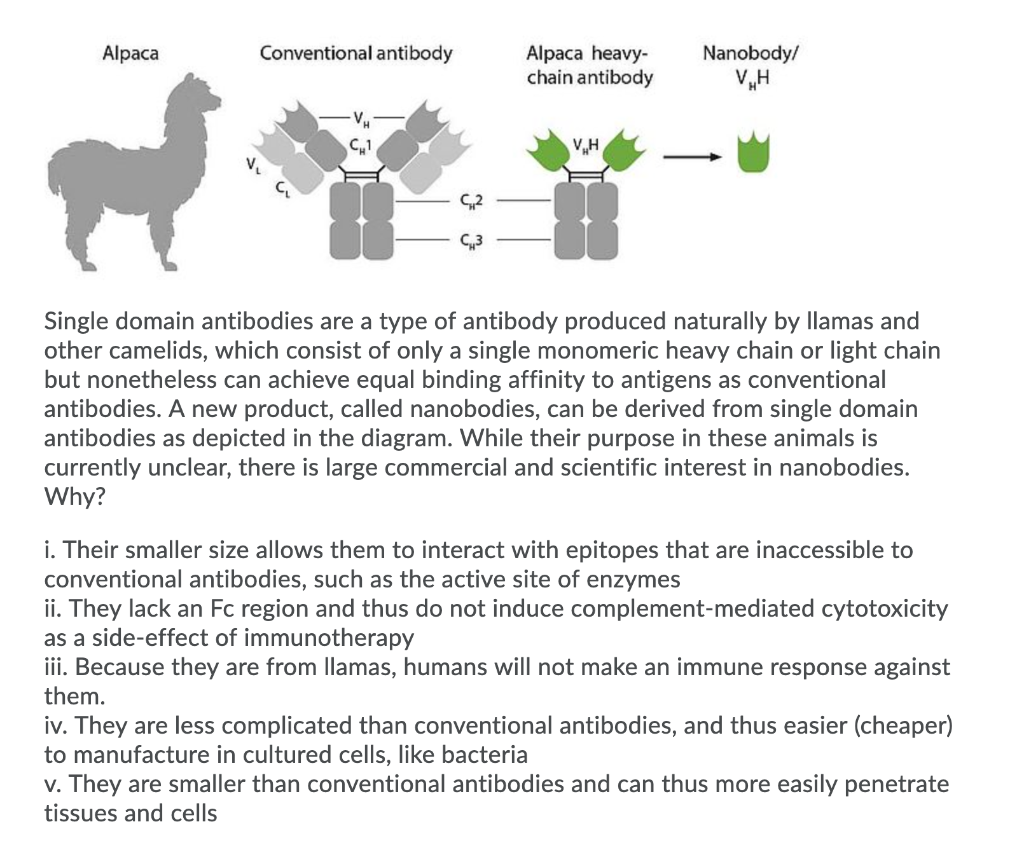
To appreciate the utility of alpaca antibodies, one must first understand the fundamental divergence in camelid immunology. While alpacas possess conventional antibodies (IgG1) similar to those found in humans, they also produce two unique subclasses: IgG2 and IgG3. These are collectively known as heavy-chain-only antibodies (HCAbs).
The Absence of the Light Chain
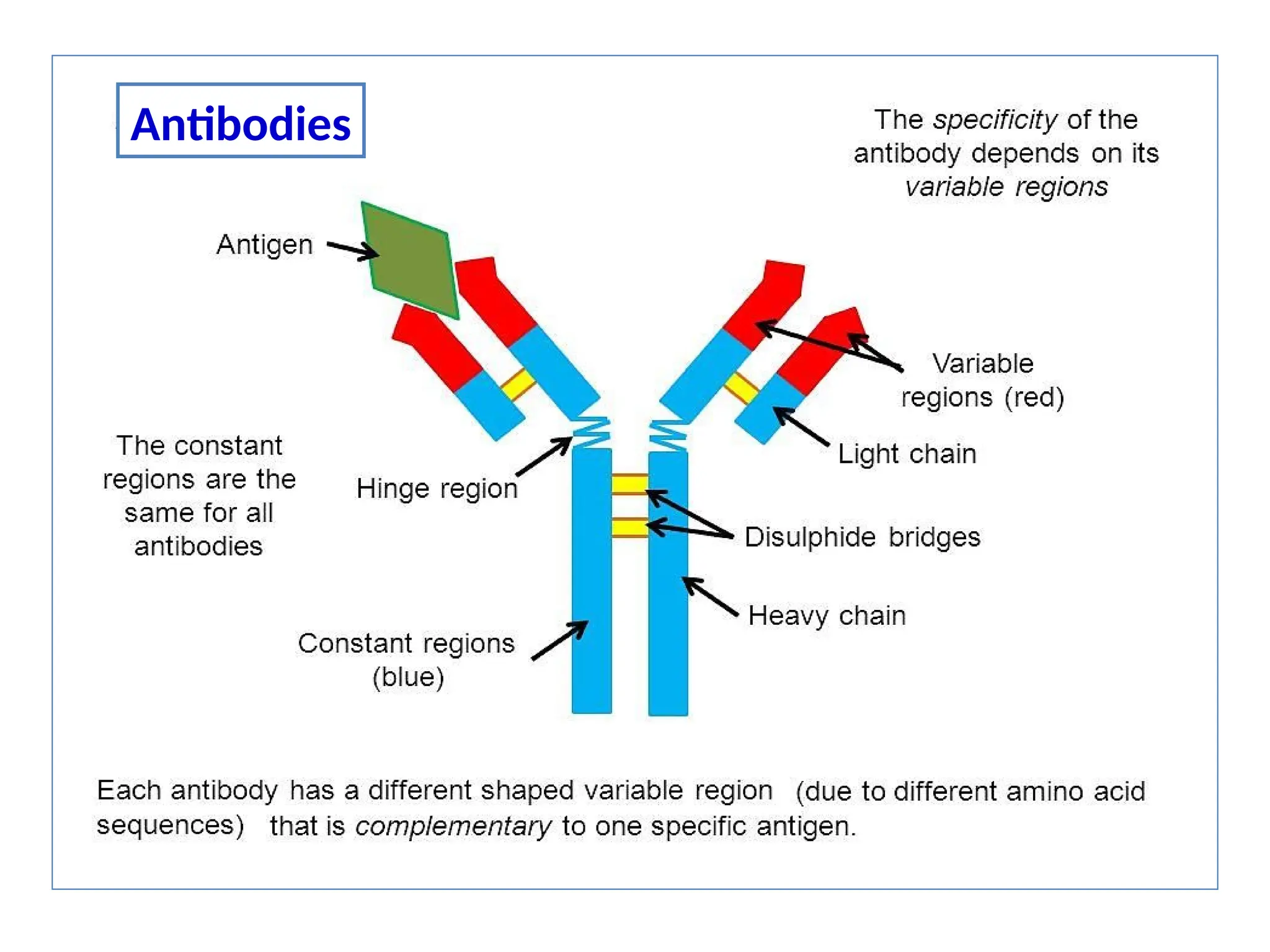
In a conventional human antibody, the antigen-binding site is formed by the interaction of a heavy chain and a light chain. In alpaca HCAbs, the light chain is entirely absent. The antigen-recognition capability is localized within a single variable domain on the heavy chain, referred to as the VHH domain. This structural simplification is not merely a biological curiosity; it results in a significantly smaller molecule. A traditional antibody is approximately 150 kDa, whereas a single VHH fragment is roughly 12–15 kDa—about one-tenth the size.
Evolutionary Advantages
The evolution of HCAbs in camelids is theorized to provide a broader immune repertoire. The VHH domain features elongated loops (specifically the CDR3 region) that can reach into cavities or "cryptic" epitopes on pathogens that are inaccessible to the bulkier, flatter binding sites of conventional antibodies. This allows alpacas to neutralize viruses and enzymes that might evade the human immune system.
Structural Characteristics and Biochemical Properties
The VHH fragment, often commercially referred to as a Nanobody, possesses biochemical traits that make it superior to conventional monoclonal antibodies (mAbs) in several industrial and clinical contexts.
Exceptional Thermostability and Solubility
One of the most significant hurdles in antibody engineering is protein aggregation and degradation. Alpaca-derived VHH fragments are remarkably robust. They can often be heated to high temperatures or exposed to extreme pH levels and still regain their full binding capacity upon returning to physiological conditions. This stability is largely due to the substitution of hydrophobic amino acids (typical in human VH domains) with hydrophilic ones in the VHH framework, which prevents the "sticky" interactions that lead to clumping.
Superior Tissue Penetration
The diminutive size of the VHH domain allows it to navigate through the body with ease. While traditional antibodies often struggle to penetrate dense tissues like solid tumors, alpaca antibodies can diffuse rapidly. This makes them ideal candidates for both therapeutic payloads and diagnostic "bioprobes" that need to reach deep into a tissue mass to provide an accurate signal.
Rapid Clearance and Half-Life Customization
Naturally, VHH fragments are cleared by the kidneys very quickly due to their small size. For diagnostic imaging, this is a benefit, as it reduces background noise and radiation exposure for the patient. However, for therapeutic use, the half-life can be extended by fusing the VHH to other proteins, such as albumin-binding domains or polyethylene glycol (PEG) chains, allowing for a "tunable" presence in the bloodstream.
Production Workflow: From Immunization to Recombinant Expression
The transition from an alpaca's immune response to a laboratory-grade reagent involves a sophisticated series of bioengineering steps. Unlike traditional monoclonal antibody production, which requires expensive mammalian cell cultures and hybridoma technology, VHH production is highly efficient.
1. Immunization and Blood Selection
The process begins with the immunization of an alpaca with the target antigen. Over several weeks, the animal's immune system matures. Once a sufficient titer is reached, a small volume of peripheral blood is collected. Crucially, this does not harm the animal; the process is similar to a blood donation.
2. Library Construction and Phage Display
The B-cells are isolated from the blood, and their RNA is extracted. Through reverse transcription, the VHH gene sequences are amplified. These sequences are then inserted into bacteriophages—viruses that infect bacteria—creating a "phage display library." This library can contain millions of different VHH variations.
3. Biopanning and Screening
In a process called biopanning, the library is exposed to the target antigen. Phages that do not bind are washed away, while those with a high affinity for the target are retained and amplified. This iterative process ensures that only the strongest, most specific binders are selected.
4. Recombinant Expression in Microbial Systems
Once the genetic sequence of the best-performing VHH is identified, it can be inserted into simple organisms like E. coli or yeast (Pichia pastoris). These microbes act as "factories," churning out large quantities of the alpaca antibody. This is significantly cheaper and faster than the mammalian cell lines required for human IgG antibodies.
Clinical and Research Applications in 2026
The versatility of alpaca-derived antibodies has led to their adoption across various sectors of medicine and biotechnology. By 2026, several VHH-based drugs have moved from experimental phases into standard clinical practice.
Oncology and Targeted Therapy
In cancer treatment, VHH fragments are used in three primary ways:
- Direct Blockade: Binding to receptors (like EGFR or HER2) to stop cancer cell signaling.
- Drug Conjugates: Carrying toxic chemotherapy drugs directly to the tumor, sparing healthy cells.
- CAR-T Cell Engineering: Using VHH domains as the "sensors" on the surface of engineered T-cells to identify and kill cancer cells. Their small size allows for the design of multi-specific CAR-T cells that target two or three different cancer markers simultaneously.
Diagnostic Molecular Imaging
Alpaca antibodies are the "gold standard" for PET and SPECT imaging. Because they clear the blood quickly but bind tightly to the target, they provide high-contrast images within hours of injection. For example, VHH-based tracers are now used to visualize the presence of specific inflammatory markers in the brain or to detect early-stage metastatic clusters in lymph nodes.
Treatment of Infectious Diseases
The ability of VHH loops to penetrate the glycan shields of viruses makes them potent anti-viral agents. During the respiratory virus seasons of the mid-2020s, VHH-based inhalers were developed to deliver antibodies directly to the lungs, neutralizing viruses like RSV and various coronavirus variants before they could cause systemic illness.
Research and Industrial Tools
Beyond the clinic, alpaca antibodies serve as essential reagents in basic science. They are used in high-resolution microscopy and as "nanotraps" to pull specific proteins out of complex mixtures for analysis. Their stability also makes them suitable for biosensors in environmental monitoring and food safety testing.
Technical Comparison: Alpaca VHH vs. Traditional Human IgG
The following table highlights the material differences between the two formats as they are utilized in pharmaceutical development as of 2026.
| Feature | Conventional IgG (Human/Mouse) | Alpaca VHH (Nanobody) |
|---|---|---|
| Molecular Weight | ~150 kDa | ~12–15 kDa |
| Structure | 2 Heavy, 2 Light Chains | 1 Variable Heavy Domain |
| Stability | Moderate; sensitive to heat/pH | High; resistant to heat/pH |
| Antigen Binding | Flat surfaces, large pockets | Small cavities, cryptic epitopes |
| Tissue Penetration | Low to Moderate | High |
| Production System | Mammalian cells (CHO) | Microbial (E. coli, Yeast) |
| Production Cost | High | Low to Moderate |
| Immunogenicity | Low (if humanized) | Low (very similar to human VH3) |
| Half-life (Natural) | Long (days to weeks) | Short (hours) |
Limitations and Practical Challenges
Despite their overwhelming benefits, alpaca antibodies are not a universal replacement for traditional antibodies. Engineers must navigate several technical hurdles.
Renal Clearance Issues
The same small size that allows for great penetration also means the kidneys filter these molecules out of the blood very rapidly. While this is great for imaging, it is a drawback for chronic diseases where a long-lasting drug is needed. As mentioned previously, this requires "half-life extension" technologies, which can increase the complexity and cost of the final drug product.
Humanization Requirements
Although alpaca VHH domains are structurally very similar to the human VH3 family of antibodies, they are still "foreign" proteins. To prevent the human immune system from attacking the alpaca antibody (an anti-drug antibody response), researchers must "humanize" the framework regions of the VHH. This involves swapping specific alpaca amino acids with their human counterparts while ensuring the binding affinity remains intact.
Complexity of Multi-valency
Often, a single VHH domain doesn't bind strongly enough to elicit a therapeutic effect. To solve this, scientists link multiple VHHs together (making them bi-valent or tri-valent). While effective, this increases the size of the molecule and can sometimes compromise the very stability and solubility that made the VHH attractive in the first place.
FAQ: Frequently Asked Questions about Alpaca Antibodies
Why are alpacas used instead of other camelids?
While llamas and camels also produce HCAbs, alpacas are often preferred in research settings due to their manageable size, docile temperament, and the high quality of their immune response. They are easier to house and handle in a laboratory or farm setting compared to larger camels.
Are alpaca antibodies safe for human use?
Yes, when properly humanized and purified. The first nanobody-based drug, Caplacizumab, was approved by the FDA and EMA years ago, proving the safety and efficacy of this platform. By 2026, many more have passed rigorous Phase III clinical trials.
How do alpaca antibodies bind to targets that regular antibodies miss?
The CDR3 loop of an alpaca VHH is significantly longer than that of a human antibody. This long, flexible finger of protein can reach into the active sites of enzymes or the "valleys" on a viral surface that are too narrow for a bulky human IgG to enter.
Can VHH fragments cross the blood-brain barrier (BBB)?
Naturally, their penetration is better than IgG, but they do not freely flood the brain. However, they can be engineered or "piggybacked" on transporters to cross the BBB more efficiently than almost any other class of antibody, offering hope for treating Alzheimer's and other neurological conditions.
What is the typical cost of developing an alpaca-derived antibody?
The initial immunization and discovery phase can cost between $10,000 and $50,000, depending on the complexity of the antigen. However, the long-term manufacturing costs are significantly lower than traditional mAbs because they can be produced in high-yield microbial fermenters.
Strategic Recommendation for Researchers and Developers
For organizations looking to integrate alpaca antibodies into their 2026 workflows, the following actions are recommended:
- Prioritize Target Selection: VHH fragments excel at targeting enzymes, ion channels, and GPCRs (G-protein coupled receptors). Use this platform for "difficult" targets where traditional mAbs have failed.
- Invest in Humanization Early: To ensure clinical success, utilize computational modeling to humanize the VHH framework as early as the lead-optimization phase.
- Evaluate Half-Life Needs: Determine if your application requires rapid clearance (imaging) or sustained presence (therapy) and select your fusion partners (e.g., Fc-fusion or albumin-binding) accordingly.
- Source Ethically: Ensure that alpaca immunization is conducted at facilities with high animal welfare standards and oversight, as this is increasingly a requirement for publication in high-impact journals and for regulatory approval.
The evolution of alpaca antibody technology represents a transition toward smaller, smarter, and more efficient biologics. As we continue through 2026, their role in solving the most complex challenges in human health continues to expand, driven by their unique structural elegance and biochemical versatility.