An allowed condition in a workers’ compensation claim is a specific injury or occupational disease that a governing authority—typically a state bureau or insurance carrier—has formally recognized as work-related and covered by insurance benefits. To secure these benefits, you must demonstrate that the condition arose out of and in the course of your employment, linking the medical diagnosis directly to your specific job duties or a workplace incident.
The Foundation of Workers’ Compensation Claims
Workers’ compensation functions as a "no-fault" insurance system designed to provide medical care and wage replacement to employees injured on the job. However, the system does not automatically cover every physical complaint. When you file a claim, the primary administrative task of the insurer or state agency is to determine whether the medical diagnosis provided by your physician is an "allowed condition."
An allowed condition is the legal bridge between your medical reality and your entitlement to benefits. Without this formal allowance, the insurance carrier is under no legal obligation to pay for surgeries, physical therapy, medications, or lost wages related to that diagnosis.
How Conditions Become "Allowed"
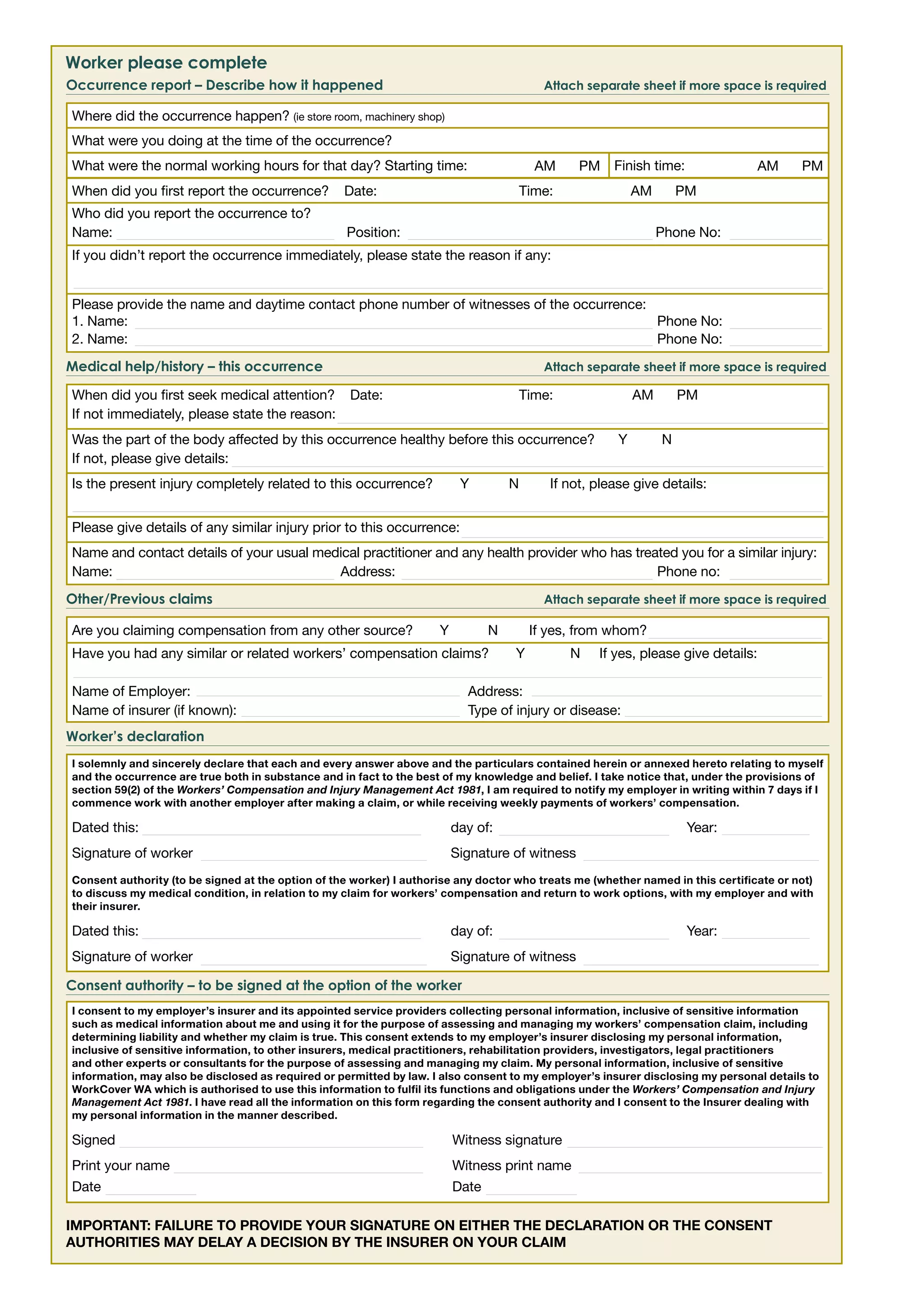
The process of getting a condition allowed generally follows a specific procedural path. It is rarely a passive experience; it requires active documentation and medical substantiation.
- Reporting the Incident: You must notify your employer of a work-related injury or the onset of an occupational disease within the timeframes mandated by your jurisdiction.
- Medical Evaluation: A healthcare provider must examine you and generate a medical report that diagnoses the specific injury or condition.
- Filing the Claim: The claim is submitted to the workers’ compensation board or the insurance carrier, which includes the medical evidence provided by your doctor.
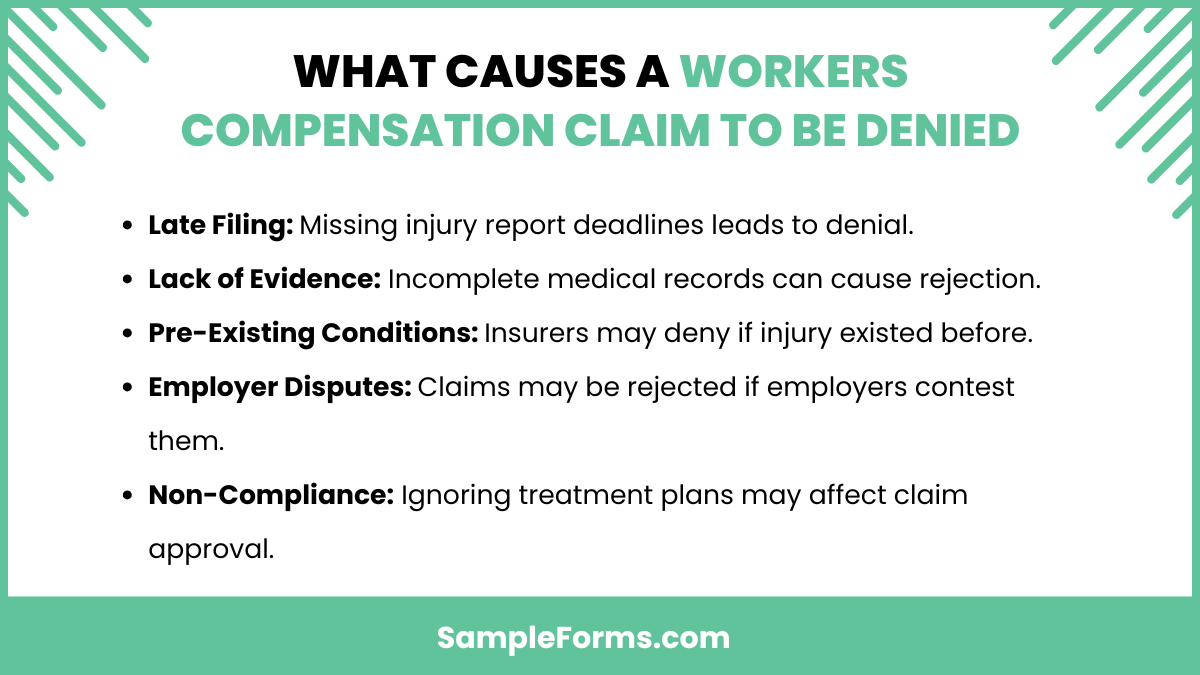
- Administrative Review: The insurance carrier reviews the evidence to ensure the condition is consistent with the described workplace accident. If the carrier believes the condition is pre-existing or non-work-related, they may deny the allowance.
- Formal Acceptance: If the evidence is sufficient, the carrier issues a "Notice of Allowance" or equivalent document identifying the specific ICD-10 medical codes covered under your claim.
The Role of Medical Documentation
Medical evidence is the single most important factor in having a condition allowed. Generalized complaints—such as "back pain" or "soreness"—are rarely accepted by insurance carriers because they lack specificity. To move a claim toward an allowed status, your physician should use precise anatomical and diagnostic terminology.
For example, if you injure your back, a claim for "back pain" is likely to be questioned or narrowed. A claim that specifies a "lumbar disc herniation at L4-L5 with radiculopathy" provides a specific, verifiable medical condition that is much easier for an insurance examiner to approve.
Your medical provider must document two specific elements:
- The Diagnosis: A clear, objective medical finding.
- The Causal Relationship: An expert opinion stating that, to a reasonable degree of medical certainty, the job-related incident caused or significantly contributed to the condition.
Navigating Denied or Disputed Conditions
It is common for insurance carriers to deny specific conditions even if the underlying claim for the accident itself is accepted. This is known as a partial denial or a dispute of the scope of the claim.
If you find yourself in this position, you have several avenues for recourse:
- Requesting Additional Evidence: Often, a denial occurs simply because the initial medical report was vague. Your doctor can provide an addendum or a more detailed narrative report clarifying the causal link.
- Independent Medical Examinations (IME): The insurance carrier may send you to an examiner of their choosing to provide a second opinion on the diagnosis. If their examiner disputes your doctor's findings, you may need to participate in a formal dispute process.
- Administrative Hearings: If the dispute cannot be resolved through documentation, you may seek a hearing before a state board or an administrative law judge. You will present medical evidence and testimony to prove that the disputed condition should be an allowed condition under your claim.
Common Types of Allowed Conditions
Allowed conditions generally fall into two categories: traumatic injuries and occupational diseases.
| Condition Type | Description | Examples |
|---|---|---|
| Traumatic Injury | A specific, identifiable event causing immediate damage. | Fractures, lacerations, sprains, ligament tears. |
| Occupational Disease | Conditions that develop over time due to specific work hazards. | Carpal tunnel syndrome, hearing loss, respiratory illness. |
| Aggravation | Pre-existing conditions that are worsened by work activities. | Worsening of degenerative disc disease due to lifting. |
| Secondary Conditions | Conditions that develop as a result of the primary injury. | Depression resulting from chronic pain or gait issues due to a knee injury. |
The Complexity of "Aggravation" Claims
One of the most complex areas of workers’ compensation involves the aggravation of pre-existing conditions. Many people have asymptomatic medical issues—such as minor arthritis or old sports injuries—that cause no daily trouble. If a workplace accident flares these up into a symptomatic state, they can be considered "allowed conditions."
However, insurers frequently try to characterize these as "natural progression" rather than "work-related aggravation." To successfully have an aggravation allowed, you must prove that the work event caused a permanent or temporary change in your physical condition that is beyond what would have occurred naturally. This requires a strong medical narrative that differentiates between the prior state and the current, post-injury state.
Managing Ongoing Claims and New Symptoms
As a claim progresses, you may develop new symptoms related to your original injury. A classic example is a worker who undergoes surgery for an allowed knee injury, only to develop lower back pain six months later due to walking with an abnormal gait (compensation).
In many jurisdictions, you can file a motion or a supplemental application to "amend" your claim to include these new, secondary conditions. This is a critical step because if these secondary conditions are not formally "allowed," the insurance carrier will eventually stop paying for the treatments associated with them. Never assume that because a condition is related to your injury, it is automatically covered. You must ensure it is officially added to your list of allowed conditions.
Essential Steps for Claimants
If you are currently managing a workers’ compensation claim, prioritize these actions to protect your rights:
- Maintain a Personal Log: Keep a detailed record of every medical appointment, conversation with your claims adjuster, and new symptom that arises.
- Review the "Allowed" List: Obtain a copy of your claim’s official document list from your state board or insurance carrier. Compare this against your medical records to ensure all your symptoms are accounted for.
- Coordinate with Your Doctor: Discuss the "allowed" list with your treating physician. If they believe a condition you are suffering from is missing from the list, ask them to write a formal request to the insurance carrier to include it.
- Do Not Ignore Denials: If the insurance company sends you a denial letter regarding a specific condition, check the deadlines for filing an appeal. Missing these deadlines can permanently forfeit your right to have that condition covered.
- Seek Professional Counsel: Workers’ compensation laws are highly jurisdictional and can be procedurally dense. If your claim involves significant medical costs or potential permanent disability, consulting with a workers’ compensation attorney may be necessary to navigate the nuances of claim scope and evidence requirements.
Frequently Asked Questions
What happens if I have a condition that is not "allowed"? If a condition is not allowed, the workers’ compensation insurance carrier will not pay for medical bills or disability benefits associated with that specific diagnosis. You would be responsible for those costs, or you would need to use your private health insurance, provided they agree to cover a work-related issue.
Can I add a condition to my claim years later? Yes, in many jurisdictions, you can file to amend your claim to include new conditions that are medically linked to the original, already-allowed injury. However, there are often statutes of limitations—time windows—within which you must file these amendments, so prompt action is essential once a new, related condition is identified.
Does "allowed condition" mean the same thing as "total disability"? No. An allowed condition is simply a medical diagnosis that the insurance accepts as work-related. A disability status refers to your capacity to return to work. You can have an allowed condition but still be cleared by a doctor to perform light-duty work.
What if the insurance carrier denies a condition I know is related to my work? You have the right to appeal that denial. This usually involves presenting evidence to an administrative authority. It is highly recommended that you consult with a legal professional who specializes in workers’ compensation to help you gather the necessary medical evidence and prepare your case.
Why does the insurance company keep asking for new medical reports? Insurance carriers are required to periodically verify that you still meet the criteria for an allowed condition. They may request updated medical reports to ensure the treatment remains "medically necessary and reasonable."
Final Recommendation
The integrity of your claim depends entirely on the precision of your medical documentation. Do not treat your medical appointments as routine check-ups; treat them as legal evidence-gathering sessions. Ensure your doctor is explicitly linking your current diagnosis to the workplace incident. Regularly review your claim status to ensure that every symptomatic area related to your injury is officially classified as an allowed condition. If you notice a gap between your physical reality and the insurer’s list of allowed conditions, consult with your medical provider immediately to secure the necessary documentation to amend your claim.