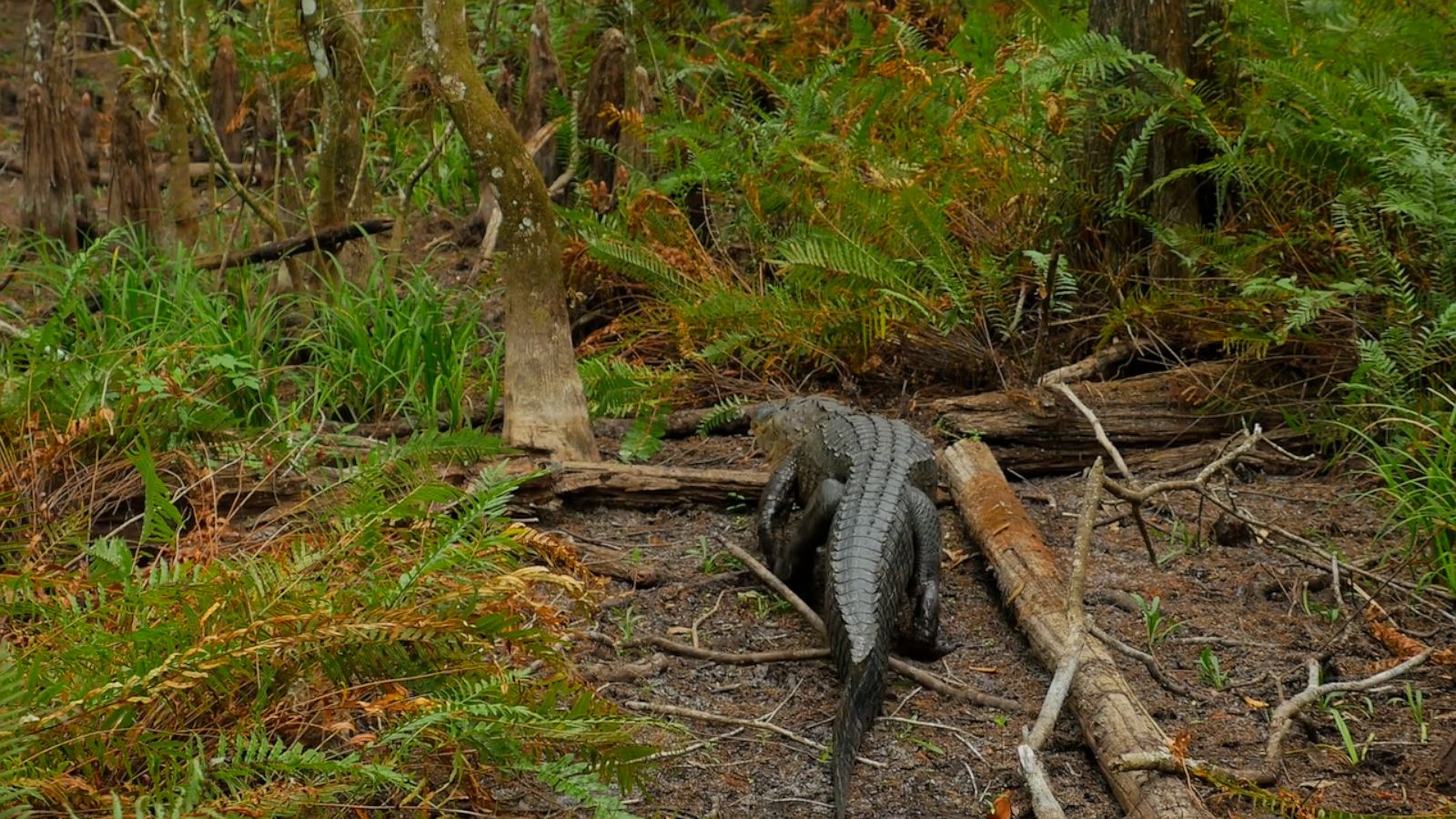
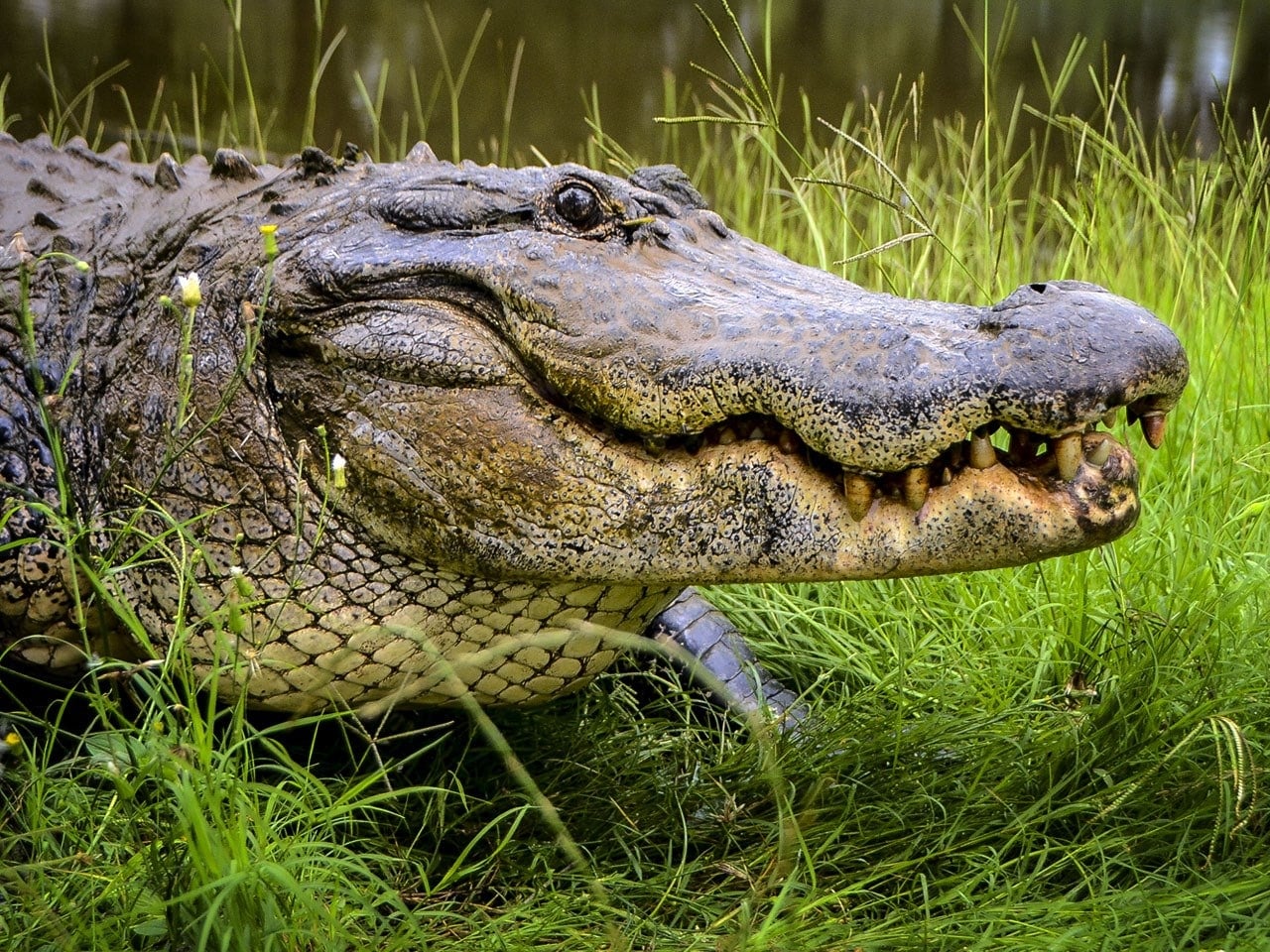
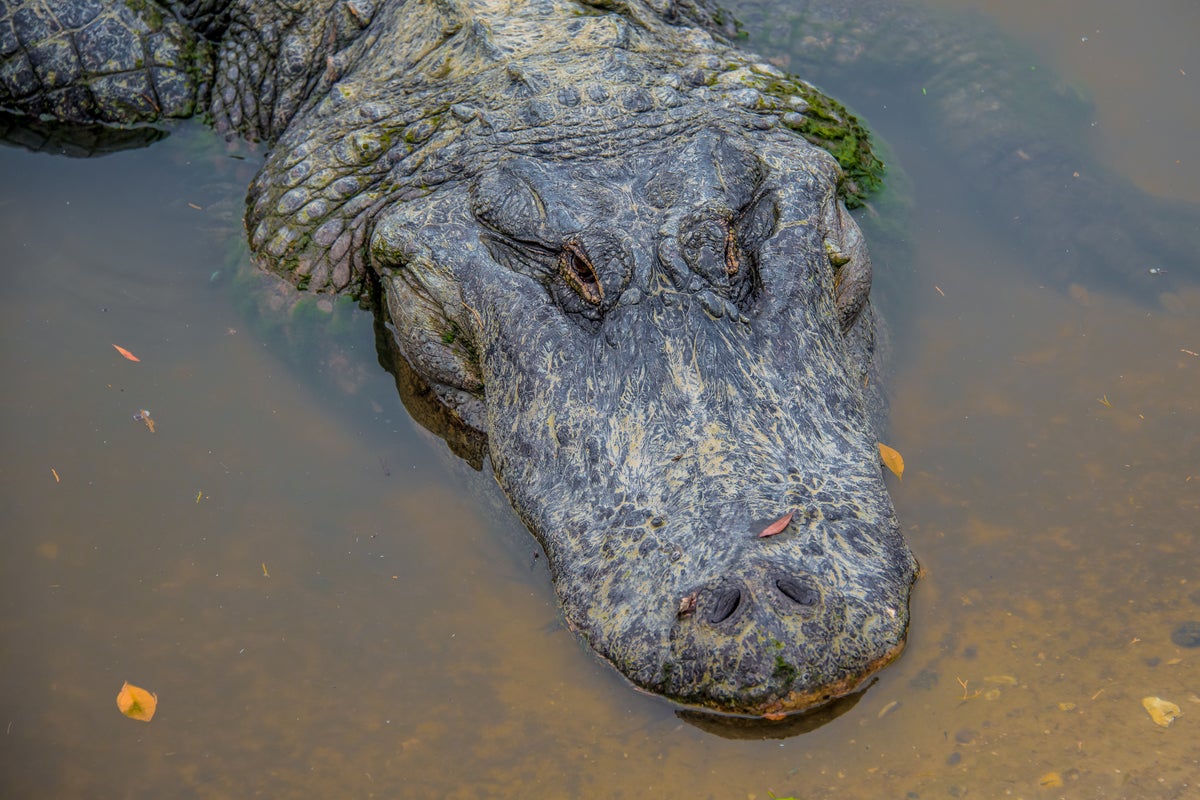
Alligator attacks in South Carolina are statistically rare but represent a serious safety concern in the state's coastal regions and inland wetlands. While the American alligator is a vital part of the Lowcountry ecosystem, increasing human encroachment into their habitats has led to more frequent interactions. Safety depends on maintaining a distance of at least 60 feet, never feeding the animals, and keeping pets away from the water's edge in known alligator territories.
As of 2026, South Carolina continues to experience rapid residential development in areas historically dominated by wetlands. This expansion, particularly in the coastal counties of Beaufort, Charleston, and Horry, has necessitated a deeper public understanding of how to coexist with the American alligator (Alligator mississippiensis). To navigate the risks effectively, one must understand the biology of these apex predators, the legal framework governing their management, and the specific behaviors that lead to dangerous encounters.
The State of Alligator Populations in South Carolina
South Carolina is home to an estimated population of over 100,000 alligators. These reptiles are primarily found in the coastal plain, which sits below the "Fall Line"—a geological boundary that runs roughly from North Augusta through Columbia to Cheraw. While they are most concentrated in the marshes and swamps of the Lowcountry, they are increasingly spotted in suburban retention ponds, golf course lagoons, and even brackish tidal creeks.
The American alligator was once an endangered species, but successful conservation efforts under the Endangered Species Act allowed the population to rebound significantly. By the late 20th century, they were removed from the endangered list, though they remain "threatened due to similarity of appearance" to other crocodilians to regulate the international trade of skins. In 2026, the management of these animals falls under the jurisdiction of the South Carolina Department of Natural Resources (SCDNR), which balances conservation with public safety.
Habitat Overlap and Conflict
The primary driver of alligator attacks in South Carolina is habitat fragmentation. As gated communities and resorts are built around existing lagoons and marshes, the "buffer zone" between human activity and wildlife shrinks. Alligators are highly territorial, and large males may travel significant distances over land to find new territory or mates, often ending up in backyard swimming pools or crossing busy highways.
Analyzing the Frequency and Nature of Attacks
Historically, South Carolina has seen fewer than 30 documented "unprovoked" attacks since record-keeping began in the mid-1970s. However, the frequency has seen a slight uptick in the last decade. It is important to distinguish between "provoked" and "unprovoked" incidents. A provoked attack involves a human intentionally touching, capturing, or harassing an alligator. An unprovoked attack occurs when an alligator strikes a human who was not interacting with it.
Notable Incident Patterns
Most serious attacks in South Carolina follow a specific pattern:
- Shoreline Proximity: The victim is often walking near the edge of a pond or lagoon, frequently with a small pet.
- Mistaken Identity: The alligator, lurking just below the surface, mistakes the movement of a person or pet for natural prey like a deer or raccoon.
- Low Light Conditions: Many incidents occur during dawn or dusk when alligators are most active and human visibility is reduced.
Fatalities, while extremely rare, usually involve the alligator dragging the victim into deep water. The primary cause of death in these instances is typically drowning rather than the initial bite force, although the American alligator possesses a bite force exceeding 2,000 pounds per square inch (psi).
The Biology of Risk: When Alligators Are Most Dangerous
Understanding the seasonal behavior of alligators is critical for anyone living in or visiting South Carolina. Their metabolism and aggression levels fluctuate based on the temperature and their reproductive cycle.
Spring Mating Season (April – June)
During the spring, alligators become significantly more mobile and aggressive. Large males leave their home territories to find mates, which is why sightings in unexpected places—like front porches or parking lots—spike during these months. Hormonal changes also make them more defensive.
Summer Nesting (June – August)
Female alligators are legendary for their maternal instincts, which is rare among reptiles. They build large mounds of vegetation to incubate their eggs and will vigorously defend the nest site. A human inadvertently stumbling upon a nest can trigger a defensive charge.
Winter Brumation (November – February)
In the winter, alligators undergo a period of dormancy known as brumation. Their metabolism slows down significantly, and they rarely feed. While they may still bask on banks to soak up the sun, they are generally much less of a threat during the colder months, provided they are not harassed.
Essential Safety Protocols for South Carolina Residents
The South Carolina Department of Natural Resources emphasizes that "a fed alligator is a dead alligator." This phrase refers to the fact that when alligators are fed by humans, they lose their natural fear of people and begin to associate humans with food. Once an alligator becomes habituated in this way, it is classified as a "nuisance alligator" and must be euthanized.
Guidelines for Shoreline Safety
- Maintain Distance: Always stay at least 60 feet (about the length of two school buses) away from any alligator. If the alligator begins to hiss or move toward you, you are too close.
- Keep Pets Leashed: This is perhaps the most important rule in South Carolina. Small dogs are the size of an alligator’s natural prey. Many human attacks occur when an owner tries to intervene during an attack on their pet.
- Avoid Fishing in Crowded Lagoons: Alligators quickly learn that a splashing fish on a line is an easy meal. If an alligator starts moving toward your fishing spot, it is time to relocate.
- No Swimming in Unmarked Waters: Only swim in designated areas or pools. Alligators are masters of camouflage and can remain hidden in just a few inches of murky water.
What to Do During an Encounter
If you find yourself in a confrontation with an alligator, your actions in the first few seconds are vital.
- If Charged on Land: Run fast and in a straight line. The common myth about running in a zigzag pattern is inefficient; alligators are capable of short bursts of speed (up to 11-15 mph) but cannot sustain a long-distance chase. Getting distance quickly is your best defense.
- If Attacked in Water: If an alligator bites and tries to pull you under, you must fight back. Strike the sensitive snout, or better yet, gouge the eyes. These are the most vulnerable parts of the animal.
- The "Gag Reflex" Strategy: If an arm or leg is caught in the jaws, some experts suggest trying to jam an object (or your hand, if necessary) down the alligator's throat. They have a flap of skin called a palatal valve that prevents water from entering their lungs; forcing this open may cause the animal to release its grip to prevent drowning.
Managing "Nuisance" Alligators: The Legal Process
In South Carolina, it is illegal to kill, harass, or move an alligator. This is a strictly regulated process managed by the South Carolina Department of Natural Resources.
| Aspect | Regulation/Policy |
|---|---|
| Feeding Alligators | Illegal under State Law (Title 50); punishable by fines and potential jail time. |
| Relocation Policy | SCDNR does not relocate "nuisance" alligators. Once removed, they are euthanized. |
| Nuisance Criteria | An alligator over 4 feet long that has lost its fear of humans or is in a dangerous location. |
| Removal Process | Property owners must contact a contracted nuisance alligator trapper via SCDNR. |
| Hunting Season | A highly regulated public harvest occurs annually in autumn to manage population levels. |
When a nuisance alligator is reported, a permit is issued to a certified trapper. It is important for the public to understand that relocation is not a viable option because alligators have a strong homing instinct and will often travel dozens of miles to return to their original territory, potentially causing more issues along the way.
Why Development Increases Attack Risk
The geography of South Carolina is changing. Areas like Jasper and Beaufort counties have seen some of the highest growth rates in the country. When a new housing development is built, the drainage systems often involve the creation of man-made lagoons. To an alligator, these lagoons are perfect habitats.
The problem arises when residents treat these lagoons like backyard parks. Activities like walking a dog near the water's edge or allowing children to play at the bank create a high-risk environment. Furthermore, "transient" residents or tourists who are unfamiliar with alligator behavior are more likely to make the mistake of feeding them or taking "selfies" at a dangerous distance.
The Role of Community Management
Homeowners' Associations (HOAs) in the Lowcountry play a crucial role in prevention. In 2026, many HOAs have implemented strict fines for feeding wildlife and have installed educational signage around all bodies of water. Some communities have also started using "alligator-resistant" fencing around lagoons that border residential backyards to prevent the reptiles from sunning themselves on private lawns.
Frequently Asked Questions
Are alligators found in all parts of South Carolina?
While they are most common in the Coastal Plain (the lower half of the state), alligators have been documented as far inland as the Upstate, though this is rare. They require permanent water sources and generally prefer the warmer climates of the coast. They are virtually nonexistent in the mountainous regions of Oconee or Pickens counties.
Is it safe to swim in South Carolina's lakes?
It depends on the lake. Large bodies of water like Lake Marion and Lake Moultrie (the Santee Cooper lakes) have significant alligator populations. Swimming is generally safe in designated beach areas that are monitored, but swimming in remote, vegetated coves is discouraged. Always check for local signage and stay away from heavy vegetation.
What is the penalty for feeding an alligator in SC?
Feeding an alligator is a misdemeanor in South Carolina. As of 2026, fines can exceed $200 and may include up to 30 days in jail. More importantly, feeding an alligator almost certainly results in the animal's death, as it will eventually have to be removed and euthanized by authorities.
How fast can an alligator move?
On land, an American alligator can lunge or run in short bursts at speeds of 11 to 15 miles per hour. While they are not built for long-distance running, their initial burst is faster than most humans can react to if they are standing too close to the water. In the water, they are incredibly agile and can swim at speeds nearing 20 miles per hour.
What should I do if I see an alligator on a golf course?
Most golf courses in the South Carolina Lowcountry have resident alligators. The standard protocol is to leave them alone. If the alligator is on the path or in a bunker and won't move, contact the clubhouse. Do not attempt to "shoo" the animal or throw objects at it to make it move.
Final Recommendations for Residents and Visitors
Living safely alongside alligators in South Carolina requires a blend of respect, distance, and education. The most effective way to prevent an attack is to assume that any body of water in the Coastal Plain contains an alligator, regardless of whether you see one.
If you are a property owner, ensure your yard is not attractive to alligators by removing overgrown vegetation at the water's edge, which can serve as cover. If you are a visitor, adhere strictly to local warnings and never prioritize a photograph over your physical safety. If you encounter an alligator that appears to be aggressive or is in a location that poses an immediate threat to public safety, contact the South Carolina Department of Natural Resources at 1-800-922-5431.