Alex Guarnaschelli’s journey through the Iron Chef franchise represents the transition of culinary television from a niche spectacle into a platform for technical mastery and personal narrative. As a world-class chef who earned the title of Iron Chef in 2012, she bridged the gap between the original "Iron Chef America" era and the modern, high-stakes streaming revivals seen by 2026.
The Foundations of a Culinary Titan
To understand Alex Guarnaschelli’s impact on the Iron Chef legacy, one must first look at the pedigree she brought to the Kitchen Stadium. Guarnaschelli was not a personality created for television; she was a hardened professional long before she stepped in front of a camera. The daughter of the legendary cookbook editor Maria Guarnaschelli, Alex was raised in a household where food was a rigorous intellectual pursuit.
Her formal training began under the tutelage of Guy Savoy in Paris, a period characterized by intense discipline and the mastery of classical French techniques. This background provided the "technical armor" necessary for the Iron Chef format. When the American iteration of the Japanese hit series premiered on Food Network, it sought chefs who possessed both a commanding presence and the ability to cook under extreme pressure. Guarnaschelli, who had already established herself as the Executive Chef of Butter Restaurant in New York City, fit the mold of the elite culinary athlete the show required.
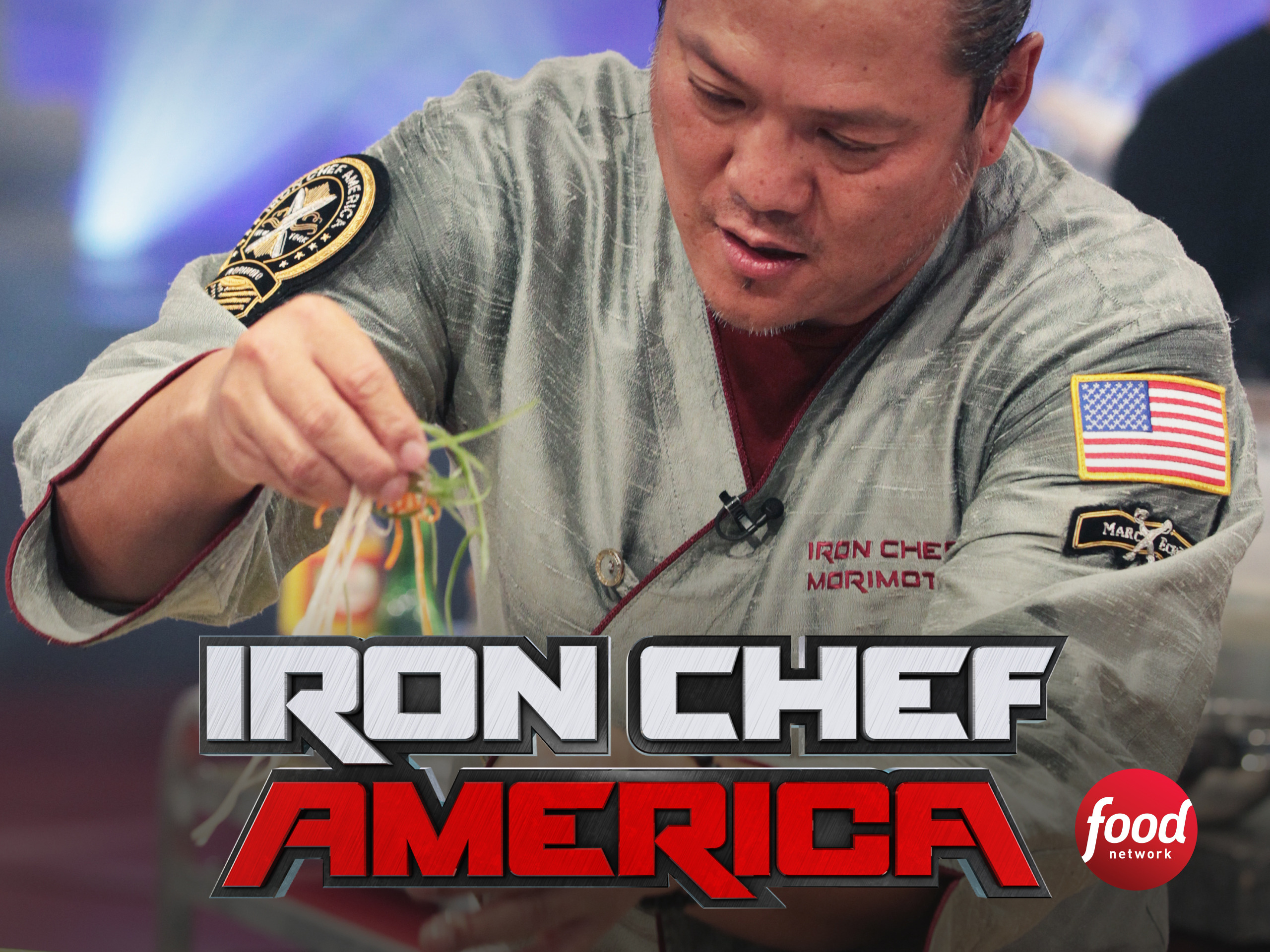
In the early years of the 21st century, the Iron Chef franchise was defined by icons like Bobby Flay, Mario Batali, and Masaharu Morimoto. These figures emphasized a "larger-than-life" persona. Guarnaschelli’s entry into this world signaled a shift toward a more nuanced, pedagogical approach, where the chef served as both a competitor and an educator on the nuances of flavor balance and ingredient integrity.
The Next Iron Chef: From Defeat to Redemption
Guarnaschelli’s path to the title was not a linear success. Her first attempt on The Next Iron Chef: Super Chefs (Season 4) ended in a fourth-place elimination. This moment was pivotal for the evolution of the franchise. For the first time, viewers saw the immense emotional and professional toll the competition took on established chefs. Guarnaschelli’s vulnerability after her loss humanized the "Iron Chef" title, transforming it from a static designation into a hard-won prize.
Her return in The Next Iron Chef: Redemption (Season 5) is widely regarded by culinary historians as one of the most compelling arcs in food television. In 2012, she defeated Chef Amanda Freitag in a final battle centered on the theme of "Passion." This victory made her the second female Iron Chef in the American franchise’s history, following Cat Cora.
The "Redemption" season changed how Iron Chef was produced. It moved away from the purely theatrical "Chairman" segments and began focusing on the psychological resilience of the competitors. Guarnaschelli’s win wasn't just about the food; it was about the narrative of a professional overcoming self-doubt and technical hurdles. This storytelling model became the blueprint for later iterations of the show, including the "Gauntlet" and "Quest" formats.
Analyzing the Evolution of the Iron Chef Format
The Iron Chef franchise has undergone significant structural changes since its inception in Japan in the 1990s. Guarnaschelli has been a constant through three distinct eras of this evolution.
The Classic Era: Iron Chef Japan and Early America
The original Japanese series, hosted by "Chairman" Takeshi Kaga, was a flamboyant, almost operatic display of culinary prowess. When it moved to the United States as Iron Chef America, it retained the theatricality but focused more on the "celebrity chef" culture of the mid-2000s. During this time, the Iron Chef was an untouchable figure, rarely losing to challengers.
The Competition Era: The Next Iron Chef
As reality television became the dominant medium, the franchise evolved into a tournament style. Guarnaschelli thrived here because the format rewarded consistent excellence across multiple "Secret Ingredients." This era shifted the power dynamic; the title of "Iron Chef" was no longer a lifetime appointment by a fictional Chairman, but a certification earned through a gauntlet of peers.
The Modern Era: Iron Chef: Quest for an Iron Legend
By the time the franchise moved to Netflix with Iron Chef: Quest for an Iron Legend, the production values had increased, and the focus shifted toward "culinary legends." Guarnaschelli transitioned into a role that combined competing, judging, and mentoring. As of 2026, this era is characterized by its global reach, featuring ingredients and techniques from a much wider array of cultural backgrounds than the original French-Japanese focus of the 90s.
The Guarnaschelli Technique: Balancing Acid and Salt
What separates Alex Guarnaschelli from other competitors is her specific technical philosophy, which she frequently articulated during her battles. While many chefs focused on molecular gastronomy or avant-garde plating during the 2010s, Guarnaschelli remained a staunch defender of classicism, albeit with a modern American twist.
Her reliance on high-quality vinegars, citrus, and precise seasoning became her hallmark. In Iron Chef battles, where judges often suffer from "palate fatigue" after tasting dozens of dishes, Guarnaschelli’s ability to use acidity to "wake up" a dish was a strategic advantage. This technical focus influenced a generation of younger chefs who watched her on Iron Chef and later on Chopped, where she served as a recurring judge.
She often speaks about the "honesty of the ingredient," a concept that requires the chef to do as little as possible to a perfect product while still demonstrating transformative skill. This philosophy was essential in her victory in the "Redemption" finale, where her use of simple, bold flavors outshone more complex but less cohesive offerings.
Comparing Iron Chef Eras and Guarnaschelli’s Role
The following table outlines the structural shifts in the franchise and how Guarnaschelli’s involvement evolved alongside them.
| Era | Primary Format | Guarnaschelli’s Role | Key Characteristics |
|---|---|---|---|
| Classic ICA (2004–2010) | Standalone Battles | Challenger | High theatricality; emphasis on the "Chairman." |
| Tournament Era (2011–2014) | The Next Iron Chef | Competitor / Winner | Focus on elimination rounds and personal grit. |
| Expansion Era (2015–2021) | Gauntlet / Spin-offs | Iron Chef / Mentor | Highly technical; focus on defending the title. |
| The Streaming Era (2022–2026) | Quest for an Iron Legend | Legend / Judge | Cinematic production; global culinary themes. |
The Cultural Impact of the Female Iron Chef
For much of the franchise's history, the Kitchen Stadium was a male-dominated space. When Cat Cora was introduced as the first female Iron Chef, she paved the way, but it was Guarnaschelli’s prolonged presence and vocal technical expertise that normalized the idea of a woman as the ultimate authority in the kitchen.
Guarnaschelli’s influence extends beyond the cooking itself; she became a voice for professional standards. Her critiques as a judge are rarely about personal taste and almost always about the "why" of a culinary failure—why a sauce broke, why a protein was under-rested, or why a secret ingredient was underutilized. This objective, technical approach helped dismantle the gendered tropes often found in early 2000s food media, where female chefs were often pigeonholed into "home cooking" or "comfort food" categories.
From Iron Chef to Alex vs. America
The evolution of the Iron Chef brand eventually led to the creation of solo vehicles for its stars. By 2026, Alex vs. America has become a staple of the culinary competition landscape. This show is essentially the spiritual successor to the Iron Chef format, distilled into a more focused, high-intensity competition.
In Alex vs. America, Guarnaschelli faces specialists in specific cuisines (such as BBQ, Italian, or pastry). This format flips the Iron Chef script: instead of a generalist master defending their stadium, Guarnaschelli must enter the specialized world of her challengers. This represents the ultimate evolution of the Iron Chef persona—the move from an "unbeatable legend" in a fixed environment to a versatile practitioner willing to risk her reputation in any arena.
Common Challenges in the Iron Chef Evolution
The transition of the franchise hasn't been without its hurdles. Fans of the original Japanese series often critiqued the American versions for being "too produced" or lacking the "soul" of the original. Guarnaschelli addressed this by maintaining a high level of transparency about the difficulty of the competition.
- The Secret Ingredient Limitation: In the early days, ingredients were often literal and simple. In the modern era, they have become conceptual (e.g., "The Tailgate" or "The Midnight Snack"), requiring a higher level of creativity.
- Time Constraints: The 60-minute clock remains the greatest "enemy" in Kitchen Stadium. Guarnaschelli has often noted that the evolution of kitchen technology (immersion circulators, anti-griddles) has changed the game, but the fundamental need for speed and organization remains constant.
- Judging Subjectivity: As the franchise evolved, the judging panel shifted from celebrities to culinary experts. This changed how Guarnaschelli approached her menus, moving toward "chef-forward" flavors rather than "crowd-pleasing" plates.
Frequently Asked Questions
Did Alex Guarnaschelli win her first Iron Chef competition?
No, she did not. Her first appearance as a competitor was in The Next Iron Chef: Super Chefs in 2011, where she was eliminated in the penultimate round. She returned the following year for The Next Iron Chef: Redemption, which she won, officially earning her title.
How many female Iron Chefs have there been?
As of 2026, several women have held the title or the "Legend" status within the American franchise, most notably Cat Cora, Alex Guarnaschelli, and Stephanie Izard. The expansion of the franchise onto streaming platforms has seen more international female chefs join the ranks.
What is Alex Guarnaschelli’s "Secret Ingredient" specialty?
While Iron Chefs must be generalists, Guarnaschelli is widely recognized for her mastery of late-summer produce and seafood. Her ability to execute complex French sauces (like a classic Béarnaise or a Beurre Blanc) under the 60-minute time limit became one of her most formidable assets in Kitchen Stadium.
How has the "Chairman" role changed over the years?
The role of the Chairman, played by Mark Dacascos in the U.S. version, evolved from a purely theatrical figurehead to a more integrated part of the show's lore. While the early years focused on his martial arts-inspired "Secret Ingredient" reveals, the modern era uses the Chairman to bridge the gap between the show’s legendary history and its contemporary competitive format.
Is Iron Chef still being produced in 2026?
Yes, the franchise continues to thrive, primarily through high-budget limited series on streaming platforms and specialized spin-offs that highlight specific aspects of the competition, such as Iron Chef: Quest for an Iron Legend.
Practical Recommendation for Aspiring Chefs
For those looking to emulate the career trajectory or technical skill of an Iron Chef like Alex Guarnaschelli, the best course of action is to master the fundamentals before moving to "fusion" or "experimental" cooking. Guarnaschelli herself recommends a deep study of the "Mother Sauces" and an obsession with proper knife work. Watching her early battles in The Next Iron Chef: Redemption provides a masterclass in how to stay calm under pressure and how to pivot a menu when an initial idea fails.
Aspiring competitors should also study her cookbooks, such as Old-School Comfort Food, which deconstructs the complex professional techniques she used in Kitchen Stadium for the home cook. The evolution of the Iron Chef from a distant icon to an accessible mentor is perhaps the greatest legacy of Guarnaschelli’s tenure in the franchise.