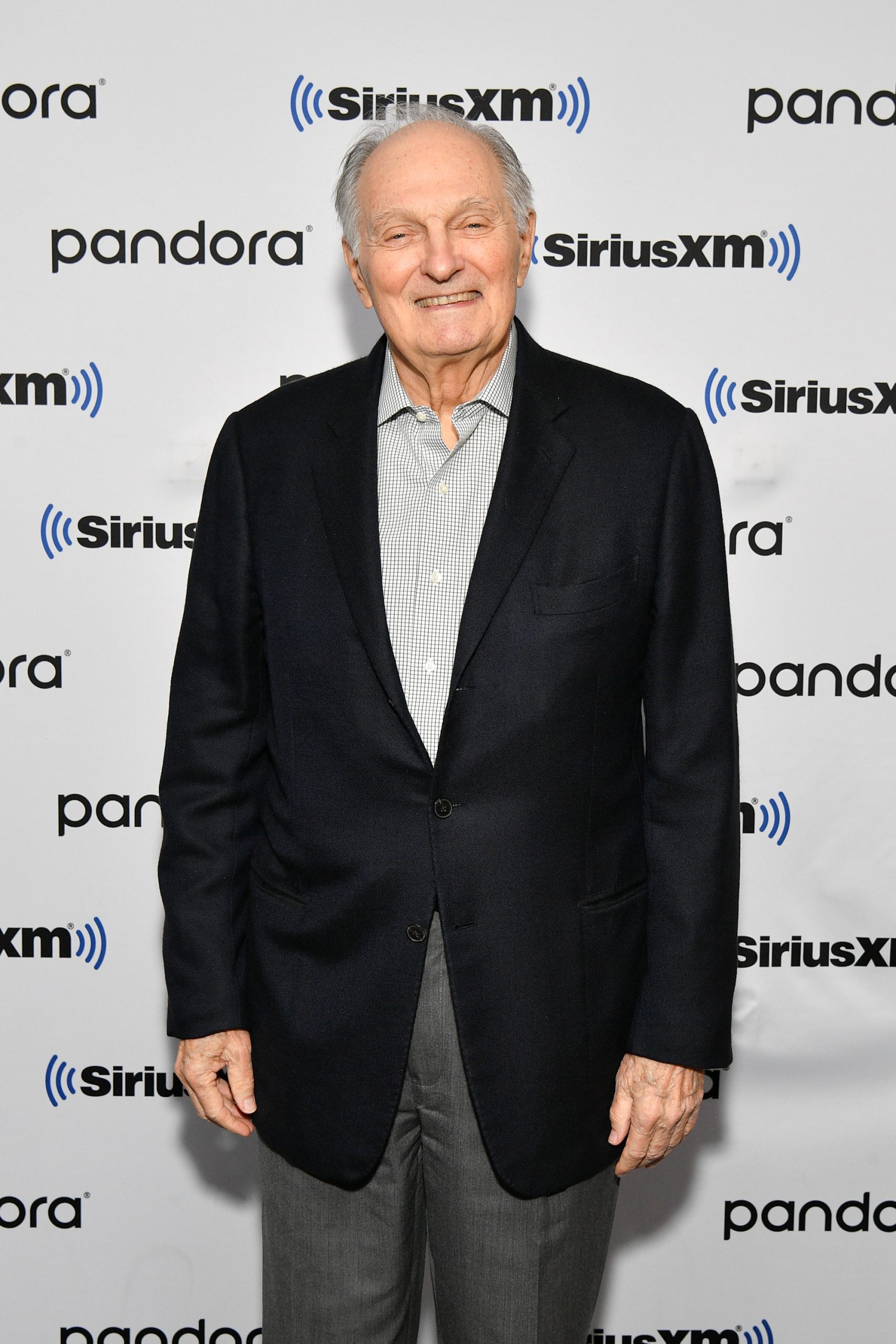
As of 2026, legendary actor, author, and science advocate Alan Alda is 90 years old. Despite being diagnosed with Parkinson’s disease over a decade ago, Alda remains remarkably active, continuing his work in science communication and hosting his popular podcast. His journey serves as a high-profile blueprint for aging with resilience and managing a chronic neurological condition through physical activity and a positive mental outlook.
The Intersection of Age and Vitality: Alan Alda at 90
Alan Alda, born Alphonso Joseph D'Abruzzo on January 28, 1936, has entered his tenth decade with the same intellectual curiosity that defined his multi-decade career in film and television. While many associate him primarily with his 11-season run as Captain Benjamin Franklin "Hawkeye" Pierce on MASH*, Alda has spent the latter third of his life reinventing himself as a bridge between the scientific community and the general public.
In 2026, the discussion surrounding Alan Alda’s age is inseparable from his health. For a man of 90, his schedule remains more rigorous than that of many people decades younger. This vitality is not a matter of luck but the result of a deliberate, disciplined approach to "active aging." Alda has frequently spoken about the importance of staying engaged with the world, suggesting that curiosity is a powerful antidote to the traditional decline associated with late-stage aging.
The narrative of Alda’s life in his 90th year is one of adaptation. He has transitioned from the high-pressure environments of television and film sets to the focused, communicative medium of podcasting and university-level advocacy. This shift has allowed him to manage the physical demands of his health while continuing to contribute meaningfully to public discourse.
Understanding Alan Alda’s Health: The Parkinson’s Diagnosis
The most significant factor in Alan Alda’s health profile is his diagnosis of Parkinson’s disease. Alda first revealed his condition to the public in July 2018, during an appearance on CBS This Morning. However, the diagnosis itself occurred several years earlier, in 2015.
Alda’s decision to go public was prompted by his realization that the physical symptoms of the disease—specifically a twitch in his thumb—were becoming visible during television interviews. Rather than allowing the media to speculate or create a "sad" narrative, Alda chose to seize the initiative, presenting his diagnosis as a manageable reality rather than a terminal sentence.
Early Warning Signs: REM Sleep Behavior Disorder
Alda has been vocal about the specific way he discovered his condition. Long before he experienced the motor symptoms commonly associated with Parkinson’s (such as tremors or rigidity), he experienced REM Sleep Behavior Disorder (RBD). This condition involves physically acting out dreams, often violently.
In one well-documented anecdote, Alda described a dream in which he was defending himself against an attacker, only to wake up and realize he had actually thrown a pillow at his wife, Arlene. Recognizing this as a potential early indicator of neurological issues—based on an article he had read—Alda requested a DaTscan from his neurologist. Despite having no other symptoms at the time, the scan confirmed the loss of dopamine-producing neurons, the hallmark of Parkinson’s.
Managing a Progressive Condition
As a progressive neurological disorder, Parkinson’s disease affects the nervous system and the parts of the body controlled by the nerves. Symptoms start slowly; as of 2026, Alda has lived with the confirmed diagnosis for eleven years. His management strategy focuses on three pillars:
- Rigorous Exercise: Alda has famously engaged in "Parkinson’s boxing," tennis, and marching to music. Exercise is one of the few interventions proven to slow the progression of motor symptoms.
- Cognitive Engagement: By continuing to host his podcast, Clear+Vivid, Alda keeps his brain "plastic," challenging himself with complex conversations and new information.
- Pharmacological Management: Like most Parkinson’s patients, Alda utilizes standard treatments (often involving Levadopa/Carbidopa) to manage dopamine levels.
The Alan Alda Center for Communicating Science
Alda’s health journey is deeply intertwined with his passion for science. Following his time hosting Scientific American Frontiers on PBS, he became obsessed with the idea that scientists often struggle to communicate their work to the public in a way that is both accurate and engaging.
This led to the founding of the Alan Alda Center for Communicating Science at Stony Brook University. The Center uses improvisational theater techniques—the "Alda Method"—to help researchers, physicians, and engineers connect more authentically with their audiences.
In 2026, the Center continues to be a cornerstone of Alda’s legacy. He views communication not just as a professional skill but as a health necessity. For patients navigating complex diagnoses like Parkinson’s, the ability for doctors to communicate clearly is paramount. Alda’s advocacy work has increasingly focused on the "human side" of medicine, emphasizing empathy and clarity in the doctor-patient relationship.
Timeline of Career and Health Milestones
The following table outlines the key events that have shaped Alan Alda’s path, specifically focusing on the intersection of his professional achievements and his health advocacy.
| Year | Milestone / Event | Significance |
|---|---|---|
| 1936 | Born in New York City | The start of a nine-decade journey. |
| 1972 | Premiere of MASH* | Propelled Alda to international stardom. |
| 1993 | Scientific American Frontiers | Shifted his focus toward science and medicine. |
| 2003 | Near-Death Experience (Chile) | Suffered a life-threatening intestinal blockage; sparked a deeper interest in medical science. |
| 2009 | Founded the Alda Center | Formalized his commitment to science communication at Stony Brook University. |
| 2015 | Parkinson's Diagnosis | Initial private diagnosis following an elective DaTscan. |
| 2018 | Public Announcement | Revealed his Parkinson’s diagnosis to combat stigma and encourage early testing. |
| 2018 | Launch of Clear+Vivid | A podcast focused on the art of communication and connection. |
| 2026 | 90th Birthday | Reaches a major age milestone while remaining an active public figure. |
The Philosophy of "The Alda Factor"
What makes Alan Alda’s approach to aging and health distinct is his rejection of the "victim" narrative. In the world of geriatric health, Alda is often cited as an example of successful aging through psychological resilience.
He frequently uses humor to deflect the perceived tragedy of his condition. When asked about his tremors or the "Parkinson’s mask" (a flattening of facial expressions), he speaks about them as technical challenges rather than personal failings. This perspective is crucial for the millions of older adults facing similar diagnoses. By maintaining a public presence at age 90, Alda demonstrates that a chronic illness does not require a withdrawal from society.
The Role of Family and Support
Alda’s health journey has been supported by his long-standing marriage to Arlene Alda. Married since 1957, the couple has one of the most enduring relationships in Hollywood. Health experts often point to strong social bonds as a primary factor in longevity and neurological health. Arlene’s role as a partner and collaborator has been instrumental in Alda’s ability to manage his health while continuing his demanding work schedule.
Addressing Common Questions Regarding Alan Alda’s Health
Is Alan Alda still acting?
While Alda has stepped back from the grueling schedules of television series and feature films, he has not officially retired. In recent years, his focus has shifted toward voice work and podcasting, which are less physically demanding. However, his appearances in projects like The Good Fight and Marriage Story in the late 2010s and early 2020s showed that he is still capable of delivering nuanced performances despite his Parkinson’s symptoms.
How has Parkinson's affected his speech?
One of the hallmarks of Parkinson's is the potential for "hypophonia," or a softening of the voice. Alda, a trained actor, has used his vocal expertise to maintain clarity. Listeners of his podcast Clear+Vivid may notice slight changes in cadence or occasional tremors in his voice, but his ability to articulate complex ideas remains sharp. He views the podcast as a form of vocal therapy, keeping the muscles involved in speech active and engaged.
What is his daily routine for managing health?
Alda’s routine is built on movement. He is known to engage in various forms of exercise at least five days a week. This includes boxing (which improves hand-eye coordination and speed), tennis (for agility), and walking. He also emphasizes "cognitive exercise," which involves reading scientific journals and preparing for his podcast guests, ensuring his mind remains as active as his body.
What advice does Alan Alda give to others with Parkinson's?
His primary advice is often twofold: Get moving and don't despair. Alda advocates for early diagnosis, suggesting that knowing what you are fighting allows you to take proactive steps to slow the progression. He also encourages patients to find something they love to do—whether it’s a hobby, a job, or a cause—that keeps them looking forward rather than backward.
Medical Disclaimer and Context
The information regarding Alan Alda’s health is based on his public disclosures and the general medical understanding of Parkinson’s disease as of 2026. Parkinson’s is a highly individualistic disease; the progression and symptoms vary significantly from person to person. Readers facing similar health challenges should consult with a board-certified neurologist or a movement disorder specialist. Medical treatments and exercise protocols should always be tailored to the individual's specific stage of the disease and overall physical condition.
Looking Forward: The Legacy of a Science Communicator
As Alan Alda moves through his 90th year, his legacy is being written not just in the annals of television history, but in the laboratories and universities where his communication methods are being taught. His health has become a secondary part of his story—a challenge he meets with the same curiosity he brought to every role he played.
Alda has successfully rebranded the concept of the "elderly actor" into that of the "engaged elder." By being transparent about his age and his Parkinson’s, he has reduced the stigma associated with both. He remains a testament to the idea that the "golden years" can be a time of intense productivity and advocacy, provided one has the resources, the mindset, and the resilience to adapt to changing physical realities.
For those tracking Alan Alda’s age and health in 2026, the takeaway is clear: he is not merely surviving with a chronic condition; he is thriving in spite of it. His continued presence in the public eye serves as an ongoing masterclass in how to face the inevitable challenges of aging with grace, wit, and an unbreakable spirit of inquiry.
Practical Next Action for Readers
If you or a loved one are concerned about neurological health or early signs of Parkinson's (such as REM Sleep Behavior Disorder), consider the following steps:
- Consult a Neurologist: Request a comprehensive evaluation if you notice persistent tremors, stiffness, or sleep disturbances.
- Stay Informed: Follow the work of the Michael J. Fox Foundation or the Alan Alda Center for Communicating Science for updates on research and patient advocacy.
- Prioritize Movement: Engage in regular physical activity, which is the most evidence-based "lifestyle medicine" for brain health.