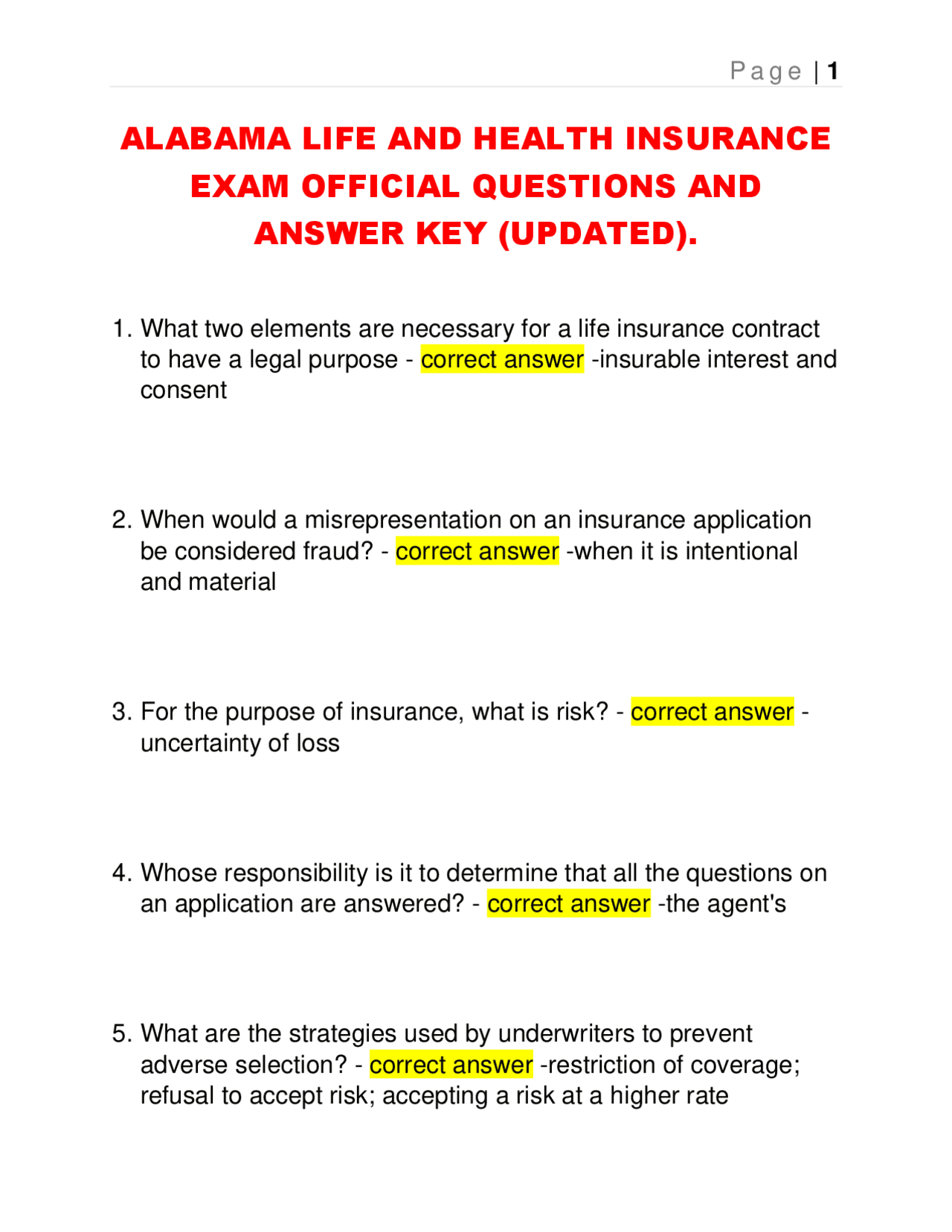
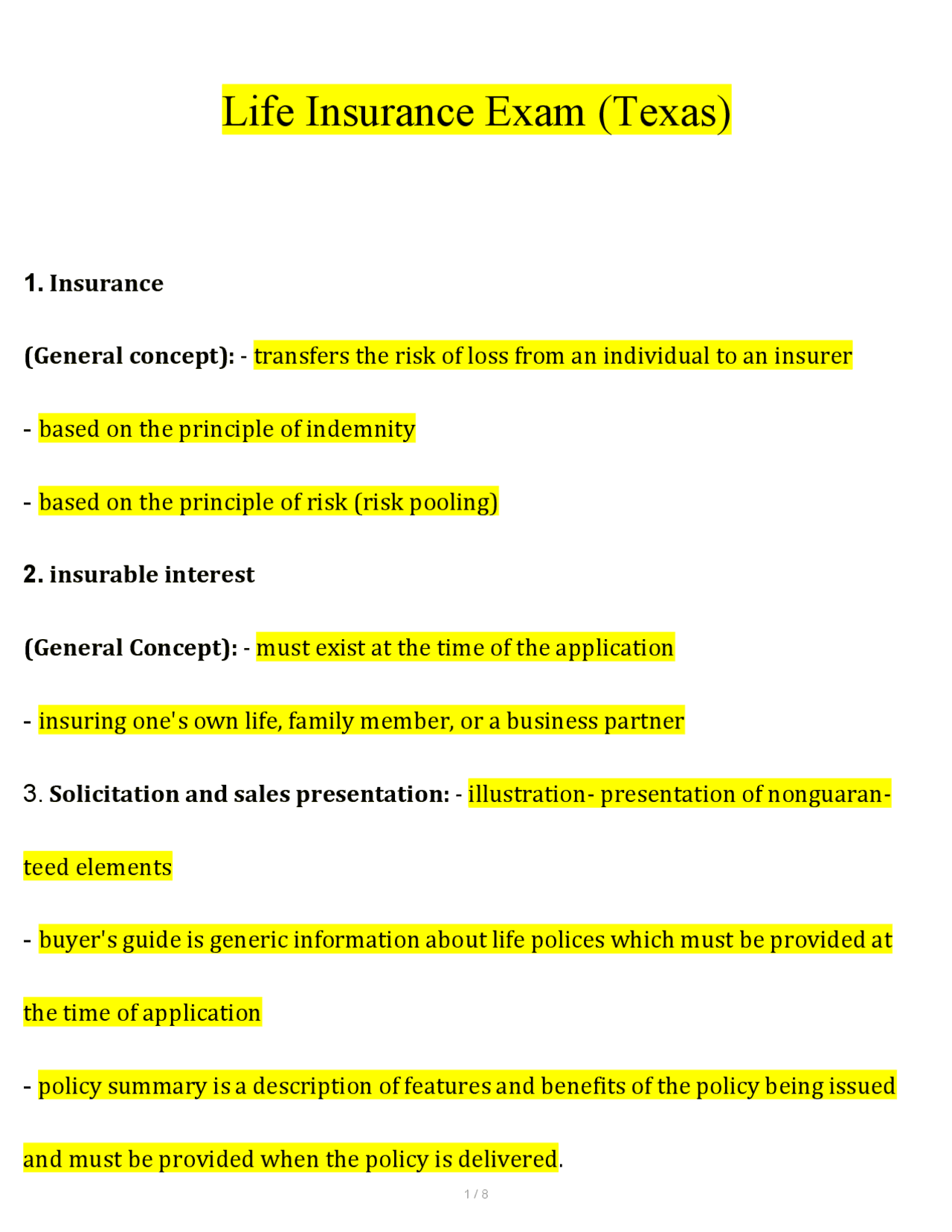
Navigating the pathway to becoming a licensed insurance producer in Alabama begins with understanding the required pre-licensing education. An Alabama life insurance pre licensing course provides the foundational knowledge of life insurance products, policy provisions, and state regulations needed to pass the state licensing exam and build a compliant, professional career.
Understanding the Alabama Insurance Licensing Framework
The Alabama Department of Insurance (ALDOI) regulates the licensing of insurance producers within the state. Before an individual can sit for the state life insurance licensing examination, the state generally requires the completion of approved pre-licensing education hours. This regulatory mandate ensures that prospective agents possess a standardized baseline of competence, protecting consumers and upholding industry standards.
The educational requirement serves as the first major milestone in your career journey. It transitions a newcomer from basic industry curiosity to structured academic preparation. By covering federal regulations, state-specific insurance laws, and contract mechanics, the curriculum prepares you for both the multiple-choice state exam and the day-to-day realities of advising clients on financial protection vehicles.
The Role of the Alabama Department of Insurance (ALDOI)
The ALDOI establishes the rules, syllabus requirements, and provider approvals for all pre-licensing courses. While third-party providers develop and deliver the actual instruction—whether online, via self-study, or in a traditional classroom—they must be explicitly approved by the state. Ensuring that your chosen provider is ALDOI-approved is critical; credits earned from unapproved courses will not count toward your licensing eligibility.
Core Curriculum and Subject Matter Breakdown
An Alabama life insurance pre licensing course is structured to mirror the content outline of the official state exam. The curriculum is divided into two primary segments: general life insurance concepts and Alabama state-specific laws and regulations.
General Life Insurance Concepts
The general section forms the bulk of the instructional hours and focuses on national insurance principles. Key topics include:
- Types of Policies: Detailed study of term life, whole life, universal life, variable life, and specialized riders or joint-life policies.
- Policy Provisions, Options, and Riders: Understanding nonforfeiture options, dividend options, beneficiary designations, grace periods, and accelerated death benefits.
- Annuities: Mechanics of fixed, variable, and indexed annuities, accumulation versus payout phases, and tax implications.
- Federal Tax Considerations: Taxation of life insurance proceeds, policy loans, cash value growth, and modified endowment contracts (MECs).
Alabama State-Specific Regulations
State laws protect Alabama policyholders and dictate agent conduct. This portion of the course covers:
- Licensing Rules: Requirements for obtaining, maintaining, renewing, and reinstating an insurance producer license.
- Unfair Trade Practices: Prohibited behaviors such as twisting, churning, misrepresentation, and rebating.
- State Regulations: Specific Alabama statutes regarding replacement transactions, advertising rules, and the Alabama Life and Disability Insurance Guaranty Association.
Course Formats and Delivery Methods
Educational providers offer multiple learning modalities to accommodate different schedules, learning styles, and professional commitments. Choosing the right format significantly impacts your comprehension and retention rates.
Online Self-Study
Online self-study courses provide maximum flexibility. Students progress through digital modules, reading materials, and video lectures at their own pace. This format suits self-motivated individuals who need to balance studying with a current job or family responsibilities. Most online platforms include built-in progress tracking and chapter quizzes.
Livestream and Classroom Instruction
For learners who benefit from structured environments and direct interaction with instructors, livestream webinars or physical classroom courses are available. These sessions allow students to ask questions in real time, discuss complex scenarios, and receive immediate clarification on difficult concepts like annuity taxation or policy provisions.
Exam Simulators and Diagnostic Tools
High-quality pre-licensing packages integrate robust exam prep tools. These include question banks, simulated practice exams, and performance tracking dashboards. Utilizing these tools helps identify weak areas—such as underwriting procedures or group life regulations—before taking the official state exam.
Alabama Life Insurance Pre-Licensing Requirements Comparison
| Feature / Requirement | Online Self-Study | Classroom / Livestream | Complete Exam Prep Package |
|---|---|---|---|
| Flexibility | High (24/7 access) | Low (fixed schedule) | Moderate to High |
| Pacing | Self-paced | Instructor-led | Self-paced with structured milestones |
| Interaction | Minimal (email support) | High (live Q&A) | Moderate (forum or tutor access) |
| Exam Simulators | Typically included | Varies by provider | Comprehensive question banks included |
| Best Suited For | Independent, busy professionals | Visual and auditory learners | First-time test takers wanting maximum support |
Step-by-Step Pathway to Licensure
Completing the pre-licensing course is just one step in the broader licensing workflow established by the ALDOI and its testing administrator, Pearson VUE.
Step 1: Fulfill Pre-Licensing Education Hours
Enroll in and successfully complete an approved Alabama life insurance pre licensing course. Ensure you meet all credit hour requirements mandated by the state. Upon completion, the provider will issue a certificate of completion or transmit your course credit directly to the state/testing vendor.
Step 2: Schedule and Pass the State Exam
Register for the exam through Pearson VUE. The life insurance exam is typically a combined Life and Health exam or a standalone Life exam, depending on your career goals. Bring your course completion certificate and required identification to the testing center on exam day.
Step 3: Submit the License Application and Fingerprints
Once you pass the exam, submit your official license application online through the National Insurance Producer Registry (NIPR) or the ALDOI portal. Concurrently, schedule and complete your required background check and fingerprinting.
Frequently Asked Questions
How many hours are required for an Alabama life insurance pre-licensing course?
The exact number of pre-licensing hours depends on whether you are taking a standalone life course or a combined life and health course. Check the current ALDOI guidelines or your approved provider's course catalog for the exact hour requirements, as syllabus adjustments occur periodically.
Can I take my Alabama pre-licensing course online?
Yes. The ALDOI approves numerous online providers that offer self-paced digital courses. These courses fulfill state education requirements just as traditional classroom settings do, provided they are state-certified.
How long is my pre-licensing course certificate valid?
Pre-licensing course completion certificates have a specific expiration window set by the state or testing vendor. You must sit for and pass the state licensing exam before this certificate expires, or you may be required to retake the education course.
What happens if I fail the state life insurance exam?
If you do not pass the exam on your first attempt, Pearson VUE allows you to reschedule and retake the test. Review your score report to identify weak topic areas—such as policy riders or state regulations—and focus your study efforts there before your next attempt.
Are there any prerequisites to enroll in a pre-licensing course?
Generally, there are no educational prerequisites to enroll in an Alabama life insurance pre licensing course. However, candidates must meet state eligibility requirements for licensure, which typically include being at least 18 years of age and passing a criminal background check.
Next Steps for Aspiring Insurance Professionals
To begin your career, research ALDOI-approved education providers and select a course format that aligns with your personal learning style and schedule. Dedicate consistent daily study time to master both general insurance principles and Alabama-specific regulations. Utilize practice exams to build test-taking confidence, and schedule your Pearson VUE examination promptly upon course completion.