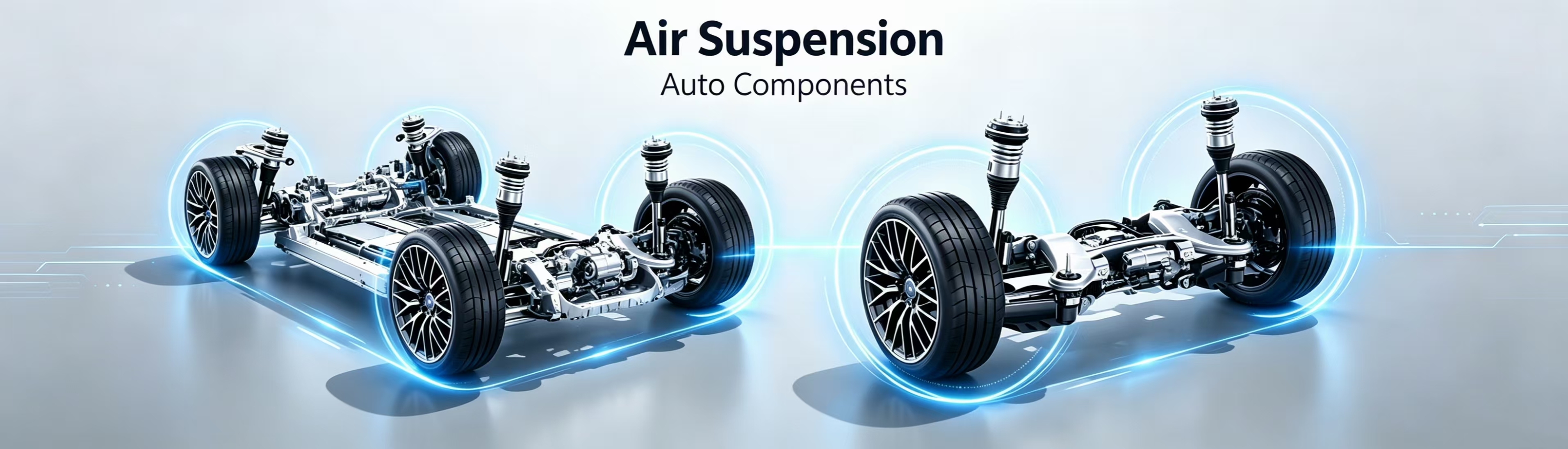
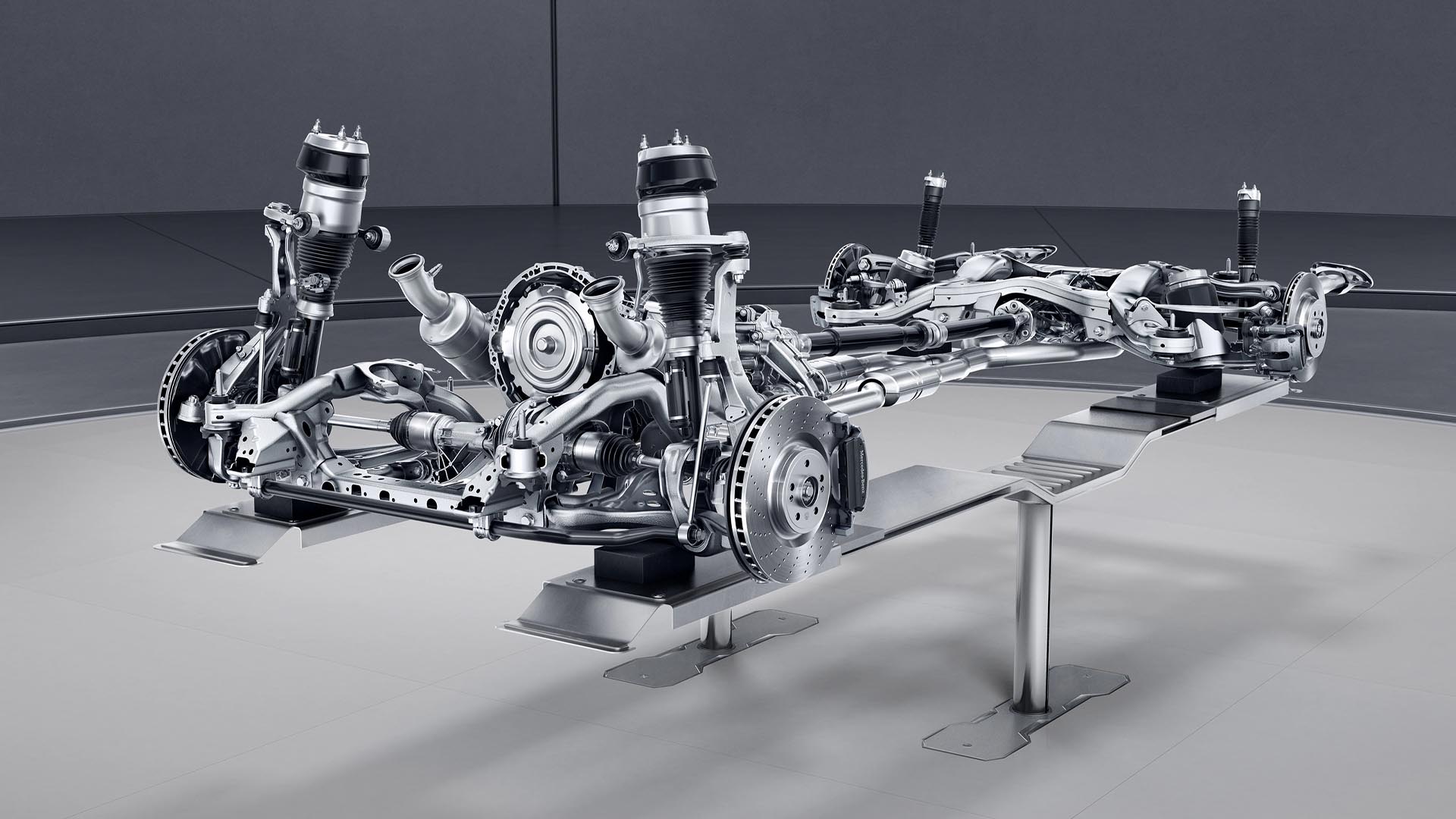
Mercedes-Benz air suspension systems replace traditional steel coil springs with electronically controlled air springs and active damping, providing superior ride comfort, adaptive load leveling, and adjustable ride height across various driving conditions.
Introduction to Mercedes-Benz Air Suspension
For decades, Mercedes-Benz has stood at the forefront of automotive engineering, consistently introducing innovations designed to optimize comfort, safety, and performance. Among these advancements, the air suspension system represents a significant departure from traditional mechanical setups. Instead of relying on conventional steel coil springs, Mercedes-Benz vehicles equipped with air suspension use compressed air enclosed in durable rubber bladders—often referred to as air springs or air struts—coupled with electronically managed shock absorbers.
Understanding how air suspension works on a Mercedes-Benz requires looking beyond a single component. It is an integrated network of compressors, valve blocks, sensors, and electronic control units (ECUs) working continuously to adjust to changing road surfaces, vehicle loads, and driving speeds. Whether you are driving an S-Class luxury sedan, a GLE luxury SUV, or an E-Class wagon, the air suspension system is designed to deliver a gliding ride quality while maintaining precise handling characteristics. However, this level of engineering sophistication also introduces unique maintenance considerations, potential failure points, and significant repair costs that owners must navigate.
Evolution and Technology: AIRMATIC vs. ABC vs. E-ABC
Mercedes-Benz has utilized several iterations of advanced suspension technology across its vehicle lineup, each serving distinct performance and luxury goals. Knowing which system your vehicle utilizes is essential for proper diagnosis, maintenance, and repair planning.
AIRMATIC
AIRMATIC (Adaptive Damping System combined with air suspension) is the most common air suspension system found across a wide range of Mercedes-Benz models, including the C-Class, E-Class, S-Class, GLE, and GLS. AIRMATIC continuously adjusts the damping force at each individual wheel based on the current road surface, driving style, and vehicle load. It allows drivers to switch between comfort and sport modes, altering both suspension firmness and ride height. The system automatically lowers the vehicle at higher speeds to reduce aerodynamic drag and improve fuel efficiency, while offering a lift function for navigating rough terrain or steep driveways.
Active Body Control (ABC)
Unlike AIRMATIC, which primarily uses air springs and adaptive dampers, Active Body Control is a fully active hydraulic suspension system rather than a pneumatic one. ABC utilizes high-pressure hydraulic cylinders at each wheel, managed by a sophisticated network of sensors that monitor vehicle body movement. The system actively counteracts body roll during cornering, pitch during braking, and squat during acceleration. While ABC delivers exceptional handling and flat cornering dynamics for heavy performance and luxury models like older SL-Class roadsters and high-end S-Class sedans, it is mechanically distinct from air suspension and features its own unique maintenance profile and fluid requirements.
E-Active Body Control (E-ABC)
Representing the pinnacle of modern Mercedes-Benz suspension technology, E-Active Body Control combines a 48-volt electrical system with hydro-pneumatic suspension springs. Available on select modern SUVs like the GLE and GLS, E-Active Body Control can individually control spring and damping forces at each wheel, effectively eliminating body roll, pitch, and dive. It also features advanced functionalities such as "Road Surface Scan," which uses a stereo multi-purpose camera to scan the road ahead and prepare the suspension for upcoming bumps, and a "Free-Driving Mode" designed to rock the vehicle free if it becomes stuck in sand or deep snow.
Core Components of the AIRMATIC System
To appreciate how a Mercedes-Benz air suspension system operates and why failures occur, it is helpful to examine its primary physical and electronic components.
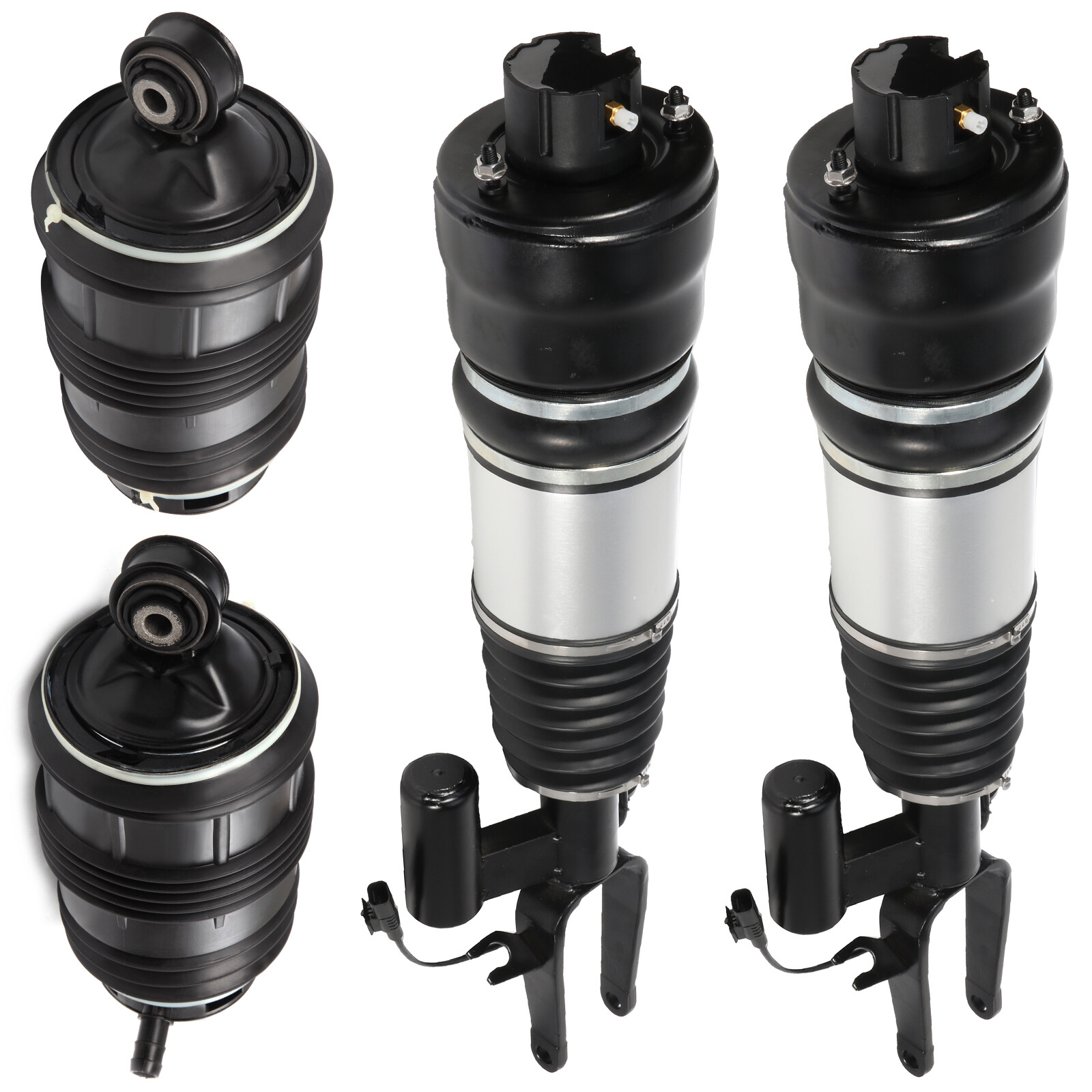
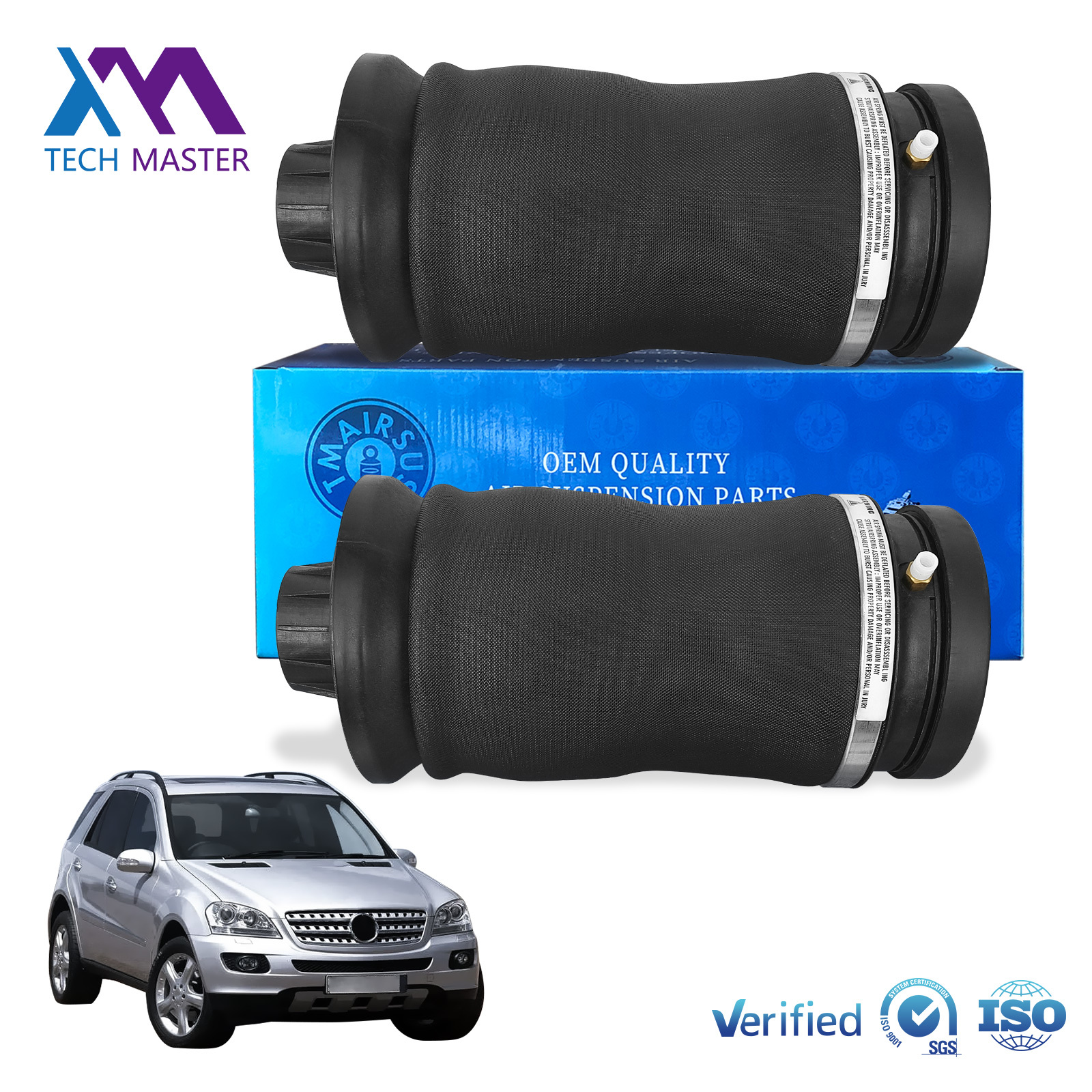
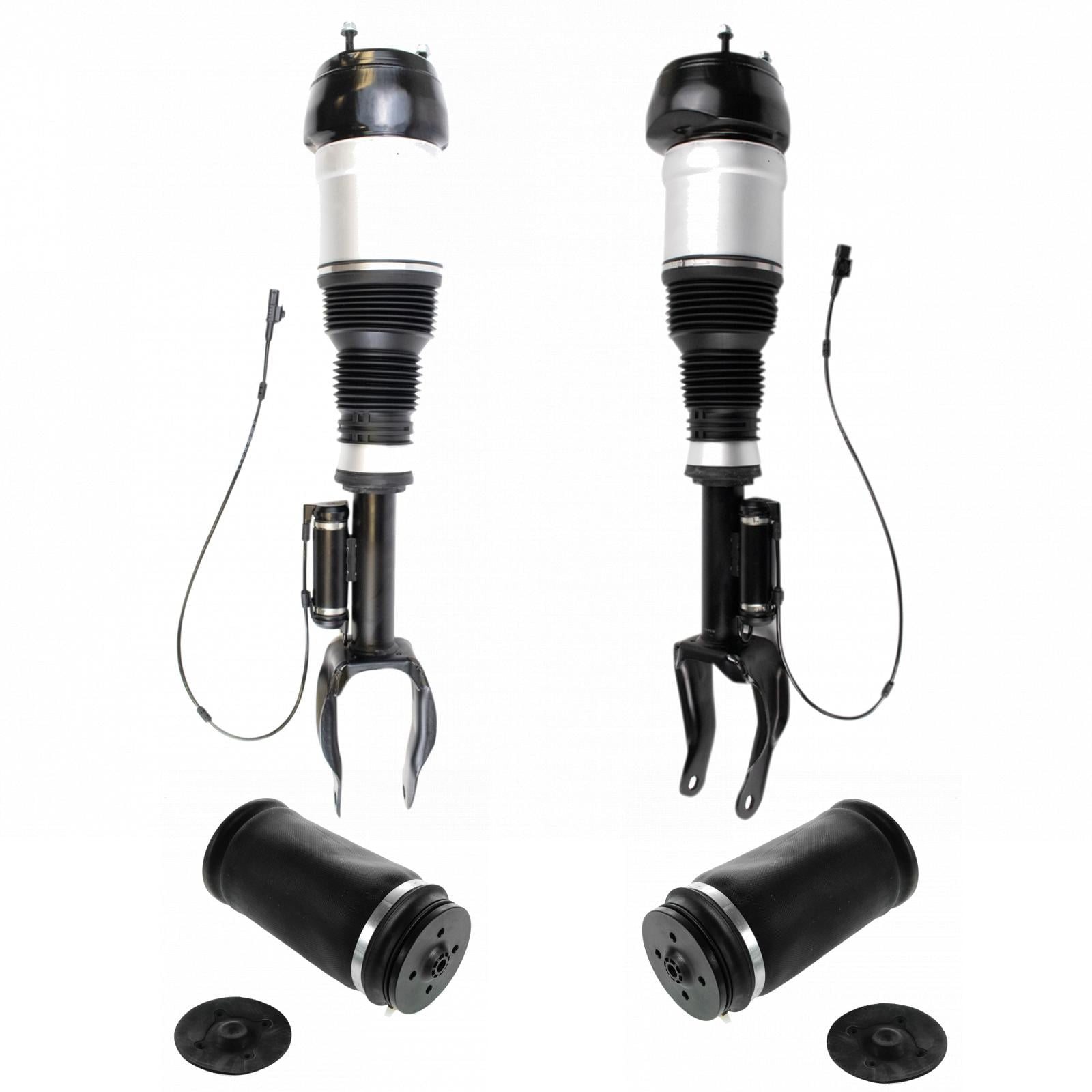
- Air Springs (Air Struts): Replacing traditional metal coils, these heavy-duty rubber bladders hold pressurized air to support the vehicle's weight. Front units are typically integrated into the strut assembly, while rear setups often feature separate air springs and shock absorbers.
- Air Compressor: Located typically behind the front bumper or beneath the vehicle near the wheel well, the compressor generates and supplies high-pressure air to the system. It features an integrated electric motor and a drying unit to remove moisture from the compressed air.
- Valve Block: Acting as the distribution hub, the valve block directs air from the compressor to individual air springs or releases air from the springs to lower the vehicle. Solenoid valves open and close rapidly based on commands from the suspension control unit.
- Ride Height and Acceleration Sensors: Multiple sensors mounted throughout the chassis monitor the distance between the vehicle body and the road, as well as vertical and lateral acceleration. This data allows the vehicle to detect body lean, load distribution, and uneven road conditions in milliseconds.
- Electronic Control Unit (ECU): The central computer processes input data from the sensors and commands the compressor and valve block to adjust air pressure and damping characteristics continuously.
Common Symptoms of Air Suspension Failure
Air suspension systems are subject to normal wear and tear, environmental exposure, and mechanical fatigue. Recognizing the early warning signs of component degradation can prevent secondary failures, such as burning out an overworked air compressor.
1. Sagging Corner or Sinking Rear End
The most obvious indicator of an air suspension problem is a sagging vehicle. If you walk out to your Mercedes-Benz and notice that one corner, the entire front end, or the rear axle has dropped overnight, it typically points to an air leak. Air leaks most commonly occur in the rubber bladders of the air struts, air lines, or the valve block O-rings.
2. Dashboard Warning Messages
Modern Mercedes-Benz instrument clusters are equipped with diagnostic capabilities that alert drivers to suspension anomalies. Common messages include "AIRMATIC Malfunction," "Stop, Vehicle Too Low," or an icon showing a car with an upward arrow. When these warnings appear, the vehicle has usually stored diagnostic trouble codes (DTCs) in its computer memory that can be read using an OBD-II scanner compatible with Mercedes-Benz systems.
3. Rough, Bouncy, or Stiff Ride Quality
If the ride feels excessively harsh, resembling a vehicle with broken shocks, or conversely, if it bounces uncontrollably over bumps, the adaptive damping system may have defaulted to "limp mode." This often happens when electrical communication with the dampers is lost or when internal valve failures prevent proper damping adjustment.
4. Excessive Compressor Noise or Failure to Run
The air compressor is designed to run periodically to maintain system pressure. However, if you hear the compressor running continuously every time you start the car, or if it runs loudly and makes grinding noises, it is likely struggling to compensate for an air leak or is experiencing internal mechanical wear. Continuous operation will eventually cause the compressor motor to overheat and burn out.
| Symptom | Probable Component Failure | Severity Level | Recommended Action |
|---|---|---|---|
| Vehicle sags overnight | Air strut bladder leak, valve block leak | Moderate to High | Inspect for leaks; repair before compressor burns out |
| "Vehicle Too Low" warning | Major air leak, failed compressor, blown fuse | High | Do not drive; tow to a service facility to avoid body damage |
| Compressor runs constantly | Air leak forcing overwork, failing relay | High | Unplug compressor fuse if necessary to prevent motor burnout |
| Harsh or bouncy ride | Damper solenoid failure, electrical fault | Moderate | Scan for diagnostic codes; check wiring harness and fuses |
Troubleshooting and Diagnostic Procedures
Diagnosing an air suspension issue on a Mercedes-Benz requires a methodical approach, starting with basic visual inspections and progressing to advanced electronic diagnostics.
The Soapy Water Leak Test
For suspected air leaks in the struts or air lines, a simple and effective diagnostic technique involves mixing a solution of liquid dish soap and water in a spray bottle. With the vehicle raised safely on a lift or jack stands (ensuring proper support and safety protocols), spray the soapy water mixture over the entire surface of the air spring bladders, air line connections, and the valve block. Look closely for the formation of expanding bubbles, which indicate escaping pressurized air.
Checking Fuses and Relays
Electrical power delivery is a common failure point for the AIRMATIC compressor. Before replacing an expensive compressor, check the dedicated high-amp fuse and the air suspension relay in the vehicle's fuse box. A stuck-closed relay can cause the compressor to run continuously until it burns out, meaning a new compressor will also fail immediately if installed with the old, faulty relay.
Using Diagnostic Scanners
Standard OBD-II generic scanners can read generic powertrain codes, but they cannot access chassis and suspension modules on a Mercedes-Benz. Technicians and DIY owners use advanced diagnostic tools capable of communicating with the AIRMATIC control module. These tools allow you to read specific fault codes, monitor live sensor data (such as actual ride height versus target ride height), and manually command the compressor to run or individual valves to open and close.
Repair and Replacement Options: OEM, Aftermarket, and Conversion
When an air suspension component fails, vehicle owners face critical decisions regarding repair parts and methods. Understanding the financial and performance trade-offs is essential.
Original Equipment Manufacturer (OEM) Parts
OEM parts (such as Bilstein or Wabco components stamped with the Mercedes-Benz logo) provide exact factory fitment, material quality, and performance integration. While OEM parts ensure that the vehicle retains its original ride dynamics and resale value, they also represent the highest purchase cost, often running into thousands of dollars per axle when replacing struts and compressors.
Quality Aftermarket Solutions
Several reputable aftermarket manufacturers—such as Arnott—produce replacement air springs, struts, and compressors designed to meet or exceed OEM specifications, often at a more accessible price point. Many aftermarket air struts also feature upgraded rubber compounds or enhanced designs intended to resist dry rot and environmental degradation better than original factory units.
Steel Spring Conversion Kits
Some owners of older Mercedes-Benz models opt to remove the air suspension entirely and install a steel coil spring conversion kit. While this eliminates future air suspension headaches permanently, it fundamentally alters the driving dynamics of the vehicle. A converted vehicle will no longer offer automatic load leveling, adjustable ride height, or the signature plush ride quality engineered by Mercedes-Benz, which can negatively impact trade-in value and ride comfort.
Maintenance Best Practices and Longevity Tips
While air suspension components are wear items with a finite lifespan, proper care and proactive maintenance can extend their service intervals and prevent catastrophic failures.
- Keep the Exterior Clean: Regularly wash the wheel wells and lower chassis areas, especially if you live in an area that uses road salt during winter months. Salt and debris buildup can accelerate corrosion on metal housings and degrade rubber air bladders.
- Address Minor Leaks Immediately: Never ignore a slight morning sag. Replacing a small O-ring or a leaking air line early prevents the air compressor from running excessively, saving the compressor motor from premature burnout.
- Inspect Rubber Components During Service: During routine tire rotations or brake services, ask your technician to visually inspect the rubber air springs for cracks, chafing, or oil contamination from leaking engine or suspension components.
Frequently Asked Questions
How long does a Mercedes-Benz air suspension system last?
On average, Mercedes-Benz air suspension components last between 8 to 12 years or roughly 80,000 to 120,000 miles. Lifespan varies significantly depending on environmental conditions, road quality, and vehicle storage habits. Vehicles driven frequently on rough roads or exposed to extreme temperature fluctuations may experience component wear sooner.
Can I drive my Mercedes-Benz with a failing air suspension?
Driving a Mercedes-Benz with a severely compromised air suspension is strongly discouraged. If the vehicle is sitting completely low on its tires, driving it can cause the tires to rub against the inner fenders, damage the wheel alignment, and cause severe stress to the body frame and remaining suspension components. Furthermore, a low ride height significantly reduces ground clearance and compromises handling stability.
What causes an air compressor to burn out?
An air compressor failure is almost always a secondary symptom rather than a primary fault. When an air spring, air line, or valve block develops a leak, the compressor must work overtime to maintain system pressure. This continuous running causes the compressor motor to overheat, eventually melting internal components or blowing the thermal fuse.
Is it cheaper to convert to standard coil springs?
Initially, purchasing and installing a coil spring conversion kit can appear less expensive than replacing failing OEM air struts and a compressor. However, conversion kits remove factory ride features, can trigger persistent dashboard error codes unless properly coded out by a specialist, and often reduce the vehicle's resale value. Financial evaluation should weigh upfront savings against long-term vehicle utility and comfort.
Conclusion and Next Actions
Maintaining the air suspension system on a Mercedes-Benz requires balancing the desire for uncompromising ride quality with proactive mechanical oversight. By understanding how AIRMATIC and active control systems operate, recognizing early symptoms of wear, and utilizing proper diagnostic procedures, you can address issues before they cascade into more expensive repairs. If you notice persistent sagging, unusual compressor noise, or suspension warning messages, schedule an inspection with a qualified technician specializing in Mercedes-Benz vehicles to evaluate your air springs, lines, and compressor performance.