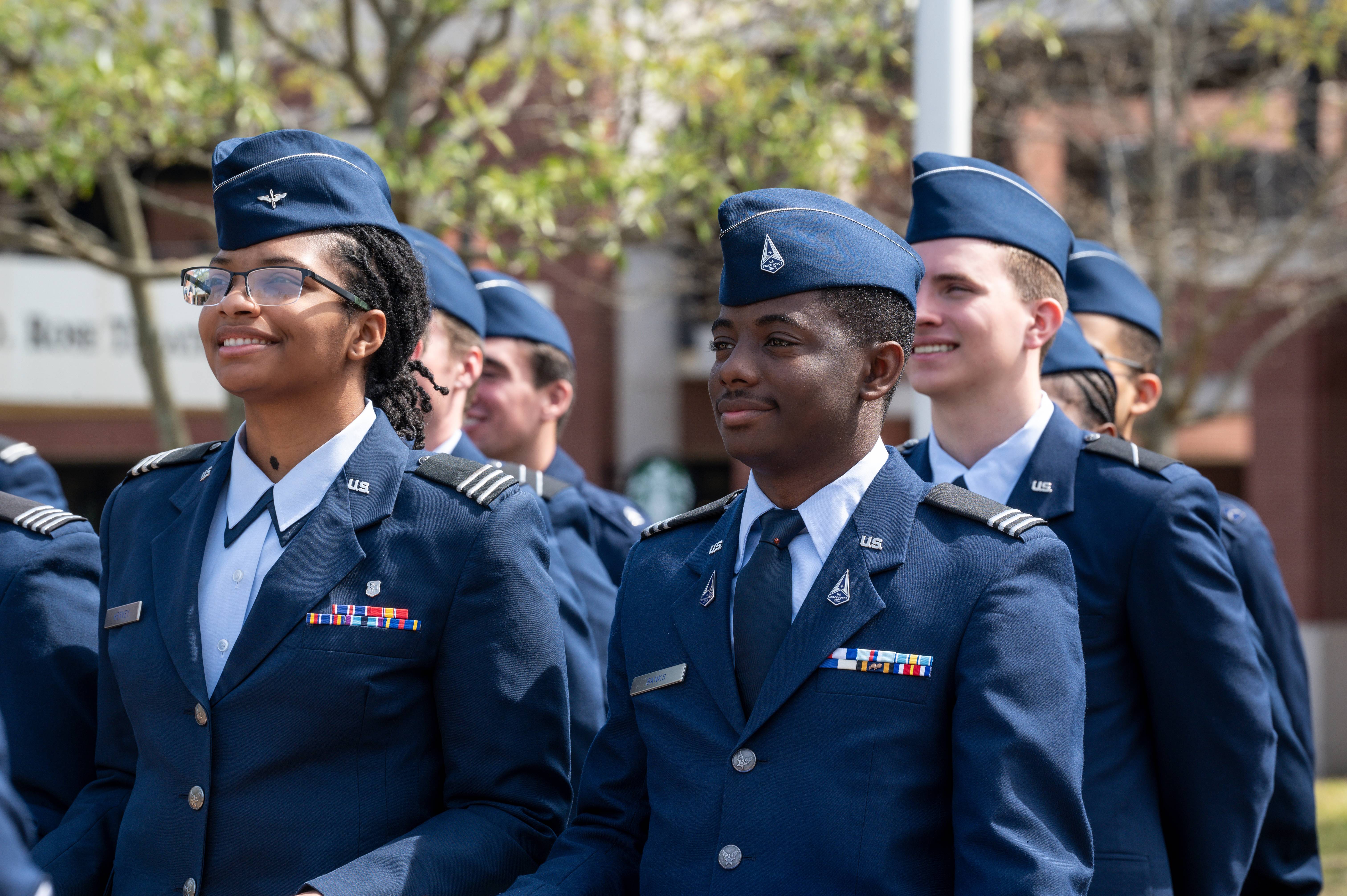
The standard Air Force Reserve time commitment is typically defined as one weekend per month and two weeks of annual training per year. However, new recruits must first complete approximately 8 weeks of Basic Military Training and technical school, which can last from several weeks to over a year depending on the chosen career field.
Understanding the Layers of Reserve Service
For those considering a career in the Air Force Reserve in 2026, the phrase "part-time" can be misleading. While the primary obligation follows the "one weekend a month, two weeks a year" model, the reality involves several distinct phases and various service categories that significantly alter the total time invested. The Air Force Reserve is a federal component of the U.S. Air Force, designed to provide operational capability and strategic depth. Unlike the Air National Guard, which has a dual state and federal mission, the Reserve serves the President and the Department of Defense directly.
The time commitment is not a monolith; it evolves from the moment you take the Oath of Enlistment. It begins with intensive full-time training, moves into a steady state of monthly readiness, and can escalate into full-time active duty during periods of mobilization or deployment. Navigating these requirements requires a clear understanding of the contractual obligations, the specific nature of your job (Air Force Specialty Code or AFSC), and the legal protections afforded to civilian employees.
Initial Entry Training: The Full-Time Foundation
Before a Reservist can settle into the part-time schedule, they must complete Initial Entry Training (IET). This is a full-time commitment where you are paid as an active-duty airman and live on-base.
Basic Military Training (BMT)
All enlisted recruits attend Basic Military Training at Lackland Air Force Base in San Antonio, Texas. As of 2026, BMT remains approximately 7.5 to 8 weeks long. During this period, your time is 100% committed to the Air Force. There are no weekends off, and communication with the outside world is limited. This phase focuses on physical conditioning, discipline, military history, and foundational combat skills.
Technical Training (Tech School)
Immediately following BMT, airmen attend Technical Training to learn their specific job. The length of this commitment varies wildly based on the complexity of the AFSC:
- Short Courses (4–8 weeks): Jobs like Personnel or Administration typically have shorter training pipelines.
- Medium Courses (3–6 months): Security Forces, Aircraft Maintenance, and Logistics Readiness often fall into this range.
- Long Courses (6–12+ months): Highly technical roles such as Cyber Systems Operations, Intelligence, or Special Warfare can require a year or more of full-time study.
Seasoning Training Program (STP)
After technical school, many Reserve units offer or require "Seasoning Training." This is a period of full-time active-duty orders at your home station, lasting anywhere from 30 to 90 days. The goal is to provide hands-on experience in a real-world environment before the airman transitions to the traditional one-weekend-a-month schedule. While technically optional in some units, it is highly encouraged for building proficiency.
The Traditional Reservist (TR) Schedule
The vast majority of Reservists are "Traditional Reservists" (TRs). This is the standard "one weekend a month, two weeks a year" model that most people associate with the service.
Unit Training Assemblies (UTA)
Commonly referred to as "drill weekend," UTAs consist of four four-hour periods (two on Saturday and two on Sunday).
- Daily Schedule: A typical day starts at 07:00 and ends at 16:00.
- Activities: These weekends are packed with administrative requirements, medical readiness checks, physical fitness testing, and job-specific training.
- Flexibility: While UTAs are scheduled a year in advance, many units allow for "Rescheduled UTAs" (RSUTAs) if an airman has a significant civilian conflict, such as a wedding or a final exam, provided the time is made up elsewhere.
Annual Tour (AT)
Every fiscal year, Reservists must complete 15 days of continuous or broken active-duty training. This "two-week" commitment is often used for unit-wide exercises, specialized training at other bases, or providing surge support to active-duty counterparts. In 2026, many units have shifted toward "integrated" ATs where Reservists deploy to overseas locations for two weeks to perform their jobs in a high-tempo environment.
Individual Mobilization Augmentees (IMA)
For professionals who require extreme flexibility—such as doctors, lawyers, or those with demanding corporate careers—the Individual Mobilization Augmentee (IMA) program offers an alternative time commitment.
Unlike TRs who belong to a specific Reserve unit and drill together, IMAs are assigned to active-duty units. They do not necessarily follow the "one weekend a month" cadence. Instead, they coordinate with their active-duty supervisor to perform all their required days (usually 24 to 48 days per year) in a single block or several smaller segments. This allows the member to fulfill their entire annual commitment in one month and focus entirely on their civilian career for the remaining eleven months.
Full-Time Reserve Options: AGR and ART
For those who want to serve in the Reserve but work full-time for the military, there are two primary paths: Active Guard Reserve (AGR) and Air Reserve Technician (ART).
- Active Guard Reserve (AGR): These members are on full-time active-duty orders but belong to a Reserve unit. They receive the same pay and benefits as active-duty airmen. Their time commitment is a standard 40-hour work week plus any additional military requirements.
- Air Reserve Technician (ART): This is a "dual-status" role. During the week, the member is a full-time federal civil service employee. On drill weekends, they wear the uniform as a Reservist. This creates a unique time commitment where the individual is essentially working for the same organization in two different legal capacities.
Deployment and Activation Requirements
The "time commitment" of the Air Force Reserve includes the legal obligation to be "activated" or "mobilized" for federal service. In 2026, the Air Force continues to utilize the Air Force Force Generation (AFFORGEN) model. This model provides a predictable cycle of training, readiness, and potential deployment.
- Deployment Cycles: Most units operate on a cycle where they are "available" for deployment once every few years.
- Duration: Deployments typically last between 6 and 12 months.
- Involuntary Activation: Under Title 10 of the U.S. Code, the President or Congress can activate Reservists involuntarily for national emergencies or combat operations.
- Voluntary Orders: Many Reservists choose to "pick up" extra sets of orders to support missions worldwide, effectively turning their part-time service into a temporary full-time career.
Total Contractual Obligation: 6 vs. 8 Years
When you join the Air Force Reserve, you are technically signing an eight-year military service obligation (MSO). However, how that time is spent depends on your contract.
- The 6x2 Contract: This is the most common enlistment. You spend 6 years as a participating member (drilling one weekend a month) and the final 2 years in the Individual Ready Reserve (IRR). In the IRR, you do not drill and do not get paid, but you can be recalled to active duty in the event of a major national crisis.
- Officer Commitments: Officers do not "enlist" for a set number of years in the same way, but they generally have a minimum service requirement (often 4 years of active participation) after commissioning, especially if they received a scholarship or specialized training like pilot school. Pilots often have a 10-year commitment after completing flight training.
Comparing Reserve Time Commitments by Category
| Service Category | Monthly Commitment | Annual Commitment | Primary Purpose |
|---|---|---|---|
| Traditional Reservist (TR) | 2 Days (1 Weekend) | 15 Days (Annual Tour) | Unit readiness and local training. |
| IMA | Flexible (coordinated) | 24–48 Days Total | Support for active-duty units. |
| AGR | Full-Time (40+ hours/week) | Year-round | Full-time unit administration/ops. |
| ART | Full-Time (Civil Service) | 2 Days + 15 Days (Military) | Technical continuity and maintenance. |
| BMT / Tech School | Full-Time (24/7) | Duration of course | Initial entry qualification. |
Legal Protections and Civilian Balance
Managing the time commitment of the Air Force Reserve is made possible by the Uniformed Services Employment and Reemployment Rights Act (USERRA). This federal law protects Reservists from discrimination based on their military service and mandates that employers must allow them time off for military duties.
- Job Protection: Your employer must hold your position (or a nearly identical one) while you are deployed or at training.
- Escalator Principle: You should return to the job with the same seniority, pay, and benefits you would have attained had you never left for military service.
- Communication: While USERRA provides protection, successful Reservists maintain a high degree of transparency with their civilian employers, providing drill schedules as soon as they are published.
Frequently Asked Questions
Can I change my drill weekend if I have a conflict?
Yes, most units allow for Rescheduled UTAs (RSUTAs). You must request this in advance through your supervisor and commander. Generally, you are required to make up the missed training days within the same fiscal year to ensure you earn "points" toward a retirement year.
Is the time commitment different for Officers?
While the basic "one weekend, two weeks" remains the same, officers often spend additional time outside of drill weekends on administrative tasks, performance reports, and mission planning. As leadership responsibilities increase, the "unpaid" time commitment often grows, though many officers can be put on "points-only" orders to receive retirement credit for this extra work.
How often do Reservists actually deploy?
Deployment frequency depends entirely on your AFSC and your unit's position in the AFFORGEN cycle. Some high-demand fields, like medical or tactical airlift, may see deployments every 2–3 years, while other administrative roles may rarely deploy. Participation is often voluntary first, with involuntary mobilization used as a last resort.
Does travel time to the base count as part of the commitment?
No, travel time is generally not compensated, and it is considered part of your personal time. However, if you live a certain distance from the base (usually over 50 miles), the Air Force Reserve often provides lodging (on-base or a contracted hotel) for the Friday and Saturday nights of drill weekend. Some high-demand AFSCs may also qualify for travel reimbursement (IDT travel pay).
What happens if I miss too many drills?
If you fail to attend scheduled UTAs without an excused absence, you can be marked as "unsatisfactory." Accumulating too many unexcused absences (typically 9 or more in a 12-month period) can lead to an administrative discharge, which may be characterized as "Under Other Than Honorable Conditions," potentially affecting civilian employment and veteran benefits.
Next Actions for Prospective Reservists
If you are evaluating whether the Air Force Reserve time commitment fits your lifestyle in 2026, your first step should be to contact a Reserve Recruiter to discuss available AFSCs at bases near you. Different jobs have different training lengths, and some units have higher operational tempos than others.
Once you identify a potential job, ask to visit the unit during a drill weekend. This "unit tour" allows you to speak directly with current Reservists about their actual time investment and how they balance their civilian careers with their military service. Ensure you also review your employer’s military leave policy, as some companies provide "differential pay" (paying you the difference between your civilian and military salary) during your two-week annual tour or deployments.