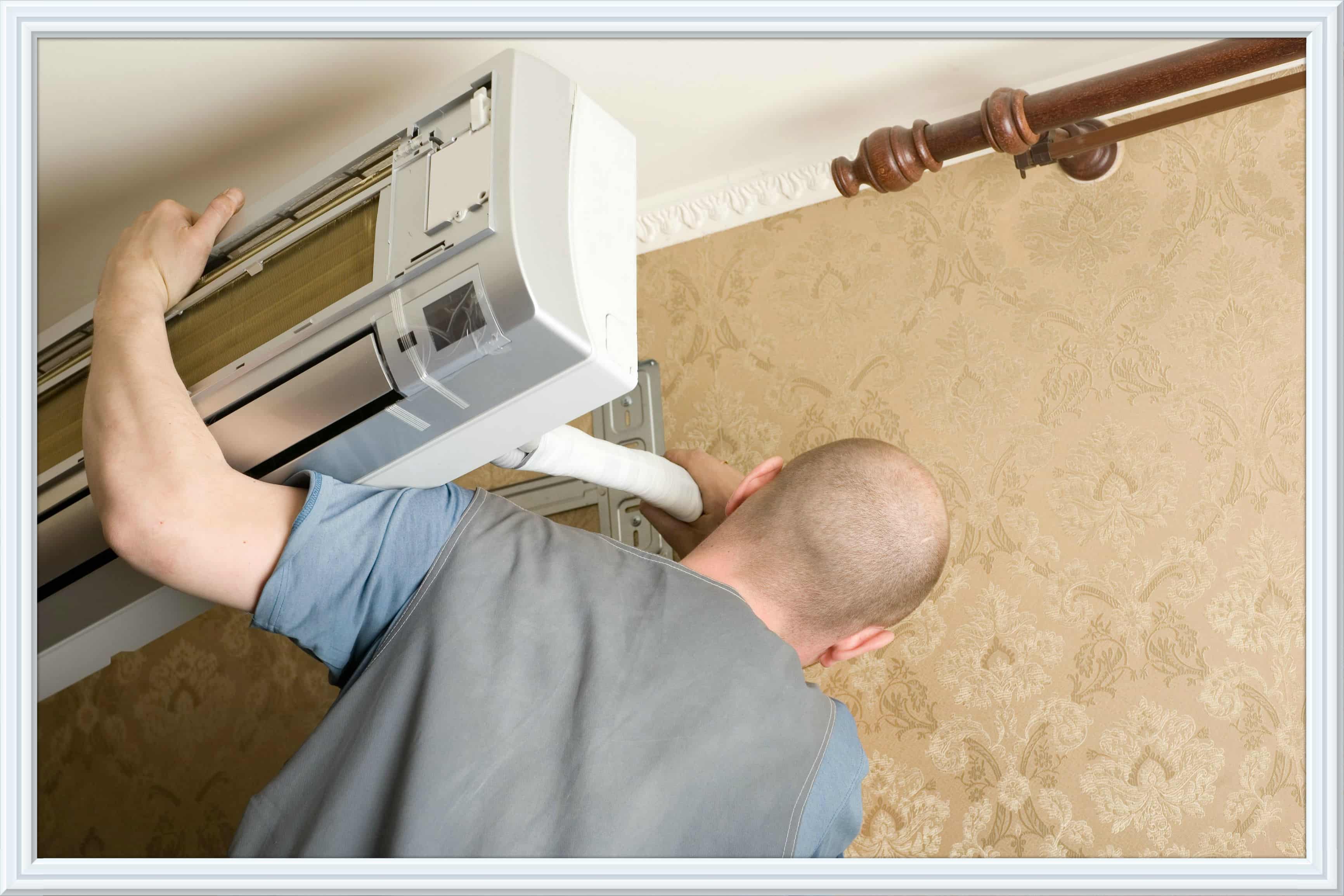
When your cooling system fails during the peak of a humid Houston summer, finding prompt and reliable air conditioner repair in Houston, TX, becomes an urgent priority. Resolving AC failures requires diagnosing common root causes—such as frozen evaporator coils, clogged condensate drains, or failing capacitors—understanding local contractor requirements, and evaluating repair versus replacement costs to ensure long-term home comfort.
Understanding the Houston Climate and Your Air Conditioner
The subtropical climate of Houston places extreme demands on residential and commercial cooling equipment. High ambient temperatures, which frequently exceed 90 degrees Fahrenheit from late spring through early autumn, are compounded by intense relative humidity that often surpasses 70 percent. This environmental reality means local air conditioning systems run almost continuously for months at a time, accelerating mechanical wear and tear.
Unlike drier regions where air conditioners primarily focus on lowering sensible heat, Houston systems must simultaneously remove massive amounts of latent heat and moisture. When a system malfunctions, the indoor environment shifts from comfortable to humid and stagnant within hours. Consequently, local homeowners must recognize the early warning signs of system failure before complete breakdowns occur, minimizing the need for emergency service calls.
Common Air Conditioner Problems in Houston Homes
Because Houston cooling systems operate under heavy loads, specific mechanical and electrical components tend to fail more frequently than others. Understanding these common issues helps property owners communicate more effectively with service technicians and gauge the accuracy of diagnostic reports.
1. Refrigerant Leaks
Air conditioners do not consume refrigerant during normal operation; they circulate a closed loop of fluid to absorb and release heat. When a system is low on refrigerant, it is almost always due to a leak caused by corrosion, vibration wear, or faulty installation joints. Symptoms include a noticeable drop in cooling performance, ice forming on the indoor evaporator coils, and a hissing sound near the refrigerant lines. Simply recharging or "topping off" the refrigerant without locating and repairing the leak is a temporary fix that violates environmental regulations and fails to resolve the root problem.
2. Electrical Component Failures
The intense summer heat puts immense stress on electrical components. Compressors and fan motors rely on capacitors to provide the initial jolt of energy required to start. When capacitors overheat, they bulge, leak oil, or fail entirely, preventing the outdoor fan or indoor blower from turning on. Additionally, contactors—the electrical switches that relay power to the compressor and fan—can become pitted or burned out over time due to electrical arcing and power surges common during Texas thunderstorms.
3. Clogged Condensate Drain Lines
As your air conditioner removes moisture from indoor air, the water collects in the drain pan and flows through a PVC pipe to the exterior of the home. In Houston's humid environment, algae, mold, and sludge frequently accumulate inside this pipe, causing a blockage. When the line clogs, water backs up into the drain pan and trips the float switch, shutting down the entire system to prevent water damage to ceilings and drywall.
4. Dirty Evaporator and Condenser Coils
Airflow is essential for heat transfer. Over time, dust, pet dander, and airborne particles coat the indoor evaporator coil, while outdoor debris, lawn clippings, and cottonwood seeds obstruct the outdoor condenser coil. Dirty coils insulate the refrigerant, forcing the compressor to work harder, consume more electricity, and eventually overheat.
Troubleshooting Checklist Before Calling a Technician
Before scheduling a service appointment, homeowners can perform a few safe, basic troubleshooting steps to rule out simple user errors or minor configuration issues:
- Check the Thermostat Settings: Ensure the thermostat is set to "Cool" and the temperature is set lower than the current room temperature. Verify that the batteries in the thermostat are not dead.
- Inspect the Circuit Breaker: Go to the main electrical panel and check if the breaker for the air conditioner or air handler has tripped. If it has tripped, reset it once. If it trips a second time, leave it off and call a professional, as this indicates a short circuit or electrical overload.
- Examine the Air Filter: A heavily clogged air filter restricts airflow entirely, causing the system to freeze up. Pull out the filter; if it is opaque with dust and debris, replace it immediately.
- Verify the Condensate Float Switch: Locate the secondary drain pan or auxiliary drain line near your indoor air handler. If water is pooling in the pan, a clogged drain line has likely tripped the safety switch.
Evaluating Repair Versus Replacement
When faced with a significant repair bill, Houston homeowners frequently debate whether to fix the existing unit or invest in a complete replacement. Making an informed financial and mechanical decision requires weighing several critical factors.
The $5,000 Rule
A widely accepted guideline in HVAC service is the Rule of Thumb calculation: multiply the estimated cost of the repair by the age of the equipment in years. If the resulting figure exceeds $5,000, replacement is typically the more economically sound choice. For example, a $600 repair on an 11-year-old system equals 6,600, suggesting that putting money into an aging unit is less cost-effective than upgrading to a high-efficiency model.
Key Factors in the Decision Matrix
| Decision Factor | Repair is Recommended | Replacement is Recommended |
|---|---|---|
| Age of Equipment | Under 7 years old | Over 10–12 years old |
| Warranty Status | Parts or labor still under manufacturer/contractor warranty | Out of warranty |
| Refrigerant Type | Uses modern R-410A refrigerant | Uses phased-out R-22 (Freon) refrigerant |
| Repair Frequency | First breakdown in several years | Multiple service calls within the past two years |
| Energy Efficiency | High SEER rating, low historical utility bills | Low SEER rating, steadily rising utility costs |
Licensing, Credentials, and Hiring a Houston Contractor
Texas law strictly regulates the heating, ventilation, and air conditioning industry to protect consumers from unlicensed operators. When hiring a contractor for air conditioner repair in Houston, TX, verify that the company meets all state and local standards.
Texas Department of Licensing and Regulation (TDLR)
In Texas, any individual or company performing HVAC maintenance, repair, or installation must hold a valid license issued by the Texas Department of Licensing and Regulation (TDLR). You can verify a contractor's license number online through the TDLR database. Hiring an unlicensed technician exposes you to liability, substandard work, and potential code violations.
Insurance Coverage
Ensure the contractor carries both general liability insurance and workers' compensation insurance. General liability protects your property against accidental damage during the service visit, while workers' comp ensures you are not held financially liable if a technician is injured while working on your premises.
Transparent Pricing and Warranties
Reputable Houston HVAC companies provide upfront, flat-rate pricing before beginning any physical work, avoiding hidden fees or surprise hourly charges. Additionally, quality contractors stand behind their labor by offering a workmanship warranty on repairs, supplementing the manufacturer warranties on replacement parts.
Frequently Asked Questions
What causes an air conditioner to blow room-temperature air?
When an AC blows warm air, the most common culprits are a tripped outdoor circuit breaker, a severely dirty air filter restricting airflow, a failed outdoor fan motor, or a refrigerant leak. Start by checking your thermostat settings and air filter, then contact a licensed technician if the issue persists.
How often should I change my air filter in Houston?
Due to high humidity, pollen counts, and year-round operation, air filters in Houston homes should generally be inspected every 30 days and replaced every 30 to 60 days. Homes with pets, multiple occupants, or allergy sufferers may require monthly filter replacements.
Is it normal for water to leak from my indoor air handler?
No. While air conditioners naturally generate condensation as they extract humidity from the air, this water should always drain safely through the PVC condensate line to the exterior of the home. A leak inside the house usually indicates a clogged drain line, a cracked drain pan, or a frozen coil that has melted.
Why is my electric bill suddenly spiking during the summer?
A sudden surge in energy usage often points to a declining system efficiency. Dirty coils, failing capacitors forcing the compressor to draw excess electrical current, leaking ductwork, or low refrigerant levels will force your AC to run longer cycles to maintain the thermostat setting, driving up utility costs.
What is a SEER rating and why does it matter in Texas?
SEER stands for Seasonal Energy Efficiency Ratio, which measures the cooling output of an air conditioner divided by its total electric energy consumption over a typical cooling season. In hot climates like Houston, higher SEER ratings (such as SEER2 ratings of 16 and above) translate to significantly lower electrical consumption and improved humidity control.
Next Steps for Homeowners
If your air conditioning system is currently failing to cool your home, struggling to maintain proper humidity levels, or making unusual grinding and screeching noises, do not wait for a complete system breakdown. Gather your system's model and serial numbers, verify local licensing credentials, and contact a qualified, insured HVAC professional in the Houston area to schedule a comprehensive diagnostic inspection. Proactive maintenance and timely repairs protect your equipment investment and preserve your indoor comfort throughout the grueling Texas summer.