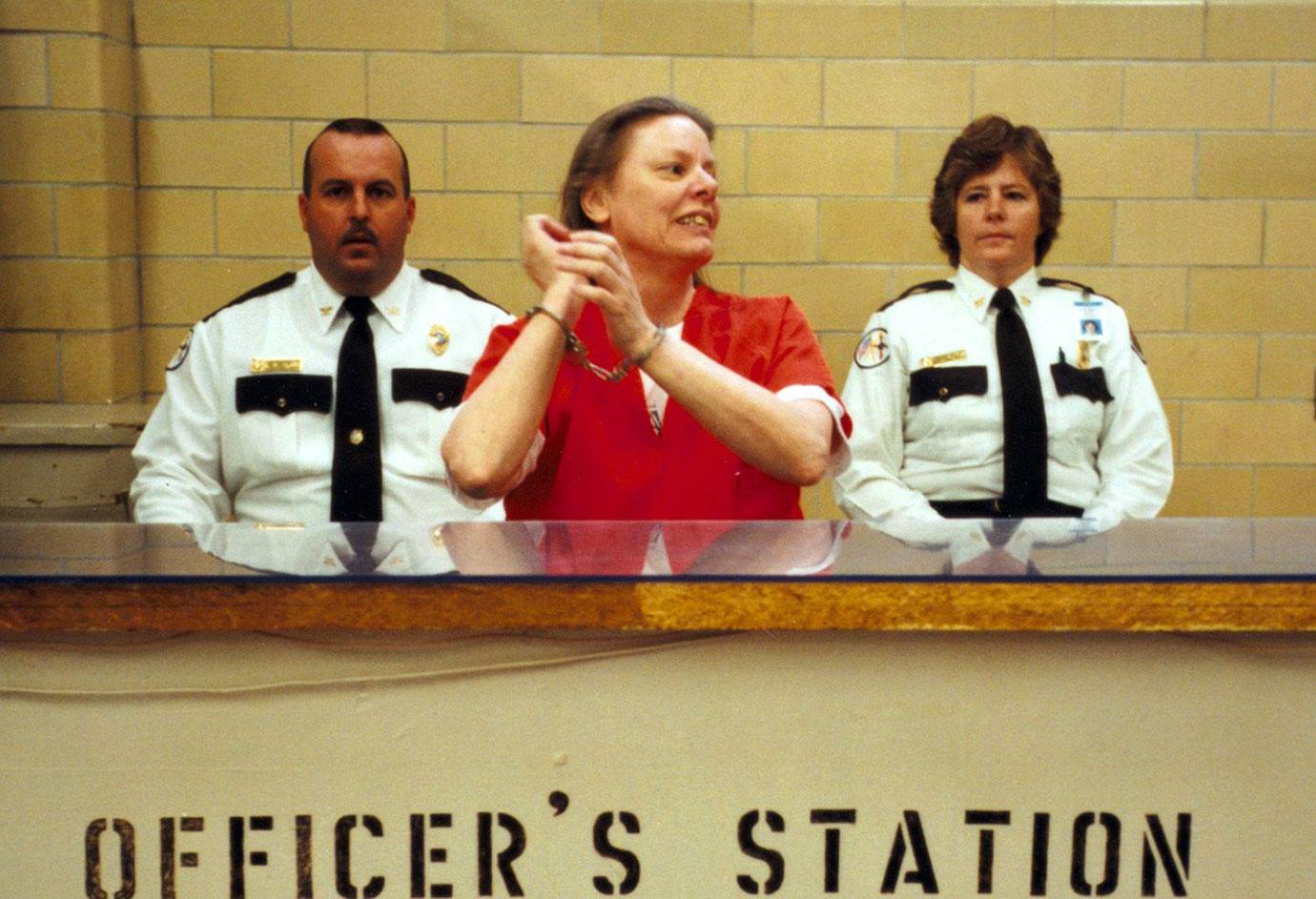
Nick Broomfield’s 1992 documentary, Aileen Wuornos: The Selling of a Serial Killer, serves as a seminal investigation into the intersection of true crime, legal ethics, and the commodification of human tragedy. By examining the media circus surrounding Wuornos’s trial and the desperate efforts of those around her to profit from her story, the film exposes how the justice system and the press collaborate to transform a deeply troubled individual into a profitable cultural icon.
The Context of the Investigation
In the early 1990s, Aileen Wuornos became the focus of intense national scrutiny after she was arrested for the murders of seven men in Florida. While the legal proceedings were ongoing, an extraordinary phenomenon emerged: the scramble for the "rights" to her life story. Journalists, family members, and legal defense teams were not merely documenting the case; they were actively shaping the narrative to ensure maximum commercial viability.
Nick Broomfield, a filmmaker known for his observational and often confrontational style, arrived in Florida to investigate not just the murders, but the environment that facilitated the creation of "Aileen Wuornos" as a media product. His documentary reveals a landscape where defense attorneys, potential biographers, and even relatives treated the impending execution of a human being as a lucrative business opportunity.
The Mechanics of the "Selling"
The title of the film is a literal description of the events surrounding the defense and public perception of Wuornos. The documentary highlights three distinct ways in which her narrative was commercialized:
- Legal Opportunism: The film captures the internal politics of the legal team. There were significant conflicts between various lawyers, some of whom seemed more concerned with securing book deals or exclusive interview rights than with providing a robust defense.
- The Media Feeding Frenzy: Tabloid journalism and mainstream outlets engaged in a race to secure exclusive access. By offering financial incentives or promises of fame, these entities influenced the testimony and public image of the accused.
- The Exploitation of Personal Ties: Perhaps most chilling is the documentary's portrayal of how acquaintances and family figures attempted to trade on their proximity to the case. This included the adoption of Wuornos by Arlene Pralle, who viewed the relationship through a lens of both religious fervor and potential financial gain.
Key Players and Their Roles
Understanding the impact of the film requires looking at the individuals who populated the periphery of the trial. These figures are not just supporting cast members; they represent the systemic exploitation of a vulnerable and mentally unstable woman.
- Arlene Pralle: A wealthy Florida woman who famously adopted Wuornos. The film investigates whether this adoption was a sincere act of altruism or an attempt to insert herself into a high-profile case for notoriety.
- The Defense Attorneys: The documentary exposes the fractured nature of the legal representation. The infighting and the competition for control over the "Wuornos rights" create a backdrop of institutional failure.
- The Media Representatives: Journalists in the film are shown blurring the line between reporting and participating. By paying for access, they become active agents in the story rather than objective observers.
Comparison of Ethical Perspectives
The documentary forces the viewer to confront the moral complexities of the true-crime genre. The table below outlines the conflicting interests that shaped the coverage of the case.
| Stakeholder | Primary Interest | Ethical Conflict |
|---|---|---|
| Legal Counsel | Winning the case / Financial gain | Divided loyalties; prioritization of media rights over client welfare. |
| Media Outlets | High ratings / Story exclusivity | Financial incentives for witnesses and subjects skew reality. |
| Family/Associates | Notoriety / Financial compensation | Use of proximity to a tragedy for personal advancement. |
| The Public | Consumption of "True Crime" | Normalizing the exploitation of real human suffering for entertainment. |
The Impact of Mental Health and Socioeconomic Status
A recurring theme in the film is how Wuornos's background made her the perfect "product." Her history of abuse, homelessness, and sex work provided a narrative framework that the media could easily package into a sensationalist story.
Broomfield does not explicitly diagnose Wuornos, but the documentary makes it clear that the legal system failed to account for her psychological state. Instead, the focus remained on the "villain" archetype. This simplification allowed the media to sell the story of a "monster" rather than investigating the societal failures that contributed to a life of violence. The film argues that if Wuornos had been viewed as a human being in need of psychiatric intervention rather than a commodity to be sold, the trajectory of her legal case might have been fundamentally different.
Examining the "True Crime" Genre in 2026
Looking back at the documentary from 2026, it is clear that The Selling of a Serial Killer was ahead of its time. The issues it raised—such as the ethics of payment for interviews and the commodification of trauma—are now central to the ongoing debate surrounding modern true-crime podcasts and streaming documentaries.
The documentary remains a primary text for media ethics students. It demonstrates that the "selling" of a serial killer is not a singular event that ended with Wuornos's execution in 2002. Rather, it is a persistent industry pattern where the human element is stripped away to satisfy the audience's hunger for dark, narrative-driven content.
Troubleshooting the Narrative: How to View the Documentary Critically
When watching this documentary today, it is helpful to follow a critical framework:
- Identify the Filmmaker's Bias: Broomfield is an active participant. Notice when he forces his subjects into uncomfortable realizations. Ask yourself if his presence changes the behavior of those he interviews.
- Separate Fact from Spectacle: Look for the moments where the film focuses on the actual legal facts and contrast them with the moments of high emotional drama.
- Evaluate the Sources: Consider the credibility of the individuals being interviewed. Are they seeking to clarify the truth, or are they attempting to rehabilitate their own image?
- Consider the Timeline: Remember that the documentary was filmed while the case was still evolving. It is a snapshot of chaos, not a reflective historical retrospective.
FAQ: Understanding the Legacy of the Documentary
1. Is The Selling of a Serial Killer a balanced account of Aileen Wuornos's crimes? No. The film is not a standard investigative report on the murders themselves; it is a critical look at the media and legal circus that surrounded the trial. Its focus is on the industry of "true crime" rather than the forensic details of the case.
2. Why was this documentary significant in the history of the genre? It pioneered the reflexive documentary style, where the filmmaker’s journey to uncover the truth becomes part of the narrative. It exposed the "dirty business" of journalism and law, setting a precedent for how future filmmakers would critique the exploitation of criminal subjects.
3. Does the film try to exonerate Aileen Wuornos? The film does not attempt to prove her innocence. Instead, it highlights the lack of care for her mental health and the blatant manipulation of her situation by those who stood to profit from her infamy. It shifts the gaze from the crimes to the systemic corruption surrounding the trial.
4. How can I verify the historical facts presented in the documentary? While the film is a primary source for the atmosphere of the 1992 proceedings, it should be supplemented by reading official court transcripts and trial records. Many of these are accessible through Florida state legal archives, which provide a dry, objective contrast to the film's sensational content.
5. What is the takeaway regarding modern true crime? The main takeaway is that the consumer of true crime bears a level of responsibility. The "selling" of a killer only succeeds if there is a market for it. The film encourages viewers to be more skeptical of narratives that feel overly produced or centered on the personality of the perpetrator.
Recommended Next Steps for Researchers
If you are interested in exploring this topic further, your next step should be to consult the archival records of the 10th Judicial Circuit Court of Florida. Reviewing the original case filings will provide the necessary legal grounding to contrast with the theatrical elements seen in Broomfield's work.
Furthermore, comparing this documentary to later works—such as the 2003 follow-up Aileen: Life and Death of a Serial Killer—provides a comprehensive view of how the perception of Wuornos shifted over the decade leading up to her execution. By combining observational cinema with historical legal data, you can build a robust understanding of how a complex human tragedy is transformed into a media commodity.