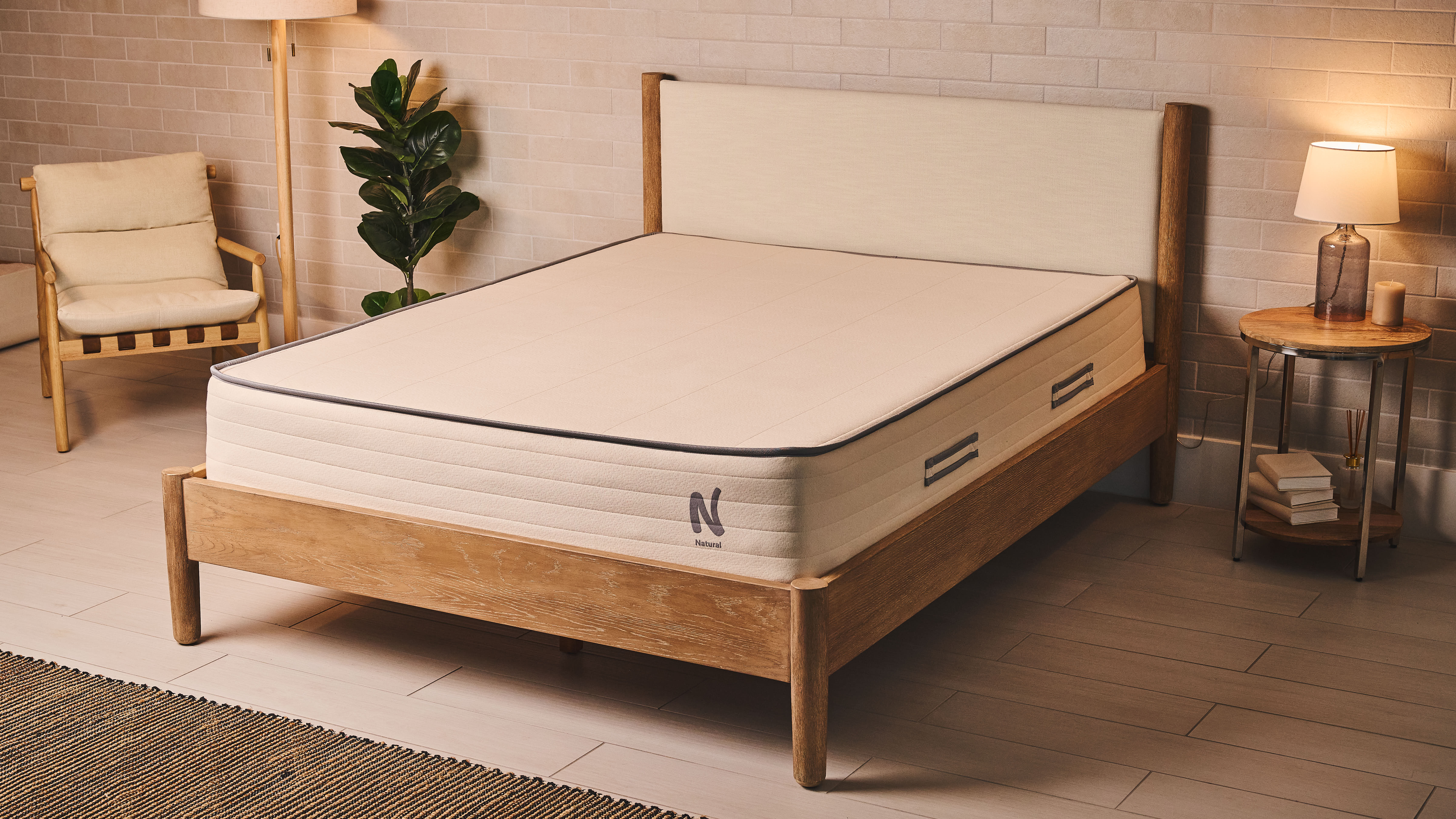
Finding an affordable organic mattress requires balancing strict material standards with practical cost-saving strategies. While "organic" often implies a premium price point, consumers can secure high-quality, non-toxic sleeping surfaces by focusing on independent certifications, direct-to-consumer business models, and strategic purchasing timing, ensuring that better sleep quality does not necessitate excessive financial strain.
Understanding Organic Mattress Standards
The term "organic" is frequently misused in marketing, leading to confusion for shoppers. To identify a truly organic mattress, you must look for specific global certifications that verify the supply chain and manufacturing process. A mattress cannot be called "organic" unless its individual components—primarily cotton, wool, and latex—have been certified to meet rigorous environmental and social criteria.
The Global Organic Textile Standard (GOTS) is the worldwide leading textile processing standard for organic fibers. When a mattress cover or internal batting is GOTS-certified, it ensures the raw materials were grown without synthetic pesticides or fertilizers and that the processing meets strict ecological and toxicological criteria. Similarly, the Global Organic Latex Standard (GOLS) applies specifically to natural rubber, ensuring the latex is harvested sustainably and processed without harmful chemical additives.
When shopping, be wary of terms like "natural" or "eco-friendly." These are marketing labels that lack legal definitions in many jurisdictions. If a manufacturer cannot provide a certificate number from an accredited third-party organization, the product may contain conventional foams or chemical fire retardants, even if it is marketed as a green alternative.
The Components of a Lower-Cost Organic Bed
Affordability in the organic bedding sector is often achieved by simplifying the mattress design. A standard "deluxe" organic mattress might feature complex internal configurations, such as multiple comfort layers, zoned support systems, and hand-tufted edges. While these features add comfort and durability, they also significantly increase the manufacturing cost.
To find an affordable model, prioritize the core materials:
- Natural Latex: Often the most expensive component. Look for "Dunlop" latex, which is denser and generally less expensive to produce than the lighter "Talalay" variety.
- Organic Cotton: Used for the cover and internal quilting. It is highly breathable and standard in nearly all organic models.
- Organic Wool: Acts as a natural flame retardant. By using a sufficient amount of wool as a fire barrier, manufacturers avoid the need for chemical flame retardants, which are both toxic and costly to develop and test.
By opting for a firmer, simpler construction—such as a single slab of natural latex wrapped in wool and cotton—you can significantly reduce the price while maintaining the benefits of a non-toxic sleep environment.
Comparison of Organic Mattress Value Factors
| Feature | Premium Organic Mattress | Affordable Organic Mattress |
|---|---|---|
| Latex Type | Talalay (or blended) | Dunlop (solid core) |
| Coil Count | High-density pocketed coils | Simple base or solid latex |
| Assembly | Hand-tufted, multi-layer | Machine-stitched, streamlined |
| Customization | Flip-side firmness, dual zones | Universal or single-sided firmness |
| Durability | 20+ years (with care) | 10–15 years |
Strategies for Reducing Costs
Beyond selecting a simpler design, consumers can use several purchasing strategies to lower the out-of-pocket expense for an organic mattress.
Direct-to-Consumer (DTC) Brands
The traditional retail model involves high overhead costs, including store leases, commissions, and shipping intermediaries. DTC brands ship directly from the factory to your door. By cutting out the middleman, these companies often provide organic products at 30% to 50% less than traditional luxury retailers. In 2026, the online organic mattress market is highly competitive, which further forces companies to keep prices lean to maintain market share.
Timing and Seasonal Sales
While mattresses are large, non-perishable goods, they are subject to major promotional cycles. Holidays such as Presidents' Day, Memorial Day, July 4th, Labor Day, and Black Friday remain the standard windows for deep discounting in the mattress industry. Additionally, many organic mattress companies offer "bundle" deals where purchasing a bed frame or pillows alongside the mattress results in a significant discount on the total transaction.
Refurbished or "Open Box" Items
Some reputable organic mattress retailers operate outlet sections on their websites. These items are often returns from customers who utilized a 100-night trial period but found the firmness level unsuitable. These mattresses are typically inspected, sanitized, and re-certified before being sold at a substantial discount.
Potential Pitfalls and Troubleshooting
When seeking a lower-priced organic mattress, it is easy to fall into the trap of "greenwashing." Always verify that the company has a physical presence and an active customer service line. If a website is filled with generic stock photography and lacks specific information about the origins of its latex (such as stating it is sourced from certified plantations in Sri Lanka or India), exercise caution.
Another common mistake is ignoring the importance of the bed base. An organic mattress, particularly those made of heavy latex, requires a breathable foundation. If you place a natural material mattress on an solid, non-breathable platform, moisture can become trapped, potentially leading to mold or mildew growth. While you are trying to save money on the mattress, ensure you have a slatted base that allows for airflow. If you are on a strict budget, a simple wood-slatted frame is often superior to an expensive, solid-surface upholstered box spring.
Frequently Asked Questions
Are "affordable" organic mattresses as durable as expensive ones? Generally, an affordable organic mattress made of high-quality latex will be just as durable as a more expensive model. The price difference usually reflects luxury aesthetic features, such as silk covers, customizable zones, or hand-stitching, rather than the longevity of the core materials.
Does an organic mattress really improve sleep quality? The improvement is subjective but often noted by people with chemical sensitivities. Organic mattresses omit synthetic foams and volatile organic compounds (VOCs). If you experience respiratory irritation or headaches in a bedroom with standard polyurethane foam, switching to natural materials can lead to a more restorative, uninterrupted sleep.
What is the minimum I should expect to spend in 2026? For a high-quality queen-sized organic mattress, "affordable" usually sits in the $1,200 to $1,800 range. Anything significantly lower than this should be scrutinized for the authenticity of its certifications, as sourcing and processing organic latex and wool are inherently expensive processes.
Can I use a financing plan for an organic mattress? Yes, most major online mattress companies offer 0% APR financing through third-party services. While this helps with cash flow, ensure you review the terms of the lending agreement to avoid high interest rates if the promotional period expires before the balance is paid.
Do I need a special protector for an organic mattress? You should use a GOTS-certified organic cotton mattress protector. Using a plastic or polyester protector defeats the purpose of buying an organic mattress, as you will be sleeping on synthetic materials that trap heat and moisture, negating the breathability of the organic materials beneath.
Final Recommendation
To maximize your budget while prioritizing health, start by creating a list of three reputable brands that hold valid GOTS and GOLS certifications. Monitor their websites for promotional periods, and prioritize a "universal" firmness model that utilizes a solid Dunlop latex core. This combination offers the highest probability of obtaining a safe, durable product without paying for unnecessary luxury extras. Before finalizing your purchase, confirm the returns policy to ensure you have at least 90 days to test the mattress in your home environment, as the "feel" of natural materials like latex can differ significantly from traditional spring or memory foam mattresses.