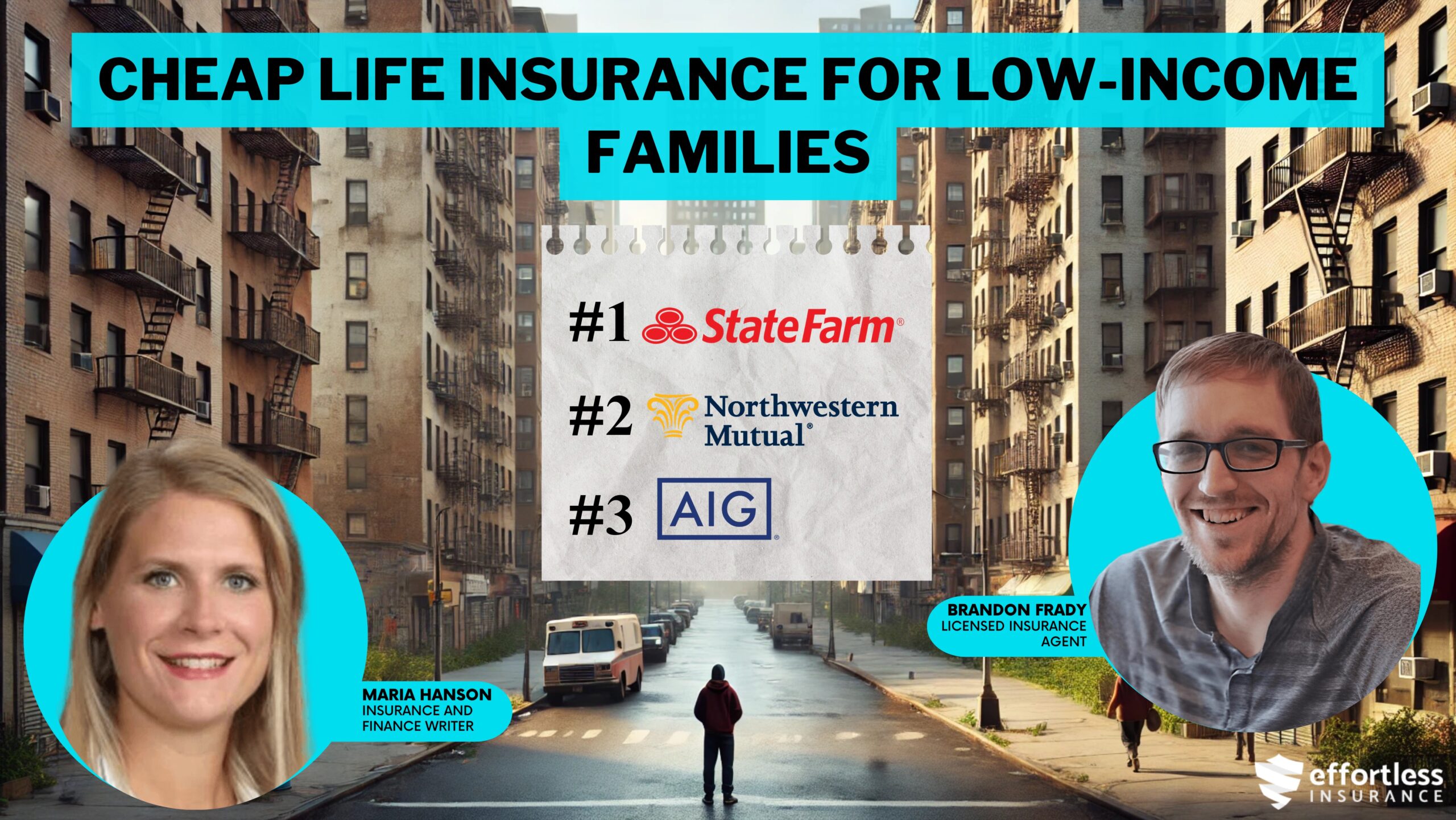
Finding affordable life insurance in Hudson, Florida, requires a balance between assessing your personal financial obligations and understanding how regional factors—such as Florida’s specific insurance regulations and the local cost of living—impact your premium rates. Securing the right coverage involves evaluating your specific coverage needs, comparing policy types, and navigating the underwriting process to ensure you obtain a plan that fits your budget without compromising long-term financial security for your beneficiaries.
Understanding Life Insurance Needs in the Florida Context
Life insurance is not a one-size-fits-all product; it is a risk-management tool designed to replace income, cover final expenses, or provide a legacy for dependents. In Hudson, residents face a unique intersection of Florida-specific regulatory environments and individual economic circumstances. Because Florida does not have a state income tax, your financial planning relies heavily on personal savings and insurance vehicles to protect your family's standard of living.
When seeking affordable premiums, the first step is determining the appropriate amount of coverage. A common rule of thumb is to secure a death benefit that is 7 to 10 times your annual income. However, in Hudson, you should also account for localized debts, such as mortgage balances, and future education costs for your children. If you are shopping for coverage in 2026, keep in mind that inflation and the current cost of living have shifted how much a death benefit needs to cover to maintain a specific lifestyle.
Term Life vs. Permanent Life Insurance: Choosing the Right Path
The most significant driver of "affordability" in the life insurance industry is the structure of the policy you choose. For most residents looking for the most cost-effective solution, term life insurance is the primary recommendation.
Term Life Insurance
Term insurance provides coverage for a specific period—typically 10, 20, or 30 years. Because it provides a death benefit only if the policyholder passes away during that timeframe, it is significantly cheaper than permanent insurance. If you are in your 30s or 40s, a 20-year term policy can provide substantial coverage at a locked-in rate, offering peace of mind while your children are growing or your mortgage is being paid down.
Permanent Life Insurance
Permanent options, such as Whole Life or Universal Life, include a cash-value component and remain in effect for your entire life, provided premiums are paid. While these are often marketed as investments or wealth-transfer vehicles, the premiums are substantially higher than term insurance. For those prioritizing affordability in Hudson, permanent life insurance is rarely the first choice unless you have specific estate planning needs or seek a tax-advantaged way to build cash value.
Factors That Influence Your Premiums in Florida
Insurance carriers use complex actuarial tables to determine how much risk you present as an applicant. While your location in Hudson, FL, does not directly dictate your rate—unlike homeowners insurance, which is heavily influenced by geography and hurricane risk—your lifestyle and health profile are the deciding factors.
- Age: The younger you are when you apply, the lower your premiums. Locking in a rate in 2026 is mathematically advantageous compared to waiting until 2030 or later.
- Health History: Conditions such as high blood pressure, diabetes, or a history of tobacco use will increase your premiums. Carriers may require a paramedical exam to verify your status.
- Occupation and Hobbies: If you participate in high-risk hobbies (such as skydiving or scuba diving) or work in hazardous environments, your risk profile increases.
- Family Medical History: Insurers look at hereditary conditions to predict potential long-term health outcomes.
Steps to Evaluate and Apply for Coverage
Securing an affordable policy is a methodical process. Following these steps ensures you don't overpay for coverage that doesn't meet your needs.
1. Identify Your Financial Gap
List your total liabilities, including your mortgage, personal loans, and credit card debt, and add the desired amount for your family's future needs. This total represents the death benefit amount you should seek.
2. Shop Multiple Carriers
Do not rely on a single quote. Use a combination of independent brokers and direct-to-consumer websites to compare quotes for the same coverage amount and term duration. In Florida, ensure the companies you compare are licensed through the Florida Office of Insurance Regulation (FLOIR).
3. Review the "Free Look" Period
Florida law mandates a "free look" period for life insurance policies, usually 14 to 30 days. This allows you to review the policy in detail after purchasing. If the terms are not what you expected, you can cancel and receive a full refund of your premium.
4. Optimize for Underwriting
If you are in good health, applying for a policy that requires a medical exam often results in lower premiums than "simplified issue" or "guaranteed issue" policies. If you have significant health issues, however, these alternative policies might be your only route to coverage.
Comparison of Policy Features
| Feature | Term Life Insurance | Whole Life Insurance | Guaranteed Issue |
|---|---|---|---|
| Cost | Lowest | Highest | High |
| Duration | Fixed (10–30 years) | Lifetime | Lifetime |
| Cash Value | None | Yes | None/Low |
| Medical Exam | Usually Required | Often Required | Never Required |
| Best For | Income Replacement | Estate Planning | Hard-to-insure individuals |
Navigating Regulatory Protections in Florida
When purchasing life insurance in Hudson, you are protected by the Florida Life and Health Insurance Guaranty Association (FLAHIGA). This entity exists to provide a safety net if your insurance company becomes insolvent. While you should prioritize financially stable, highly-rated carriers, knowing that this protection exists provides an additional layer of security for policyholders in the state.
Always verify an agent or company’s credentials through the Florida Department of Financial Services licensee search. This prevents the risk of dealing with unlicensed entities that may offer "too good to be true" rates that do not provide legitimate coverage.
Common Mistakes to Avoid
- Underestimating Coverage Needs: Buying the minimum amount to save money can leave your family vulnerable. Always calculate your needs based on actual debt and future goals.
- Waiting Too Long: Life insurance is never cheaper than it is today. Procrastinating until you have health issues will result in significantly higher premiums or denial of coverage.
- Failing to Disclose Information: During the application, be 100% honest. If you fail to disclose a pre-existing condition or smoking habit, the insurer may deny a future death benefit claim, leaving your beneficiaries with nothing.
- Choosing Based Only on Price: While you want an affordable policy, ensure the company has a strong financial strength rating (such as those from A.M. Best or Moody’s) to ensure they will be able to pay the claim decades from now.
Frequently Asked Questions
1. Does my zip code in Hudson affect my life insurance rates? Generally, no. Unlike auto or homeowners insurance, life insurance premiums are based primarily on your age, gender, health, and lifestyle, rather than your specific physical address or regional climate risks.
2. Is it better to get insurance through my employer or independently? Employer-provided insurance is often affordable or free, but it usually isn't enough and is rarely portable. If you change jobs, you lose the coverage. Purchasing an individual policy ensures your coverage remains constant regardless of employment changes.
3. What happens if I stop paying my premiums? In most cases, your policy will lapse and you will lose your coverage. With permanent life insurance, you may have "non-forfeiture" options depending on your cash value, but term policies generally end once the grace period for payment expires.
4. Can I get life insurance if I have a pre-existing health condition? Yes. Even with health conditions, you can often qualify for coverage. You may pay "rated" premiums (higher than standard) or be directed toward "guaranteed issue" plans that do not require medical exams.
5. How often should I re-evaluate my life insurance needs? You should review your coverage every 3 to 5 years, or whenever you experience a major life event, such as marriage, the birth of a child, purchasing a home, or receiving a significant salary increase.
Next Action: Obtaining a Quote
To move forward, start by gathering your financial documents—specifically, records of your annual income and total outstanding debts. Once you have a clear picture of your obligations, use an independent broker to run quotes from at least three different A-rated insurance carriers. Focus on obtaining quotes for a 20-year term policy to start, as this provides a baseline for affordability. Once you receive your quotes, review the policy declarations carefully to ensure the death benefit matches your calculations before committing to an application.