Analyzing advanced foundation repair reviews helps homeowners navigate complex structural engineering claims, evaluate contractor credibility, and select permanent stabilization systems for sinking, shifting, or cracking foundations. When evaluating contractor performance and proprietary steel pier or helical anchor systems, property owners must look beyond surface-level star ratings to examine engineering credentials, warranty transferability, and the underlying geology causing structural failure.
Understanding Advanced Foundation Repair Systems
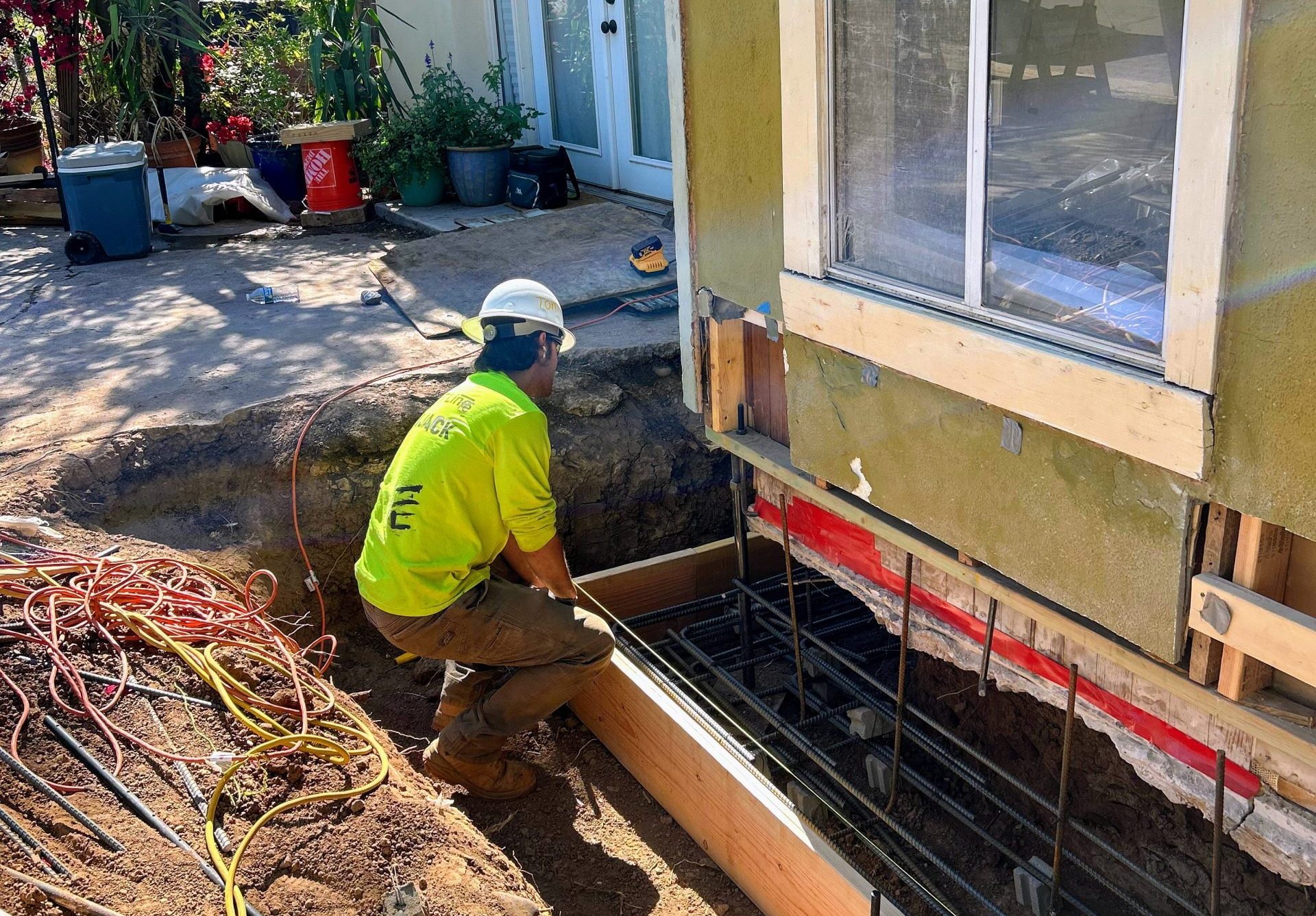
Foundation repair has evolved from simple cosmetic patching and concrete mudjacking into a sophisticated engineering discipline. Traditional approaches often focused solely on lifting sunken concrete slabs or filling visible wall cracks without addressing the underlying soil mechanics. Advanced foundation repair encompasses engineered stabilization methods designed to transfer the immense load of a residential or commercial structure down to competent load-bearing strata or bedrock.
When reading contractor reviews, homeowners frequently encounter specialized technical terminology. Differentiating between these methods is critical for interpreting whether a past customer’s positive or negative experience applies to their specific structural issue.
Common Advanced Stabilization Technologies
- Resistance Piers (Push Piers): Heavy steel columns driven hydraulically into the earth until they reach stable load-bearing soil or rock, utilizing the building's structural weight for reaction force.
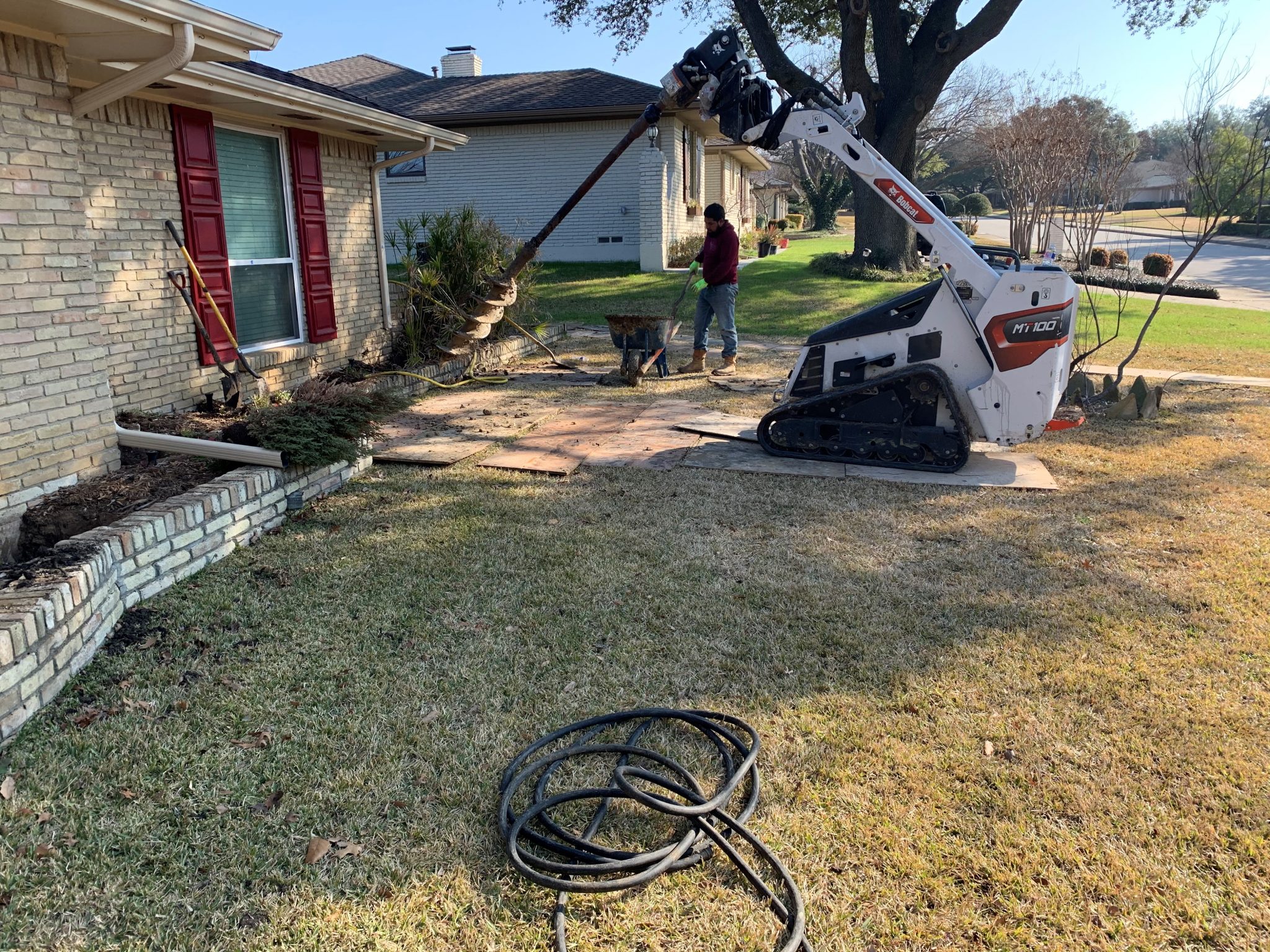
- Helical Piers: Steel shafts with welded helical plates (screw-like blades) that are twisted deep into the ground using specialized torque motors, ideal for lighter structures, porches, and new construction or remedial anchoring.
- Carbon Fiber Straps: High-tensile strength fabrics epoxy-bonded to bowed or cracked concrete basement walls to prevent further inward movement. While not a lifting mechanism, it is a primary structural stabilization technique.
- Polyurethane Foam Injection (Polyjacking): High-density polymers injected beneath sunken slabs to expand, fill voids, and lift concrete back to grade without heavy excavation.
How to Analyze Contractor Performance Through Reviews
Online review platforms provide a wealth of data, but raw star averages can be misleading. A contractor with a 4.9-star rating across 500 reviews may specialize primarily in minor waterproofing or concrete lifting rather than complex structural pier installations. To extract genuine value from advanced foundation repair reviews, property owners must evaluate feedback through specific technical and operational criteria.
Key Evaluation Metrics in Customer Feedback
- Engineering Oversight: Look for mentions of third-party structural engineers, load calculations, and adherence to local building codes. Top-tier contractors employ or partner with licensed professional engineers (PE) to design repair plans.
- Crew Professionalism and Execution: Foundation repair is inherently disruptive. Reviews should detail crew punctuality, site cleanliness, protection of landscaping, and adherence to safety protocols during heavy excavation.
- Long-Term Performance: Prioritize reviews written several years after the initial installation. A review left one week after pier installation indicates little about whether the system will hold up through multi-year seasonal soil expansion and contraction.
- Warranty Honor and Customer Service: Examine how companies respond when secondary adjustments are needed. Because shifting soils can cause minor post-installation shifts, the true test of a foundation contractor is how seamlessly they honor their service agreements.
Comparative Analysis of Foundation Repair Solutions
To help contextualize what reviewers report about different methodologies, the following table compares the primary advanced foundation repair systems based on structural application, disruption level, and typical performance characteristics.
| Repair Method | Primary Application | Level of Excavation | Typical Lifting Capability | Reviewer-Reported Durability |
|---|---|---|---|---|
| Steel Push Piers | Heavy structural settling, multi-story brick homes | Moderate to High (exterior bracket placement) | Excellent (can lift structure back toward original grade) | High, provided they reach competent bedrock. |
| Helical Piers | Lighter structures, porches, chimneys, varying soil depths | Moderate (excavation around footing) | Good (effective for stabilization and moderate lifting) | High, excellent torque resistance tracking. |
| Carbon Fiber Straps | Bowed, shearing, or cracked basement foundation walls | Low (interior wall preparation and epoxy bonding) | None (stabilization only; does not straighten walls) | High for crack arrest; cosmetic straightening requires additional systems. |
| Polyurethane Injection | Sunken concrete slabs, driveways, sidewalks, interior floors | Minimal (small dime-sized drill holes) | Moderate (raises slabs via expansion) | Moderate to High, depending on sub-base compaction. |
Red Flags in Foundation Repair Reviews
When reading testimonials, complaints, or independent contractor evaluations, certain recurring patterns should act as immediate warning signs. Advanced structural repairs involve significant capital investment, and overlooking procedural shortcuts can lead to catastrophic property damage.
Warning Signs to Watch For
- High-Pressure Sales Tactics: Reviews that mention immediate, expiring discounts if the homeowner signs on the spot often correlate with inflated base pricing and rushed engineering assessments.
- Lack of Itemized Engineering Scopes: If past clients report that sales representatives diagnosed complex structural failures without taking laser elevations, soil samples, or consulting structural blueprints, proceed with caution.
- Exclusions in Warranty Coverage: Negative reviews frequently highlight hidden clauses where the company voids warranties due to "acts of nature," minor plumbing leaks, or failure to maintain exterior drainage.
- Subcontractor Turnover: Discrepancies between the brand name on the truck and the actual crew performing the work can indicate poor quality control and finger-pointing if issues arise later.
Verifying Contractor Credentials and Engineering Standards
Before signing a contract based on positive reviews, homeowners must independently verify the technical and legal standing of the foundation repair company. Customer testimonials alone cannot substitute for objective credentials.
- Licensing and Insurance: Ensure the contractor holds a valid structural repair or general contractor license specific to your jurisdiction, alongside comprehensive general liability and workers' compensation insurance.
- Manufacturer Certifications: Many advanced systems (such as helical or push piers) are proprietary products manufactured by national networks. Verify that the installing contractor holds active certification from the manufacturer.
- Engineering Sign-Off: For major structural interventions, request that a registered structural engineer review and stamp the installation plan, ensuring compliance with local soil conditions and seismic or frost-line requirements.
Frequently Asked Questions About Advanced Foundation Repair
How long do advanced foundation repair systems typically last?
Engineered steel push piers and helical piers are designed to last the lifetime of the structure, often outliving the building itself. Because they transfer the load down to stable, unyielding geological strata, they permanently resolve settling issues when installed correctly.
Do foundation repairs always completely straighten bowed basement walls?
Not necessarily. While systems like steel I-beams or carbon fiber straps permanently stabilize bowed walls to prevent further inward movement, they do not always return the wall to a 100% plumb vertical position without supplementary excavation and external straightening techniques.
Are foundation repair warranties transferable to new homeowners?
Many reputable foundation repair companies offer transferable warranties, which can significantly enhance a property's resale value. However, homeowners must verify whether a transfer fee applies and if the transfer must be registered with the company within a specific timeframe following the real estate closing.
What causes foundation failure most frequently?
Foundation movement is most commonly driven by moisture fluctuations in expansive clay soils. Soils swell significantly when saturated and shrink dramatically during droughts, creating a continuous cycle of movement that undermines footings and exerts hydrostatic pressure against basement walls.
Recommended Next Actions for Homeowners
If you are currently evaluating contractors based on advanced foundation repair reviews, begin by obtaining at least three independent estimates from companies that employ certified structural specialists rather than commission-based sales representatives. Request detailed, itemized engineering proposals, verify local licensing, and ask for references from projects completed at least three to five years prior in your immediate geographic area.