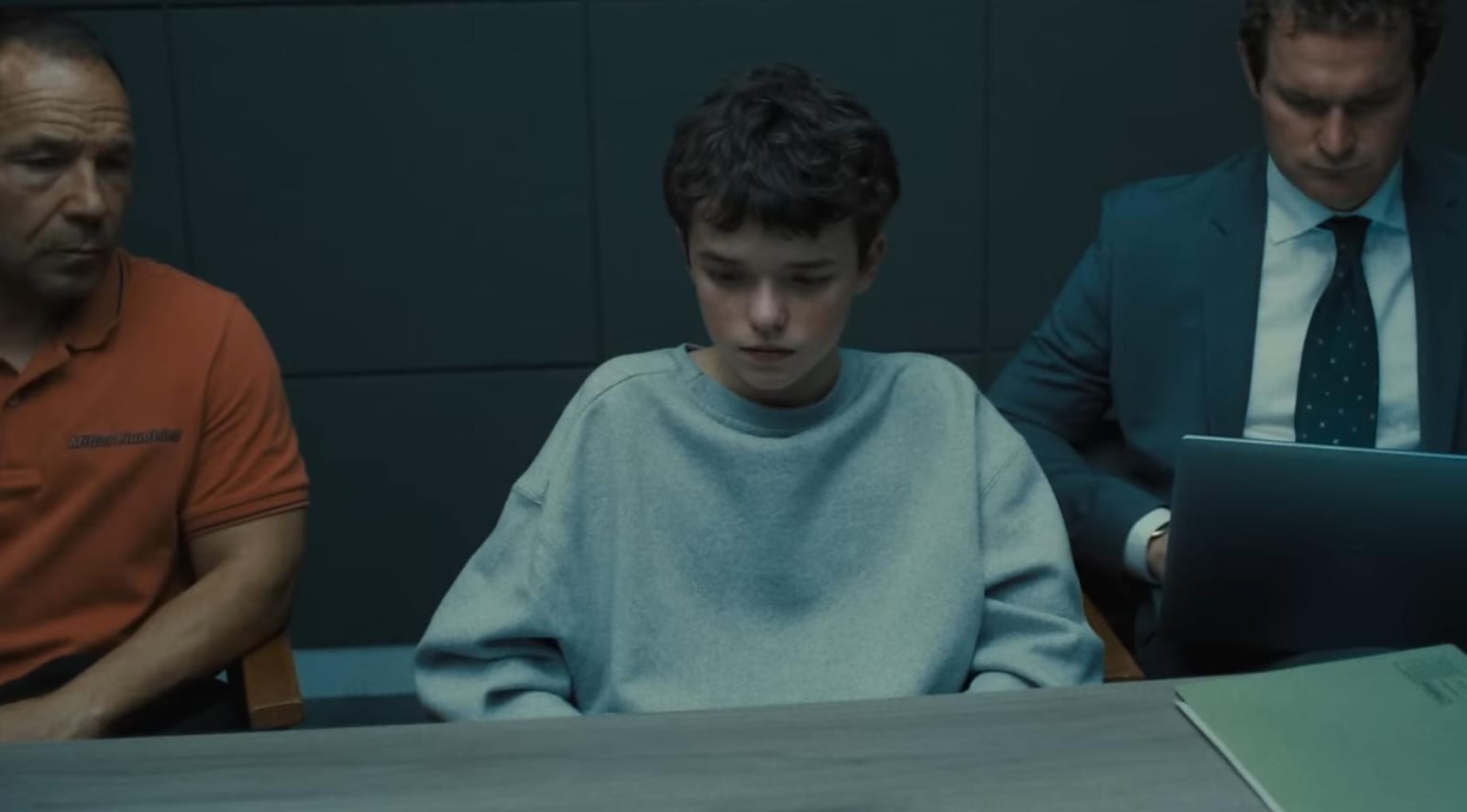
The surge in Emmy nominations for youth-focused series like Adolescence reflects a fundamental shift in how the Television Academy evaluates age-centric narratives. By 2026, the distinction between "young adult" content and "prestige drama" has largely vanished, replaced by a standard that prioritizes technical innovation, uncompromising psychological depth, and high-concept production over traditional demographic target-marketing.
The Evolution of Youth Narratives in the 2020s
For decades, television centered on teenagers was categorized into a specific silo. Whether it was the sanitized morality plays of the 1990s or the heightened soap opera energy of the 2000s, these shows were rarely considered "prestige" by Emmy voters. The standard for youth television was often based on relatability and educational value rather than cinematic excellence. However, as we look back from 2026, the landscape has undergone a radical transformation.
The shift began in earnest with the success of boundary-pushing series that refused to treat adolescence as a mere stepping stone to adulthood. Instead, these shows treated the teenage experience as a site of profound existential and social conflict. The recent Emmy nominations for the limited series Adolescence—a project that utilized a grueling "one-shot" continuous filming technique—signal that the Television Academy now views youth-centered stories as the premier testing ground for technical and narrative experimentation.
This evolution is not merely a change in taste; it is a change in the industrial logic of television production. Streaming platforms have realized that high-production-value youth dramas possess a unique "virality" that adult procedurals often lack. Consequently, budgets for these shows have ballooned, attracting top-tier talent like Stephen Graham and Jack Thorne, whose collaboration on Adolescence has set a new benchmark for what youth-focused television can achieve.
Technical Virtuosity as a Driver for Emmy Recognition
One of the primary reasons Adolescence and similar contemporary series have dominated recent Emmy discussions is their refusal to adhere to standard television aesthetics. In the 2025-2026 awards cycle, the "shifting standards" mentioned by critics refer specifically to the technical demands placed on these productions.
The "One-Shot" Revolution in Youth Drama
The series Adolescence made headlines for its ambitious use of long-take cinematography. Filming a four-part drama in a single, continuous shot (or the appearance thereof) is a feat usually reserved for high-concept films like 1917 or Birdman. By applying this technique to a story about a 13-year-old caught in the criminal justice system, the creators forced the audience into an unrelenting proximity with the protagonist’s internal state.
From an Emmy standpoint, this technical bravado bridges the gap between the "Creative Arts" categories and the "Primetime" categories. Voters are no longer just looking at the performance of the young actors; they are looking at the choreography between the camera, the sound design, and the ensemble. This has led to a shifting standard where youth television is now expected to deliver the highest levels of technical "difficulty" to be considered for a nomination.
Sound Design and Psychological Realism
Beyond the visual, the standards for sound design in youth television have become significantly more sophisticated. Modern Emmy-nominated series utilize immersive, non-diegetic soundscapes to represent the heightened emotional sensitivity of adolescence. This move toward psychological realism—where the technical elements of the show mirror the character’s mental state—has replaced the traditional "soundtrack-heavy" approach of early 2010s teen dramas.
The Categorization Dilemma: Primetime vs. Children & Family
A significant point of contention leading into the 2026 Emmy season has been the proper categorization of shows that feature young protagonists but contain "mature" themes. The Television Academy’s restructuring of the Children & Family Emmys (CAFE) in the early 2020s was intended to provide a dedicated space for younger-skewing content. However, prestige series about adolescence often find themselves caught between two worlds.
Breaking the "Coming-of-Age" Glass Ceiling
Historically, shows about teenagers were encouraged to submit to the Children & Family categories. However, producers of high-end dramas like Adolescence and Euphoria have successfully argued that their work belongs in the Primetime Emmy Awards alongside The White Lotus or Succession. This shift in submission strategy is a calculated move toward legitimacy.
Winning a "Primetime" Emmy carries a level of industry prestige that "Children’s" awards still struggle to match. As a result, we see a trend where "Adolescence" as a subject matter is being "adultified" to fit the criteria of Primetime voters. This involves focusing on darker themes, complex legal or political subplots, and avoiding the "educational" mandates often associated with youth programming.
| Feature | Traditional Youth TV (Pre-2015) | Modern Prestige Youth TV (2025-2026) |
|---|---|---|
| Visual Style | Multi-cam or standard cinematic | Experimental (One-shot, high-contrast, VR-integrated) |
| Narrative Structure | Episodic, moral lesson per week | Serialized, high-concept, psychological thriller |
| Primary Conflict | Social acceptance, romance | Existential crisis, systemic failure, trauma |
| Emmy Target | Children & Family / Daytime | Primetime Drama / Limited Series |
| Production Budget | Moderate / Low | High (Matching adult prestige dramas) |
Narrative Complexity and the Jack Thorne Effect
The involvement of writers like Jack Thorne has been instrumental in shifting the standards of youth television. Thorne, known for his work on His Dark Materials and The Virtues, brings a specific brand of "social realism" to the table. In Adolescence, the writing doesn't patronize the young characters. Instead, it places them in high-stakes environments—police stations, courtrooms, and social services—where their age is a factor in their vulnerability, but not a limitation on their agency.
This complexity is what Emmy voters are currently rewarding. The Academy has moved away from rewarding "teen angst" and toward rewarding "character-driven tragedy." This requires a level of writing that balances the specific linguistic patterns of modern youth with the gravitas required for a serious drama.
The Portrayal of Vulnerability
In 2026, the benchmark for a Lead Actor nomination in a youth-led series is the ability to convey profound vulnerability without falling into melodrama. The performances in Adolescence are characterized by restraint. This shift away from "big" acting toward a more naturalistic, interior style is a hallmark of the new standards. It reflects a broader trend in television where "quiet" performances are being prioritized over theatricality.
Industrial Impact: Why the Shifting Standards Matter
The fact that Adolescence is competing for top-tier Emmy nominations is not just a win for the creators; it is a signal to the entire television industry. When the standards for youth television shift upward, it creates a "prestige creep" that affects casting, budgeting, and marketing.
- Casting: Producers are now looking for young actors who can handle 20-minute continuous takes, leading to a rise in theater-trained youth talent entering the television space.
- Budgeting: Networks are more willing to greenlight $10M+ per episode budgets for youth stories if they believe the project has "awards potential."
- Global Appeal: High-concept youth dramas like Adolescence (produced in the UK by Warp Films) have massive international appeal. The Emmy recognition helps these shows travel globally, proving that the experience of adolescence is a universal language when framed through a prestige lens.
Comparison of Recent Emmy Trends in Youth Drama
When analyzing the nominations over the last few years (2024-2026), several patterns emerge. The "Limited Series" category has become the primary home for these high-concept youth stories. This is likely because the intensive technical requirements (like the one-shot format) are difficult to sustain over multiple seasons.
Furthermore, there is a clear preference for stories that intersect with social justice or legal themes. The Television Academy has always favored shows with "weight," and by placing adolescents in the middle of systemic conflicts, creators are providing the necessary gravity to catch a voter's eye.
Common Mistakes in Producing "Prestige" Youth TV
Despite the success of shows like Adolescence, many projects fail to meet the shifting standards. A common mistake is "grittiness for grittiness' sake." Emmy voters have become savvy at distinguishing between authentic psychological depth and mere shock value.
Another pitfall is the failure to ground technical experimentation in the story. If a show uses a one-shot technique but the story doesn't benefit from the resulting tension, it is often viewed as a gimmick. The shifting standard requires a seamless integration of "how" the story is told with "what" the story is about.
Frequently Asked Questions
Why is the show Adolescence specifically mentioned in discussions about shifting Emmy standards?
The series Adolescence (2025/2026) is significant because of its collaboration between Stephen Graham and Jack Thorne and its use of a continuous "one-shot" filming technique. This high level of technical ambition in a show about a young protagonist challenged the Academy to treat youth drama with the same technical scrutiny as adult prestige series.
What is the difference between the Children & Family Emmys and the Primetime Emmys for youth shows?
The Children & Family Emmys typically reward content designed for younger audiences with an emphasis on age-appropriateness and education. The Primetime Emmys reward shows based on artistic and technical excellence regardless of the protagonist's age. High-concept youth dramas now almost exclusively aim for Primetime nominations to achieve higher industry status.
How has the criteria for "Best Actor" in a youth series changed by 2026?
The criteria have shifted from "charismatic relatability" to "psychological realism and technical endurance." In 2026, voters look for young actors who can handle long, unbroken scenes and complex emotional arcs that require a nuanced understanding of trauma and systemic conflict.
Do streaming platforms influence these Emmy standards?
Yes, streaming platforms like Netflix, HBO/Max, and Disney+ have shifted their strategies to favor "prestige" branding. By investing heavily in the production quality of youth shows, they have forced the Television Academy to update its standards to include these series in the main Primetime categories.
Is the "one-shot" technique becoming a standard for youth television?
While not a standard for every show, it has become a benchmark for "prestige" entries. It serves as a clear signal to award bodies that the production is aiming for a high level of cinematic difficulty, which often translates into more nominations in the directing and cinematography categories.
Practical Recommendations for Following the 2026 Emmy Season
For those tracking the impact of Adolescence and the shifting standards of youth television, it is essential to look beyond the "Big Four" categories (Actor, Actress, Drama, Comedy). The real story of these shifting standards is often found in the Creative Arts Emmy Awards, specifically in categories like:
- Outstanding Directing for a Limited Series: Look for mentions of "technical choreography" or "unbroken narratives."
- Outstanding Cinematography: Note whether the show uses unconventional aspect ratios or lighting to convey the adolescent experience.
- Outstanding Picture Editing: Even in "one-shot" shows, the hidden edits and pacing are crucial indicators of prestige quality.
As the 2026 season progresses, the success of these shows will likely depend on their ability to prove that "adolescence" is not a genre, but a complex, high-stakes lens through which the most sophisticated stories of our time can be told.