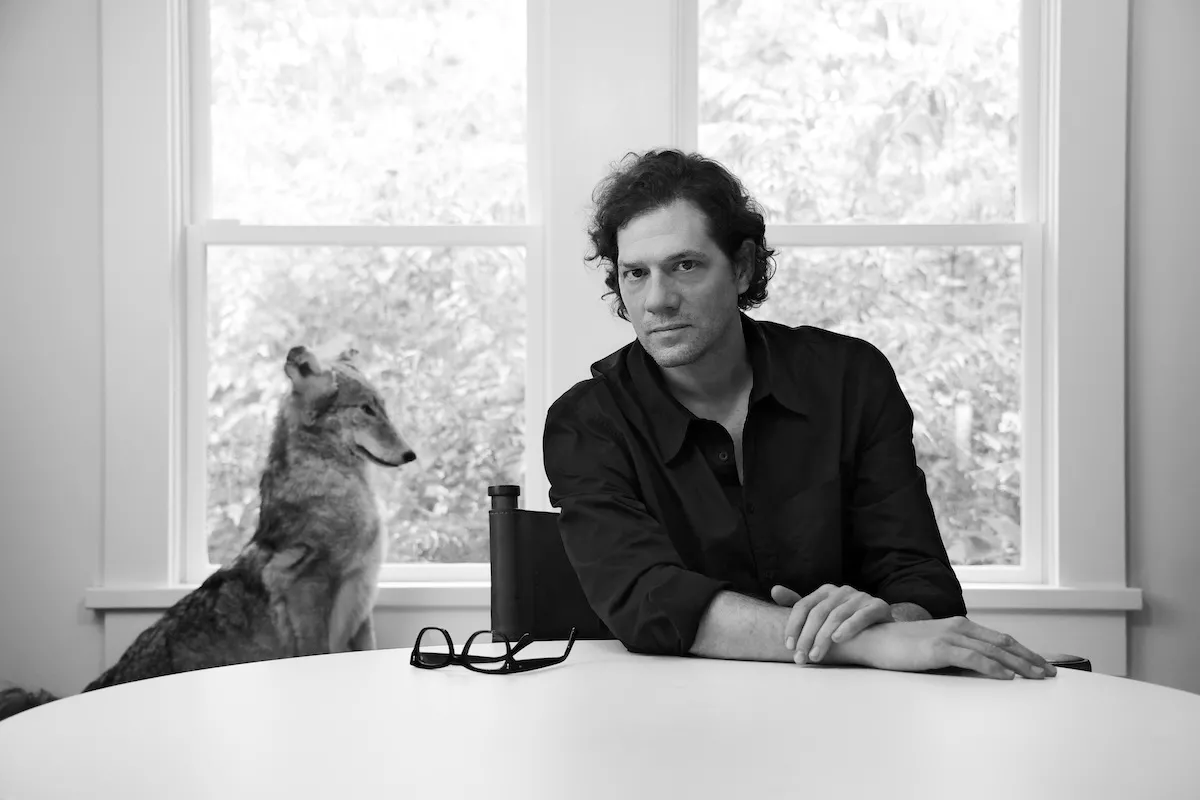
Adam Rapp occupies a distinctive place in contemporary American theater, bridging the gap between gritty, poetic realism and avant-garde staging. As a playwright, novelist, filmmaker, and director, his work consistently examines the margins of society—focusing on alienated youth, institutional failures, and the quiet tragedies of ordinary lives. His contribution to the stage of modern drama lies in his unflinching refusal to soften harsh subject matter, balanced by a lyrical, deeply empathetic sensitivity toward his characters.
To fully understand Adam Rapp's impact on modern drama, one must examine his foundational works, his stylistic evolution, his directorial methods, and his broader cultural footprint in the American theatrical landscape. This analysis explores how his unique voice has shaped contemporary playwriting and performance standards.
The Literary and Theatrical Roots of Adam Rapp
Born in Joliet, Illinois, Adam Rapp developed an early affinity for storytelling that blended Midwestern realism with stark psychological depth. Before establishing himself as a prominent theatrical voice, Rapp pursued creative writing and novelization, a background that heavily influences his dramatic structure. His plays often read like narrative fiction brought to life, characterized by rich internal monologues, vivid environmental descriptions, and deeply drawn character arcs that transcend standard theatrical archetypes.
Rapp's entry into the theatrical world coincided with a period in modern drama where traditional, well-made plays were frequently challenged by more fragmented, visceral storytelling methods. While many contemporaries leaned toward postmodern irony or metatheatrical detachment, Rapp anchored his plays in emotional sincerity. He embraced the traditions of American theatrical realism established by mid-century masters, yet updated them for a generation influenced by independent cinema, underground music, and contemporary urban isolation.
Defining Themes in Rapp’s Dramatic Canon
A rigorous examination of Rapp's oeuvre reveals several recurring thematic preoccupations. These motifs not only bind his works together but also define his specific contribution to the thematic palette of modern drama.
Marginalized Youth and Institutional Disillusionment
A significant portion of Rapp's dramatic writing centers on adolescents, runaways, and young adults struggling against indifferent or abusive systems. Plays such as Ghost Cipher, Nocturne, and Red Light Winter investigate the psychic toll of neglect. Rather than portraying youth through a lens of simplistic rebellion, Rapp captures their intellectual curiosity, raw vulnerability, and desperate search for connection.
Grief, Memory, and Isolation
Memory functions as both a sanctuary and a trap in Rapp's plays. Characters frequently find themselves paralyzed by past traumas, unable to move forward without confronting repressed grief. In Red Light Winter, which was a finalist for the Pulitzer Prize for Drama in 2006, a disastrous triangle in an Amsterdam hotel exposes the deep emotional fractures of its characters, using memory and regret as primary drivers of dramatic tension.
The Intersection of Art and Survival
Many of Rapp's characters are writers, musicians, or artists striving to articulate their pain through creative outlets. This self-reflexive element allows Rapp to explore the very nature of storytelling. Art in his plays is rarely decorative; it is an essential mechanism for survival, a way to make sense of a chaotic and often hostile universe.
Stylistic Innovations and Staging Techniques
Rapp’s impact extends beyond thematic content into technical execution. His approach to the physical stage challenges conventional design and direction.
- Environmental Realism: Rapp frequently collaborates with set designers to create hyper-detailed, claustrophobic environments that reflect the psychological states of the characters.
- Non-Linear Narrative Structures: Many of his plays utilize shifting timelines, blending subjective memory with objective reality to disorient and engage the audience.
- Poetic Vernacular: Dialogue in Rapp's plays balances raw, unvarnished colloquialisms with striking, poetic imagery, creating a stylized realism that feels both authentic and heightened.
| Play Title | Notable Premiere / Venue | Core Thematic Focus | Distinctive Staging Element |
|---|---|---|---|
| Nocturne | American Repertory Theater | Trauma, recovery, familial tragedy | Monologue-driven, minimalist set |
| Red Light Winter | Barrow Street Theatre | Love triangle, artistic ambition, regret | Intricate, cramped hotel room set |
| The Sound Inside | Studio 54 (Broadway) | Mortality, mentorship, writing | Direct-address narration, intimate staging |
Major Contributions to Broadway and Off-Broadway
While Rapp is frequently celebrated as a champion of Off-Broadway and regional theater, his work has successfully crossed over into mainstream commercial spaces without compromising its artistic integrity. His Broadway debut with The Sound Inside, starring Mary-Louise Parker, demonstrated that audiences in major commercial venues remain hungry for intellectually demanding, character-driven dramas.
Off-Broadway institutions, particularly the Rattlestick Playwrights Theater and New York Theatre Workshop, have served as crucial incubators for his work. By maintaining a foot in both experimental downtown spaces and commercial uptown houses, Rapp has helped redefine what constitutes viable commercial theater in the twenty-first century, proving that intimate, small-cast dramas can command attention alongside large-scale musical spectacles.
Directorial Vision and Collaborative Process
In addition to writing, Rapp frequently directs his own work, as well as plays by other contemporary authors. This dual role of playwright-director gives his productions a rare cohesiveness. Because he conceives the dramatic text with the physical staging already in mind, his stage directions are often integral to the narrative.
His collaborative relationships with actors are legendary within the theater community. Rapp demands a high degree of emotional exposure from performers, fostering rehearsal environments built on trust and rigorous text analysis. This approach allows actors to navigate the extreme emotional peaks and valleys characteristic of his writing without tipping into melodrama.
Comparative Overview of Modern Playwrights
To contextualize Rapp's position in modern drama, it is helpful to compare his stylistic trajectory with other prominent contemporary American playwrights who emerged around the same period.
- Neil LaBute: Known for examining moral depravity and aggressive human behavior. While LaBute often employs sharp, cynical dialogue, Rapp balances his characters' flaws with deep empathy and lyrical introspection.
- Kenneth Lonergan: Shares Rapp's interest in grief, ordinary working-class settings, and psychological realism. However, Lonergan’s plots often unfold across sprawling domestic canvases, whereas Rapp frequently utilizes compressed, intense spaces.
- Annie Baker: Employs extreme naturalism and Pinteresque pauses to explore mundane human interactions. Rapp, by contrast, favors heightened theatricality, poetic cadence, and overt emotional crises.
Pedagogical Influence and Mentorship
Beyond his output as a writer and director, Rapp has dedicated significant energy to teaching and mentoring the next generation of dramatists. Through workshops, university residencies, and artistic directorships, he has influenced numerous young writers navigating the shifting economics of modern theater. He consistently advocates for rigorous script development, patience in the writing process, and an unwavering commitment to personal artistic vision over commercial trends.
Challenges and Criticisms within Contemporary Criticism
Like many avant-garde and realism-adjacent dramatists, Rapp has occasionally faced critical debate. Some reviewers have noted that his unyielding focus on trauma, isolation, and desperation can result in an overwhelmingly bleak theatrical experience. Critics of certain works argue that the accumulation of suffering can occasionally edge toward melodrama if not anchored by sufficient narrative progression.
However, defenders and theater scholars point out that Rapp’s willingness to stare unflinchingly into the darker corners of the human psyche is precisely what gives his work its vital urgency. In an era dominated by comforting revivals and safe commercial entertainments, Rapp’s uncompromising stance keeps the contemporary stage relevant, dangerous, and emotionally vital.
Frequently Asked Questions
What is Adam Rapp best known for in modern drama?
Adam Rapp is best known for writing intensely psychological, character-driven plays that explore isolation, trauma, and redemption, most notably Red Light Winter, Nocturne, and the Tony-nominated Broadway play The Sound Inside.
How does Adam Rapp’s background in fiction influence his playwriting?
Rapp’s background as a novelist informs his dramatic writing through rich internal monologues, complex narrative structures, and deeply developed character psychology that reads with literary precision.
Is Adam Rapp primarily a Broadway playwright?
No, Rapp’s roots are firmly planted in Off-Broadway and regional theater, particularly through collaborations with institutions like Rattlestick Playwrights Theater. However, he has successfully brought intimate dramas to Broadway.
What are the recurring themes in Adam Rapp's plays?
Common themes include marginalized youth, institutional neglect, the psychological impact of grief, memory, and the role of art and writing as survival mechanisms.
Does Adam Rapp direct his own plays?
Yes, Rapp frequently serves as the director for his own theatrical productions, allowing for a seamless integration of text, staging, and psychological depth.
Conclusion and Future Outlook
Adam Rapp’s enduring legacy in modern drama rests on his ability to merge the poetic traditions of American theatrical writing with the urgent, unvarnished realities of contemporary life. By consistently refusing to dilute his vision for commercial convenience, he has set a high standard for artistic integrity in the twenty-first-century theater. As new generations of theatergoers and writers encounter his expansive canon, Rapp remains a vital anchor for a stage that values emotional truth, literary depth, and fearless exploration of the human condition.