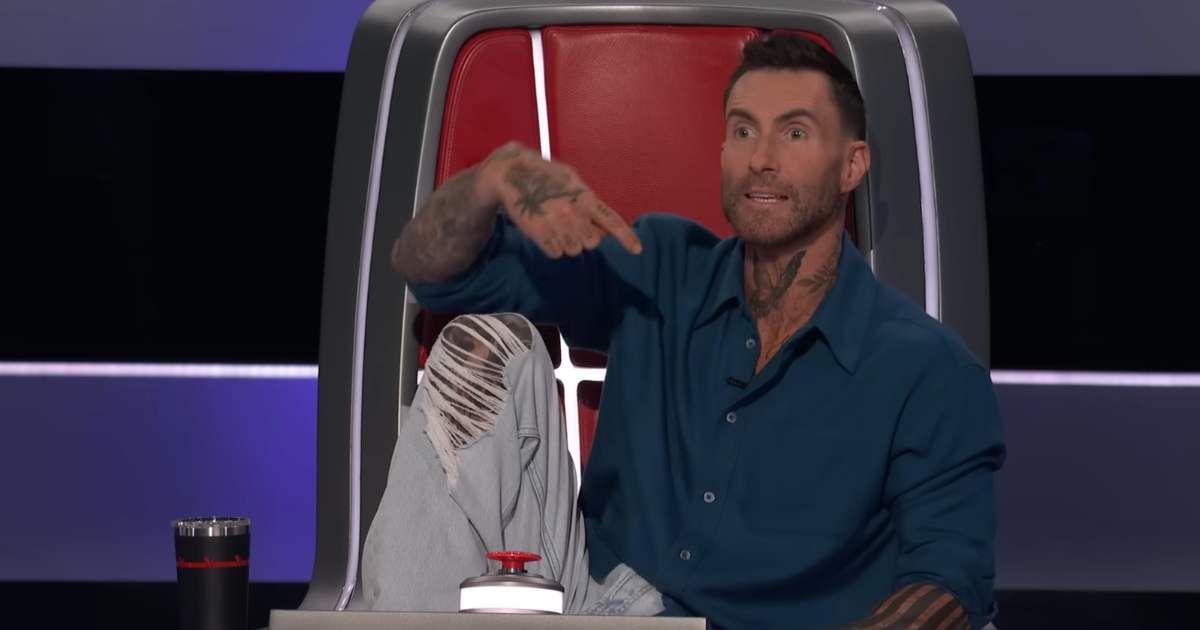
Adam Levine’s departure from NBC’s The Voice in May 2019 marked the end of an era for the hit reality singing competition, closing a chapter that began with its 2011 premiere. As one of the original coaches alongside Blake Shelton, Christina Aguilera, and CeeLo Green, Levine helped establish the show's signature dynamic, blending competitive banter with musical mentorship. His exit followed a gradual shift in his career priorities, a desire to focus on his family, and creative friction regarding the show’s production format, permanently altering the coaching lineup and the strategic direction of the series.
The Foundations of a Coaching Dynasty: Adam Levine’s Tenure on The Voice
When NBC greenlit The Voice in 2011, the network sought established, chart-topping artists who could lend immediate credibility to a format that pitted vocal talent against mainstream industry standards. Adam Levine, then at the height of Maroon 5’s commercial dominance with hits like "Moves Like Jagger" and "Payphone," brought both pop-rock royalty status and sharp competitive instincts to the red swivel chairs.
Throughout his 16-season run, Levine’s presence defined much of the show's early identity. His coaching strategy relied heavily on assembling diverse teams of indie, pop, and rock vocalists, earning him three victories as a winning coach: Season 1 with Javier Colon, Season 5 with Tessanne Chin, and Season 9 with Jordan Smith. Beyond his victories, Levine’s tenure was characterized by several operational milestones:
- Longevity: He was one of the longest-serving coaches in the franchise's history, appearing consecutively for the first 16 seasons.
- The Bromance: His playful, highly publicized on-screen rivalry and friendship with country star Blake Shelton became the primary comedic engine of the series, driving millions of viewers to tune in week after week.
- Industry Cross-Promotion: Levine frequently utilized The Voice stage as a primary platform to debut Maroon 5 singles, cementing a mutually beneficial promotional partnership between the network and his recording career.
Despite this success, the grueling production schedule required a massive time commitment. Coaches typically spent months filming blind auditions, battle rounds, knockouts, and live shows twice a year. As Maroon 5’s global touring schedule intensified, balancing international concert dates with the multi-week live television windows became increasingly difficult for Levine.
The Catalysts for Departure: Behind the Exit in Season 16
The announcement that Adam Levine would not return for Season 17 came in May 2019, catching many fans and network executives by surprise. While public statements from NBC and Levine emphasized mutual respect and a natural transition, industry reporting and behind-the-scenes developments revealed a more complex mix of factors leading up to his exit.
Production Friction and Format Changes
Tensions reportedly heightened during Season 16 due to changes in the show's competitive landscape. For the first time in the show's history, Levine entered the live playoff rounds without any remaining artists on his team after America's instant save eliminated his final contestant, Carter Rubin (an elimination that preceded Rubin's later win in Season 19 under Gwen Stefani). Without a rooting interest in the final weeks of the competition, Levine’s engagement visibly dipped, and he was absent from the traditional post-show press events.
Furthermore, dissatisfaction with rule adjustments—such as the "Comeback Stage" digital companion series and altered voting mechanics—contributed to a growing disconnect between Levine and the evolving direction of the production team. Executing a live television format requires immense enthusiasm from its coaches to sustain viewer interest; once that creative synergy eroded, a departure became inevitable.
Personal Milestones and Career Diversification
Beyond on-set dynamics, Levine’s personal life underwent significant changes. Married to model Behati Prinsloo, Levine sought a more flexible schedule to dedicate time to his young children. Touring globally while committing to a rigid semiannual television shooting calendar left little room for domestic stability or new creative endeavors outside of Maroon 5.
Additionally, Levine looked to expand his portfolio into entrepreneurship, brand partnerships, and independent music production. Leaving the weekly television grind freed up the necessary bandwidth to pursue these ventures without the contractual obligations binding him to Los Angeles for half of every year.
The Immediate Aftermath and Permanent Shifts in Coaching Dynamics
Levine’s exit necessitated a rapid restructuring of The Voice coaching panel. NBC announced that pop icon Gwen Stefani would return to fill the empty red chair for Season 17, stepping back into a rotation she had shared with Blake Shelton in previous cycles.
The transition also altered the psychological balance of the coaching panel. With Levine gone, the playful hostility that defined the show's promotional trailers had to be re-engineered. While Blake Shelton continued to anchor the series, the absence of his primary sparring partner forced producers to experiment with new coach pairings, including Kelly Clarkson, John Legend, Nick Jonas, Ariana Grande, and Camila Cabello in subsequent seasons.
| Coach Season Span | Notable Wins | Key Dynamic / Rivalry | Reason for Departure / Transition |
|---|---|---|---|
| Adam Levine (Seasons 1–16) | Seasons 1, 5, 9 | Blake Shelton ("Bromance") | Career diversification, family time, production friction |
| Blake Shelton (Seasons 1–23) | 9 Wins (Record) | Adam Levine, Kelly Clarkson | Desire to step away from the grueling schedule and focus on family |
| Christina Aguilera (Seasons 1–3, 5, 8, 10) | Season 10 | CeeLo Green, Adam Levine | Creative differences with production, tour commitments |
| Gwen Stefani (Recurring Seasons) | Season 19 | Blake Shelton (Spouse dynamic) | Rotational coaching schedule |
Looking Back: Adam Levine’s Legacy on The Voice
Years after his departure, Adam Levine’s influence on The Voice remains a defining pillar of the franchise's golden era. While reality singing competitions have faced shifting ratings trends and evolving viewer habits in the streaming era, the original formula anchored by Levine, Shelton, Aguilera, and Green set a high benchmark for star-studded panel chemistry.
Levine proved that a mainstream rock and pop artist could successfully translate active chart success into a compelling, long-term television mentorship role. Although subsequent seasons introduced new stars and altered formats, the footprint of his 16-season run endures as a masterclass in television branding, competitive entertainment, and pop culture longevity.
Frequently Asked Questions
Why did Adam Levine leave The Voice?
Adam Levine left The Voice in 2019 to focus on his family, pursue other business and musical ventures with Maroon 5, and step away from the demanding semiannual shooting schedule after experiencing creative friction with production changes during Season 16.
Which seasons did Adam Levine coach on The Voice?
Adam Levine coached consecutively from Season 1 in 2011 through Season 16, which aired in the spring of 2019. He did not return for subsequent seasons.
How many times did Adam Levine win The Voice?
Adam Levine won The Voice three times as a coach: Season 1 with Javier Colon, Season 5 with Tessanne Chin, and Season 9 with Jordan Smith.
Who replaced Adam Levine on The Voice?
Gwen Stefani replaced Adam Levine on the coaching panel starting in Season 17, returning to the red chair she had occupied in earlier non-consecutive seasons.
Will Adam Levine ever return to The Voice?
NBC has not announced any plans for Adam Levine to return to The Voice. Following Blake Shelton's departure in Season 23, the show has transitioned to entirely new generations of coaches, making a permanent or guest return by Levine unlikely under current production plans.