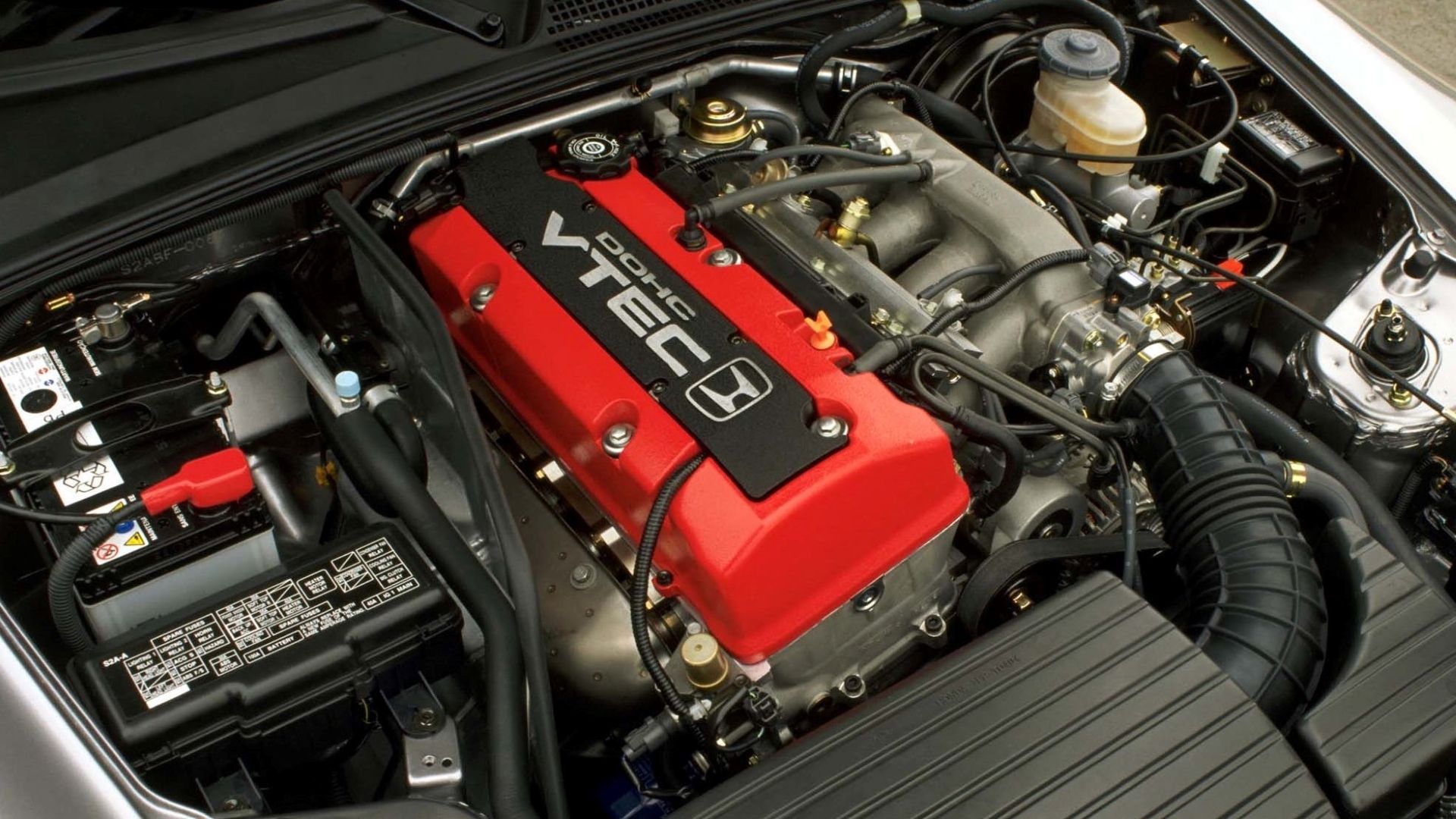
The Acura Integra Type R engine, specifically the legendary B18C5, is a masterpiece of high-revving, naturally aspirated engineering that defined a generation of performance. Delivering 195 horsepower from a 1.8-liter displacement, it utilized hand-polished intake ports, a 10.6:1 compression ratio, and a specialized VTEC system to achieve a stratospheric 8,400 RPM redline.
The Architecture of the B18C5: A Race Engine for the Street
The heart of the 1997–2001 Acura Integra Type R (DC2) is the B18C5 engine. While it shares a basic architecture with the B18C1 found in the Integra GS-R, the Type R variant underwent extensive modifications that transformed it into what many engineers consider a "factory-tuned" race engine. As of 2026, this engine remains one of the most studied examples of small-displacement efficiency in automotive history.
One of the most notable features of the B18C5 was the labor-intensive assembly process. Unlike standard mass-produced engines, the Type R cylinder heads were hand-polished at the Taira plant in Japan. This was not a purely aesthetic choice; the hand-finishing of the intake ports and the valve seats improved airflow by approximately 2% to 3% compared to machine finishing. This meticulous attention to detail allowed the engine to breathe more effectively at high RPMs, which is critical for an engine that makes its peak power at 8,000 RPM.
The metallurgy of the internal components was equally advanced for its time. To withstand the stresses of high-speed rotation, the B18C5 utilized lightweight, high-compression pistons with a molybdenum coating to reduce friction. The connecting rods were strengthened, and the crankshaft was high-balanced to minimize vibration. These modifications were necessary because, at its 8,400 RPM redline, the piston speed of the B18C5 was comparable to contemporary Formula 1 engines, moving at approximately 23.3 meters per second.
Understanding VTEC: The Variable Valve Timing Mechanism
The defining characteristic of the Acura Integra Type R engine is its VTEC (Variable Valve Timing and Lift Electronic Control) system. VTEC allows the engine to utilize two distinct camshaft profiles: one for low-RPM efficiency and daily drivability, and another for high-RPM performance.
At lower speeds (typically below 5,700 RPM in the B18C5), the engine operates on a cam profile with shorter duration and lower lift. This ensures adequate torque for city driving and maintains fuel efficiency. However, once the ECU detects that specific parameters—such as engine temperature, oil pressure, and throttle position—have been met, a hydraulic pin locks the three-piece rocker arm assembly together.
This engagement forces the valves to follow the center "high-lift" cam lobe. The result is a dramatic increase in valve lift and duration, allowing significantly more air and fuel into the combustion chamber. For enthusiasts, this transition is often referred to as the "VTEC crossover," characterized by a sudden change in engine note and a surge in acceleration. This dual personality allowed the Integra Type R to be a manageable street car while remaining a dominant force on the racetrack.
Technical Specifications: B18C5 vs. Modern Counterparts
While the B18C5 is the most iconic engine to wear the Acura Integra Type R badge in North America, the lineage has evolved. In 2026, we look back at the 2024 introduction of the modern Integra Type S (DE5), which serves as the spiritual and technical successor to the original Type R, utilizing a turbocharged architecture that differs fundamentally from the original.
| Specification | B18C5 (1997-2001) | K20C1 (2024-2026) |
|---|---|---|
| Type | Inline 4-Cylinder, NA | Inline 4-Cylinder, Turbo |
| Displacement | 1,797 cc (1.8L) | 1,996 cc (2.0L) |
| Horsepower | 195 hp @ 8,000 RPM | 320 hp @ 6,500 RPM |
| Torque | 130 lb-ft @ 7,500 RPM | 310 lb-ft @ 2,600-4,500 RPM |
| Redline | 8,400 RPM | 7,000 RPM |
| Compression Ratio | 10.6:1 | 9.8:1 |
| Valvetrain | DOHC VTEC | DOHC VTEC (Exhaust Only) |
| Induction | Naturally Aspirated | Turbocharged |
The shift from the B-series to the K-series (specifically the K20C1 found in the modern DE5 chassis) represents a move toward forced induction to meet modern emissions standards while providing significantly more torque. While the B18C5 relied on high RPMs to generate power, the modern K20C1 uses a mono-scroll turbocharger to provide a flat torque curve, making it much faster in real-world scenarios but lacking the linear, mechanical "climb" of the vintage unit.
Performance Cooling and Lubrication Systems
A high-revving engine generates immense heat, and the Acura Integra Type R engine overview would be incomplete without discussing its thermal management. The B18C5 featured several upgrades over the standard Integra engines to ensure it could survive sustained track use.
- Oil Cooling: The B18C5 was equipped with a liquid-to-oil cooler located at the oil filter housing. This helped maintain stable oil temperatures during high-load VTEC operation.
- Increased Radiator Capacity: The Type R utilized a lightweight aluminum radiator with a higher cooling capacity to dissipate heat from the cylinder block more efficiently.
- Oil Jet Cooling: To keep the high-compression pistons cool, the B18C5 utilized oil jets that sprayed oil directly onto the underside of the piston skirts. This technology, derived from Honda’s motorcycle and racing programs, was essential for preventing detonation and ensuring long-term reliability at 8,000+ RPM.
For the modern K20C1, cooling has become even more critical due to the heat generated by the turbocharger. The current 2026 models utilize large front-mounted intercoolers and sophisticated electronic fans that continue to run after the engine is shut off to prevent "heat soak" in the turbo's center bearing.
The Global Perspective: The K20A (DC5)
Although the North American market received the RSX Type-S instead of a second-generation Integra Type R, the Japanese and European markets saw the K20A engine in the DC5 chassis. This engine is frequently discussed in Acura circles as it is the most common "swap" for the older DC2 chassis.
The K20A introduced i-VTEC, which combined the traditional VTEC lift mechanism with VTC (Variable Timing Control). VTC allows the intake camshaft to be phased continuously throughout the RPM range. This means the engine can advance or retard timing on the fly, optimizing the torque curve even when not on the high-lift cam profile. The K20A produced roughly 220 horsepower and utilized a high-flow intake manifold and a 11.5:1 compression ratio, further pushing the boundaries of naturally aspirated four-cylinder performance.
Maintenance and Reliability Considerations
Despite their high-performance nature, Acura Integra Type R engines are known for their longevity if maintained correctly. However, their specific design requirements necessitate a different maintenance schedule than a standard economy car.
Valve Lash Adjustments
Unlike modern engines with hydraulic lifters, the B18C5 and K20A use a solid valvetrain. Over time, the gap between the rocker arm and the valve stem can change. Periodic valve lash adjustments are required (typically every 30,000 miles for tracked cars) to ensure the engine continues to make full power and to prevent excessive wear on the cam lobes.
Timing Belt vs. Timing Chain
The original B18C5 uses a rubber timing belt. In 2026, many of these original engines are reaching ages where the belt must be replaced regardless of mileage to prevent catastrophic engine failure. Conversely, the K-series engines (both the DC5 and the modern DE5) use a timing chain, which is generally considered a "lifetime" component but should be inspected for tensioner wear after 100,000 miles.
Oil Quality and Consumption
High-revving VTEC engines are known to consume a small amount of oil when driven aggressively on the high cam profile. Owners must monitor oil levels frequently. Using high-quality synthetic oil with the correct viscosity (typically 5W-30 for the B18C5) is non-negotiable for protecting the high-speed bearings and the VTEC solenoid screens.
Tuning and Performance Potential
The Acura Integra Type R engine is a popular candidate for tuning, though the philosophy differs between generations.
- B-Series Tuning: Because the B18C5 is already highly optimized from the factory, simple "bolt-on" modifications like intakes and exhausts often yield only marginal gains unless paired with a programmable ECU (such as Hondata). To see significant power increases, builders often look toward "all-motor" builds involving higher compression or "Frankenstein" setups (using a B20 block for more displacement).
- K-Series Tuning: The modern turbocharged K20C1 is much more responsive to tuning. A simple ECU reflash can often unlock 30 to 50 additional horsepower by increasing boost pressure and optimizing fueling. As of 2026, the aftermarket for the DE5 Integra Type S has matured, offering upgraded downpipes and inlet pipes that allow the engine to breathe better without sacrificing its refined daily-driving characteristics.
FAQ: Frequently Asked Questions
What makes the Type R engine different from a standard Integra engine?
The Type R engine (B18C5) features a hand-polished cylinder head, lighter valves, stiffer valve springs, higher-compression pistons, and more aggressive camshafts compared to the standard GS-R (B18C1). These changes allow for a higher redline and more peak power, though at the expense of some low-end torque.
Does the 2024-2026 Integra Type S have the same engine as the Civic Type R?
Yes, the Acura Integra Type S (DE5) shares its 2.0-liter K20C1 turbocharged engine with the Honda Civic Type R (FL5). In the Acura application, it is tuned to produce 320 horsepower, which is a slight 5-hp increase over the Honda version, achieved through software calibration and exhaust flow management.
Is the B18C5 engine interference or non-interference?
The B18C5 is an interference engine. This means that if the timing belt snaps or jumps timing, the pistons can come into contact with the valves, causing severe internal damage. This makes regular timing belt inspection and replacement the most critical maintenance task for Type R owners.
Why is the B18C5 considered one of the best engines ever made?
It is celebrated for its high specific output (horsepower per liter) and its mechanical purity. At the time of its release, it held the record for the highest horsepower per liter for any naturally aspirated piston engine in the U.S. market, surpassing many contemporary exotic supercars.
Can I run 87-octane fuel in an Integra Type R?
No. All generations of the Integra Type R and Type S require premium unleaded fuel (91 octane or higher). High-compression and turbocharged engines are susceptible to "knock" or pre-detonation if lower-grade fuel is used, which can cause the ECU to pull timing and reduce power, or in extreme cases, lead to engine failure.
Final Recommendations for Owners and Enthusiasts
If you are looking to purchase or maintain an Acura Integra Type R, prioritize the service history of the valvetrain and cooling system. For the classic B18C5, ensure the timing belt and water pump are up to date, and never skip a valve adjustment. For those looking at the modern 2026 Integra Type S, focus on high-quality oil changes and ensuring the turbocharger has time to cool down after spirited driving. Whether naturally aspirated or turbocharged, these engines represent Acura's commitment to precision engineering and remain a benchmark for four-cylinder performance.