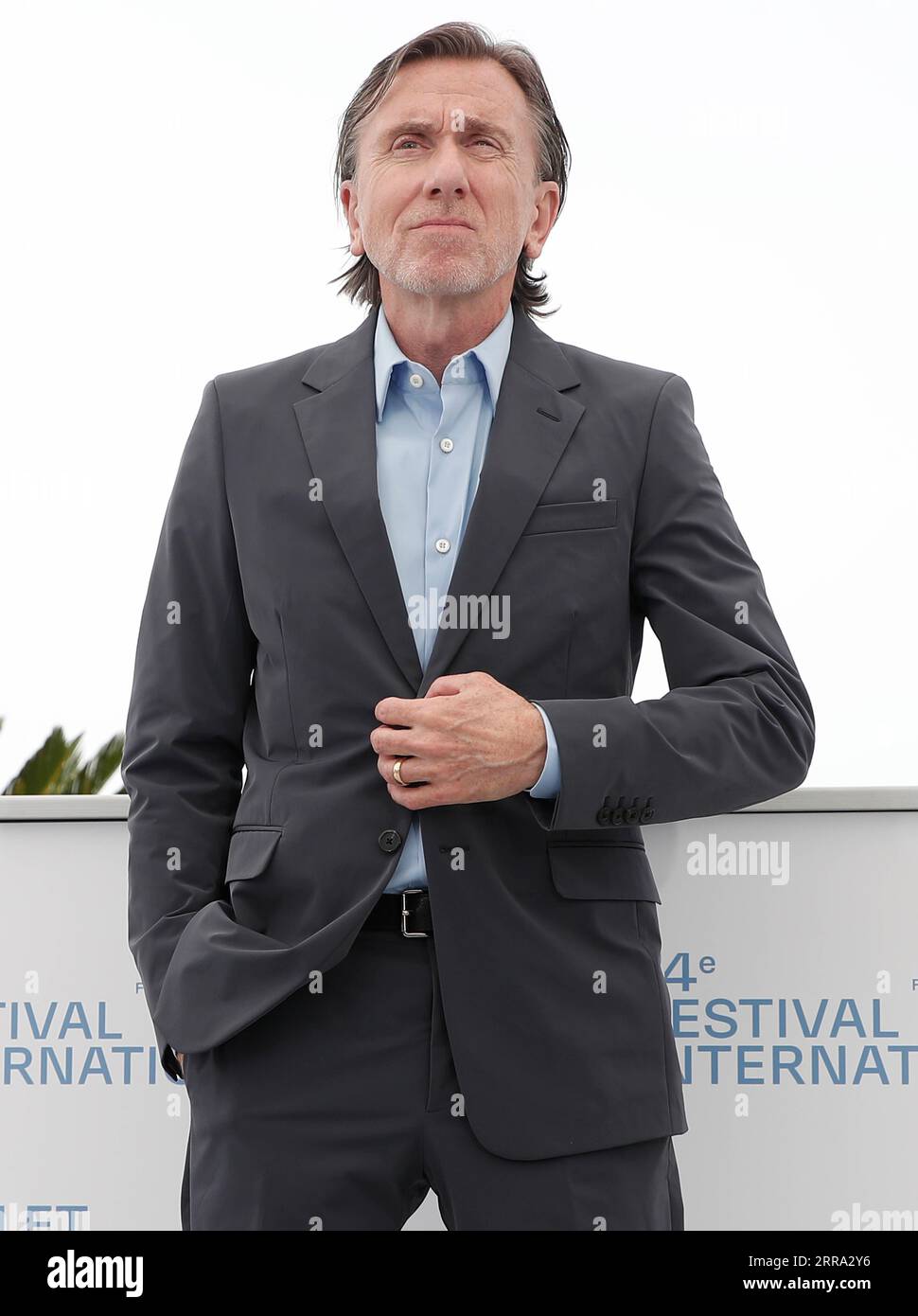
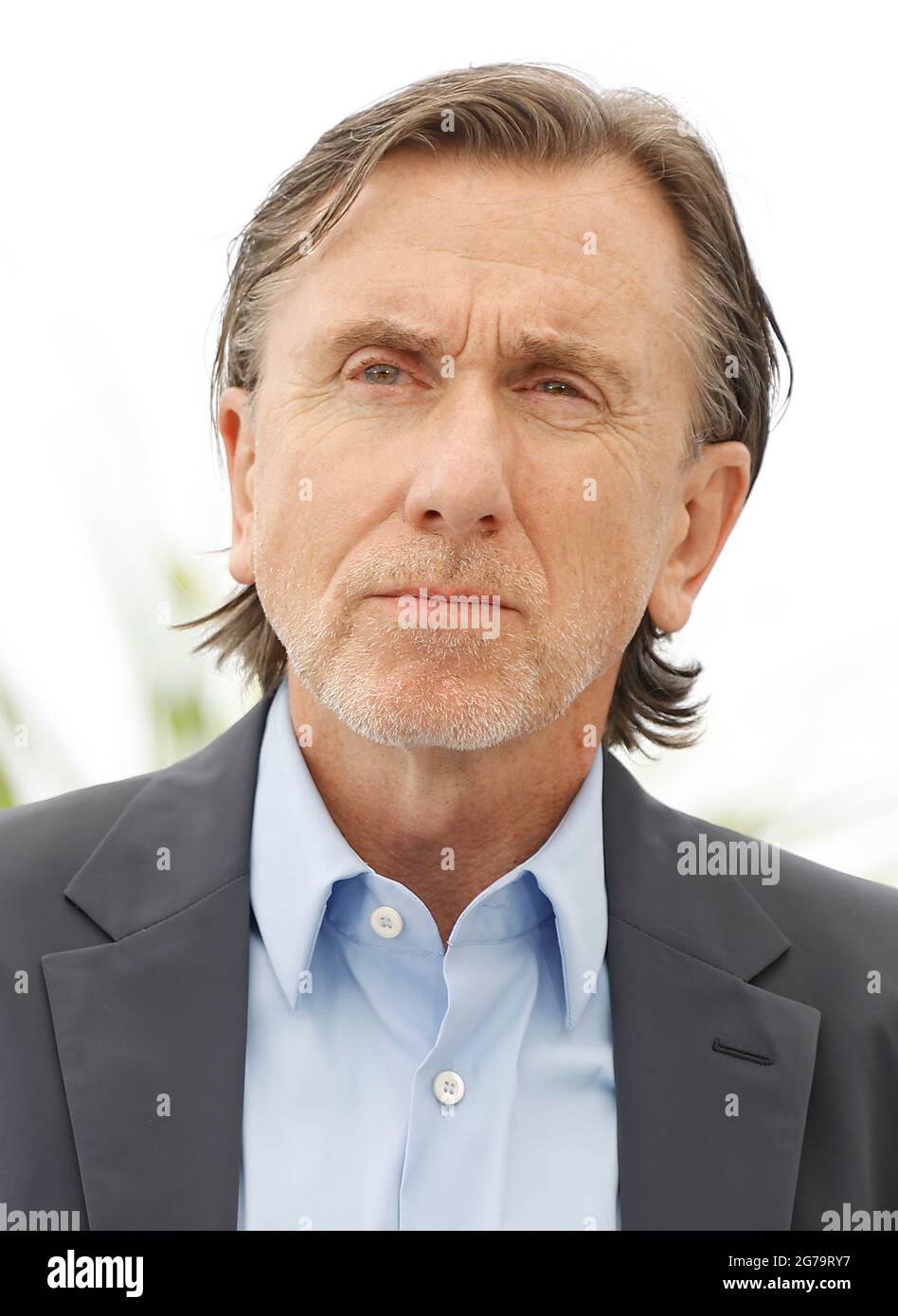
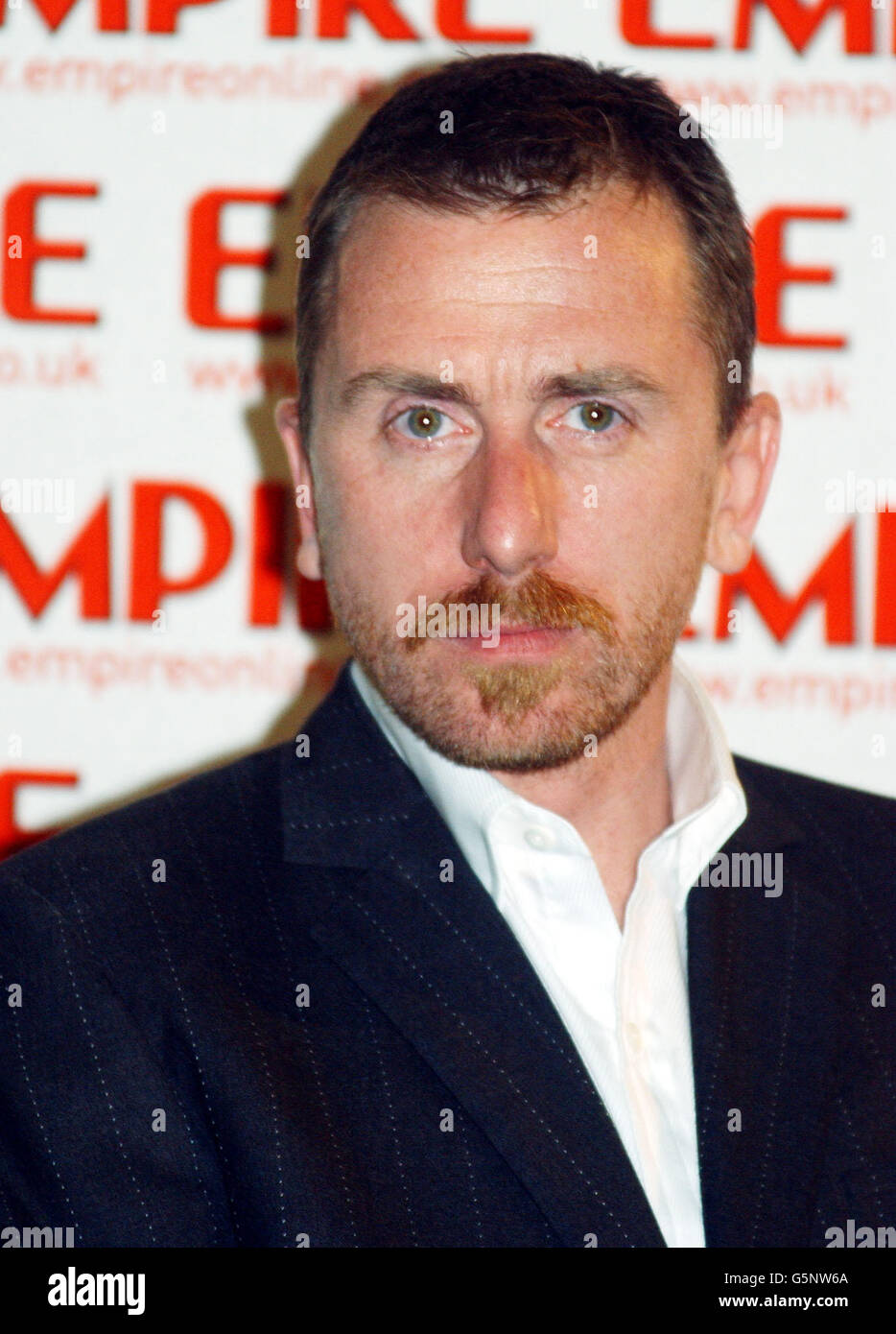
Tim Roth is a critically acclaimed British actor and director known for his versatile portrayals of complex, often volatile characters across independent cinema, Hollywood blockbusters, and prestige television. Since his 1982 debut, he has become a definitive figure in modern film, particularly through his enduring collaborations with director Quentin Tarantino and his Academy Award-nominated performance in Rob Roy.
Navigating the Legacy of "Actor Roth"
When discussing an "actor Roth" within the context of global film and television, the name almost exclusively refers to Tim Roth. While other individuals with the surname, such as director-actor Eli Roth or the legendary Lillian Roth, have made significant marks on the industry, Tim Roth’s four-decade career as a leading man and character actor represents the most substantial body of work for the name.
As of 2026, Roth remains a prolific force, bridging the gap between gritty social realism and high-concept franchise entertainment. His career serves as a blueprint for actors navigating the transition from the British "Brit Pack" era of the 1980s to the international stardom of the 21st century. To understand his impact, one must analyze his origins in UK television, his pivotal role in the American independent film revolution, and his late-career resurgence in both the Marvel Cinematic Universe and streaming dramas.
Early Career: The Foundations of British Realism
Tim Roth did not take a traditional path to stardom. Born in Dulwich, London, he originally studied sculpture at the Camberwell College of Arts before pivoting to acting. His debut in the 1982 television film Made in Britain set the tone for his early career. Directed by Alan Clarke, the film featured Roth as Trevor, a racist, nihilistic skinhead. The performance was raw and terrifyingly authentic, immediately establishing Roth as a specialist in "outsider" characters.
Following this debut, Roth became a central figure in the UK’s social realism movement. He worked with legendary director Stephen Frears in The Hit (1984), playing a novice hitman alongside John Hurt and Terence Stamp. This role earned him a BAFTA nomination for Most Outstanding Newcomer. He further solidified his reputation in Mike Leigh’s Meantime (1983), a bleak but poignant look at unemployment in Thatcher-era Britain, where he starred alongside fellow future icon Gary Oldman.
These early roles were characterized by:
- Physicality: Roth often used a nervous, twitchy energy or a stoney, immobile stare to convey internal turmoil.
- Vulnerability: Despite playing "tough" or "delinquent" characters, he often layered them with a sense of being trapped by their circumstances.
- Dialect Mastery: Even at this stage, Roth demonstrated an ability to inhabit specific regional English identities, a skill that would later translate into his flawless American accents.
The Tarantino Collaboration and Independent Film Stardom
The 1990s marked Tim Roth’s transition to American cinema, largely fueled by the rise of independent film. His most significant partnership was with Quentin Tarantino, a relationship that helped define the aesthetic of 1990s crime cinema.
Reservoir Dogs (1992)
In Tarantino’s directorial debut, Roth played Mr. Orange (Freddy Newandyke), an undercover cop who spends the majority of the film bleeding out on a warehouse floor after a botched diamond heist. The role was a masterclass in endurance acting. Roth had to convey the agony of a gut shot while maintaining the "performance within a performance" required of an undercover officer. The chemistry between Roth and Harvey Keitel provided the film’s emotional core, elevating it from a standard heist movie to a Shakespearean tragedy.
Pulp Fiction (1994)
Roth returned for Tarantino’s follow-up, Pulp Fiction, playing "Pumpkin" (Ringo). Alongside Amanda Plummer’s "Honey Bunny," Roth bookended the film in the famous diner robbery sequences. Here, he displayed a different kind of charisma—jittery, romanticized, and ultimately outmatched by Samuel L. Jackson’s Jules Winnfield.
The Hateful Eight (2015)
Decades later, Roth reunited with Tarantino for The Hateful Eight, playing Oswaldo Mobray (also known as "The Little Man"). In this role, he adopted a flamboyant, theatrical persona that many critics noted felt like a nod to Christoph Waltz’s previous work with Tarantino, though Roth infused it with his own brand of sinister charm.
Mastering the Villain: Rob Roy and Beyond
While Roth was a hero of the indie scene, Hollywood quickly recognized his potential as a high-tier antagonist. His performance as Archibald Cunningham in the 1995 historical drama Rob Roy remains one of the most celebrated villainous turns in cinema history.
Opposite Liam Neeson’s heroic Robert Roy MacGregor, Roth’s Cunningham was a fop—an effeminate, aristocratic psychopath who was as deadly with a rapier as he was with an insult. Roth received an Academy Award nomination for Best Supporting Actor for the role. The performance was notable for how Roth used the constraints of 18th-century etiquette to make his character’s cruelty feel even more sharp and unpredictable.
Following Rob Roy, Roth explored other villainous or morally ambiguous roles:
- Planet of the Apes (2001): Under heavy prosthetics, Roth played General Thade in Tim Burton’s reimagining. Despite the film's mixed reception, Roth was praised for his intense, simian physicality.
- Funny Games (2007): In Michael Haneke’s American remake, Roth played the victim, a father tortured by two polite young men. This demonstrated his range in the "reverse" of his typical roles, showing a capacity for profound, agonizing helplessness.
- The Incredible Hulk (2008): Roth entered the Marvel Cinematic Universe as Emil Blonsky, a Russian-born British Royal Marine commando who eventually becomes the monstrous Abomination.
Television Success: Lie to Me and Tin Star
As the "Golden Age of Television" expanded in the late 2000s, Tim Roth made a successful transition to the small screen, proving that his screen presence could carry long-form procedural and serialized narratives.
Lie to Me (2009–2011)
Roth starred as Dr. Cal Lightman, a world-leading expert in facial expressions and body language who assists law enforcement by detecting lies. The character was loosely based on real-life psychologist Paul Ekman. Roth’s portrayal was idiosyncratic; he often leaned at odd angles, sat on tables, and used aggressive questioning techniques. The show was a global hit, running for three seasons on Fox, and it introduced Roth to a much broader, mainstream television audience.
Tin Star (2017–2020)
In this British-Canadian "mountain noir," Roth played Jim Worth, a former London police detective who becomes the police chief of a small town in the Canadian Rockies. The series allowed Roth to play a dual role of sorts: the sober, grieving family man and his violent, alcoholic alter-ego, "Jack Devlin." The series was praised for its brutal violence and Roth’s uncompromising performance, lasting for three seasons and a concluding special.
Tim Roth in the Marvel Cinematic Universe (MCU)
One of the most surprising developments in Roth’s later career was his return to the role of Emil Blonsky/Abomination. After a long hiatus following 2008’s The Incredible Hulk, Roth returned to provide the voice and motion capture for the character in Shang-Chi and the Legend of the Ten Rings (2021).
However, it was his role in the Disney+ series She-Hulk: Attorney at Law (2022) that allowed for a significant character evolution. Rather than the rage-filled soldier of 2008, the 2022 version of Blonsky was a reformed, zen-like cult leader who had supposedly found inner peace. Roth played this new iteration with a comedic, slightly untrustworthy sweetness, demonstrating his ability to subvert his own tough-guy persona. As of 2026, fans continue to speculate on Blonsky’s future in the MCU, particularly within the context of the Thunderbolts or other anti-hero ensembles.
Technical Analysis of Acting Style
Tim Roth is frequently described as a "chameleon," a term that refers to his ability to vanish into roles through a combination of technical precision and psychological depth.
Dialects and Accents
Roth is famous for his "ear." Despite being from London, he has convincingly played characters from:
- New York: Reservoir Dogs, Pulp Fiction.
- The American South: The Hateful Eight.
- Scotland: Rob Roy.
- Russia/Eastern Europe: The Incredible Hulk.
- The Netherlands: Vincent & Theo (playing Vincent van Gogh).
Physicality and Presence
Unlike many leading men who rely on height or traditional "action hero" builds, Roth uses his 5'7" frame to project power through posture and stillness. In The Legend of 1900, he conveys the genius of a virtuoso pianist largely through his eyes and the grace of his movements. In contrast, in roles like Chronic (2015), he uses a slowed, heavy gait to portray a home-care nurse burdened by the weight of his patients' mortality.
Comparison of Key Film and TV Roles
The following table highlights the diversity of Roth's career across different decades and genres.
| Year | Title | Role | Genre | Format | Key Performance Note |
|---|---|---|---|---|---|
| 1982 | Made in Britain | Trevor | Social Realism | TV Film | Explosive, high-energy debut. |
| 1992 | Reservoir Dogs | Mr. Orange | Crime/Thriller | Feature Film | Mastered "agony" and vulnerability. |
| 1995 | Rob Roy | Archibald Cunningham | Period Drama | Feature Film | Oscar-nominated villainous turn. |
| 1998 | The Legend of 1900 | 1900 | Musical/Drama | Feature Film | Subdued, poetic, and whimsical. |
| 2001 | Planet of the Apes | General Thade | Sci-Fi | Feature Film | Intense physical/prosthetic acting. |
| 2008 | The Incredible Hulk | Emil Blonsky | Superhero | Feature Film | Introduced a grounded, gritty villain. |
| 2009-11 | Lie to Me | Dr. Cal Lightman | Procedural | TV Series | Intellectual arrogance and quirkiness. |
| 2015 | Chronic | David Wilson | Drama | Feature Film | Quiet, devastating character study. |
| 2017-20 | Tin Star | Jim Worth | Neo-Western | TV Series | Explored the duality of addiction. |
| 2022 | She-Hulk | Emil Blonsky | Comedy/Legal | TV Series | Subversive, comedic reinvention. |
Recent Projects and Arthouse Contributions
In the 2020s, leading up to 2026, Roth has leaned heavily into international arthouse cinema, often collaborating with Mexican director Michel Franco.
In Sundown (2021), Roth delivered one of his most minimalist performances as a wealthy man who decides to abandon his family during a vacation in Acapulco. The role required Roth to communicate almost entirely through silence and indifference, a far cry from the verbal acrobatics of his Tarantino days. This was followed by Resurrection (2022), where he played a manipulative figure from a woman's past, proving he could still evoke deep-seated psychological terror with a simple conversation.
These choices reflect an actor who is less concerned with traditional stardom and more focused on "difficult" cinema that challenges the audience's perceptions of morality and empathy.
Frequently Asked Questions
Is Tim Roth related to Eli Roth?
No. While both are prominent figures in the film industry, they are not related. Tim Roth is British, born in London, while Eli Roth is an American filmmaker and actor from Massachusetts.
Has Tim Roth won an Academy Award?
Tim Roth has been nominated for one Academy Award (Best Supporting Actor) for his role as Archibald Cunningham in Rob Roy (1995). Although he did not win, the performance is widely regarded as one of the best in the category for that decade.
What is Tim Roth's most famous role?
For many, his most famous role is Mr. Orange in Reservoir Dogs. However, for television audiences, he is most recognized as Dr. Cal Lightman from the hit series Lie to Me. In recent years, his role as the Abomination in the Marvel Cinematic Universe has also brought him a new wave of global recognition.
Does Tim Roth actually play the piano?
In the film The Legend of 1900, Roth portrays a piano prodigy. While he learned the finger movements and posture to look convincing on screen, the actual music heard in the film was performed by professional musicians, including Gilda Buttà, under the direction of composer Ennio Morricone.
What was Tim Roth's directorial debut?
Roth made his directorial debut with the 1999 film The War Zone. The film is a harrowing, critically acclaimed drama about incest in a British family. It won numerous awards at film festivals, including the C.I.C.A.E. Award at the Berlin International Film Festival, though Roth has rarely returned to the director's chair since.
Recommendations for Viewers
To fully appreciate the scope of Tim Roth’s contribution to film and television, viewers should start with his foundational work in Reservoir Dogs to understand his impact on the "cool" crime genre. From there, a viewing of Rob Roy is essential to see his range in period drama. For those interested in his television work, Lie to Me offers a more accessible, episodic experience, while Tin Star is recommended for those who prefer dark, character-driven serialized narratives.
For a look at his modern, more experimental phase, Sundown and Resurrection are excellent choices that showcase an actor who, even in 2026, refuses to settle into a predictable rhythm.