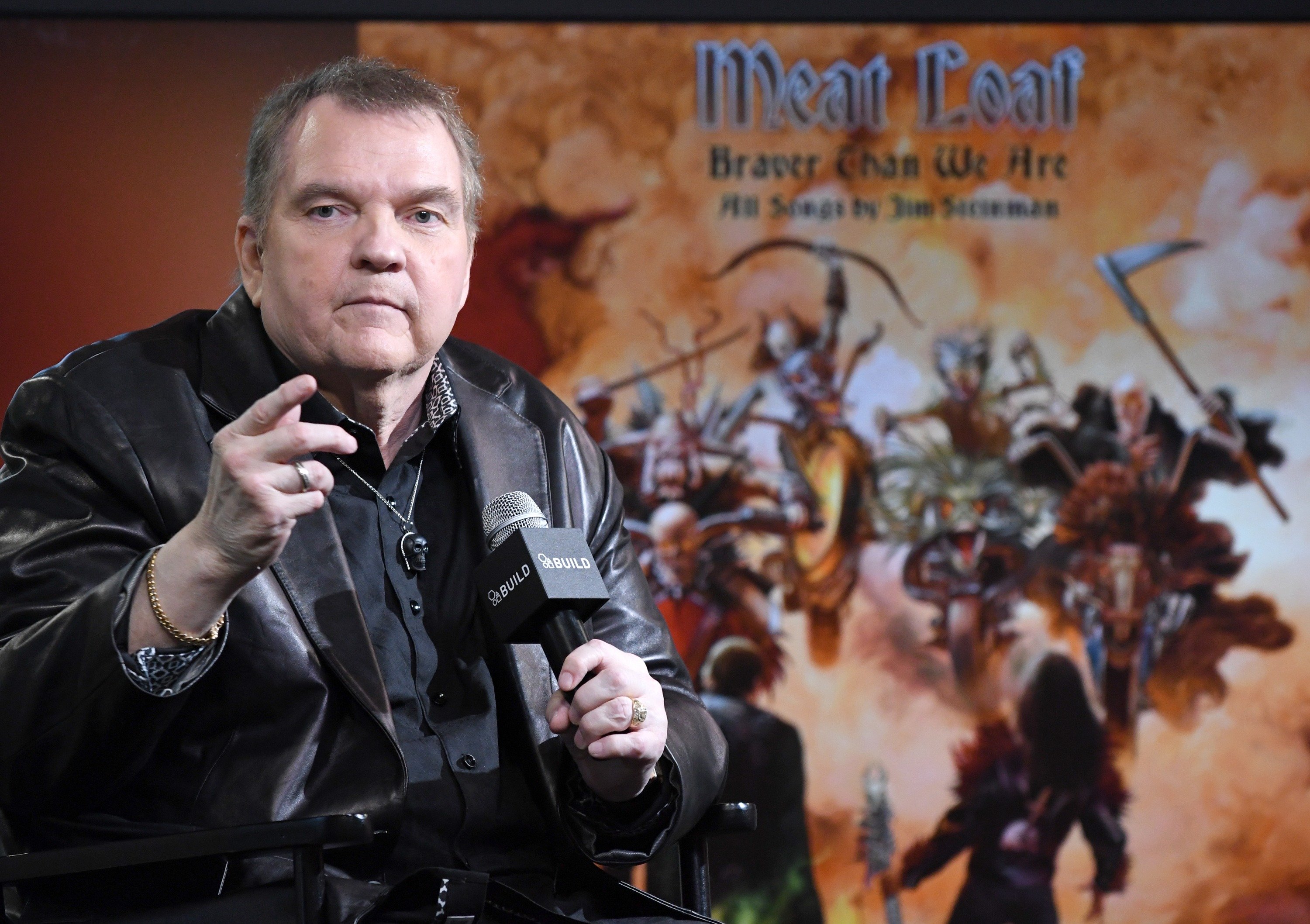
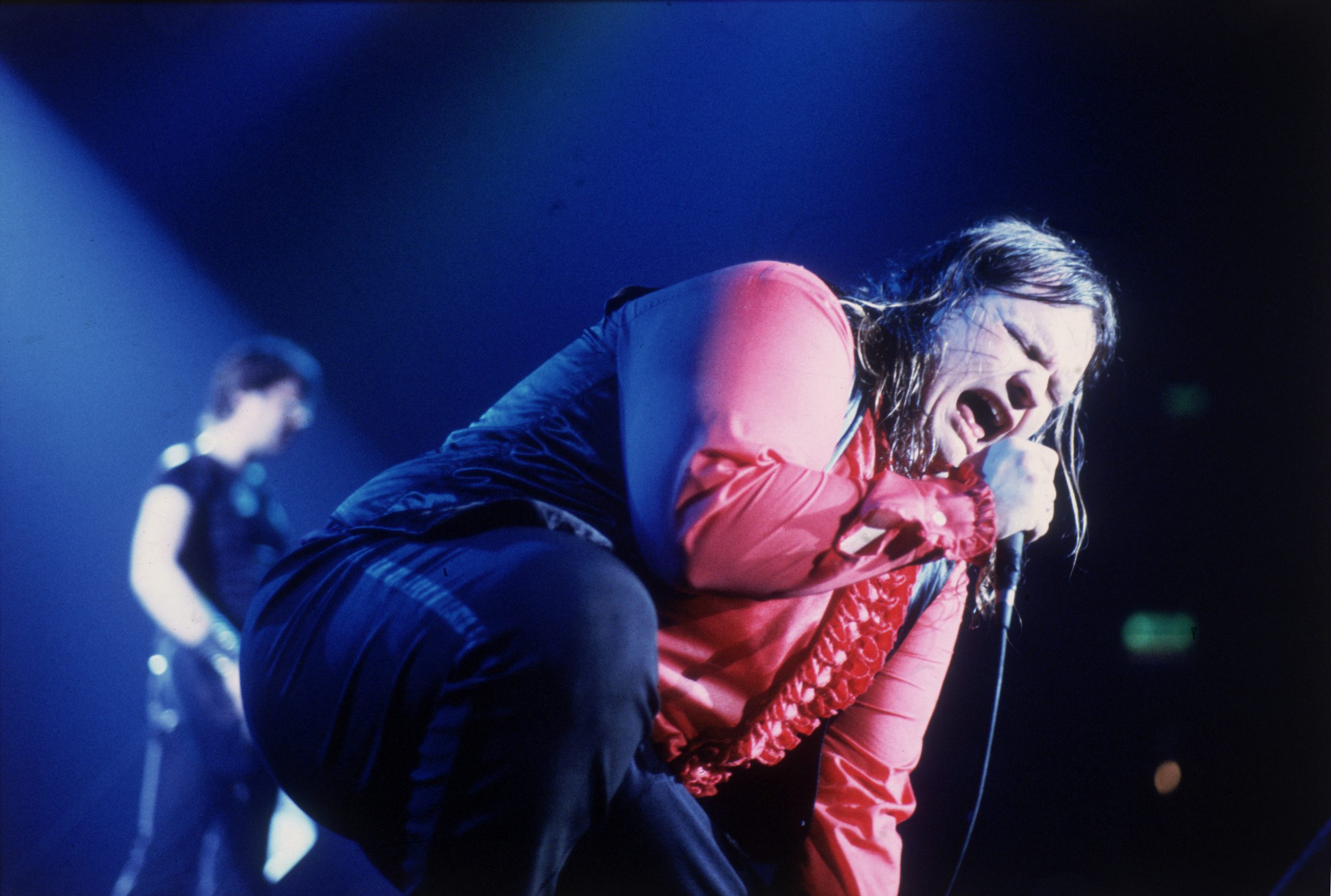
At the time of his passing in January 2022, the legendary actor and singer Meat Loaf, born Michael Lee Aday, had an estimated net worth of approximately $40 million. As of 2026, his estate continues to see significant activity through music royalties, film residuals from over 60 acting credits, and the enduring commercial power of the "Bat Out of Hell" franchise.
The Multi-Faceted Career of Michael Lee Aday
To understand the net worth of Meat Loaf in the US, one must look beyond his operatic rock persona. Unlike many musicians who pivot to acting as a vanity project, Meat Loaf began his career on the stage. This dual-threat capability allowed him to maintain a steady stream of income even during periods when his music career faced turbulence. His financial journey is a story of extreme highs, devastating lows, and one of the most successful "second acts" in entertainment history.
Early Beginnings in Musical Theater and Acting
Before he was a global rock star, Michael Lee Aday was a working actor in New York City. His early earnings were grounded in the world of professional theater. He performed in the Los Angeles production of Hair and later moved to the Broadway production. These roles provided a stable financial foundation and established his reputation as a powerhouse performer.
However, his most significant early acting contribution—both artistically and financially—was his role as Eddie in The Rocky Horror Picture Show (1975). While his initial salary for the film was modest by modern standards, the movie's transition into a cult phenomenon ensured a permanent place for him in the cultural zeitgeist. For decades, the film has generated consistent residual checks and merchandising opportunities that contributed to his long-term US net worth.
The "Bat Out of Hell" Financial Paradox
The core of Meat Loaf’s wealth is inextricably linked to the 1977 album Bat Out of Hell. It remains one of the top ten best-selling albums of all time, with estimated sales exceeding 43 million copies worldwide. In a standard recording contract, an album of this magnitude would generate hundreds of millions for the artist. However, Meat Loaf's financial reality was far more complex.
Bankruptcy and Legal Struggles in the 1980s
Despite the massive success of his debut, Meat Loaf filed for bankruptcy in 1983. This surprising turn of events was the result of a "perfect storm" of financial mismanagement, high-stakes litigation, and unfavorable contracts.
- Lawsuits with Jim Steinman: Meat Loaf’s collaborator and songwriter, Jim Steinman, was involved in numerous legal disputes regarding royalties and creative control. These battles drained Meat Loaf’s liquid assets.
- Managerial Disputes: Conflict with his former management led to a flurry of lawsuits that eventually totaled nearly $80 million in claims against him.
- Physical and Vocal Strain: Health issues during the early 80s prevented him from touring, which is the primary revenue driver for most musical artists.
By the mid-80s, Meat Loaf was essentially starting from zero. His resilience during this period is what ultimately allowed him to rebuild his net worth to the $40 million mark seen in his later years.
The 1990s Resurgence and Financial Recovery
The 1993 release of Bat Out of Hell II: Back into Hell represented one of the most profitable periods of Meat Loaf's life. The lead single, "I'd Do Anything for Love (But I Won't Do That)," became a global number-one hit. This era allowed him to renegotiate his standing in the industry.
This resurgence wasn't just about record sales; it was about the "Meat Loaf" brand. He embarked on massive world tours that sold out arenas, providing the high-margin revenue that record sales often lack after production and marketing costs are deducted. During the 1990s and early 2000s, his annual earnings were estimated to be in the multi-million dollar range, significantly bolstering his US assets.
Meat Loaf's Acting Career: A Consistent Stream of Income
While his music often took center stage, Meat Loaf’s work as a character actor provided a financial safety net that many of his rock-and-roll peers lacked. He appeared in over 60 films and dozens of television shows, often commanding significant fees for his unique screen presence.
Key Film Roles and Their Commercial Impact
- Fight Club (1999): His portrayal of Robert "Bob" Paulson is perhaps his most iconic modern film role. Being part of a major studio production directed by David Fincher and starring Brad Pitt and Edward Norton provided both a substantial upfront salary and long-term residuals as the film became a classic of the era.
- Wayne’s World (1992): His cameo as Tiny, the bouncer, was a high-profile appearance in a box-office smash.
- Formula 51 (2001): He took on a significant villainous role alongside Samuel L. Jackson, demonstrating his ability to carry large-scale action-comedy films.
- Television Guest Spots: Meat Loaf appeared in shows like House, Glee, and Monk. For an actor of his stature, these guest appearances typically pay well above the SAG-AFTRA scale, often ranging from $20,000 to $50,000 per episode depending on the production.
His acting career was a strategic hedge. When the music industry shifted toward digital streaming—which pays significantly less per unit than physical media—his film and TV residuals continued to flow in based on the traditional broadcast and licensing models.
Real Estate Holdings and Personal Assets
A significant portion of Meat Loaf's $40 million net worth was tied to his real estate investments in the United States. He was known for having a preference for the Los Angeles area and Texas.
| Property Type | Location | Estimated Value (at time of sale/death) | Details |
|---|---|---|---|
| Primary Residence | Calabasas, California | $3.5 Million - $5 Million | A luxury estate in a gated community, frequently home to high-profile celebrities. |
| Former Estate | Saddle River, New Jersey | $5 Million+ | Sold during the peak of his 90s fame; included extensive grounds and custom recording space. |
| Texas Holdings | Austin/Various | $1 Million - $2 Million | Meat Loaf maintained ties to his Texas roots with smaller residential and land investments. |
In addition to real estate, Meat Loaf was an avid collector of sports memorabilia and music equipment. While these are often considered "passion assets," high-end collections can add several hundred thousand dollars to a celebrity's total net worth.
The Estate Value in 2026: Posthumous Earnings and Legacy
As of 2026, the value of the Meat Loaf estate remains robust. Posthumous earnings for major artists often see a "spike" immediately following their death, followed by a stabilization of royalty income. For Meat Loaf, his estate (managed by his family) continues to benefit from:
- Streaming Revenue: Bat Out of Hell continues to garner millions of streams monthly on platforms like Spotify and Apple Music.
- Licensing and Sync Rights: His music is frequently licensed for use in commercials, films, and television shows. The high-energy, theatrical nature of his songs makes them ideal for marketing campaigns.
- Musical Theater: The "Bat Out of Hell: The Musical" has had successful runs in London, New York, and on international tours. The estate receives a percentage of the box office and licensing fees for the use of the songs and the Meat Loaf brand.
- Image and Likeness: Merchandising, including apparel and limited-edition vinyl re-releases, provides ongoing revenue.
In the US, estate taxes and management fees can impact the total liquidity of such a fortune, but the underlying assets—the intellectual property—continue to appreciate in value.
Financial Resilience and Career Strategy
The most impressive aspect of Meat Loaf’s net worth was not the final number, but the fact that he achieved it after losing everything. His financial journey serves as a case study for entertainers on the importance of diversification. By maintaining a foot in both the music and film industries, he ensured that he was never entirely dependent on a single source of income.
He also famously regained control of much of his catalog and creative output later in life. This "ownership" is the difference between a wealthy performer and a wealthy estate. By the 2010s, he was much more involved in the business side of his brand, ensuring that the mistakes of the 1980s were not repeated.
Frequently Asked Questions
Did Meat Loaf own the rights to all his songs?
Not entirely. Many of his most famous songs were written by Jim Steinman. While Meat Loaf received performance royalties, the mechanical and publishing royalties (which are often more lucrative) were split according to complex legal agreements. Over the years, various settlements redefined how these earnings were distributed between the Steinman and Aday estates.
How much did Meat Loaf make from the "Bat Out of Hell" musical?
The exact figures are private, but typical licensing deals for a Broadway-scale musical can net the rights holders between 5% and 15% of the weekly gross. Given the musical's global tours, this has likely contributed millions to his estate since its inception in 2017.
What was Meat Loaf's highest-paying film role?
While not publicly disclosed, his role in Formula 51 (The 51st State) likely commanded one of his highest upfront salaries, as he was a primary antagonist in a high-budget international co-production. Character actor roles in films like Fight Club also provided significant income, particularly through long-term residuals.
Was Meat Loaf's net worth affected by his 1980s bankruptcy?
Yes, significantly. If not for the legal battles and bankruptcy of 1983, his net worth might have been in the hundreds of millions. The bankruptcy forced him to essentially rebuild his fortune from the ground up during the 1990s.
Who inherited Meat Loaf's estate?
Meat Loaf's estate was primarily left to his wife, Deborah Gillespie, and his two daughters, Pearl and Amanda Aday. They currently oversee the management of his legacy and the continued licensing of his work.
Practical Recommendation for Fans and Researchers
For those looking to deeper understand the financial impact of Meat Loaf’s career, it is recommended to monitor the Official Meat Loaf Website and major music trade publications like Billboard for announcements regarding catalog sales or new licensing deals. As of 2026, the trend of artists selling their publishing catalogs for lump sums remains prevalent; if the Meat Loaf estate were to pursue such a deal, his "valuation" would transition from ongoing royalties to a significant singular asset.