Choosing between accidental life insurance and regular life insurance depends heavily on your budget, health status, and long-term financial obligations. While regular life insurance provides comprehensive protection for both natural causes and accidents, accidental life insurance exclusively covers injuries or death resulting from unforeseen mishaps, offering a more limited safety net at a lower cost.
Navigating the landscape of financial protection products can feel overwhelming, particularly when trying to balance immediate household budgets with long-term security. Life insurance functions as a foundational pillar of personal finance, yet policies vary dramatically in how they define coverage triggers, medical underwriting, and payout structures. Understanding the operational mechanics, cost structures, and underlying limitations of both accidental death policies and traditional term or permanent policies ensures that you select a product capable of safeguarding your dependents without straining your finances.
Understanding Regular Life Insurance
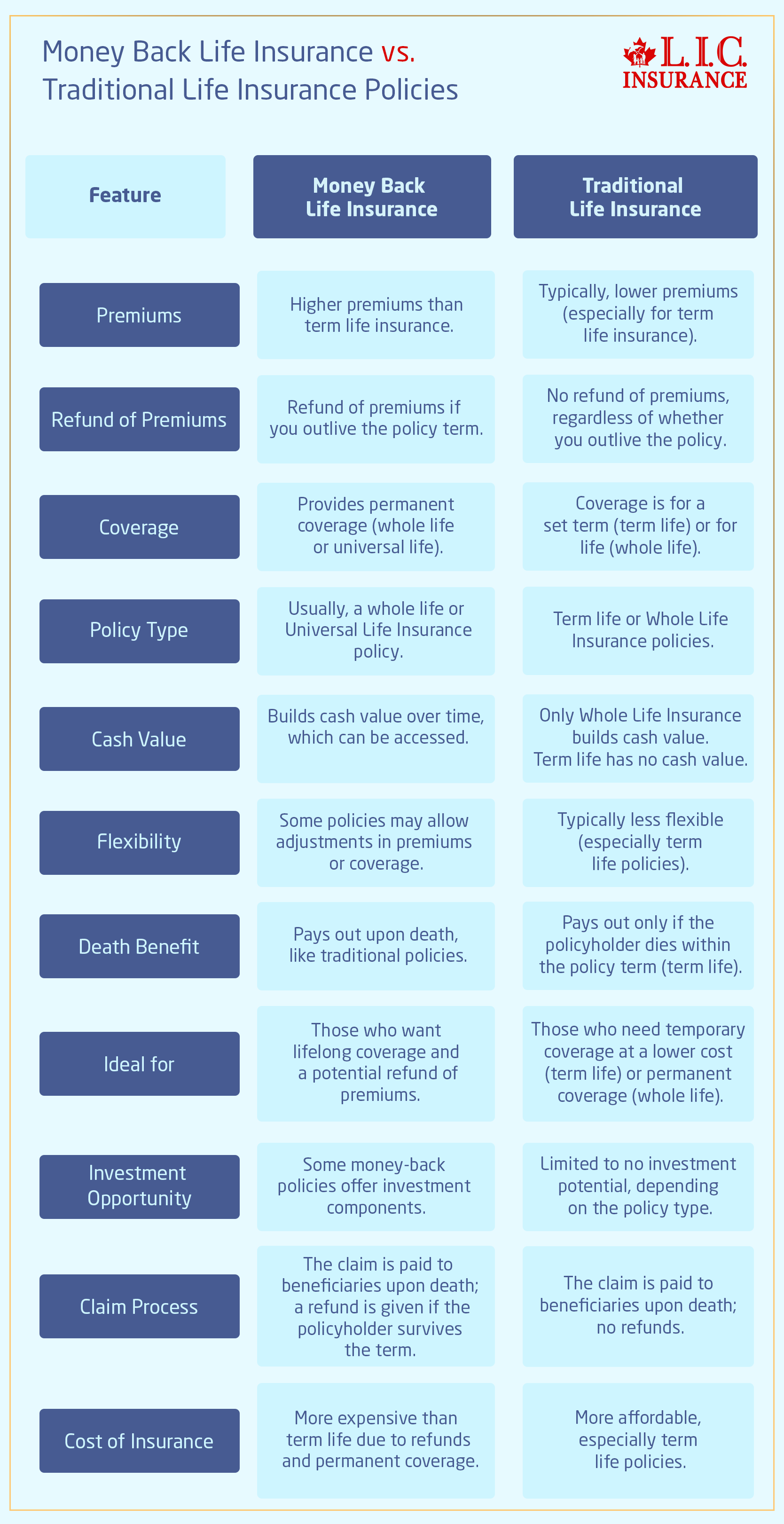
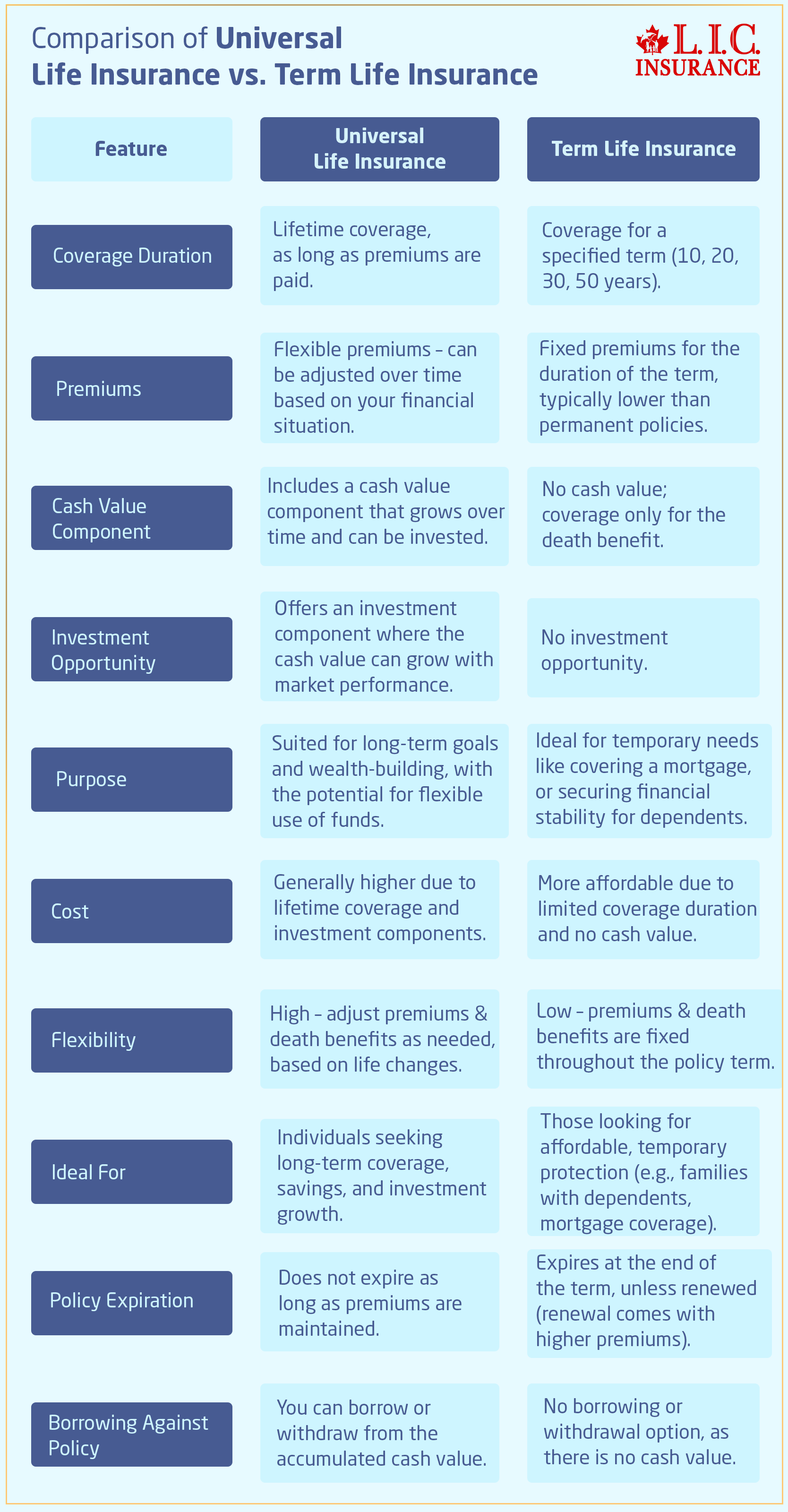
Regular life insurance, more commonly known as traditional or standard life insurance, encompasses policies designed to pay a financial benefit upon the insured's death from virtually any cause. This broad category primarily splits into two distinct structural types: term life insurance and permanent life insurance. Term life insurance provides coverage for a specific chronological duration—such as 10, 20, or 30 years—paying out a death benefit only if the insured passes away during that active term. Permanent life insurance, which includes whole life and universal life policies, maintains coverage for the entire lifespan of the insured while accumulating a cash value component that grows on a tax-deferred basis.
To qualify for a regular life insurance policy, applicants must successfully navigate a comprehensive underwriting process. This procedure typically involves a detailed health questionnaire, a review of medical history, and frequently a paramedical examination that includes blood and urine testing. Insurers evaluate these health metrics alongside lifestyle factors, driving records, and occupational hazards to assign a risk classification. Individuals who are young and in good health benefit significantly from regular life insurance, locking in lower premium rates that remain level for decades or for the duration of the policy.
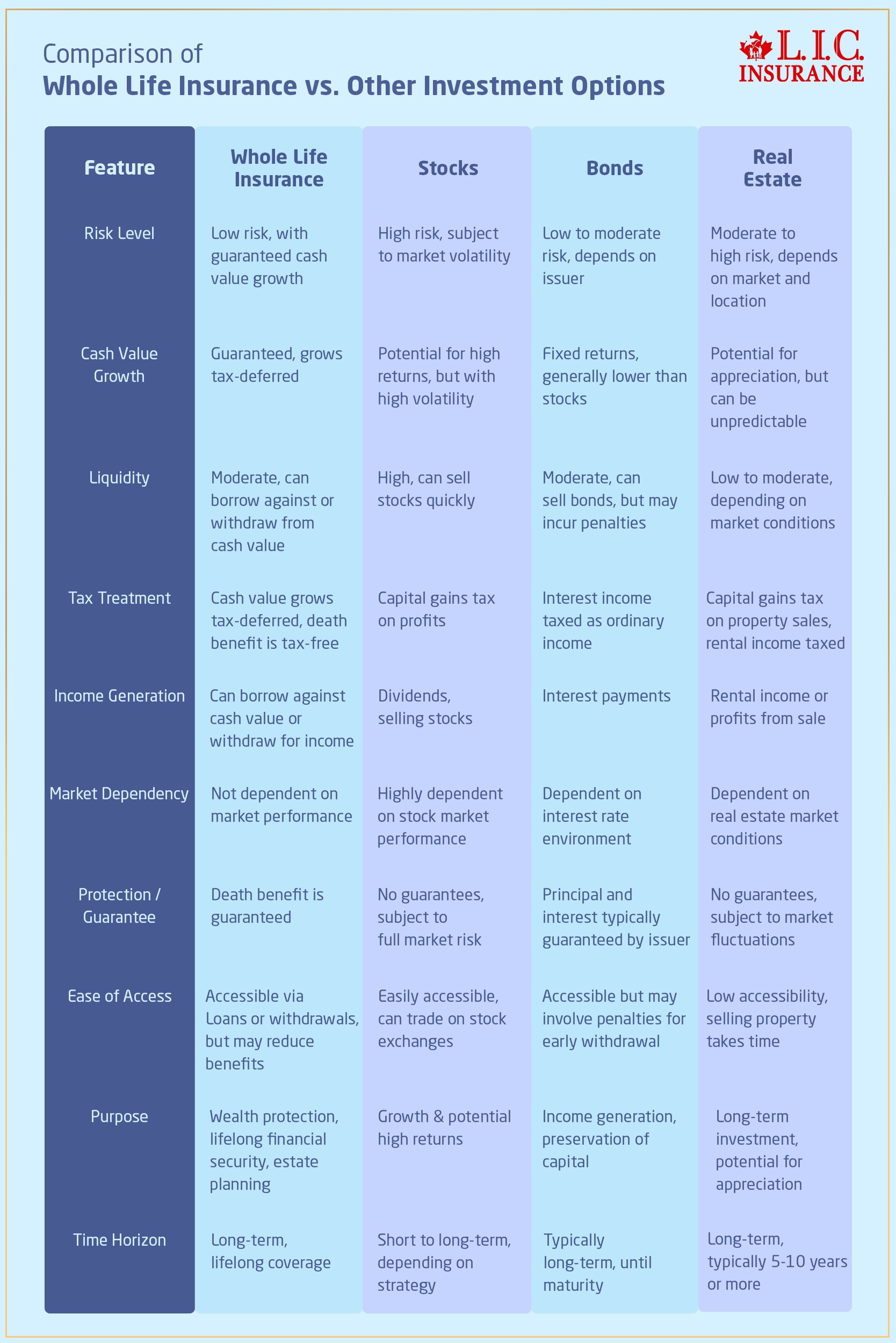
The primary advantage of regular life insurance lies in its comprehensiveness. Whether an insured individual passes away from a chronic illness, an age-related condition, a malignant disease, or a sudden accident, the designated beneficiaries receive the full face value of the policy. Furthermore, permanent policies build equity through cash value accounts, which policyholders can borrow against or withdraw from during their lifetimes. However, this high level of security and financial versatility comes with higher monthly or annual premium costs compared to specialized or limited-scope policies.
Deconstructing Accidental Life Insurance
Accidental life insurance, often sold as Accidental Death and Dismemberment (AD&D) insurance, operates on a fundamentally narrower mandate. These policies—or riders attached to broader insurance contracts—specifically provide a financial payout only if the insured individual dies or suffers specific severe physical injuries as a direct result of a covered accident. Incidents typically categorized as qualifying accidents include motor vehicle collisions, falls, drowning, choking, machinery accidents, and fatal injuries sustained during public transportation mishaps.
The underwriting process for accidental life insurance is drastically different from that of regular life insurance. Because these policies do not account for health-related mortality risks, insurers generally do not require a medical exam or detailed health history questionnaires. Acceptance is often guaranteed regardless of pre-existing medical conditions, chronic illnesses, or advanced age, provided the applicant falls within acceptable age boundaries defined by the issuing carrier. This makes AD&D products accessible to individuals who might otherwise be denied coverage or face prohibitively expensive rates due to adverse health conditions.
Despite its accessibility and lower cost, accidental life insurance contains strict exclusions and limitations. If an insured individual suffers a fatal heart attack, succumbs to cancer, or experiences organ failure, an accidental death policy will yield zero payout to the beneficiaries. Furthermore, policies routinely exclude deaths resulting from high-risk hobbies like skydiving or rock climbing, operating aircraft outside of commercial airlines, self-inflicted injuries, or acts of war. Consequently, relying solely on accidental coverage leaves a family financially vulnerable to the vast statistical majority of mortality causes, which stem from natural illness and disease.
Comparative Breakdown: Key Policy Dimensions
Evaluating accidental life insurance versus regular life insurance requires examining several core operational factors side by side. The differences span cost efficiency, qualifying criteria, payout breadth, and the accumulation of financial assets.
| Feature | Regular Life Insurance (Term/Permanent) | Accidental Life Insurance (AD&D) |
|---|---|---|
| Causes of Death Covered | Natural causes, illnesses, diseases, and accidents. | Accidents and specific injuries only (e.g., crashes, falls). |
| Medical Underwriting | Required; involves health history and paramedical exams. | None required; guaranteed acceptance based on age/status. |
| Cost Structure | Higher premiums based on age, health, and lifestyle risk. | Significantly lower, flat-rate premiums. |
| Cash Value Accumulation | Available in permanent policies (whole/universal life). | None; pure indemnity protection. |
| Policy Cancellation Risk | Renewable or convertible based on contract terms. | Frequently renewable annually; subject to carrier termination. |
This side-by-side comparison highlights the trade-off between comprehensive financial protection and budget-friendly accessibility. Regular life insurance addresses the comprehensive spectrum of human mortality risks, whereas accidental life insurance functions as a specialized, tactical supplement rather than a standalone financial safety net.
Assessing Your Financial Needs and Objectives
Determining which insurance product fits your requirements necessitates an honest assessment of your family's financial obligations, your current health profile, and your monthly budget capacity. Financial advisors generally recommend evaluating your income replacement needs, outstanding debts—such as mortgages and student loans—future education funding for children, and final end-of-life expenses.
If you are the primary earner for a young family carrying substantial long-term debt, a regular term or permanent life insurance policy is indispensable. The sudden loss of an income earner to a medical condition like cancer or cardiac arrest would be financially devastating; an accidental-only policy would fail to provide relief in those circumstances. Conversely, if you are older, live with managed chronic health issues that make standard life insurance financially out of reach, or simply wish to secure an extra layer of financial padding for surviving dependents at a minimal cost, an accidental death policy can serve a constructive secondary role.
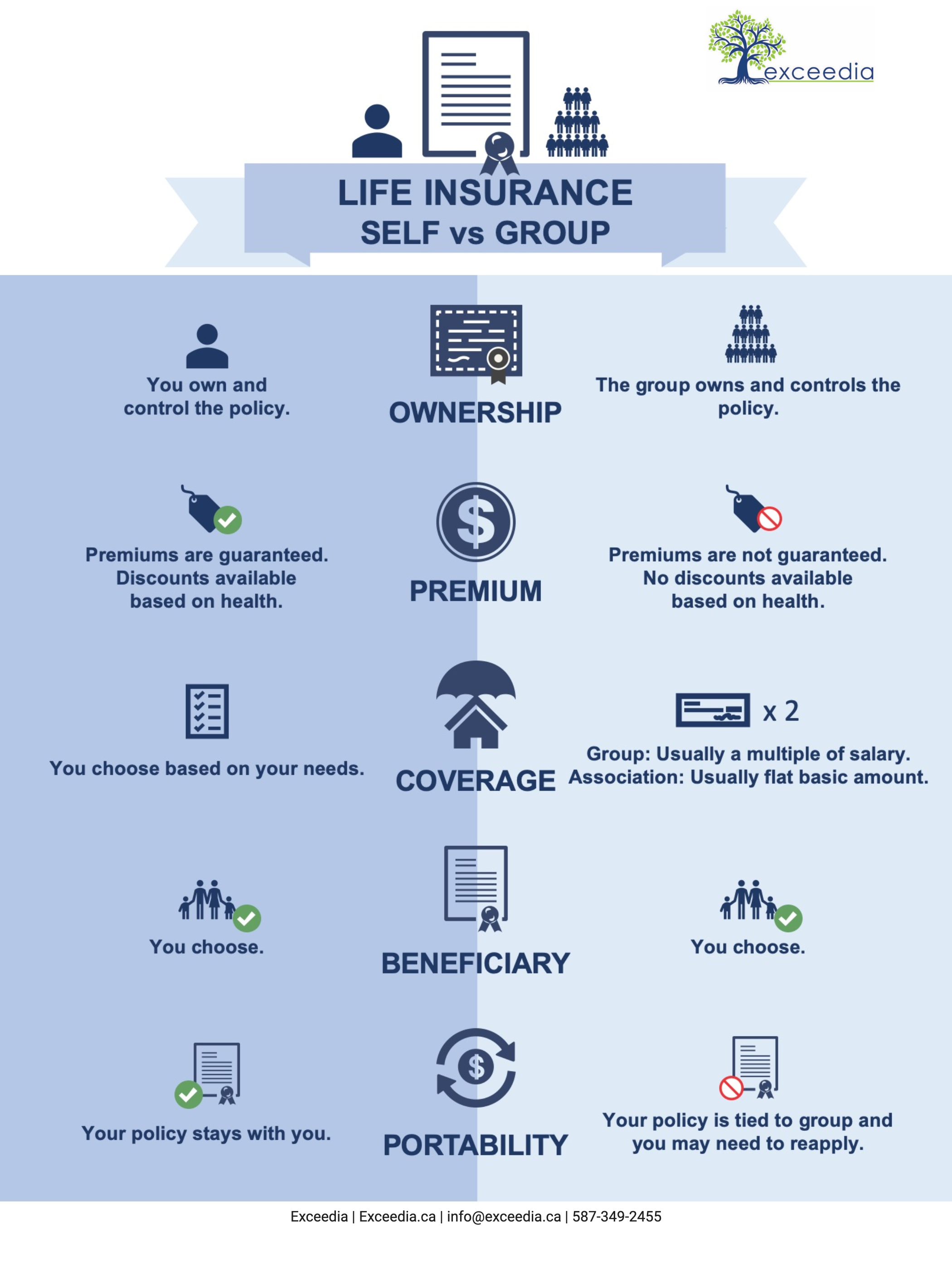
It is also important to evaluate whether you already possess accidental coverage through other channels. Many employers provide group life insurance policies that include automatic AD&D riders, and certain credit card companies, financial institutions, or membership organizations offer accidental death policies as bundled perks. Reviewing existing benefits prevents you from paying for redundant coverage while ensuring you correctly identify gaps in your primary protection strategy.
Common Pitfalls and Strategic Misconceptions
Navigating the insurance market frequently leads consumers into specific traps driven by marketing language or misunderstandings of policy wording. One major misconception is treating accidental life insurance as a budget-friendly substitute for regular life insurance. Purchasing a $500,000 accidental policy while assuming your family is fully protected creates a false sense of security, ignoring the statistical reality that Americans are far more likely to die from natural causes and illnesses than from sudden accidents.
Another critical consideration involves the definition of an "accident" within policy contracts. Insurance carriers maintain rigorous legal definitions regarding what constitutes an accidental death. If an insured individual passes away due to an accident while under the influence of unprescribed substances or alcohol, or while committing a misdemeanor or felony, the insurer will typically deny the death benefit claim entirely. Understanding these contractual nuances requires reading the exclusions section of any policy before signing.
Finally, policyholders must remain mindful of inflation and changing life stages. A flat-rate accidental policy or a short-term regular policy purchased in your twenties may prove completely inadequate by your forties when you have acquired a larger mortgage, dependent children, and mounting living expenses. Financial products should be periodically audited and adjusted to match evolving domestic responsibilities.
Making the Final Selection
Selecting the right insurance vehicle comes down to prioritizing comprehensive risk management over cost minimization. For the vast majority of individuals with financial dependents, regular life insurance must form the cornerstone of any protection plan, addressing both natural and accidental mortality risks with certainty. Accidental life insurance should be viewed strictly as a supplemental tool—a low-cost add-on designed to provide extra funds in specific worst-case scenarios, rather than a primary substitute for comprehensive coverage. Assess your health, calculate your family's true financial exposure, consult with a licensed independent insurance professional if necessary, and secure a policy that bridges your gaps without leaving your ultimate security to chance.