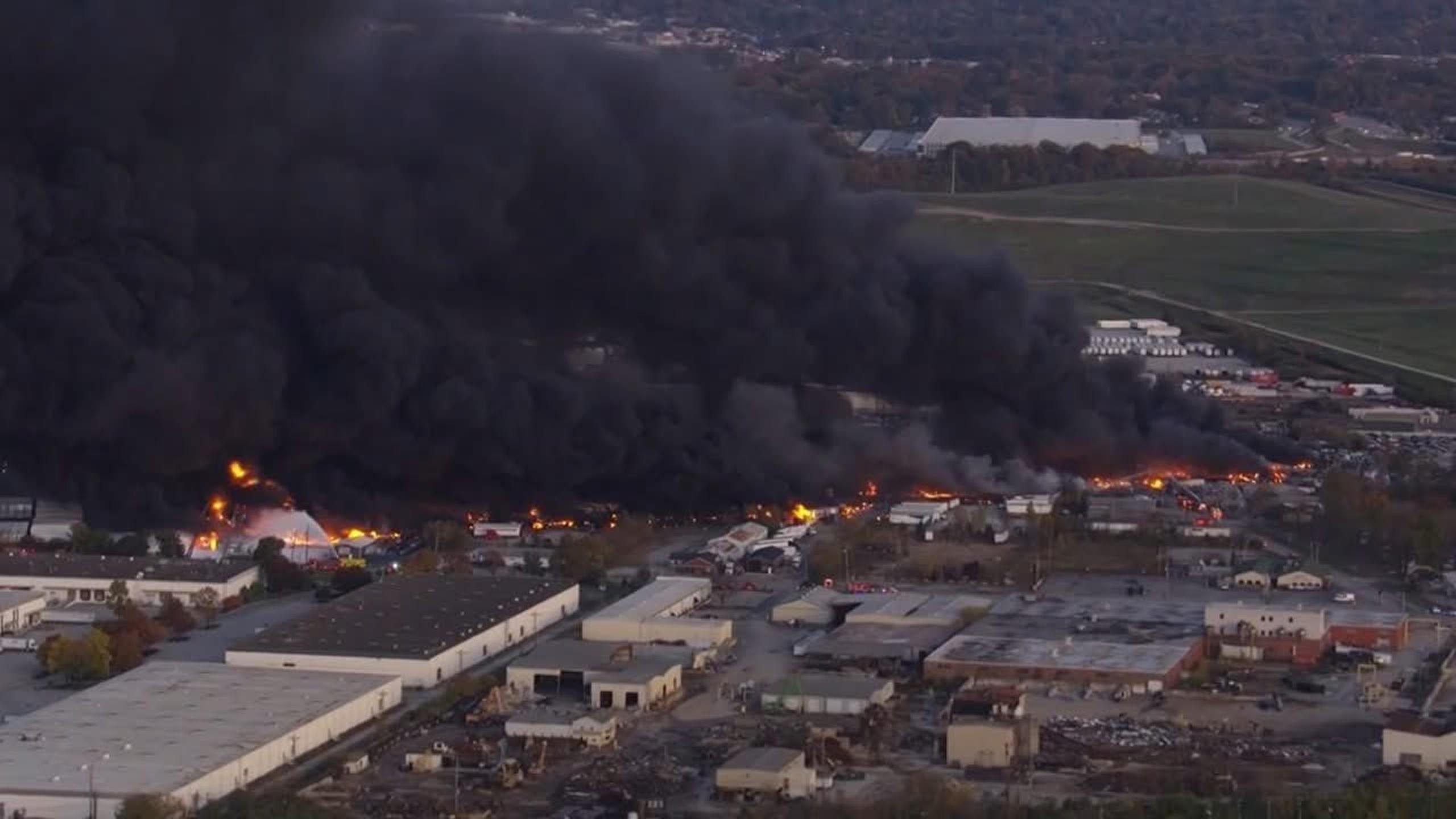
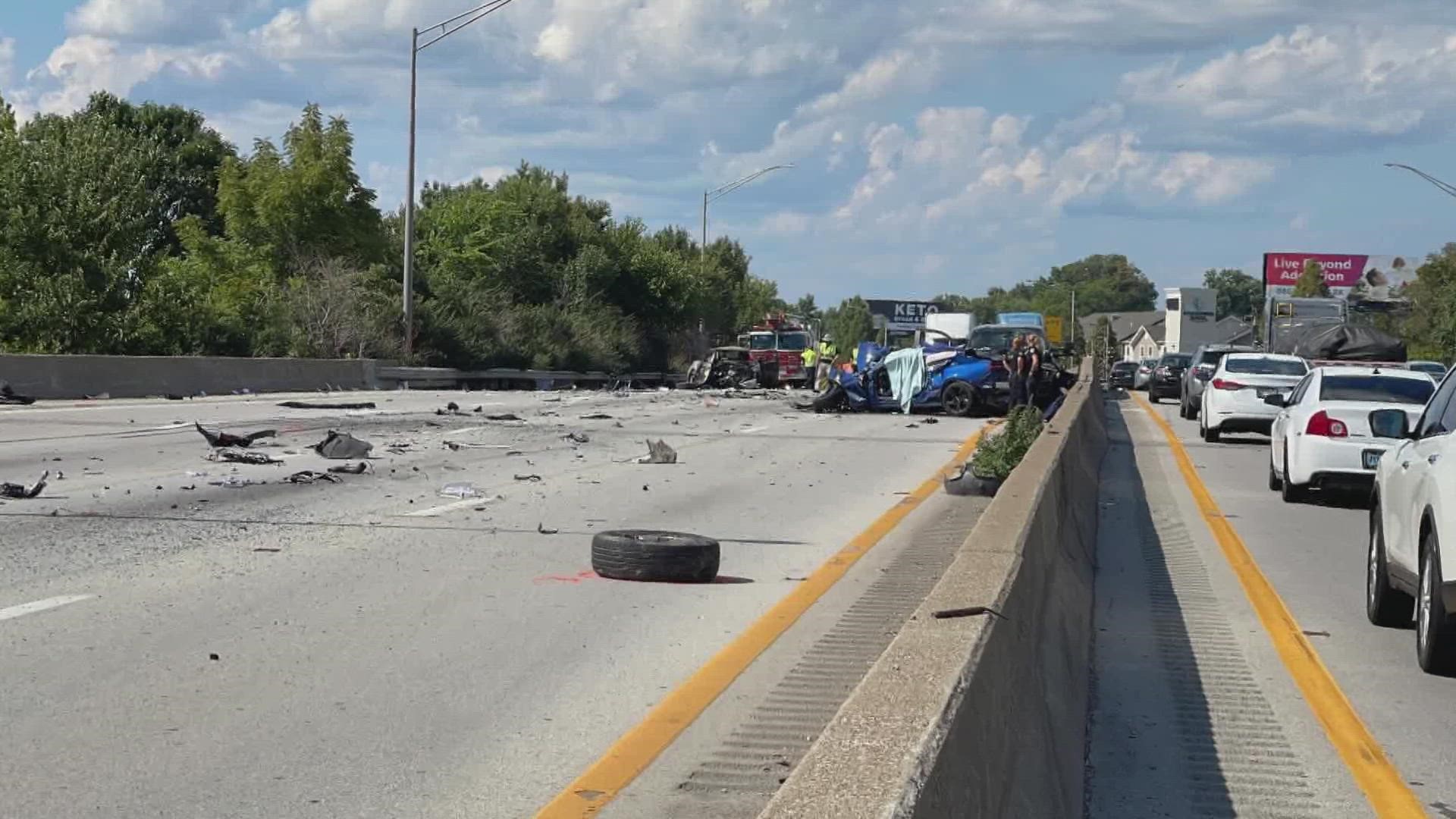
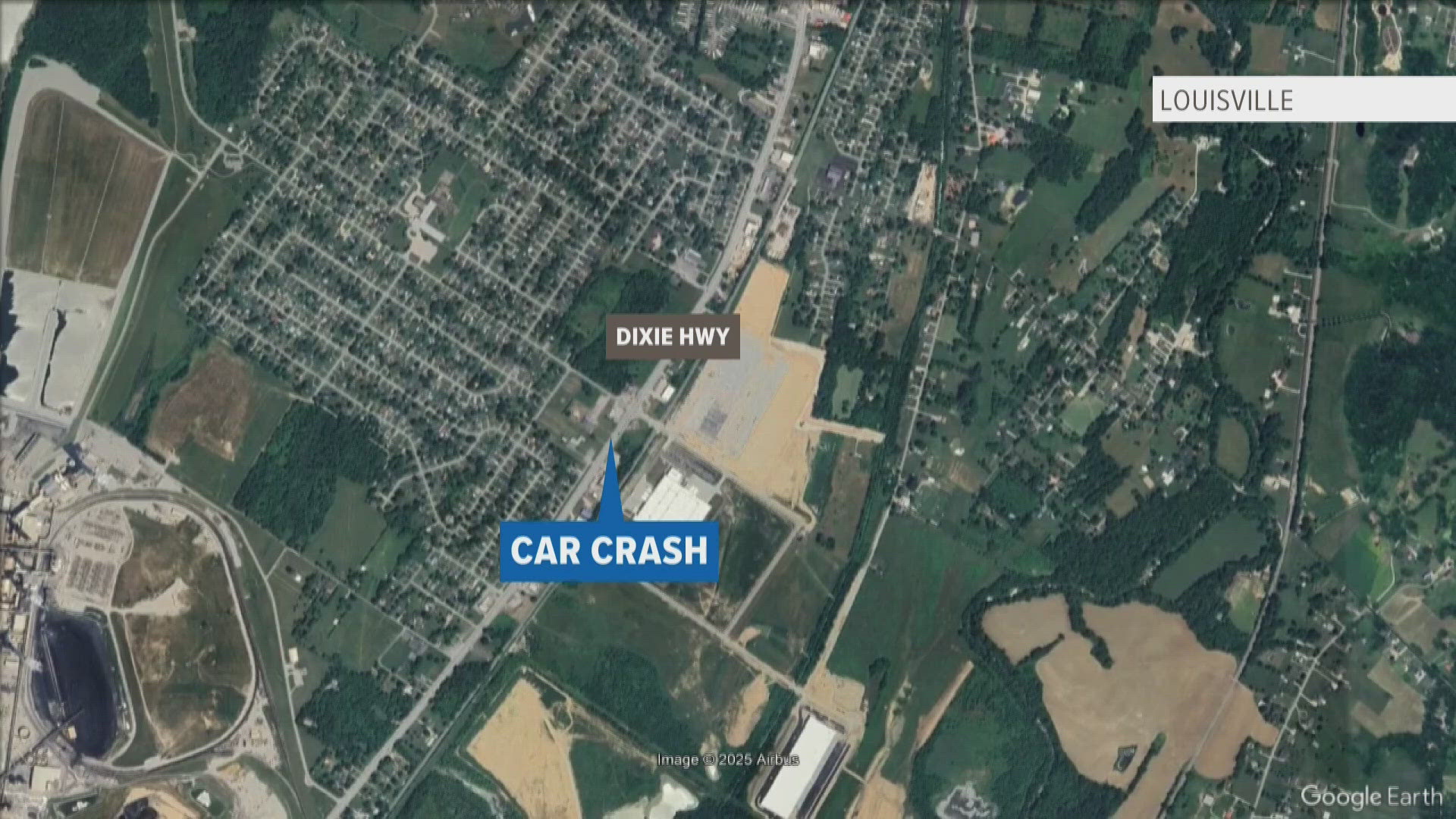
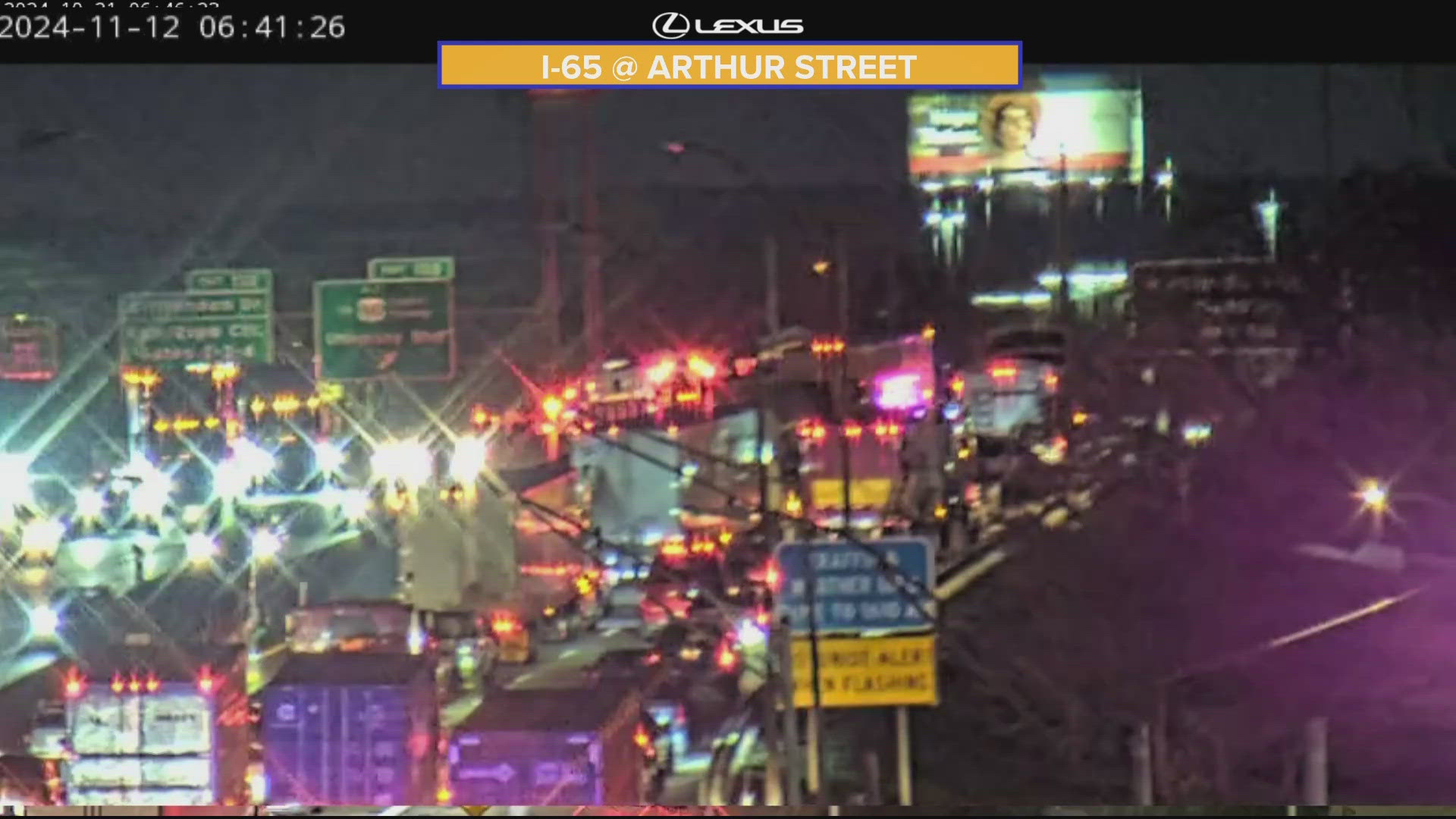
If you are involved in an accident in Louisville, Kentucky, your immediate priorities should be ensuring physical safety, contacting the Louisville Metro Police Department (LMPD) if injuries or significant damage occur, and exchanging insurance information. Kentucky’s specific "no-fault" insurance laws and pure comparative negligence rules dictate how medical bills are paid and how liability is assigned in 2026.
An accident in Louisville can range from a minor fender-bender on Bardstown Road to a serious multi-vehicle collision on the I-65/I-64/I-71 "Spaghetti Junction." Regardless of the severity, the steps you take in the minutes and days following the incident will significantly impact your ability to recover damages and comply with state law.
Immediate Steps at the Scene of an Accident in Louisville
The moments following a collision are often chaotic, but following a standardized protocol is essential for your physical and legal well-being. Under Kentucky Revised Statute (KRS) 189.580, any driver involved in an accident resulting in injury, death, or property damage must stop and remain at the scene.
Prioritizing Safety and Medical Attention
Before assessing property damage, check yourself and your passengers for injuries. If the vehicles are in a dangerous position—such as in the middle of a high-speed lane on the Watterson Expressway—and are still operable, move them to the shoulder to prevent secondary collisions. If the vehicles cannot be moved, turn on your hazard lights and set up flares or reflective triangles if available.
In Louisville, emergency services are dispatched via 911. Even if you believe your injuries are minor, internal trauma or whiplash may not manifest symptoms for several hours or days. Seeking immediate evaluation at a local facility like UofL Health - University of Louisville Hospital or Norton Hospital creates a medical record that links your injuries directly to the accident, which is a vital piece of evidence for insurance claims.
Exchanging Essential Information
While waiting for law enforcement, you are required to exchange specific information with the other drivers involved. At a minimum, you should collect:
- Full names and contact information.
- Driver’s license numbers and state of issuance.
- Insurance provider names and policy numbers.
- Vehicle identification numbers (VIN) and license plate numbers.
- The make, model, and year of all vehicles involved.
Avoid discussing fault at the scene. Statements such as "I'm so sorry, I didn't see you" can be interpreted as an admission of liability, even if the other party was primarily responsible for the crash. Stick to the facts when speaking with the other driver and the responding officer.
Reporting the Accident to Authorities
In Louisville, the reporting requirements depend on the severity of the accident and whether an officer responds to the scene.
When an Officer Responds
If the Louisville Metro Police Department (LMPD) or the Kentucky State Police (KSP) arrives at the scene, they will conduct an investigation and file a formal police report. This report is the foundational document for your insurance claim. The officer will interview drivers and witnesses, examine vehicle damage, and may issue citations if a traffic violation (such as speeding or running a red light) contributed to the accident.
Filing a Civilian Traffic Accident Report
If the police do not respond—which occasionally happens during severe weather events when the LMPD moves to an "emergency accidents only" protocol—you are still legally required to file a report if the damage exceeds $500. This is done via the Kentucky Civilian Traffic Accident Report. As of 2026, this can be submitted electronically through the Kentucky Transportation Cabinet (KYTC) portal. Failure to file this report within 10 days of the incident can lead to the suspension of your driving privileges.
How to Obtain an Accident Report in Louisville
Securing a copy of the official accident report is one of the first administrative tasks you should complete. This document contains the officer's findings, diagrams of the collision, and weather/road condition data.
Using the BuyCrash Portal
The majority of police agencies in Kentucky, including the LMPD, utilize the LexisNexis BuyCrash system for report distribution. To find your report, you will typically need:
- The date of the accident.
- The last name of a driver involved.
- The report number (provided by the officer at the scene) OR the VIN of your vehicle.
Reports usually take 3 to 10 business days to become available online. There is typically a convenience fee (ranging from $10 to $15) to download the digital copy.
Physical Pick-up and Mail Requests
If you prefer a physical copy, you can visit the LMPD Records Division located at the Central Government Center. However, digital access is generally faster and more reliable. Ensure you save a copy for your personal records and one for your insurance adjuster.
| Retrieval Method | Platform/Location | Typical Cost | Processing Time |
|---|---|---|---|
| Online (Recommended) | BuyCrash (LexisNexis) | $10 - $15 | 3-10 Business Days |
| In-Person | LMPD Records Division | $5 - $10 | Immediate (if ready) |
| Mail Request | KYTC / KSP Headquarters | $5.00 | 2-4 Weeks |
Understanding Kentucky’s No-Fault Insurance System
Kentucky is one of the few states that operates under a "choice no-fault" system. Understanding how this affects an accident in Louisville is critical for managing your medical expenses.
Personal Injury Protection (PIP)
By default, every auto insurance policy issued in Kentucky includes Personal Injury Protection (PIP). Regardless of who caused the accident, your own insurance company is responsible for paying the first $10,000 of your medical bills, lost wages, and out-of-pocket expenses.
The goal of this system is to ensure that injured parties receive immediate medical care without waiting for a lengthy investigation into liability. However, $10,000 can be exhausted quickly in the event of an emergency room visit or surgery.
The Threshold for Lawsuits
Because Kentucky is a no-fault state, your right to sue the other driver for "pain and suffering" is limited unless your case meets specific thresholds defined in KRS 304.39-060. You can only step outside the no-fault system and file a liability claim or lawsuit if:
- Your medical expenses exceed $1,000.
- The accident resulted in a broken bone, permanent disfigurement, permanent injury, or death.
If your injuries are minor and do not meet these criteria, you are generally limited to the benefits provided by your PIP coverage.
Fault and Liability: Pure Comparative Negligence
When an accident in Louisville involves damages that exceed the PIP limits, the legal concept of Pure Comparative Negligence applies. This rule determines how much compensation you can recover if you were partially at fault for the accident.
Under pure comparative negligence, a victim can recover damages even if they were 99% at fault. However, their total compensation is reduced by their percentage of fault. For example, if a jury determines that your total damages (medical bills, lost wages, pain and suffering) are $100,000, but they also find you were 20% responsible because you were slightly exceeding the speed limit, you would receive $80,000.
In Louisville, insurance adjusters use this rule to negotiate settlements. They will often point to local factors—such as obscured signage at a specific Jefferson County intersection or road construction on Dixie Highway—to argue that you shared some degree of responsibility.
Common Accident Locations in Louisville, KY
Louisville’s infrastructure presents several high-risk areas where accidents are frequent. Identifying these locations can help drivers exercise extra caution.
- Dixie Highway (The "Dixie Die-way"): Long known for high accident rates due to its mix of commercial entrances, heavy traffic, and pedestrian crossings. Recent improvements have aimed to reduce collisions, but it remains a hotspot.
- Hurstbourne Parkway at Shelbyville Road: This intersection is one of the busiest in the state, frequently seeing rear-end collisions during peak commuting hours.
- The Gene Snyder Freeway (I-265): High speeds and heavy truck traffic contribute to severe multi-vehicle accidents, particularly near the intersections with I-64 and I-71.
- The Second Street Bridge: Frequent lane closures and narrow lanes often lead to sideswipe accidents between Louisville and Jeffersonville, Indiana.
Legal Timelines: The Statute of Limitations
If you intend to file a lawsuit following an accident in Louisville, you must be aware of the strict deadlines imposed by Kentucky law.
For most personal injury cases arising from a vehicle accident, the statute of limitations is two years from either the date of the accident or the date of the last PIP payment made by your insurance company (whichever is later). This differs from the standard one-year personal injury limit in Kentucky for non-vehicular accidents.
For property damage only (e.g., damage to your car), you generally have two years from the date of the accident to file a claim. Missing these deadlines will result in the permanent loss of your right to seek compensation through the court system.
Dealing with Insurance Adjusters
After an accident, you will likely be contacted by an insurance adjuster from the other driver's company. It is important to remember that the adjuster's primary goal is to minimize the payout for their employer.
- Do not give a recorded statement without consulting a professional. These statements can be used against you later to highlight inconsistencies in your account of the accident.
- Do not sign medical release forms that allow the insurer to access your entire medical history. They may look for "pre-existing conditions" to argue that your current injuries are not related to the accident.
- Be wary of early settlement offers. Insurance companies often offer a quick check in exchange for a full release of liability. If you sign this before you have finished medical treatment, you cannot go back and ask for more money if your condition worsens.
When to Consult a Louisville Accident Attorney
Not every accident requires legal representation. If the accident involved only minor property damage and no injuries, you can likely handle the claim directly with the insurance companies. However, you should consider professional legal advice if:
- The accident resulted in serious or permanent injury.
- Liability is being disputed by the other driver or their insurer.
- The accident involved a commercial truck, a government vehicle, or a ride-sharing service (Uber/Lyft).
- The insurance company has denied your claim or is offering an amount that does not cover your medical bills.
Louisville has a robust legal community, with many firms focusing specifically on Kentucky’s unique traffic laws. Most of these professionals work on a contingency fee basis, meaning they only get paid if they successfully recover money for you.
Frequently Asked Questions
What if the other driver doesn't have insurance?
Kentucky requires all drivers to carry liability insurance, but many ignore this law. If you are hit by an uninsured driver in Louisville, you can turn to your own Uninsured Motorist (UM) coverage. This is an optional but highly recommended part of your policy that pays for your damages when the at-fault party lacks coverage.
Can I get a police report if the accident happened on private property?
LMPD typically does not file a formal "Kentucky Uniform Police Traffic Accident Report" for collisions that occur on private property (like a grocery store parking lot) unless there is a significant injury or a criminal act involved (like a DUI). In these cases, the officers may simply facilitate an exchange of information between the parties.
Does Kentucky’s no-fault law apply to property damage?
No. The "no-fault" designation in Kentucky applies only to medical expenses and lost wages (PIP). Property damage is still handled on an "at-fault" basis. The driver who caused the accident is responsible for the repairs to your vehicle.
How long does it take to settle an accident claim in Louisville?
The timeline varies significantly. A simple property damage claim may be resolved in a few weeks. However, a personal injury claim should not be settled until you have reached "Maximum Medical Improvement" (MMI), which could take months or even years, depending on the severity of your injuries.
What should I do if I’m an Indiana resident in a Louisville accident?
Because Louisville sits on the border, many accidents involve out-of-state drivers. If the accident occurs in Kentucky, Kentucky's laws (including PIP and the two-year statute of limitations) generally apply, regardless of where your vehicle is registered.
Practical Recommendation
If you have been involved in an accident in Louisville, your first administrative step should be to download the police report from the BuyCrash portal as soon as it becomes available. Simultaneously, contact your insurance provider to open a PIP claim so that your medical providers can begin billing your insurance directly. This prevents your medical accounts from going into collections while liability is being determined. Finally, keep a detailed log of all medical appointments, missed work days, and physical symptoms to ensure you have a comprehensive record for your final settlement.