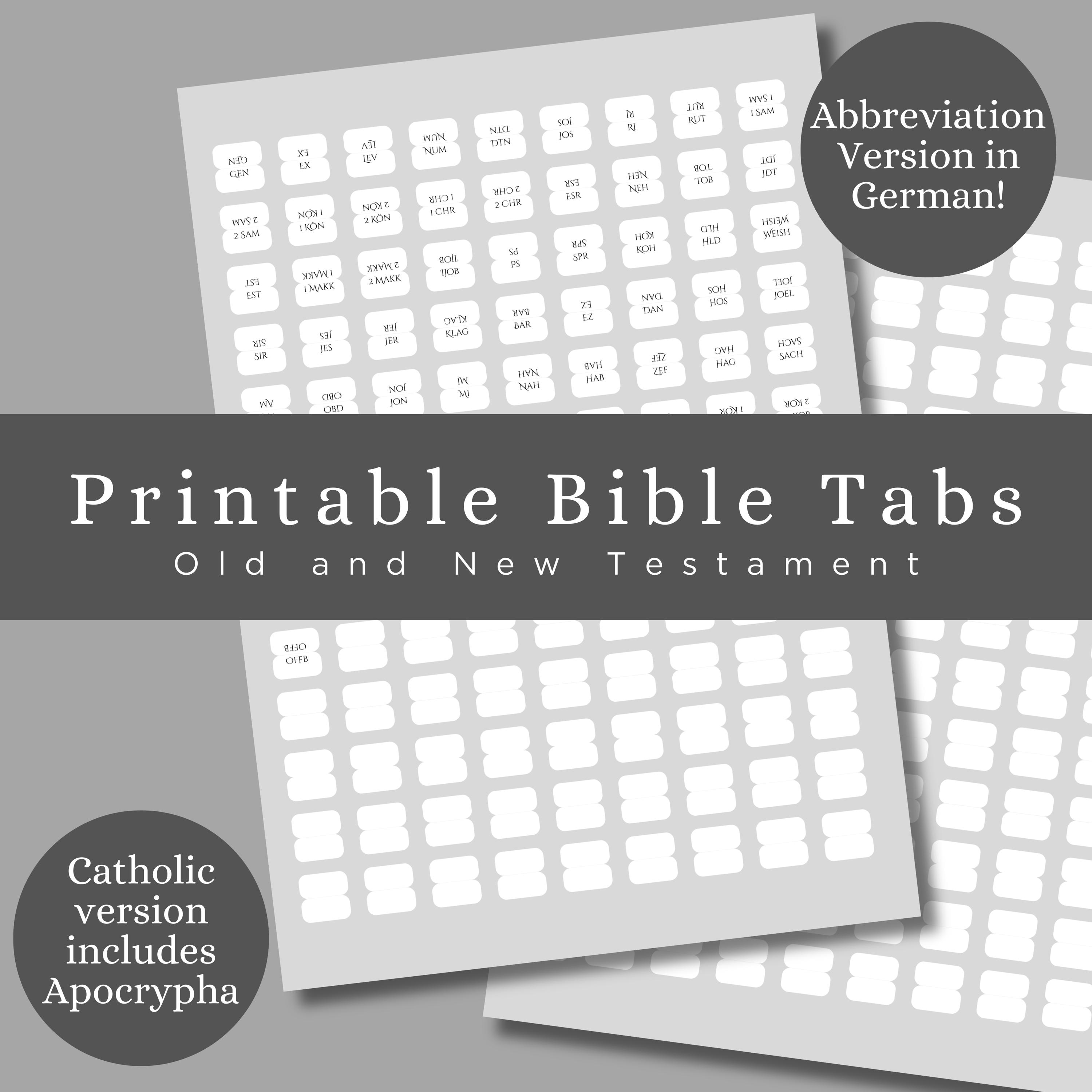
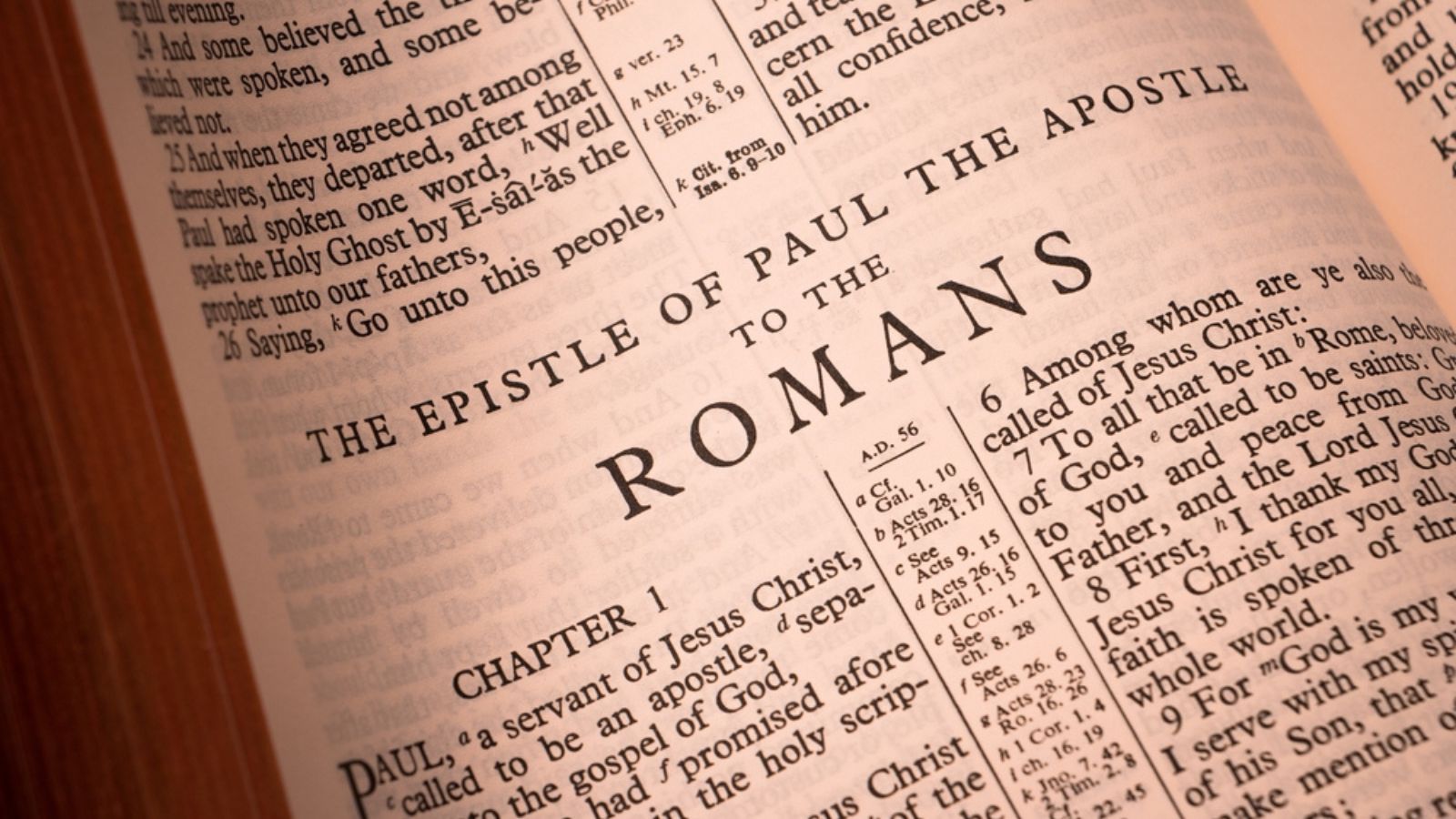
The standard abbreviation for the Book of Romans in the Bible is Rom. (or Rom without a period, depending on the specific style guide). Secondary short forms such as Ro. or Rm. occasionally appear in older print commentaries, study Bibles, or compact reference tools, but Rom. is universally recognized across academic, publishing, and ecclesiastical contexts.
Primary Abbreviations for the Epistle to the Romans
When referencing the New Testament letter written by the Apostle Paul to the believers in Rome, scholars, editors, and writers rely on shorthand abbreviations to maintain clarity and conciseness. Understanding the correct abbreviation for Romans depends on the publication setting, the intended audience, and the style manual governing the document.
The Universal Standard: Rom. / Rom
The most common and widely accepted abbreviation for Romans is Rom. (with a period in traditional styles) or Rom (without a period in modern academic styles).
This three-letter shorthand is intuitive, unambiguous, and supported by almost every major publishing house and theological index. Because it retains the first three letters of the book's full title, readers can instantly distinguish it from other biblical books that begin with the letter "R," such as Ruth or Revelation.
- Standard Form with Period:
Rom. 1:16 - Standard Form without Period (SBL Style):
Rom 1:16
Secondary and Historical Abbreviations: Ro. and Rm.
While Rom. dominates contemporary publishing, secondary abbreviations exist in historical literature, older reference works, and specialized concordances where space constraints were severe.
- Ro. – Frequently found in 19th- and early 20th-century commentaries (such as Matthew Henry's commentary or older editions of Strong’s Concordance). While readable, it is less common today because it can occasionally be misread as an abbreviation for Revelation or Ruth if printed in ambiguous typography.
- Rm. – Used in select liturgical books, hymnals, and compact study guides. While functional, modern editors generally replace Rm. with Rom. to ensure consistency across technical bibliographies.
- Rms. – An informal abbreviation that occasionally appears in personal notes or church bulletins. It is not recognized by any standard academic or commercial style guide and should be avoided in formal writing.
Biblical Citation Standards across Major Style Guides
Different academic disciplines, publishers, and denominations follow specific style guides that dictate how biblical abbreviations should be formatted. Below is a breakdown of how the Book of Romans is abbreviated across the primary editorial standards.
Society of Biblical Literature (SBL)
The SBL Handbook of Style is the authority for academic writing in biblical studies, theology, and Near Eastern studies. SBL guidelines strictly eliminate periods after book abbreviations in citations to maintain clean, clutter-free footnotes and parenthetical references.
- Abbreviation:
Rom(No period) - Parenthetical Citation Example:
(Rom 3:21–26) - Footnote Citation Example:
Rom 5:1–5.
Under SBL rules, if the book name appears in the main narrative text, it must be spelled out in full ("In Romans 8, Paul discusses the life of the Spirit"). The abbreviated form Rom is reserved exclusively for parenthetical references, footnotes, endnotes, and parenthetical scripture lists.
The Chicago Manual of Style (CMOS)
The Chicago Manual of Style provides two separate approaches to biblical citations: a standard abbreviation system for general humanities publishing and a specialized system for scholarly theological works (which closely aligns with SBL).
- General Humanities Option:
Rom.(Includes a period) - Scholarly/Technical Option:
Rom(Omits the period)
Chicago guidelines specify that biblical names should be spelled out when mentioned as a noun in the body of a paper. Abbreviated forms are used in parenthetical citations, footnotes, and bibliography references when specific chapters and verses are cited.
APA Style (American Psychological Association)
APA Style guidelines generally require writers to spell out the names of biblical books in the body text. However, when citing specific passages parenthetically, standard recognizable abbreviations may be used.
- Standard APA Form:
Rom. - Parenthetical Citation Example:
(Rom. 12:2, New International Version)
APA requires the bible translation or version to be named in the initial citation within a document.
MLA Style (Modern Language Association)
MLA style emphasizes brevity in inline citation blocks. The ninth edition of the MLA Handbook recommends using standard abbreviated names for books of the Bible that are longer than four letters when appearing in parenthetical citations.
- Standard MLA Form:
Rom. - Parenthetical Citation Example:
(Rom. 6.1–4)
Note that classic MLA citation style traditionally used periods instead of colons between chapter and verse numbers (Rom. 6.1–4), though modern usage widely accepts the colon (Rom. 6:1–4) if maintained consistently throughout the manuscript.
Digital Standards: OSIS and Bible Software Identifiers
Digital humanities projects, software developers, and database architects use standardized encoding systems to index scripture text. The Open Scriptural Information Standard (OSIS) defines standardized, machine-readable keys for every book of the Bible.
- OSIS Book Key:
Rom - Logos Bible Software Data Type:
RomorRomans - Paratext Short Code:
ROM
In digital systems, capitalization mattering depends on the query engine, but standard three-letter uppercase codes (ROM) are typical for internal software file formats and XML schema tags.
Standard Biblical Abbreviations Comparison Table
The following table summarizes the correct formatting of the Book of Romans across academic, commercial, and technical citation frameworks.
| Citation Style / System | Abbreviation | Requires Period? | Example Chapter & Verse Citation | Primary Context / Field |
|---|---|---|---|---|
| SBL Handbook of Style | Rom |
No | Rom 8:28 |
Academic Theology, Biblical Studies |
| Chicago Manual (General) | Rom. |
Yes | Rom. 8:28 |
General Humanities, Book Publishing |
| Chicago Manual (Scholarly) | Rom |
No | Rom 8:28 |
Advanced Historical & Classical Studies |
| MLA Style Manual | Rom. |
Yes | Rom. 8.28 or Rom. 8:28 |
Literary Criticism, English Studies |
| APA Style Manual | Rom. |
Yes | Rom. 8:28 |
Social Sciences, Behavioral Studies |
| OSIS Standard Key | Rom |
No | Rom.8.28 (XML notation) |
Digital Humanities, Software Development |
| Traditional / Catholic | Rm or Rom. |
Optional | Rm 8, 28 or Rom. 8:28 |
Liturgical Texts, Church Lectionaries |
| Historical Commentaries | Ro. |
Yes | Ro. viii. 28 |
19th-Century Print Resources |
Formatting Rules for Verse Citations
Abbreviating the Book of Romans is only the first step in properly constructing a biblical citation. Authors must also apply standard punctuation and spacing conventions when combining the book abbreviation with chapter and verse numbers.
Chapter and Verse Punctuation
The standard separator between the chapter number and the verse number is the colon (:).
- Correct:
Rom 1:16 - Alternative (Classical MLA / European):
Rom 1.16orRom 1, 16
In modern English publishing, the colon is nearly universal. Ensure there is no space before or after the colon.
Range and List Conventions
When referencing multiple verses or chapters within Romans, follow these structural rules:
- Sequential Verses: Use an en-dash (
–) without spaces to indicate a continuous range of verses.- Example:
Rom 3:21–26
- Example:
- Non-Sequential Verses: Use a comma followed by a space to separate individual verses within the same chapter.
- Example:
Rom 3:21, 23, 26
- Example:
- Multiple Chapters: Separate distinct chapter references using a semicolon.
- Example:
Rom 5:1–5; 8:1–4
- Example:
- Cross-Chapter Ranges: When a passage spans across chapter boundaries, connect the full chapter-and-verse reference with an en-dash.
- Example:
Rom 7:21–8:4
- Example:
Textual Placement: Narrative vs. Parenthetical Rules
A common mistake in editorial practice is placing abbreviated book names directly into narrative prose.
- Incorrect Narrative Usage: "In Rom. 8, Paul describes the doctrine of adoption."
- Correct Narrative Usage: "In Romans 8, Paul describes the doctrine of adoption."
- Correct Parenthetical Usage: "Believers are described as co-heirs with Christ (Rom 8:17)."
The rule of thumb is straightforward: Spell out the book name in the body of your narrative; abbreviate the book name in citations, footnotes, tables, and parenthetical references.
Context and Significance of the Book of Romans
Understanding why the Book of Romans is cited so frequently provides context for why strict citation standardization is necessary.
Canon Placement and Structure
In the New Testament canon, the Epistles attributed to Paul are arranged not chronologically, but roughly by length, starting with letters written to churches and followed by letters written to individuals. The Epistle to the Romans is the longest of Paul's letters, which places it first among the Pauline epistles immediately following the Book of Acts.
Because of its canonical position and extensive theological arguments, Romans is one of the most frequently cited texts in Christian theology, historical studies, and Western philosophy. Standardizing its abbreviation to Rom. ensures that complex theological works containing hundreds of scripture citations remain readable and organized.
Core Themes Frequently Cited in Research
Authors citing Romans often reference specific canonical passages known for defining key doctrines:
- The Righteousness of God:
Rom 1:16–17 - Universal Human Need:
Rom 3:23 - Justification by Faith:
Rom 5:1–2 - Life in the Spirit:
Rom 8:1–11 - Christian Ethics and Practical Living:
Rom 12:1–21 - Submission to Governing Authorities:
Rom 13:1–7
Because these passages are cited extensively in academic papers, historical research, and legal-philosophical treatises, adhering to standard abbreviation styles preserves consistency across cross-disciplinary literature.
Common Citation Mistakes to Avoid
When incorporating references to the Book of Romans into written manuscripts, avoid these frequent errors:
1. Confusing Romans with Other "R" Books
The Bible contains three books beginning with the letter "R": Ruth, Romans, and Revelation. Using non-standard single-letter or two-letter abbreviations can create confusion for readers.
- Ruth: Abbreviated as
Ruth(Do not abbreviate four-letter books in most styles). - Romans: Abbreviated as
RomorRom. - Revelation: Abbreviated as
RevorRev.
Never use R or Rv for Romans, as Rv is commonly recognized as an abbreviation for Revelation in liturgical contexts.
2. Inconsistent Period Usage
Switching between Rom. (with a period) and Rom (without a period) within the same manuscript violates standard copyediting principles. Select one citation framework (such as SBL for theology or CMOS for general humanities) at the start of your project and apply it consistently across all footnotes, endnotes, and parenthetical citations.
3. Combining Translation Abbreviations Incorrectly
When citing a specific verse along with the Bible translation, place the translation abbreviation in capital letters after the verse numbers, separated by a space.
- Correct:
Rom 8:28 NIVor(Rom. 8:28, ESV) - Incorrect:
Rom.NIV 8:28orRom 8:28 (N.I.V.)
Standard translation identifiers include NIV (New International Version), ESV (English Standard Version), KJV (King James Version), NRSV (New Revised Standard Version), and NASB (New American Standard Bible).
Frequently Asked Questions
What is the official three-letter abbreviation for Romans?
The standard three-letter abbreviation for Romans is Rom. In academic writing following SBL guidelines, it appears without a period (Rom). In general publishing and Chicago style, it often includes a period (Rom.).
Is "Ro" or "Rm" an acceptable abbreviation for Romans?
While Ro. and Rm. appear in older commentaries and liturgical references, they are considered outdated in modern publishing. Authors should use Rom. (or Rom) to comply with contemporary style guides.
Should I abbreviate Romans in the main text of an essay?
No. In formal academic and publishing standards, book names should be written in full when they appear in narrative sentences (e.g., "Paul wrote to the Romans"). Abbreviations should only be used in parenthetical citations, footnotes, tables, and reference lists.
How do I cite multiple chapters in the Book of Romans?
Separate distinct chapter references using a semicolon. For example, to cite chapter 3, verses 21 through 26, and chapter 5, verses 1 through 5, write: Rom 3:21–26; 5:1–5.
Does MLA style use colons or periods for Romans verse citations?
Traditionally, older MLA editions preferred periods between chapter and verse numbers (e.g., Rom. 8.28). However, modern MLA style (8th and 9th editions) permits the use of colons (Rom. 8:28), which is the standard across almost all other modern editorial systems.
Practical Guidance for Writers and Editors
To ensure your manuscript maintains institutional-grade accuracy when referencing the Epistle to the Romans, follow this simple implementation checklist:
- Identify Your Target Style Guide: Determine whether your publication requires SBL, Chicago, APA, or MLA guidelines.
- Apply the Standard Short Form: Use Rom for SBL/technical theological writing or Rom. for standard academic and general publishing.
- Check Narrative Consistency: Audit your text to confirm that the word Romans is fully spelled out in narrative sentences and abbreviated only within citation blocks.
- Format Verse Ranges Correctly: Ensure all passage spans use an en-dash (
–) rather than a hyphen (-) without surrounding spaces (Rom 12:9–21). - Verify Translation Labels: Ensure Bible version acronyms (e.g.,
ESV,NRSV) follow the verse reference cleanly without unnecessary punctuation.
By adhering to these citation rules, your writing will reflect scholarly precision and remain accessible to readers across academic and editorial disciplines.
EDITORIAL CATEGORY METADATA: