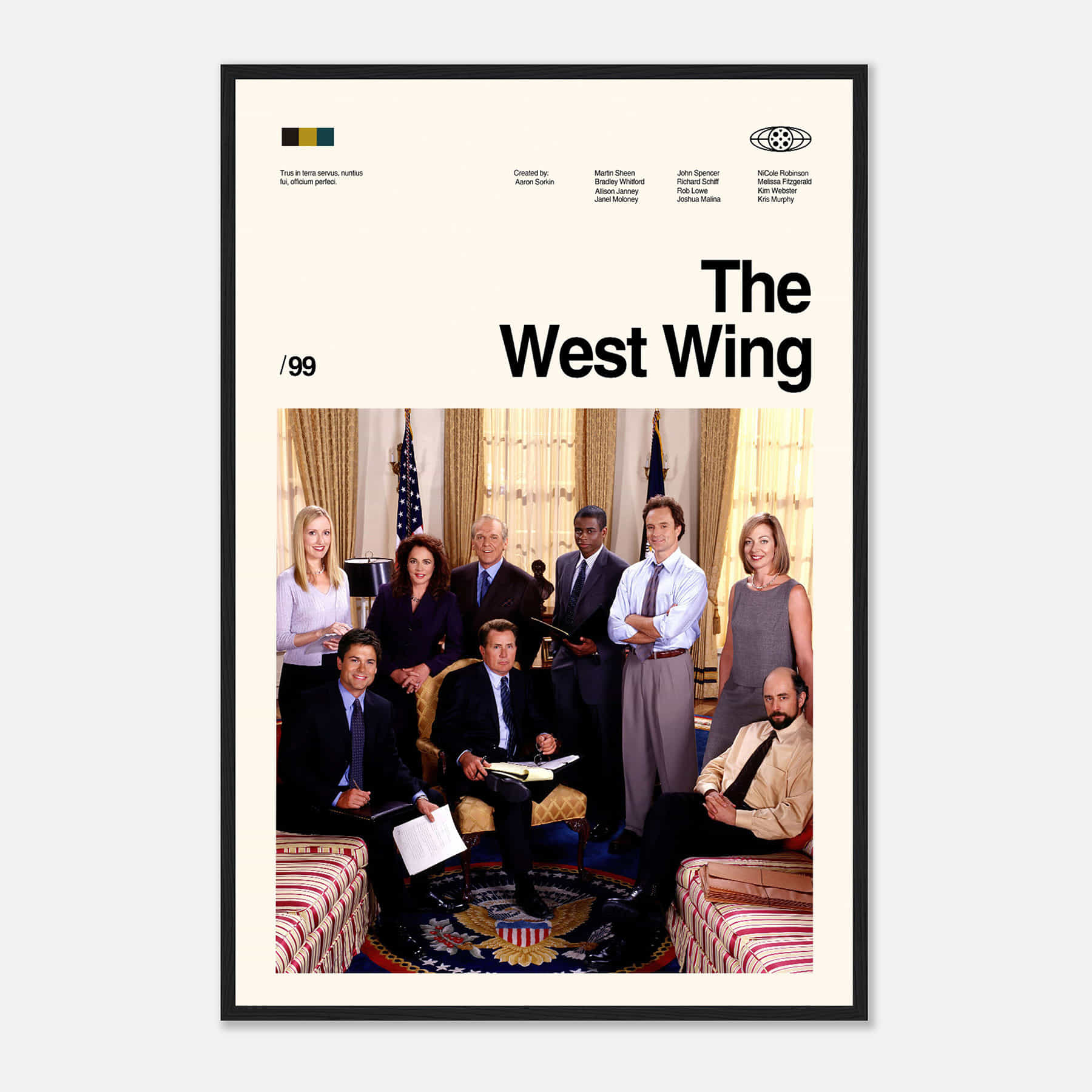
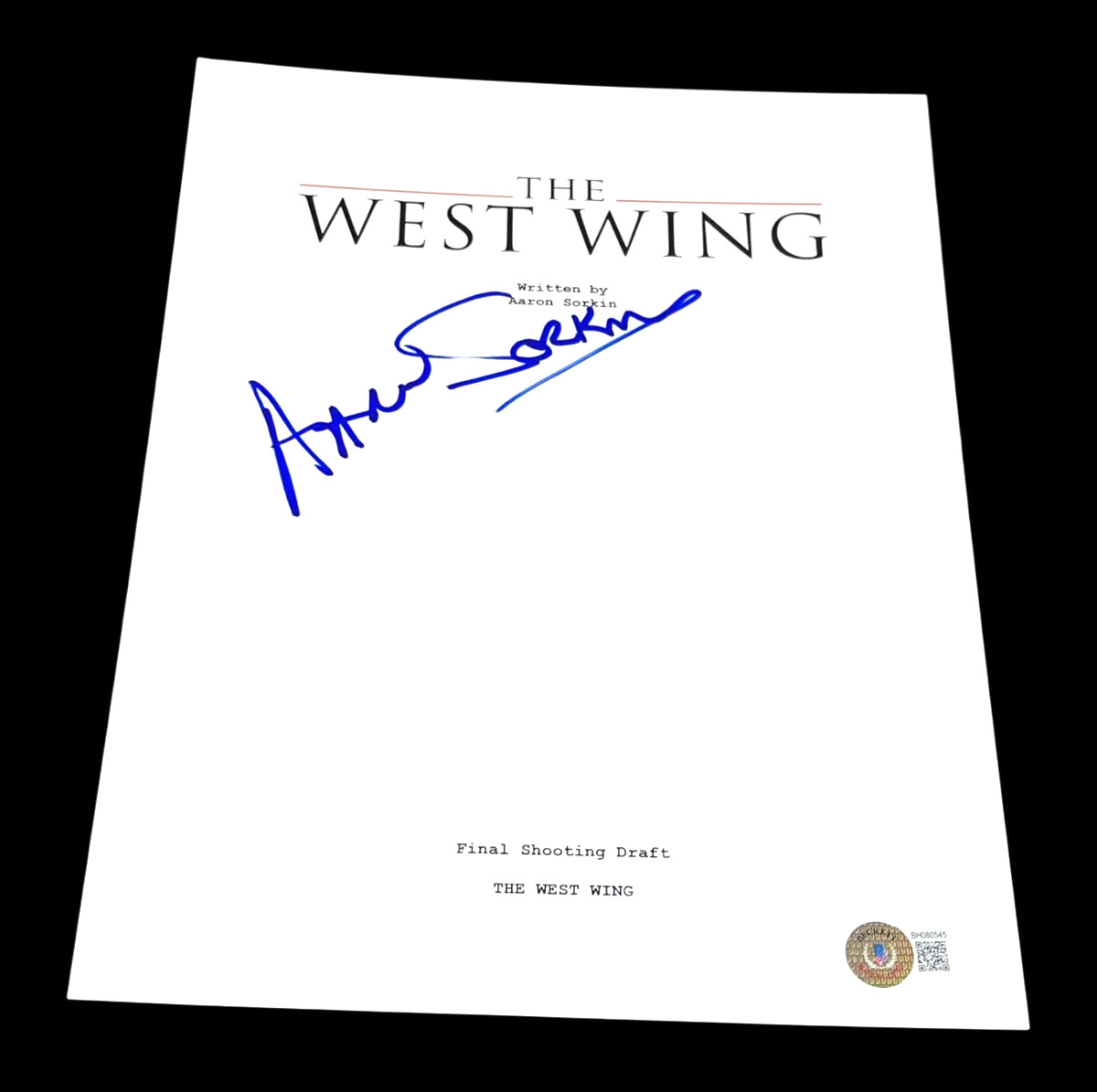
The departure of Aaron Sorkin from The West Wing in 2003 marked a seismic shift in television history, representing the rare exit of an auteur creator at the height of his show's critical and commercial success. Driven primarily by contract disputes with Warner Bros. Television and the exhaustion of maintaining a grueling production schedule, Sorkin’s exit concluded a four-year run that fundamentally redefined the prestige political drama.
The Architecture of a Creative Powerhouse
To understand why Aaron Sorkin left The West Wing, one must first understand the unique production environment he established. When the show premiered in 1999, it was not merely a series; it was an extension of Sorkin’s rapid-fire dialogue, idealistic political philosophy, and distinct narrative structure. Unlike most series, where a writers' room operates under the supervision of a showrunner, Sorkin wrote or co-wrote nearly every episode of the first four seasons.
This level of singular control meant that the show's "voice" was indistinguishable from Sorkin’s personal creative output. However, this structure was inherently fragile. By 2003, the physical and mental toll of writing 22 episodes a year—a pace known in the industry as the "Sorkin treadmill"—had reached a breaking point. The production was notorious for scripts being delivered days, sometimes hours, before filming, leading to massive overtime costs and strained relationships with the studio.
The 2003 Contractual Conflict
The immediate catalyst for the departure was the expiration of Sorkin’s contract alongside that of director and executive producer Thomas Schlamme. By the end of the fourth season, the relationship between the creators and Warner Bros. Television had become increasingly acrimonious.
The primary friction points included:
- Production Costs: The studio was eager to rein in the ballooning budgets caused by constant last-minute rewrites and the high production value Sorkin demanded.
- Creative Autonomy: Following the success of the first four seasons, the studio sought more oversight regarding the show's creative direction, which ran counter to the total control Sorkin had exercised since the pilot.
- The "Burnout" Factor: Sorkin and Schlamme had expressed a desire for a hiatus or a reduction in the number of episodes, concessions the studio was unwilling to grant given the show’s status as a flagship property for NBC.
When negotiations stalled, the studio exercised its leverage. Because Sorkin and Schlamme were not willing to compromise on the level of control and the production pacing they felt the show required, the decision was made to part ways. On May 2, 2003, it was announced that both would step down, effective at the end of the fourth season.
The Cultural Impact of the Departure
The departure of an creator during the prime of a television series is often a death knell for its quality. In the case of The West Wing, the exit created an immediate vacuum. John Wells, already an established producer through ER, took over the reins. The show underwent an immediate tonal shift; the dialogue became less stylized, the camera work (previously characterized by the "walk and talk" tracking shots pioneered by Schlamme) became more conventional, and the narrative focus transitioned from character-driven idealism to more traditional procedural political maneuvering.
The shift served as a case study for the industry regarding the difficulty of sustaining a creator-driven drama without its architect. While the series continued for three more seasons and won several awards, critics and long-term fans frequently divide the series into "The Sorkin Years" and "The Post-Sorkin Years," with the 2003 departure acting as the definitive dividing line.
Comparison of Production Dynamics
| Feature | Sorkin Era (Seasons 1-4) | Post-Sorkin Era (Seasons 5-7) |
|---|---|---|
| Script Control | Sole Author/Writer's Room Lead | Collaborative Writing Staff |
| Dialogue Style | Rapid-fire, stylized, rhythmic | Naturalistic, accessible |
| Visual Direction | Complex "walk and talk" sequences | Conventional single/multi-camera |
| Narrative Tone | High-minded idealism | Pragmatic political reality |
| Production Pace | Late delivery / High pressure | Structured / Scheduled |
Examining the Aftermath: Could It Have Been Different?
In the years following 2003, interviews with cast members and studio executives have provided a more nuanced view of the exit. It is widely acknowledged that the show had reached a "narrative wall." By the end of the fourth season, the Bartlet administration had addressed many of the major conflicts established in the series premiere.
Some industry analysts suggest that had Sorkin stayed, the show might have suffered from stagnation. His departure forced the writers to introduce new characters (such as the Santos and Vinick campaigns in the final seasons) to inject new blood into the narrative. This evolution, while criticized by purists, arguably extended the show’s life and allowed it to conclude with a planned finale rather than a sudden cancellation.
Addressing Common Misconceptions
There are several myths surrounding the 2003 departure that warrant clarification:
- Was it a firing? While often reported as a tense separation, it was a failure to reach new contract terms. Both parties had legitimate, opposing professional needs.
- Was it purely about money? While money is always a factor in Hollywood contracts, the primary evidence suggests that creative control and the physical sustainability of the production were the dominant issues.
- Did the show decline immediately? Critics argue that the quality did not necessarily "decline" in a vacuum, but rather changed in "nature." The shift from an idealistic fairy tale to a realistic political drama was an intentional choice by the new production team.
FAQ: Understanding the Transition
Why was the 2003 season finale the perfect exit point for Sorkin? The season four finale, "Twenty Five," involved a major shift in the political landscape of the series, effectively closing the central conflict of the administration’s first term. It provided a natural narrative bridge that allowed for a change in leadership without disrupting the continuity of the show's universe.
How did the "walk and talk" change after Sorkin left? The "walk and talk"—a technique where characters move through the White House while engaging in long, complex dialogues—was a staple of the show's aesthetic. After 2003, these sequences became shorter and less frequent, shifting toward more stationary dialogue scenes that were easier to film and script.
What did John Wells change immediately? John Wells shifted the focus toward a more ensemble-based writing style. Instead of the singular "Sorkin voice," the dialogue was opened up to various writers, resulting in a more varied, albeit less distinct, linguistic signature across the remaining episodes.
Did the ratings decline immediately after the departure? The ratings for The West Wing were already experiencing a gradual decline before the departure, consistent with the aging of a network drama. While there was a noticeable dip in viewership in the fifth season, it was part of a broader trend affecting television viewership during that period.
Recommendation for Viewers
If you are currently re-watching the series or analyzing its history, it is recommended to view the fifth season as a "transitional period." The first four seasons represent a self-contained masterclass in high-concept episodic television, while the final three seasons should be assessed as an experiment in maintaining that legacy through a rotating creative team.
For a deeper understanding of this era, prioritize reading contemporary reports from 2003 regarding the contract negotiations. These provide the most accurate window into the business realities that led to one of the most significant changes in prime-time television history.