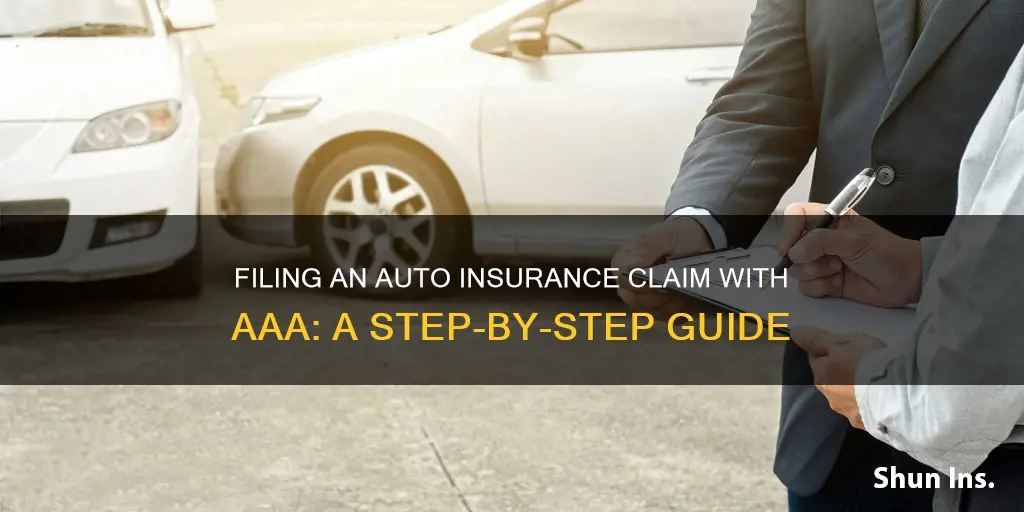
Filing an auto insurance claim with AAA in Northern California requires following a structured reporting process that prioritizes immediate safety, thorough documentation, and timely communication with your regional insurance provider. Whether you are dealing with a minor fender bender or a significant collision, understanding the specific procedural requirements for the Northern California region ensures your claim is processed efficiently and in compliance with your policy terms.
Immediate Post-Accident Priorities
The moment an accident occurs, your focus must remain on safety and legal compliance. In Northern California, regardless of fault, your first responsibility is to ensure the safety of all involved parties. Move your vehicle to a safe location if it is operable and does not obstruct traffic flow dangerously. If you are on a busy freeway like I-80 or US-101, remain inside your vehicle if it is safer to do so while waiting for emergency services.
Once safety is established, you are legally required to exchange information with the other driver(s) involved. Collect the following details: full names, contact information, insurance company names, policy numbers, driver’s license numbers, and license plate numbers. If there are witnesses, obtain their contact details as well. Document the scene by taking clear, high-resolution photographs of vehicle damage, the position of vehicles relative to road markings, traffic signals, and any relevant weather or road conditions. This visual evidence often serves as the cornerstone of your claim, especially when liability is contested.
Contacting AAA for Claim Initiation
In Northern California, AAA insurance services are managed by the California State Automobile Association (CSAA) Insurance Group. It is essential to understand that while "AAA" is the brand, your contractual relationship and claim processing are handled by the specific regional affiliate or the designated insurance carrier under the AAA umbrella.
You can initiate a claim through several channels, which are available 24/7. The most direct method is typically the online portal or the mobile application provided by your specific insurer. Alternatively, you can initiate the process via telephone by calling the claims department directly. When you report the claim, you will be assigned a claims adjuster. This individual acts as your primary point of contact throughout the process. Be prepared to provide the date, time, location, a description of the incident, and the contact information for all involved parties. Avoid admitting fault or discussing the nuances of the accident with the other party's insurance company before you have consulted with your own adjuster.
The Role of the Claims Adjuster
Once a claim is filed, the adjuster assumes the role of investigator and facilitator. Their primary duty is to determine the facts of the accident, assess the damages, and evaluate the coverage provided by your specific policy. In Northern California, this process often involves coordinating with local repair shops, some of which may be part of a "Direct Repair Program" (DRP). Using a DRP facility can often expedite the repair process because the insurance company has pre-verified the shop's standards and billing practices.
The adjuster will review your documentation, analyze police reports (if one was filed), and potentially interview witnesses. They will then provide an estimate of the repair costs. If your vehicle is declared a total loss, the adjuster will calculate the Actual Cash Value (ACV) of your vehicle based on its condition, mileage, and current market trends for similar models in Northern California.
Coverage and Deductibles
Your financial responsibility during a claim is primarily defined by your deductible. This is the out-of-pocket amount you agreed to pay toward repairs before your insurance coverage takes over. When choosing your policy, you likely balanced a lower premium against a higher deductible or vice versa. During the claims process, the insurance company will deduct this amount from the total settlement or require you to pay it directly to the repair facility.
It is helpful to understand the components of your policy that may be triggered:
- Collision Coverage: Covers damage to your car resulting from a collision with another object or vehicle.
- Comprehensive Coverage: Addresses damage from non-collision events such as theft, vandalism, fire, or weather events common to the region.
- Liability Coverage: Essential for covering injuries or property damage you may have caused to others.
- Uninsured/Underinsured Motorist Coverage: Protects you if the party at fault lacks sufficient insurance to cover your damages—a significant consideration in areas with high traffic volume.
Documentation Requirements and Timeline
To keep your claim moving, responsiveness is key. Provide any requested documents—such as medical records for injury claims or additional photos—as quickly as possible. Keep a detailed log of every interaction you have with your insurance company, including the names of representatives, dates, times, and summaries of what was discussed.
In Northern California, claim timelines can vary based on the complexity of the accident. While minor claims involving clear liability may be resolved in a matter of weeks, complex cases involving liability disputes, significant bodily injuries, or multiple vehicles can take several months. If you find the process stalling, request a status update from your adjuster and ask for an estimated timeline for the next stage of the claim.
Comparison of Claim Processes
| Feature | Standard Repair Process | Direct Repair Program (DRP) |
|---|---|---|
| Shop Selection | Owner's choice | Insurer's approved network |
| Estimate Time | Varies (often requires independent appraiser) | Usually immediate upon arrival |
| Payment Process | Often paid to owner or shop | Paid directly to the repair shop |
| Guarantee | Varies by shop | Backed by insurance carrier |
Troubleshooting Common Claims Issues
Disagreements regarding a claim usually fall into two categories: disputes over the cost of repairs or disputes regarding fault. If you disagree with a repair estimate, seek a secondary opinion from a reputable, certified mechanic. Present this information to your adjuster; if you have documented evidence that the initial assessment overlooked structural damage or failed to account for original equipment manufacturer (OEM) parts, the adjuster may reconsider the valuation.
If the dispute involves fault, ensure you have provided all available police reports and witness statements. If the case remains unresolved, Northern California policyholders have the right to escalate the matter to a manager within the insurance company or, in some cases, seek assistance from the California Department of Insurance. This state regulatory body oversees insurance practices and can provide guidance if you believe your claim is being handled in bad faith or contrary to the terms of your policy.
Frequently Asked Questions
1. Does using AAA insurance for a claim raise my premiums in Northern California? While premium increases are possible after a claim, they depend on your specific policy, your driving history, and whether you were found at fault. California state law provides specific regulations regarding when and how much insurance companies can increase rates following an accident.
2. Can I choose my own repair shop instead of a AAA-recommended one? Yes. You have the right to select your own repair facility. However, using a shop within the insurance company’s network often provides a guarantee on the workmanship and streamlines the payment process. If you choose an outside shop, verify that they are willing to work directly with your insurer.
3. What happens if the other driver doesn't have insurance? If you have Uninsured Motorist Property Damage (UMPD) or Uninsured Motorist Bodily Injury (UMBI) coverage, your policy may cover the repairs and medical expenses. This is a critical component of coverage in Northern California, where accidents involving uninsured drivers are a documented risk.
4. How long do I have to file a claim? While you should file as soon as possible to ensure evidence is preserved, check your policy document for specific notification deadlines. In California, waiting too long can complicate the investigation process, although the statute of limitations for civil action is generally longer.
5. What is the difference between a claim adjuster and a field appraiser? An adjuster is your primary contact who handles the claim's administration and coverage decisions. A field appraiser is a specialist who physically inspects the vehicle damage to estimate repair costs. In some cases, the same person may perform both roles.
Final Next Steps
If you are currently managing an auto insurance claim in Northern California, review your policy declarations page immediately to confirm your specific coverage limits and deductible amounts. Organize your documentation chronologically and log all communications. If you have not yet initiated your claim, do so promptly via the official AAA mobile app or your regional insurer's web portal to ensure that the investigation begins before accident site evidence degrades or witnesses become unavailable. Consistency and accuracy in your reporting remain your best tools for a successful resolution.