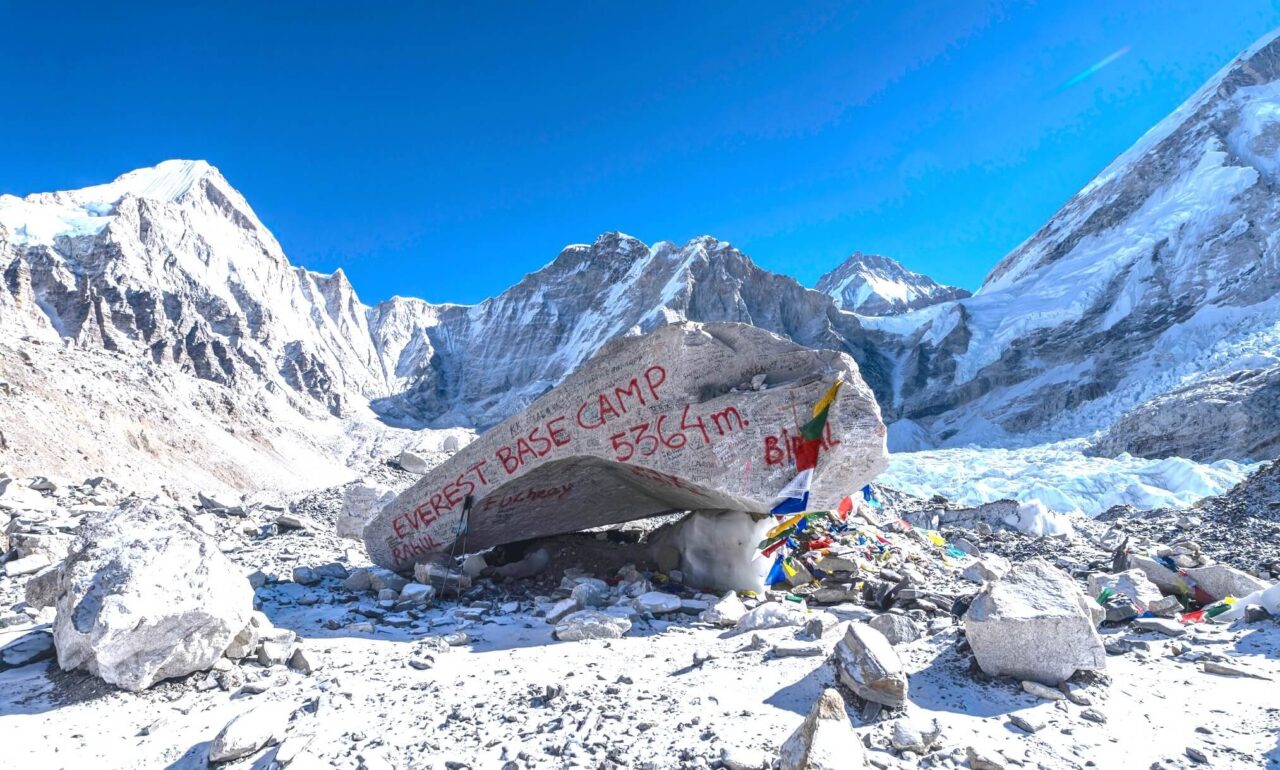
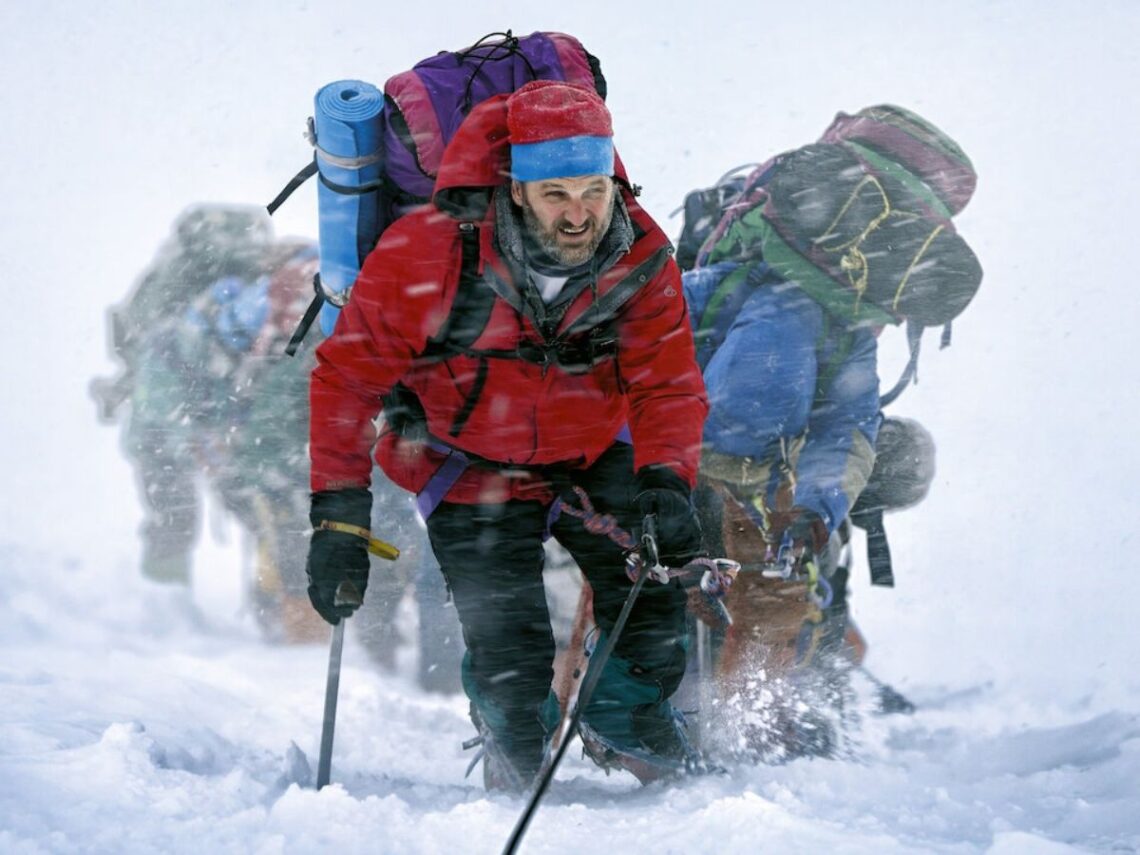
The 1996 Everest tragedy was a catastrophic event on May 10–11, 1996, when eight climbers perished during a severe blizzard in the mountain's "Death Zone." This disaster fundamentally changed the world’s perception of high-altitude mountaineering, exposing the lethal consequences of overcrowding, commercial pressure, and the unpredictable nature of the Himalayas.
Thirty years after the events of that fateful May, the 1996 disaster remains the most scrutinized and debated incident in the history of Mount Everest. While larger tragedies have occurred since—notably the 2014 avalanche and the 2015 earthquake—the '96 season continues to serve as the primary case study for "summit fever," the ethics of commercial guiding, and the thin margin for error when operating at 8,848 meters. Understanding the 1996 Everest tragedy requires a look beyond the headlines into the logistics, the personalities, and the specific atmospheric conditions that created a "perfect storm."
The Rise of Commercial Mountaineering
Before 1996, Mount Everest was primarily the domain of professional climbers and national expeditions. However, the early 1990s saw the birth of the commercial guiding industry. This shift allowed wealthy amateurs to pay significant sums—often between $60,000 and $70,000 (roughly $115,000–$135,000 in 2026 currency)—to be led to the summit by elite guides.
Two primary companies dominated the South Col route in 1996:
- Adventure Consultants: Led by Rob Hall, a highly respected New Zealander known for his meticulous planning and high success rate. Hall’s team included journalist Jon Krakauer, who was sent by Outside magazine to report on the commercialization of the mountain.
- Mountain Madness: Led by Scott Fischer, a charismatic American known for his "macho" approach and incredible physical resilience. Fischer’s lead guide was Anatoli Boukreev, one of the world's strongest high-altitude climbers.
The rivalry between these two companies, though professional, created a subtle pressure to ensure clients reached the summit. In 1996, the mountain was exceptionally crowded, with multiple other expeditions (including a Taiwanese team and an IMAX filming crew) vying for the same narrow weather windows.
The Fatal Timeline: May 10–11, 1996
The tragedy was not caused by a single mistake, but by a "cascade of errors" that began long before the storm hit. To understand what you need to know about the 1996 Everest tragedy, one must look at the delays that occurred on the morning of May 10.
The Bottleneck at the Hillary Step
The plan for both Hall and Fischer’s teams was to reach the summit by 2:00 PM at the latest. This "turnaround time" is a critical safety protocol designed to ensure climbers can descend to the safety of Camp IV (the South Col) before nightfall and before their supplemental oxygen supplies run out.
However, on the morning of May 10, several delays occurred:
- Lack of Fixed Ropes: Crucial ropes had not been pre-positioned at the Balcony and the Hillary Step. Guides and Sherpas had to fix these lines while the clients waited, causing a massive bottleneck in the "Death Zone" (above 8,000 meters).
- The 2:00 PM Violation: Despite the delays, many climbers, including Rob Hall and several of his clients, did not reach the summit until well after 3:00 PM. Doug Hansen, a client of Hall’s who had failed to summit the previous year, reached the top around 4:00 PM, encouraged by Hall.
The Arrival of the Storm
As the late summiters began their descent, a localized, high-intensity blizzard struck the mountain. This was not a general regional storm that could have been easily predicted by 1996 technology; it was a sudden atmospheric shift. The storm brought hurricane-force winds, a massive drop in temperature, and "whiteout" conditions that obscured the trail back to the South Col.
| Expedition Team | Leader | Key Members | Outcome |
|---|---|---|---|
| Adventure Consultants | Rob Hall | Jon Krakauer, Doug Hansen, Beck Weathers, Yasuko Namba | Hall, Hansen, Harris, and Namba perished. |
| Mountain Madness | Scott Fischer | Anatoli Boukreev, Neal Beidleman, Sandy Pittman | Scott Fischer perished; others survived. |
| Indo-Tibetan Border Police | Tsewang Samanla | Dorje Morup, Tsewang Paljor | Three members perished on the North Side. |
The Human Toll and Heroic Rescues
The tragedy resulted in the deaths of eight people over two days. On the South Side (Nepal), the victims included Rob Hall, Scott Fischer, Andy Harris (a guide for Hall), Doug Hansen, and Yasuko Namba (a Japanese climber who had just become the oldest woman to summit the Seven Summits).
The Ordeal of Rob Hall
Rob Hall became trapped on the South Summit with Doug Hansen. Hansen was exhausted and likely suffering from hypoxia (lack of oxygen). Despite the storm, Hall refused to leave his client. Hall spent a night at 8,700 meters in a bivouac. Remarkably, he was able to contact Base Camp via satellite phone, eventually being patched through to his pregnant wife in New Zealand for a final, heartbreaking goodbye. His body remains on the mountain today.
The Survival of Beck Weathers
Perhaps the most famous story from the '96 tragedy is that of Beck Weathers. Weathers, a pathologist from Texas, suffered from "snow blindness" and was left for dead twice on the South Col. After spending a night exposed to the elements in a hypothermic coma, he miraculously regained consciousness and walked into Camp IV with his hands and face severely frostbitten. His survival and subsequent helicopter evacuation from the Western Cwm remain one of the most incredible feats of endurance in mountaineering history.
Technical Factors: Why Did It Happen?
Analyzing the 1996 Everest tragedy requires looking at the technical and physiological failures that compounded the disaster.
1. The "Death Zone" Physiology
Above 8,000 meters, the human body cannot acclimatize. It is essentially dying. Oxygen levels are one-third of those at sea level. This leads to:
- HAPE (High Altitude Pulmonary Edema): Fluid buildup in the lungs.
- HACE (High Altitude Cerebral Edema): Swelling of the brain, leading to hallucinations and poor decision-making.
- Hypoxia: A lack of oxygen that impairs the prefrontal cortex, the part of the brain responsible for logic and risk assessment.
In 1996, the delays at the Hillary Step meant climbers spent far longer in the Death Zone than their bottled oxygen allowed. When their tanks ran dry, their cognitive abilities plummeted, making it impossible for many to navigate the storm.
2. The Atmospheric Pressure Drop
Research conducted years after the event suggests that a massive drop in barometric pressure accompanied the storm. When air pressure drops, the effective oxygen level decreases further. Even if a climber was using supplemental oxygen, the sudden pressure drop would have made it feel like they were hundreds of meters higher than they actually were.
3. The "Summit Fever" Phenomenon
"Summit fever" is a psychological state where a climber becomes so fixated on reaching the peak that they ignore objective hazards. In 1996, the presence of a high-profile journalist (Krakauer) and the competitive nature of the guiding companies likely contributed to the decision to push past the safe turnaround time.
The Great Debate: Krakauer vs. Boukreev
The aftermath of the tragedy was marked by a public and sometimes bitter disagreement between Jon Krakauer and Anatoli Boukreev. Krakauer’s book, Into Thin Air, became a global bestseller but drew criticism for its portrayal of Boukreev.
Krakauer’s Perspective: Krakauer questioned Boukreev’s decision to climb without supplemental oxygen and his choice to descend to Camp IV ahead of his clients. Krakauer argued that a guide should remain with their clients at all times.
Boukreev’s Perspective: Boukreev, in his book The Climb, defended his actions. He argued that by descending early, he preserved his strength to perform rescues later. Indeed, Boukreev single-handedly saved three people (Sandy Pittman, Charlotte Fox, and Tim Madsen) by venturing out into the storm while others were huddled in their tents. Boukreev was later honored by the American Alpine Club for his heroism before his death in an avalanche on Annapurna in 1997.
Lessons Learned and Modern Implications
The 1996 Everest tragedy served as a wake-up call for the mountaineering community. It led to several significant changes in how the mountain is managed today:
- Better Weather Forecasting: In 2026, expeditions rely on hyper-local, satellite-based weather modeling that is far more accurate than the reports available in 1996.
- Strict Turnaround Times: Most commercial expeditions now enforce "hard" turnaround times, with guides empowered to physically turn clients around if they aren't meeting pace requirements.
- Logistical Improvements: The "bottleneck" issues have been partially addressed by fixing double ropes (one for up, one for down) in high-traffic areas like the Hillary Step.
- Increased Oxygen Supplies: Modern expeditions carry significantly more "buffer" oxygen to account for unexpected delays.
However, the core problem of overcrowding remains. As of 2026, Everest permits continue to be issued in record numbers, leading to scenes of "traffic jams" in the Death Zone that eerily mirror the conditions of 1996.
FAQ: Understanding the 1996 Disaster
Who was the main person to blame for the 1996 Everest tragedy?
There is no single person to blame. Most historians and survivors agree it was a "systemic failure." Factors included the sudden storm, the lack of fixed ropes, the decision to ignore turnaround times, and the competitive nature of commercial guiding. Both Rob Hall and Scott Fischer made decisions that contributed to the outcome, but they also paid the ultimate price for those decisions.
How many people died in the 1996 Everest season total?
While eight people died during the May 10–11 storm, a total of 15 people died throughout the entire 1996 spring climbing season. This made it the deadliest year on Everest until the 2014 avalanche.
Did they ever find the bodies of the 1996 climbers?
Some bodies were recovered, while others remain on the mountain. Rob Hall’s body is still on the South Summit. Scott Fischer’s body was found by Anatoli Boukreev shortly after the storm, but it was left in situ as is common practice at high altitudes. "Green Boots," a body on the North Side believed to be Indian climber Tsewang Paljor, became a well-known landmark for years until it was reportedly moved or covered.
What is the "Death Zone" and why is it so dangerous?
The Death Zone refers to the altitudes above 8,000 meters. At this height, there is not enough oxygen for humans to breathe without supplementation. Prolonged exposure leads to the rapid deterioration of bodily functions and judgment. In 1996, the storm trapped climbers in this zone for much longer than the human body can sustain, leading to exhaustion and death.
Is Everest safer now than it was in 1996?
In terms of technology and weather forecasting, yes. However, the sheer volume of climbers on the mountain in 2026 has created new risks. While we have better gear and more oxygen, the "human factor"—errors in judgment and the refusal to turn back—remains the same as it was 30 years ago.
Conclusion and Recommendations
The 1996 Everest tragedy is a reminder that nature does not negotiate. For those interested in the history of mountaineering or planning their own high-altitude treks, the primary takeaway is the importance of humility and preparation.
If you are researching this event for educational purposes, it is highly recommended to read both Into Thin Air by Jon Krakauer and The Climb by Anatoli Boukreev to get a balanced view of the events. For prospective climbers, the 1996 disaster emphasizes that the summit is only the halfway point; the true goal is always a safe return to Base Camp. Always prioritize safety margins over the "glory" of the peak.