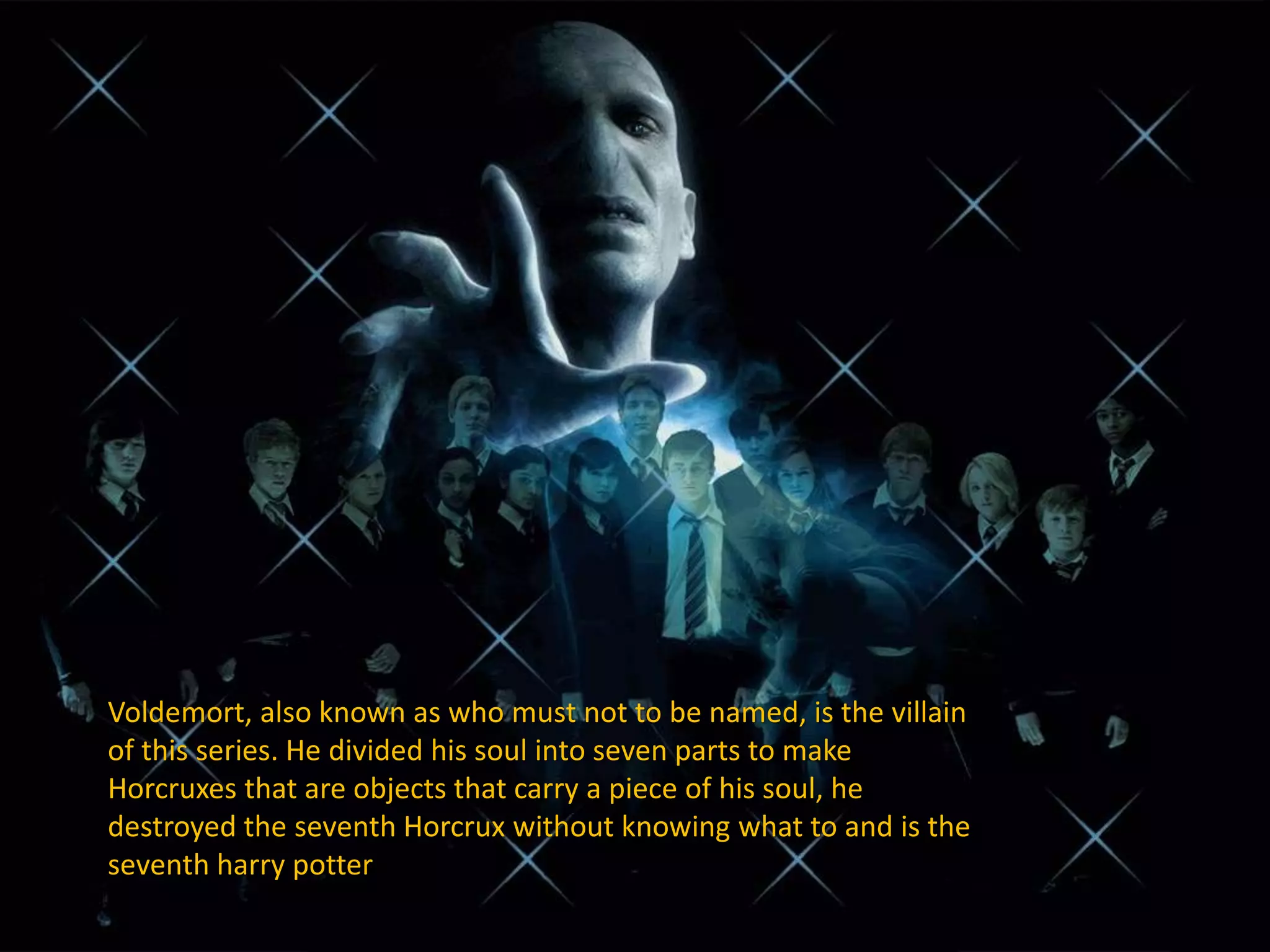
The Harry Potter franchise, created by J.K. Rowling, consists of an expansive collection of literary works, films, and immersive experiences that have defined modern fantasy. Identifying the core components associated with the series requires looking at the foundational symbols, settings, and narrative devices that characterize the Wizarding World, from the iconic Hogwarts School of Witchcraft and Wizardry to the complex moral framework of its magical system.
1. Hogwarts School of Witchcraft and Wizardry
Hogwarts serves as the narrative anchor for the series. As the primary educational institution for young witches and wizards in Great Britain, it functions not just as a school, but as a microcosm of the magical society. Located in the Scottish Highlands, the castle is protected by ancient enchantments that render it invisible to Muggles.
The architecture and geography of Hogwarts—featuring moving staircases, secret passages, and the Forbidden Forest—are essential to the plot. The division of students into four houses (Gryffindor, Hufflepuff, Ravenclaw, and Slytherin) establishes the social structure and moral tensions of the narrative. By 2026, the legacy of Hogwarts continues to be a central touchstone for fans, represented globally through various interactive media and theme park attractions that replicate the castle’s aesthetic.
2. The Wand as an Instrument of Agency
In the Harry Potter universe, a wand is the essential tool for channeling magical intent. Unlike other fantasy systems where magic may be innate or spoken, the wand acts as a conduit that gives structure to a wizard's power. The lore surrounding wandlore—established by the character Garrick Ollivander—emphasizes that "the wand chooses the wizard," a concept that suggests a semi-sentient connection between the user and their instrument.
Technical specifications of a wand, such as its wood type (e.g., holly, elder, vine) and core material (e.g., phoenix feather, dragon heartstring, unicorn hair), dictate its performance and affinity for certain types of magic. This specificity adds a layer of depth to the characters, as their wands often reflect their temperaments and future growth.
3. Patronus Charms and Defensive Magic
The Patronus Charm (Expecto Patronum) represents the height of defensive magic in the series. It is a manifestation of positive energy that acts as a shield against Dementors—dark entities that feed on human happiness. The fact that the charm requires a powerful, happy memory to conjure underscores the theme that hope is an active, defensive force against despair.
Each Patronus takes the form of a silver animal, which often changes to reflect a person’s inner emotional state or deep attachments. This concept has become one of the most recognizable identifiers of the series, serving as a metaphor for the psychological resilience that Harry and his allies must develop throughout their journey.
4. Quidditch: The Sport of the Wizarding World
Quidditch is the most prominent sport in the magical community, played on broomsticks. It is a complex, high-stakes game that involves four balls: the Quaffle, two Bludgers, and the elusive Golden Snitch. The sport is crucial to the series because it provides a bridge between the intense academic life at Hogwarts and the competitive, often dangerous, nature of the wider wizarding world.
From a structural perspective, Quidditch highlights the class and skill disparities between students. The pursuit of the Golden Snitch, which ends the game, mirrors Harry’s own trajectory as the "Seeker" who must find the hidden truth (or the Horcrux) to end the larger conflict.
5. House Elves and Magical Creatures
The presence of magical creatures, particularly House Elves, raises critical questions regarding societal hierarchy and labor within the series. House Elves are magically bound to serve wizarding families, a servitude that can only be broken by the gift of clothing.
Characters like Dobby serve as catalysts for character development, particularly regarding Hermione Granger’s social advocacy and Harry’s own evolving understanding of justice. These creatures are not merely background elements but represent the moral dilemmas inherent in a society that claims to be enlightened while maintaining archaic systems of subjugation.
6. The Deathly Hallows
The Deathly Hallows represent the ultimate pursuit of power: the Elder Wand, the Resurrection Stone, and the Cloak of Invisibility. According to the legend recounted in The Tales of Beedle the Bard, these three objects were created by Death and given to the Peverell brothers.
The Hallows are central to the climax of the series, as they contrast the desire for control over death with the necessity of accepting mortality. Unlike Horcruxes, which attempt to cheat death through fragmentation of the soul, the Hallows represent the legendary "Master of Death," an ideal that Harry ultimately resolves by choosing unity over dominion.
7. The Duality of Dark and Light Magic
At the core of the Harry Potter universe is the conflict between the Dark Arts and conventional magic. The series distinguishes between spells that intend to harm, control, or kill (the Unforgivable Curses: Avada Kedavra, Crucio, and Imperio) and the magic used for protection or utility.
This duality is not just a tactical distinction but a moral one. The series explores how power corrupts and why the path of least resistance—or the path of absolute power—often leads to total isolation. By 2026, the academic discourse surrounding these themes continues to center on the idea that choices, rather than inherent magical ability, define one's character.
Comparative Overview of Magical Artifacts and Icons
| Entity/Element | Primary Function | Symbolic Representation |
|---|---|---|
| Wand | Channeling magic | Individual agency and personality |
| Hogwarts House | Social organization | Identity and community loyalty |
| Patronus | Defensive barrier | Psychological resilience and joy |
| Golden Snitch | Victory/Goal completion | The elusive nature of truth |
| The Invisibility Cloak | Evasion/Stealth | Humility and detachment |
| Horcrux | Immortality/Anchor | Fear of death and moral decay |
Frequently Asked Questions
Why is the "wand chooses the wizard" concept significant? The concept is significant because it establishes that magic is not a commodity that can be bought or forced. It requires a symbiotic relationship, suggesting that a wizard is only as effective as their alignment with the tool they wield.
How do House Elves define the series' social commentary? House Elves serve as the primary vehicle for exploring institutionalized inequality within the magical world. They highlight the tension between tradition and moral progress, forcing characters to confront the ethics of their own society.
Are the Deathly Hallows considered real in the Wizarding World? Many in the wizarding world view the Hallows as a myth or a children's story. However, their physical existence and the power they grant the user form the backbone of the final act of the narrative.
What is the distinction between a ghost and a soul fragment (Horcrux)? Ghosts in the Harry Potter universe are imprints left behind by those who fear death and refuse to move on. A Horcrux, conversely, is an active piece of a soul tethered to a physical object, allowing for a perverted form of continued existence.
Can anyone learn to cast a Patronus? In theory, yes, but it requires the ability to focus on a memory of significant, pure happiness. It is considered an advanced spell because most practitioners struggle to maintain the required emotional state amidst the terror of an encounter with a Dementor.
Recommendation for Further Engagement
For those looking to deepen their understanding of these seven elements, the most effective next step is a close reading of The Tales of Beedle the Bard alongside the main series. This supplementary text provides the mythological context for the Deathly Hallows and illustrates how folklore shapes the belief systems of the characters throughout the primary narrative. Engaging with these foundational elements as a cohesive system rather than isolated objects will provide a clearer picture of the world’s internal logic.