Choosing between a home Brazilian wax and a salon visit depends on your budget, pain tolerance, and dexterity. While home waxing offers privacy and significant cost savings, professional salons provide superior hygiene, speed, and thoroughness in hard-to-reach areas. Our 7-step verdict analyzes these factors to help you decide which method suits your lifestyle.
Brazilian waxing remains one of the most popular yet daunting hair removal methods in 2026. By removing hair from the root across the entire pubic region—front, back, and everything in between—it offers a level of smoothness that shaving simply cannot replicate. However, the technical demands of the procedure create a sharp divide between the DIY enthusiast and the salon loyalist. To reach a definitive verdict, we must examine the intricacies of technique, safety, and long-term skin health.
The Foundation of Brazilian Waxing: Understanding the Process
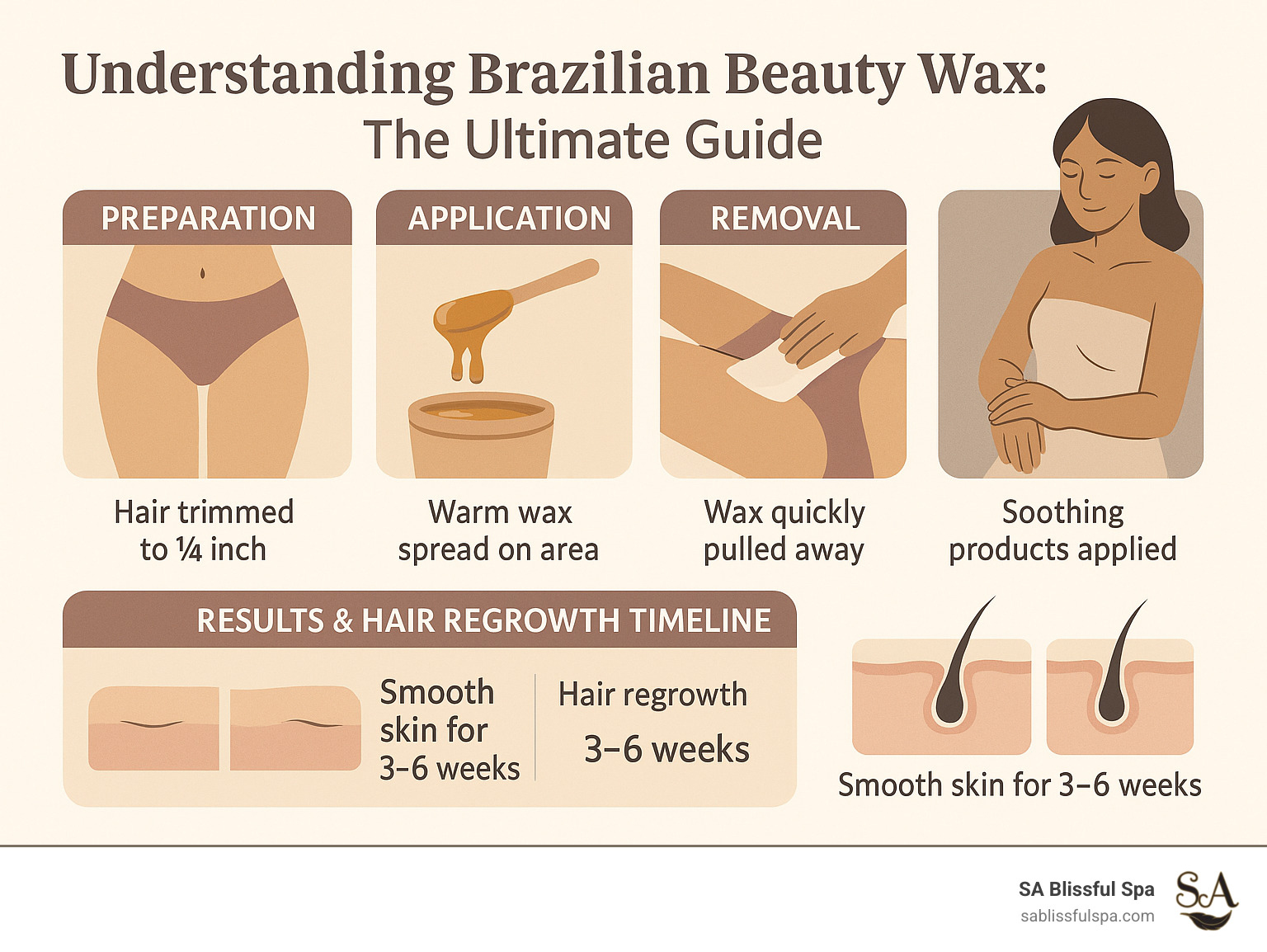
Before weighing the 7-step verdict, it is essential to understand what a "Best Brazilian" entails. Unlike a standard bikini wax, which focuses on the hair outside the panty line, a Brazilian removes all hair from the pelvic area. This involves working with highly sensitive mucosal tissue and navigating "blind spots" that are physically difficult to reach.
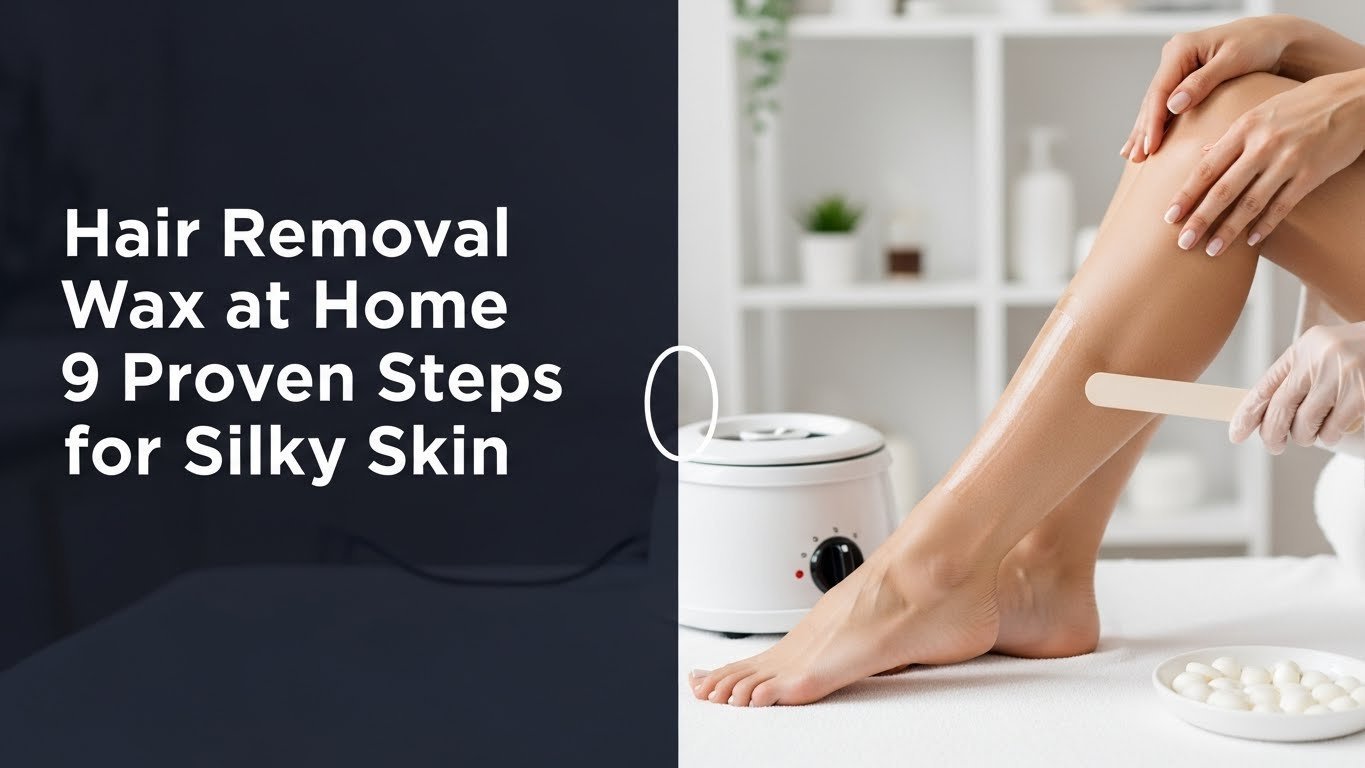
In 2026, the technology for both home and salon environments has advanced. Salons now utilize high-polymer "flexible" waxes that shrink-wrap the hair without sticking to the skin, significantly reducing trauma. Meanwhile, home kits have evolved to include digital wax warmers that maintain precise temperatures, mitigating the risk of the traditional "microwave wax" burns that plagued DIYers in the past.
| Feature | Home Waxing (DIY) | Professional Salon |
|---|---|---|
| Average Cost (2026) | $15 – $40 per kit | $60 – $120 + Gratuity |
| Time Investment | 45 – 75 minutes | 15 – 30 minutes |
| Pain Level | Higher (due to hesitation) | Lower (due to speed/technique) |
| Privacy | 100% Private | Professional/Clinical |
| Skill Required | High (Steep learning curve) | Licensed Esthetician |
| Risk Factor | Bruising, burns, missed hair | Minimal (Irritation, redness) |
| Longevity | 2 – 4 weeks | 4 – 6 weeks |
Step 1: Technical Execution and "The Reach"
The primary challenge of a Brazilian wax is the physical geometry of the human body. A professional esthetician has the advantage of perspective; they can see every angle and stretch the skin tautly in directions that are impossible for an individual to do alone.
When waxing at home, you are limited by your flexibility and the quality of your mirrors. The "landing strip" or front area is manageable for most, but the labia and the perianal area (the "back") require significant maneuvering. Improper technique in these areas often leads to "hair breakage" rather than "root removal." If the hair breaks at the surface, you will see regrowth within days, effectively negating the benefit of waxing.
Verdict: The salon wins on execution. Professionals use specific "four-way" stretching techniques that ensure the hair is pulled at the correct angle, minimizing breakage and maximizing smoothness.
Step 2: Pain Threshold and Sensory Management
Pain is subjective, but the physics of pain in waxing is objective. The faster the strip is removed, the less the nerve endings register the trauma. At home, the "self-preservation instinct" often causes users to pull the wax strip slowly or hesitantly. This hesitation increases the duration of the pain and can lead to skin lifting or bruising.
In a salon setting, the esthetician is trained to apply pressure immediately after the pull. This pressure confuses the nerve endings (the Gate Control Theory of pain), providing almost instant relief. Furthermore, salons often use high-quality pre-wax oils that create a barrier between the wax and the skin, ensuring the wax only grips the hair.
Verdict: The salon is significantly less painful. The combination of professional speed, clinical-grade "stripless" hard wax, and immediate post-pull pressure makes the experience much more tolerable than DIY attempts.
Step 3: Economic Analysis and Long-Term Value
The most compelling argument for home waxing is the cost. In 2026, a high-quality home waxing kit—including a heater, various bags of hard wax beads, and pre/post-care serums—costs roughly what a single salon session plus tip would cost. Subsequent sessions at home cost only a few dollars in materials.
However, one must consider the value of time and the cost of "fixes." If a DIY session results in significant "patchiness" or ingrown hairs that require dermatological treatment, the savings vanish. For those on a strict budget who have the patience to master the craft, the home method is the clear economic winner.
Verdict: Home waxing wins on price. For those willing to endure the learning curve, the annual savings can exceed $800 to $1,000 depending on your local market rates.
Step 4: Safety Protocols and Dermatological Risks
Safety is the most critical technical aspect of the Brazilian wax. The skin in the pubic region is thin and highly vascular. Common risks include:
- Thermal Burns: Heating wax to the wrong temperature can cause second-degree burns.
- Skin Lifting: If the wax is too sticky or the skin is not stretched, the top layer of skin can be torn away.
- Folliculitis: Bacterial infection of the hair follicles caused by unsterile environments or "double-dipping" spatulas.
Salons are regulated by state boards and must adhere to strict sanitation guidelines. They use hospital-grade disinfectants and ensure that every applicator is used only once. At home, maintaining this level of "clinical" sterility is difficult, and many users inadvertently contaminate their wax pots.
Verdict: The salon is the safer choice. The risk of infection and physical injury is significantly lower when performed by a licensed professional who understands skin anatomy and contraindications (such as how certain medications like Retin-A or Accutane affect skin sensitivity).
Step 5: Privacy and the Comfort Quotient
For many, the idea of being exposed to a stranger is the primary barrier to salon waxing. Even though estheticians see dozens of bodies a day and maintain a strictly clinical focus, the vulnerability of the Brazilian position can be a source of anxiety.
Home waxing allows for absolute privacy. You can take your time, play your own music, and work in an environment where you feel completely in control. This "comfort quotient" often outweighs the technical benefits of a salon for those with body shyness or past negative experiences in clinical settings.
Verdict: Home waxing wins for privacy. It eliminates the "brazilian anxiety" associated with professional appointments and allows the user to control the pace of the procedure.
Step 6: Cleanup and Logistics
Waxing is a messy business. Professional hard wax is designed to harden and peel, but it can still leave "strings" or residue on towels, floors, and skin. A salon handles all the logistics: you walk in, the room is prepared, you are waxed, and you walk out. There is no cleanup, no sticky bathroom floor, and no specialized disposal of used wax.
At home, the cleanup can take as long as the waxing itself. Wax spills are notoriously difficult to remove (requiring specific oils or solvents), and the disposal of used wax strips must be handled carefully to avoid plumbing issues or lingering odors.
Verdict: The salon wins on convenience. The "walk-in, walk-out" nature of professional services saves a minimum of 30-45 minutes of preparation and cleanup time required for DIY sessions.
Step 7: Results, Regrowth, and Skin Integrity
The ultimate goal of a Brazilian is the "smooth factor." A professional wax typically lasts 4 to 6 weeks because the esthetician ensures that the hair is removed during the anagen (growth) phase from the root. They also provide targeted aftercare advice to prevent ingrown hairs.
DIYers often struggle with "ingrowns" because they pull the hair at the wrong angle, causing it to curl back under the skin as it regrows. Furthermore, without the professional-grade exfoliating enzymes often used in salons, the skin can become bumpy or irritated during the regrowth phase.
Verdict: The salon provides superior long-term results. The precision of the pull ensures a cleaner regrowth cycle with fewer ingrown hairs and longer periods of total smoothness.
Technical Recommendation: Hard Wax vs. Soft Wax
Whether at home or in a salon, the type of wax used is a critical technical detail.
- Hard Wax (Stripless): This is the gold standard for Brazilian waxing in 2026. It is applied warm, hardens into a flexible plastic-like layer, and is pulled off without paper strips. It only adheres to the hair, not the skin, making it much safer for the sensitive labial tissue.
- Soft Wax (Strip Wax): This involves applying a thin layer of wax and removing it with a cloth or paper strip. While effective for legs, it is generally considered too aggressive for a full Brazilian and carries a higher risk of skin lifting.
Recommendation: If you are waxing at home, only use high-quality hard wax beads. Avoid "cold wax strips" or sugar pastes unless you are highly experienced, as these often lack the grip necessary for coarse pubic hair.
Common Mistakes to Avoid
- Waxing Too-Short Hair: Hair must be at least 1/4 inch long (the length of a grain of rice). If it is shorter, the wax cannot grip it; if it is much longer, it will tangle and cause unnecessary pain.
- Ignoring Temperature: In 2026, many home kits have "smart" settings. Always test a small patch on your inner wrist before applying it to the pubic region.
- Poor Post-Care: Avoid hot tubs, gym sessions, or tight lace underwear for 24-48 hours after a wax. The follicles are open and susceptible to bacteria.
FAQ
Is it safe to do a Brazilian wax at home during pregnancy?
While it is generally safe, it is not recommended for beginners. Increased blood flow during pregnancy makes the skin significantly more sensitive and prone to bruising. A professional salon is a much safer environment for pregnant individuals due to the specialized positioning and speed required to minimize discomfort.
How do I prevent ingrown hairs after a home wax?
Exfoliation is the key. Wait 48 hours after your wax, then use a chemical exfoliant containing salicylic or lactic acid. Avoid physical scrubs (like sugar or salt scrubs) immediately after waxing, as they can be too abrasive for the newly exposed skin.
Why does my skin turn purple or bruise after a DIY wax?
Bruising occurs when the skin is not held taut during the pull. When the skin "bounces" with the wax strip, the underlying blood vessels can rupture. This is common in home waxing where the user cannot reach a specific angle to stretch the skin properly.
How long does a salon Brazilian wax take compared to home?
A professional esthetician can complete a full Brazilian in 15 to 20 minutes. A beginner at home should expect to spend at least 60 to 90 minutes, including setup, the actual waxing (which involves many small sections), and the subsequent cleanup.
Can I wax if I have a low pain tolerance?
Yes, but the salon is the better choice for you. You can also take an over-the-counter pain reliever 30 minutes before your appointment and ensure you are well-hydrated. Avoid caffeine before your session, as it can make your nerve endings more reactive.
Final Verdict: Which is Best for You?
The "7-step verdict" points toward the Professional Salon as the superior choice for quality, safety, and speed. For most individuals, the expertise of a licensed esthetician justifies the higher price point, especially regarding the prevention of skin damage and the management of pain.
However, Home Waxing is a viable and empowering alternative for those who have a high pain tolerance, the patience to practice, and a desire for long-term financial savings and absolute privacy. If you choose the DIY route, invest in a digital wax warmer and professional-grade hard wax to bridge the gap between "home-made" results and "salon-smooth" skin.