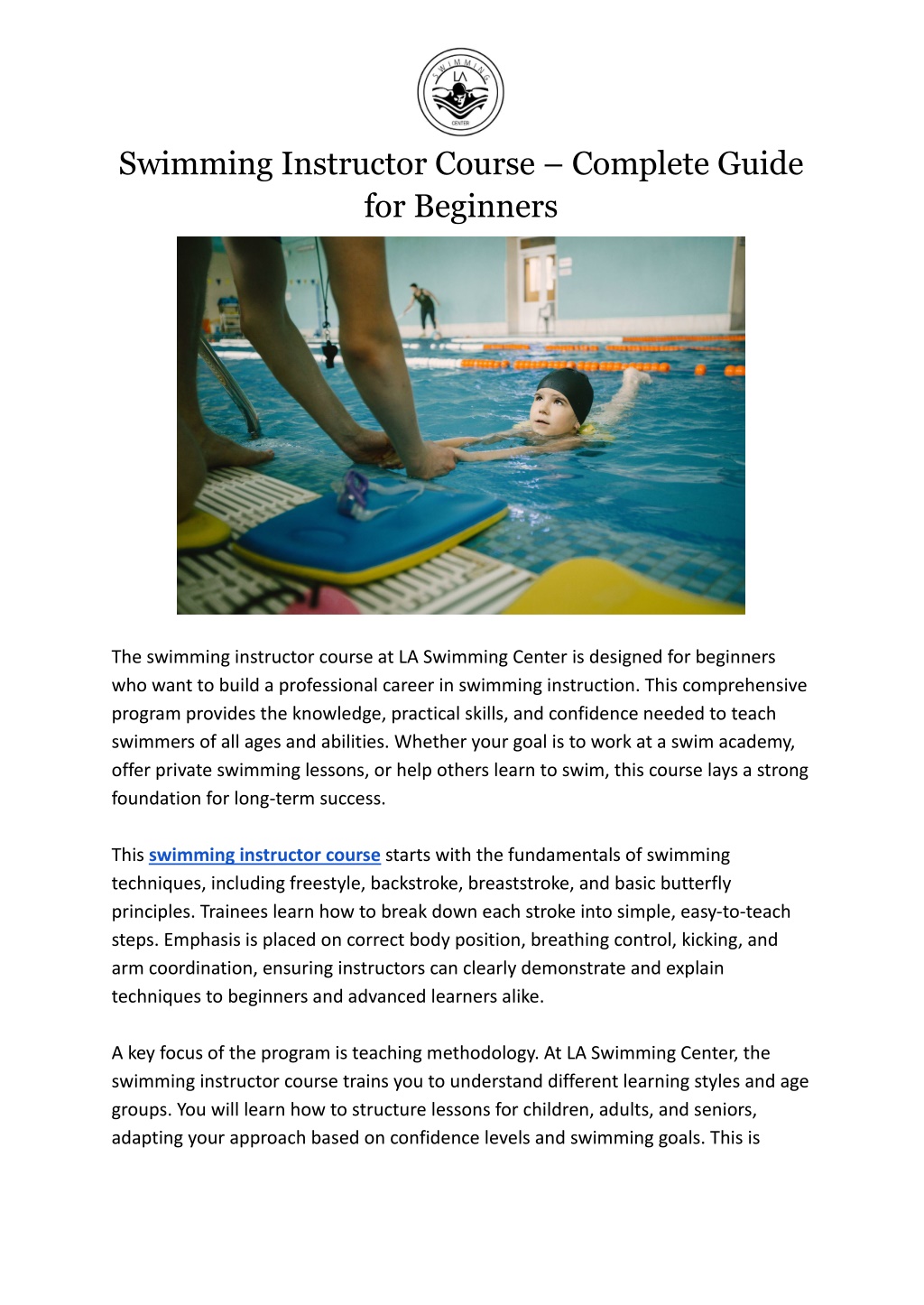
Mastering the water requires a transition from panic to poise through breath control, body alignment, and consistent practice. By focusing on fundamental mechanics—specifically your buoyancy, hydrodynamics, and rhythm—you can overcome common beginner anxieties and transform swimming from an intimidating challenge into an efficient, low-impact exercise for lifelong fitness.
1. Master Exhalation Before Inhalation
The most common mistake beginners make is holding their breath while their face is submerged. This leads to carbon dioxide buildup, rapid heart rate, and an instinctive feeling of panic. In swimming, the priority is not how much air you take in, but how effectively you expel it underwater.
You should aim to exhale steadily through your nose and mouth the moment your face enters the water. By the time you rotate your head to take a breath, your lungs should already be empty, allowing for a quick, reactive inhalation. If you attempt to exhale and inhale while your head is turned to the side, you will never have enough time to complete the cycle, leading to the "drowning" sensation many new swimmers report. Practice "bobs" in the shallow end: stand, submerge, exhale fully, and return to the surface only when your lungs are empty.
2. Prioritize Horizontal Body Alignment
Water is nearly 800 times denser than air, meaning that even minor deviations in your body position create massive amounts of drag. Beginners often "sit" in the water, dropping their hips and legs toward the bottom of the pool. This position forces you to push water downward rather than propelling yourself forward, which is both exhausting and slow.
To achieve proper alignment, focus on keeping your head in a neutral position—gaze at the bottom of the pool rather than forward—and imagine pressing your chest downward into the water. This shifts your center of gravity and naturally brings your hips and legs to the surface. Your goal is to remain as horizontal as possible, essentially acting like a log floating on the surface. Use a pull buoy between your thighs during training sessions to feel the sensation of lifted hips; once you identify this position, focus on engaging your core to maintain that posture without the aid.
3. Develop a Consistent Flutter Kick
The kick in freestyle swimming serves two primary purposes: propulsion and stability. Many beginners make the error of "bicycling," where they bend their knees excessively. This creates drag and provides almost zero forward momentum. Instead, the power for your kick must originate from your hips, not your knees.
Keep your legs relatively straight but not locked. Your ankles should be loose and relaxed; think of your feet as fins that whip naturally at the end of the movement. Your toes should be pointed, and your motion should be small and rapid rather than wide and powerful. A massive kick burns oxygen at an unsustainable rate for a beginner. Instead, focus on a rhythmic, steady beat that keeps your legs high in the water column to support your overall body position.
4. Utilize Proper Arm Recovery and Catch
The "catch" is the phase of the stroke where your hand enters the water and begins to pull. Avoid the temptation to slap the water with a flat hand. Instead, enter the water with your fingertips first, as if you are reaching into a sleeve.
Once your hand is submerged, do not pull straight back like a paddle. High-elbow mechanics—where your elbow remains higher than your wrist during the pull phase—allow for more leverage against the water. This utilizes your latissimus dorsi and pectoral muscles rather than relying solely on your shoulders. Keep your recovery (the arm movement above the water) relaxed. Avoid lifting your entire arm high out of the water; a "drag-and-recover" approach or a comfortable, loose swing will conserve energy for longer sessions.
5. Embrace Buoyancy through Lung Volume
Fear of sinking often causes beginners to tense their muscles, which ironically makes them sink faster. Muscle is denser than fat, and a rigid, tense body does not displace water efficiently. To stay buoyant, you must learn to trust the water's ability to support you.
Your lungs act as internal buoyancy bladders. By keeping a steady rhythm of breathing—inhaling enough to feel your chest expand—you provide the lift necessary to stay afloat. When you feel yourself sinking, the natural reaction is to tense up. Instead, perform a "reset": relax your shoulders, widen your hand placement slightly, and focus on the rhythmic exhalation discussed in the first tip. Trust that as long as your lungs have air, your upper body will naturally want to return to the surface.
6. Focus on Distance Per Stroke
Beginners frequently believe that swimming faster requires moving their arms as quickly as possible. This is incorrect. In the early stages, your goal should be "Distance Per Stroke" (DPS). Each arm pull should carry you as far as possible before the next one begins.
Efficiency is the cornerstone of swimming progress. By stretching your reach and completing a full pull cycle, you move more water per movement, reducing the total number of strokes required to cross the pool. Use a pool clock to time yourself over 25 meters. If you increase your tempo but your time remains the same, you are simply "spinning your wheels." Focus on lengthening your stroke and feeling the glide phase between pulls. This conservation of energy allows you to swim for longer durations without reaching complete exhaustion.
7. Implement Structured, Goal-Oriented Practice
Going to the pool and swimming aimlessly is the quickest way to plateau. Beginners benefit most from structured intervals that allow for short recovery periods. Do not attempt to swim long distances without stopping; instead, break your sessions into manageable segments.
For example, start by swimming one length, resting for 30 seconds, and repeating this for 10–15 minutes. As you gain fitness, reduce the rest time rather than increasing the speed. Keeping a log of your progress is essential to see growth in both endurance and technique.
Comparison of Common Beginner Training Tools
| Tool | Primary Purpose | Benefit for Beginners |
|---|---|---|
| Kickboard | Leg isolation | Allows focus on kick rhythm without arm movement. |
| Pull Buoy | Hip alignment | Lifts legs to show what a "flat" body position feels like. |
| Swim Cap | Hydrodynamics | Reduces drag and protects hair from chlorine. |
| Goggles | Visibility | Essential for maintaining alignment and depth perception. |
| Fins | Propulsion/Ankle flexibility | Helps beginners feel the sensation of the "whip" kick. |
Frequently Asked Questions
How long does it take to learn the basics of swimming? Most adults can learn the mechanics of basic strokes, such as front crawl, within 10 to 15 consistent pool sessions. However, feeling truly comfortable in deep water takes longer as it relies on building confidence and overcoming the natural fight-or-flight response.
Should I learn to swim with a head-up or head-down position? Always learn with your head down. Lifting your head to look forward drops your hips, increases drag, and places significant strain on your lower back and neck. Looking at the bottom of the pool is the only way to maintain the horizontal alignment required for efficient swimming.
Why do my shoulders hurt after swimming? Shoulder pain is usually caused by "dropping the elbow" during the pull or over-rotating your body. Ensure that your pull is focused on moving your body past your hand, rather than just moving your hand through the water. Consult a coach to ensure your rotation is coming from your core, not your shoulder joint.
How often should I practice to see improvements? Consistency is more important than duration. Three sessions of 30 minutes per week are significantly more effective for a beginner than one long, exhausting two-hour session. Frequent, short sessions allow your neuromuscular system to adapt to the water's resistance.
Is it necessary to take formal lessons? While self-teaching is possible, formal lessons provide immediate feedback on technical errors you cannot feel yourself. An instructor can identify "hidden" drag and alignment issues that, if left uncorrected, may turn into ingrained habits that are difficult to break later.
Next Steps for Your Practice
Begin your next session by dedicating the first five minutes solely to breathing exercises at the wall—nothing else. Once you feel comfortable exhaling fully underwater, transition to using a kickboard to refine your leg motion. Do not rush into long-distance swimming; your progress is measured by the quality of your movement, not the number of laps completed. If you find yourself struggling with consistent breath, return to the wall and restart your exhale drills. Mastery is built on these small, repetitive refinements.